Reviving community vitality
Grassroots culture is the spiritual foundation of a community, where behavioral norms, lifestyles, ethics, and local identity are formed and nurtured. Recognizing the role of culture in sustainable development, Hanoi City has implemented numerous programs, projects, and movements aimed at building cultural life at the grassroots level, making culture a true driving force for social development.
According to Decision No. 21/2024/QD-UBND of the Hanoi People's Committee, the Culture sector is responsible for guiding the construction and organization of activities of grassroots cultural and sports facilities; building cultural families and cultural residential areas; and implementing the "All people unite to build a cultured life" movement. These are the pillars that create the cultural landscape of the Capital city.
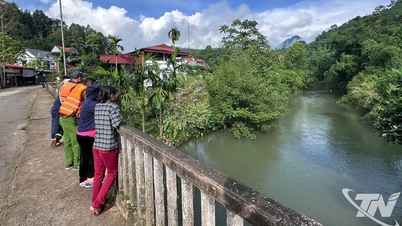
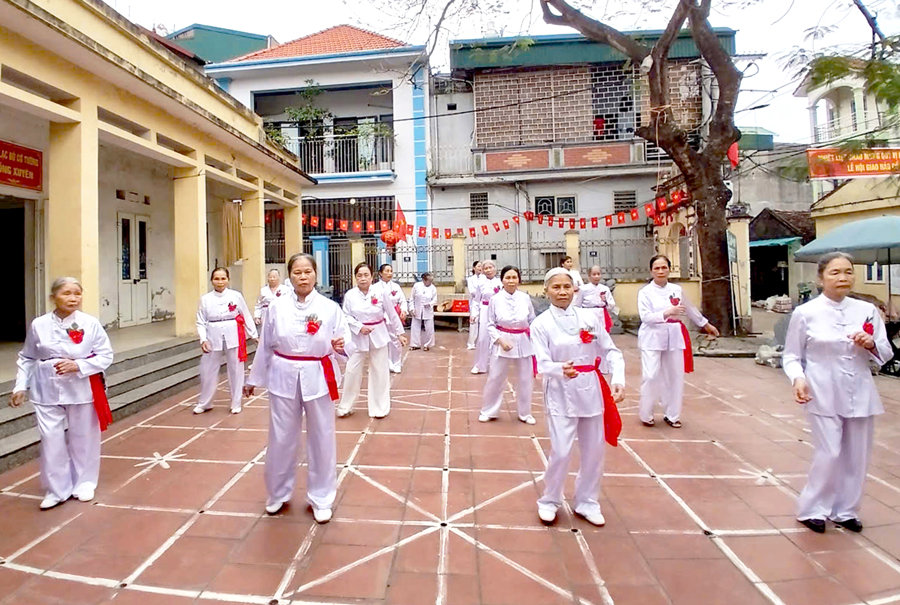
In the context of implementing a two-tiered local government model, many localities are in a position to reorganize resources in a way that is closer to the people and serves the community more effectively. In Dong Anh commune, the review and rearrangement of headquarters after the reorganization of administrative units not only contributes to the efficient use of public assets but also expands community living spaces. Some old headquarters have been converted into cultural centers to serve the people.
According to Nguyen Cong Phuoc, Vice Chairman of the People's Committee of Dong Anh commune, many village cultural centers are currently small in scale and do not meet the needs of organizing increasingly diverse activities. Therefore, utilizing old buildings as cultural centers has received the approval and enthusiasm of the local people.
In Phu Cat commune, the developments following the merger also demonstrate the potential for reorganizing cultural life on a broader scale. Instead of operating in a dispersed manner across different areas as before, the commune government is gradually connecting cultural institutions, creating conditions for people in many villages and residential areas to participate in community activities.
The Dong Thuong village cultural center, with a total investment of over 9.44 billion VND, has just been put into use and is expected to become a hub connecting cultural and sports activities, contributing to strengthening community cohesion. According to Dong Thuong village head To Van Can, the project will contribute to improving the cultural and spiritual life and building a common space for local people.
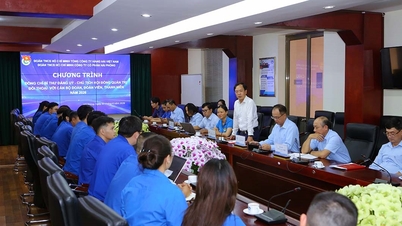
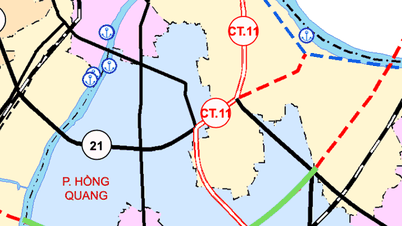
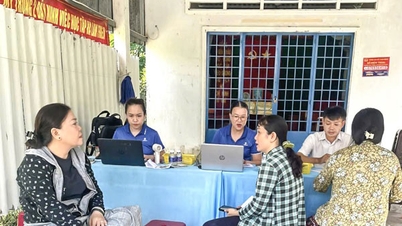
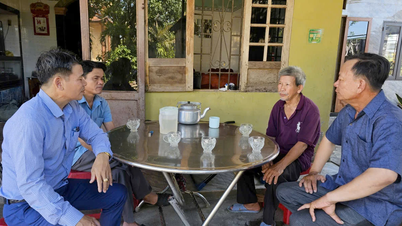
Not only in suburban areas, but also in inner-city wards, the transformation of grassroots cultural life is taking place. After implementing the two-tiered local government model, Hong Ha ward has promoted the role of gathering and uniting the people through activities such as Party branch meetings, neighborhood group meetings, the National Unity Day, and the "Listening to the People" forum... With the active participation of the people, the movement to build a cultured and civilized urban life in the area is becoming increasingly profound.
In Residential Group No. 7, Nhat Tan Ward, Hong Ha Commune, ward-level information is regularly updated on the group's Zalo group, contributing to increased community consensus. According to Mr. Do Van Hien, Deputy Secretary of the Party Branch and Head of Residential Group No. 7, Nhat Tan Ward, the group has mobilized social resources to install 33 surveillance cameras, which both help ensure security and order and raise awareness of environmental hygiene.
Meanwhile, in Residential Area No. 9, Phuc Xa, the environmental protection task force is regularly maintained to encourage residents to dispose of garbage on time and in the designated places, promptly handle accumulated garbage, and contribute to maintaining a green, clean, and beautiful urban landscape.
Laying the foundation for a creative capital city.
Initial developments show that the two-tiered local government model not only creates changes in organizational structure but also opens up new space for community participation in building cultural life. Hanoi Party Secretary Tran Duc Thang affirmed that the results after one year of implementation show that this is a correct policy, suitable to reality.
A new governance model is gradually emerging that is more efficient, closer to the people, and more responsive to their needs; shifting from administrative management to modern governance, from a governing administration to a service-oriented administration, from process-based operation to data-driven operation, while simultaneously shortening intermediate levels in the task implementation process.
However, for grassroots culture to truly become a driving force for development, Hanoi still needs to address long-standing bottlenecks. Despite possessing one of the largest systems of cultural institutions in the country, the effectiveness of their operation in many places is still not commensurate with their potential. The multi-tiered management mechanism prevents the proactive role of the grassroots level from being fully utilized.
The cultural staff largely handles multiple areas such as information and propaganda, family affairs, sports, cultural life building movements, and digital transformation, resulting in a dispersion of resources for organizing community activities. Meanwhile, many amateur arts clubs still operate primarily based on voluntary contributions from members and the dedication of elderly artisans.
The reality in Phuc Loi ward shows that these difficulties still exist. Despite having a Cultural, Information and Sports Center and 34 out of 44 community centers and activity points, some facilities are dilapidated, equipment is not standardized, and the management staff are mostly part-time. According to Bui Anh Tuan, Vice Chairman of the People's Committee of Phuc Loi ward, these are challenges that need to be addressed so that cultural institutions can truly function effectively.
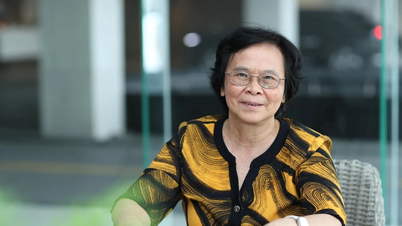
From a research perspective, Professor Dr. Tu Thi Loan, former Acting Director of the Vietnam National Institute of Culture and Arts, has repeatedly emphasized that the community must be the subject of cultural life. Cultural policies are only effective when people directly participate in preserving, practicing, and creating cultural values right in their own communities. This is also the approach that the two-tiered local government model is facilitating.
Few localities simultaneously face two major challenges like Hanoi: preserving cultural values accumulated over thousands of years of history while meeting the demands of a modern megacity. Therefore, restructuring grassroots cultural life is not only aimed at addressing immediate shortcomings but is also directly linked to the capital's long-term development strategy in the implementation of the 2024 Capital City Law, the development of the cultural industry, and the fulfillment of commitments to the UNESCO Creative Cities Network. The foundation of this process remains the community – where culture is practiced daily, behavioral norms are formed, and social cohesion is sustained.


This requires a shift from a "cultural management" mindset to a "cultural governance" mindset, considering the people as the subjects, while the government plays a facilitating and supportive role. At a meeting with the Central Steering Committee on the first year of implementing the overall organizational model of the three-tiered political and local government system, General Secretary and President To Lam emphasized the crucial requirement for the next phase: not just reducing administrative layers, but also focusing on improving service capacity and ensuring the smooth and efficient operation of the system.
It can be said that the operation of a two-tiered local government model is opening up important opportunities for Hanoi to restructure cultural life at the grassroots level towards a more modern, flexible, and people-oriented direction. If this opportunity is well utilized, cultural centers will not only be meeting places but also become spaces for creativity and community connection; cultural and artistic clubs will have more opportunities to develop; and local governments will gradually shift from a managerial role to a proactive one.
The success of the model is measured not only by the number of tasks transferred or organizational changes, but also by the quality of cultural life in each residential area. When culture is nurtured within the community, Hanoi will have an important endogenous resource for sustainable development in the future.
Source: https://hanoimoi.vn/chinh-quyen-dia-phuong-hai-cap-mo-co-hoi-tai-cau-truc-doi-song-van-hoa-co-so-1209570.html