


Poster in support of World No Tobacco Day, May 31st.
According to the WHO, the cultivation, production, and use of tobacco are linked to food insecurity and poverty. The WHO calls on countries to promote activities that raise public awareness of the harmful effects of tobacco on health, the economy , the environment, food security, and nutrition; encourage farmers to switch from tobacco to suitable crops; highlight the link between tobacco and poverty; and urge smokers to quit smoking to save money for food.
Tobacco use is one of the causes of poverty.
Tobacco use leads to chronic diseases that require expensive treatments and premature death, placing a significant financial burden on families. Spending on tobacco affects the meager incomes of the poorest households. Furthermore, tobacco use contributes to hunger and food insecurity because resources that should be spent on food are diverted to tobacco and the treatment of tobacco-related illnesses.
According to the WHO, smoking causes many chronic and incurable diseases and is the leading preventable cause of death. Tobacco smoke contains approximately 7,000 chemical substances, 69 of which are carcinogens, and is responsible for 25 different disease groups, including 11 types of cancer, cardiovascular diseases, respiratory diseases, and reproductive health problems in both men and women. It is estimated that one in two smokers will die prematurely, with half of these deaths occurring in middle age.
Besides health hazards, tobacco use also causes economic losses to individuals, families, and society, including spending on cigarettes, costs for medical examinations and treatment related to smoking, reduced/lost productivity due to illness and premature death, and losses from fires caused by smoking. According to WHO estimates, the global economic loss due to tobacco is $1.4 trillion annually.

Launching a campaign to raise awareness about the harmful effects of tobacco. (Illustrative image)
Growing, producing, and using tobacco – a vicious cycle of poverty and disease.
The cultivation, production, and use of tobacco are linked to food insecurity and poverty. Tobacco cultivation occupies large areas of land that could be used for growing food crops.
Globally, approximately 3.5 million hectares of land are converted to tobacco cultivation each year. Nine of the ten largest tobacco-producing countries in the world are low- and middle-income countries, including four that are identified as experiencing food insecurity. If tobacco-growing land could be used for food crop cultivation, it would contribute to achieving the second Sustainable Development Goal of the United Nations: “Eradicate hunger, ensure food security, improve nutrition and promote sustainable agricultural development.”
Tobacco also causes deforestation and environmental pollution. Every year, approximately 5% of forest area is destroyed to grow tobacco and for wood used in tobacco processing. It is estimated that 18 billion trees are needed annually for fuel to dry tobacco. Tobacco use releases between 3,000 and 6,000 tons of formaldehyde, between 12,000 and 47,000 tons of nicotine, and between 300 and 600 million kilograms of toxic waste from cigarette butts into the environment each year.
Tobacco cultivation requires the extensive use of pesticides and fertilizers, which is one of the causes of land degradation, leading to faster nutrient loss compared to other crops, and exacerbating food insecurity as the land becomes unsuitable or less efficient for growing food crops.
The cultivation, production, and use of tobacco affect our water sources, soil, beaches, and streets with chemicals, toxic waste, cigarette butts (including microplastics), and e-cigarette waste.
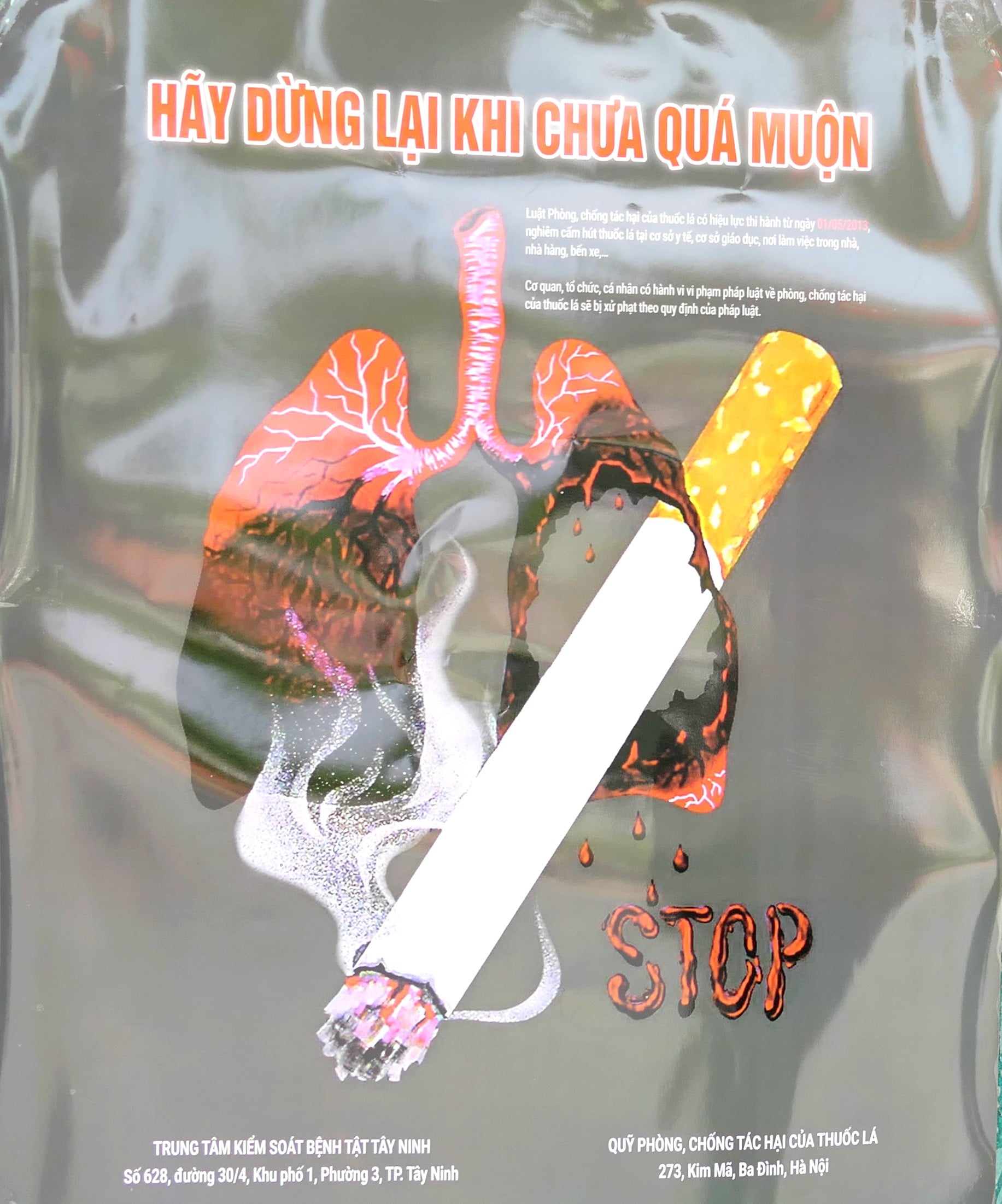
A poster promoting awareness about preventing the harmful effects of tobacco.
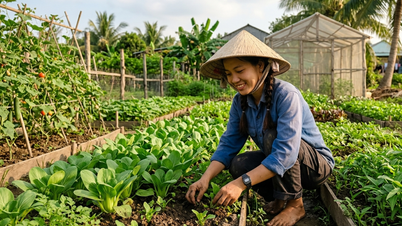
Encouraging farmers to "grow food, not tobacco."
On this year's World No Tobacco Day – May 31, 2023 – the WHO outlined a strategy to reduce the area of tobacco cultivation while increasing the area of food crop cultivation. With the campaign "Grow food, not tobacco," the WHO not only aims to improve global health by reducing smoking but also hopes to partially address the ongoing food crisis around the world.
The campaign aims to encourage governments to stop subsidizing tobacco cultivation and increase support for farmers to switch to growing crops that improve food security and nutrition, leading to more sustainable livelihoods.
In addition, appropriate policies and strategies should be developed to provide support for economically viable alternative activities for tobacco growers; and to raise awareness among tobacco growers about the harms of tobacco cultivation and the benefits of switching to suitable crops.
Increasing tobacco taxes to a high level encourages smokers to quit and prevents young people from starting to smoke. Imposing an excise tax on tobacco at 70%-75% of the retail price significantly reduces tobacco use and protects public health.
The WHO calls on leaders, researchers, social activists, and communities to work together to prevent and combat the harms of tobacco and new tobacco products (e-cigarettes, heated tobacco products, shisha, and other new tobacco products). This includes preventing the initiation of heated tobacco products and e-cigarettes; strengthening communication about the harms of tobacco and new tobacco products; and preventing unfounded conclusions about the safety of these products.
Some effective tobacco control measures proposed by the WHO include: creating smoke-free environments; enforcing bans on advertising and promoting tobacco products, including direct and digital advertising on the internet; increasing tobacco taxes; strengthening strict control over wholesale and retail sales of tobacco products; increasing the area for printing health warnings; and integrating and strengthening smoking cessation programs into national and other health programs.
According to 2018 data from the Southeast Asia Tobacco Control Alliance (SEATCA), Vietnam is one of the three ASEAN countries with the largest tobacco cultivation area and the highest number of people involved in tobacco farming, alongside Indonesia and the Philippines. It is estimated that Vietnam has 14,651 hectares of tobacco and approximately 220,000 people involved in the cultivation process.
Yen Khue
Source link






























































































Comment (0)