Facebook helps us connect and share with many people in our lives, but are we becoming too dependent on it?
Ms. NTPT, who works at a university in Ho Chi Minh City, recounted the first thing she and her mother talked about early this morning, March 6th, upon waking up: "The meta is down," "Facebook and Instagram are inaccessible."
Ms. PT's daughter, a 10th-grade student, said that her group of friends had "gone into a frenzy, switching from Instagram and Facebook groups to Zalo, and then exchanging everything via email…". But this incident also turned out to be a fortunate coincidence as the group was performing a play titled "When the Internet Dies." The outage that prevented users from accessing Facebook last night also gave the students a deeper understanding. She also discussed with her mother the consequences, especially the fate of content creators, what they would do, and how traumatized they would be if the "internet ceased to exist."
We cannot deny the value that social media is bringing.
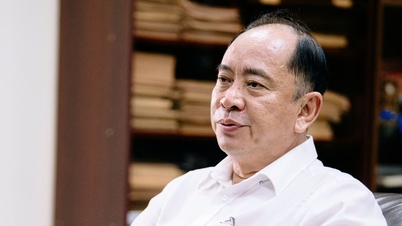
Mr. Le Hoang Phong, founder and academic director of the Your-E education and training organization, observes that Facebook in particular, and social media in general, are very popular today. Many people know how to utilize social media to get closer to their goals, joining groups to learn and develop themselves.
The advent of social media has also changed the concept of friendship. Friendships among students are no longer limited to classmates or schoolmates; they can extend beyond borders. The definition of "online friendship" emerged. It simply means getting to know each other through online groups, finding shared interests, habits, goals, etc., and clicking the "add friend" button.
But what about the problems with social media?
Many people waste too much time on social media for entertainment. The problem that Le Hoang Phong realized was that communication among students is gradually shifting from in-person to online more and more.


This means that young people connect through "Reels" and "Story" on Facebook, using short videos to express their thoughts. Gradually, many students feel they "prefer communicating in virtual spaces to communicating in real spaces." This is because they feel they don't need to meet face-to-face and are isolated by physical space. However, the more this method of communication is abused, the more young people lack the skills to handle real-life situations, and their life skills gradually deteriorate…
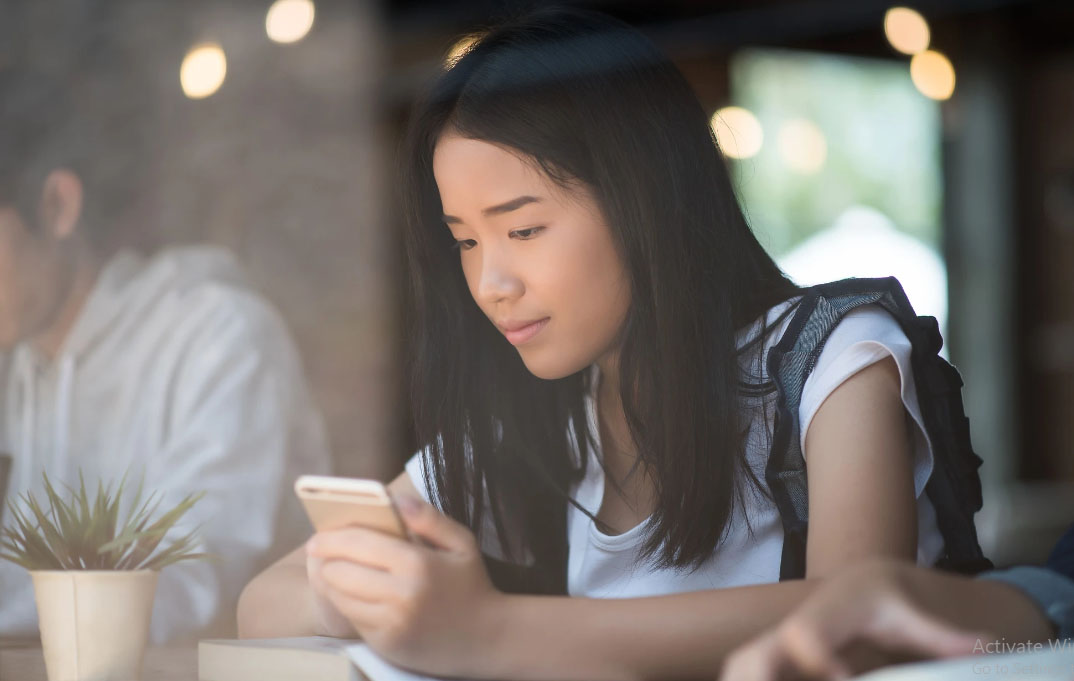
Many people may suffer from FOMO, the psychological fear of missing out on exciting experiences that others are enjoying.
Professor Le Hoang Phong mentioned the FOMO (Fear of Missing Out) syndrome, a common psychological phenomenon among young people in large cities with strong Wi-Fi coverage. This syndrome can be understood as young people experiencing the fear of missing out on exciting and attractive things that others have already experienced.
Anxiety makes you constantly want to stay updated on your friends' and other people's activities, so you don't miss out on what they're doing... And with increasingly sophisticated social media algorithms, your Facebook screen will be flooded with topics you're interested in and frequently view, making it impossible for users to tear themselves away.
"If social media were to disappear one day, how would we live?"
Ms. Nguyen Thi Song Tra, Director of TH Education and Training Company Limited (Ho Chi Minh City), said that not only students, but also working professionals, teachers, salespeople, etc., are now spending a lot of time on social media platforms. At the same time, we also frequently connect with family members through social media. The issue is that we need to control when we should be working on social media and how we should use these platforms.
"Incidents like the Meta outage last night (5.3) that made Facebook inaccessible raise a question for us: have social media users ever wondered: How would we live without social media? Without Facebook, we have many other channels to connect with each other. But if one day, all social media platforms collapse, how will we study and work in the most optimal way?", Ms. Nguyen Thi Song Tra raised the issue.
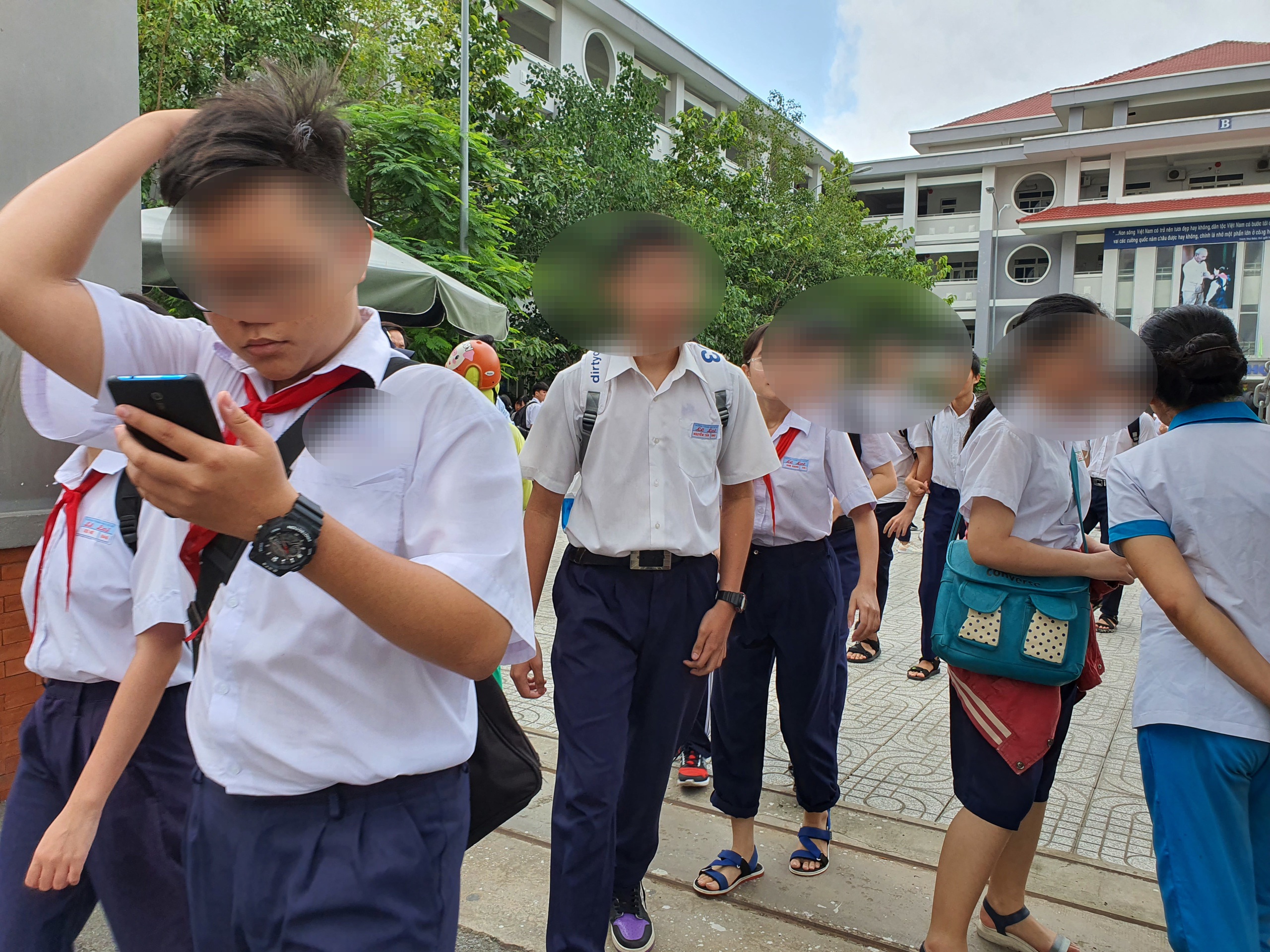
The internet and social media cannot replace real-life connections.



Ms. Song Tra shared a story that had been bothering her for a long time. She pointed out that many people have a habit of going on Facebook to congratulate and express their love to someone, but in real life, they don't talk to each other or show any signs of care. Is that okay?
"I think that students – who use Facebook a lot these days – need guidance on how to use social media in the most appropriate way. Especially since social media doesn't allow users under 13, many students still use it secretly. We need to address the issue of parental supervision. Whether intentionally or unintentionally, allowing students under 13 to use Facebook and other social media will have many consequences that we cannot yet control," Ms. Tra shared.
In reality, life goes on, everything flows smoothly, whether Meta fixes the Facebook issue or not. As NTPT, an educator and mother of a 16-year-old, said, the generation of young people like her child is growing up, the world of students today is completely different from hers in the past, and her child's dreams are different too.
The value of the internet is undeniable; it has opened up new and different perspectives. People's viewpoints, especially those of the younger generation, are vastly different. Most importantly, for both my daughter and me, and for many others, we've realized that the internet and social media can never replace real-life connections, real conversations, farewell hugs, farewell waves, or conversations about any topic, when we can still be together…
Source link