Closing the door on familiar paths
As reporters for the local Party newspaper, we had more opportunities to go to the grassroots. In the old city of Da Nang , I practically infiltrated every area, from the most remote villages like Ta Lang, Gian Bi, and Phu Tuc, to residential areas with a maze of narrow alleys like the Tam Giac area, or even the "alley-free" wards of Hoa Xuan and Nai Hien Dong...
After more than 15 years of work, I've become "a grassroots person," as some colleagues jokingly say about the job. Looking at those "destinations," everyone used to praise the local newspaper reporters' close attention to the grassroots and their diligence in going out to see them.
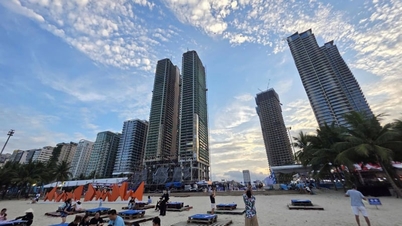
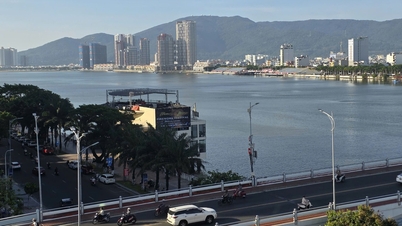
But with the administrative boundaries merged, Da Nang became a large city with expansive spaces, stretching from the borderlands to the far-flung islands. And we asked ourselves, do our old destinations no longer seem so far away?
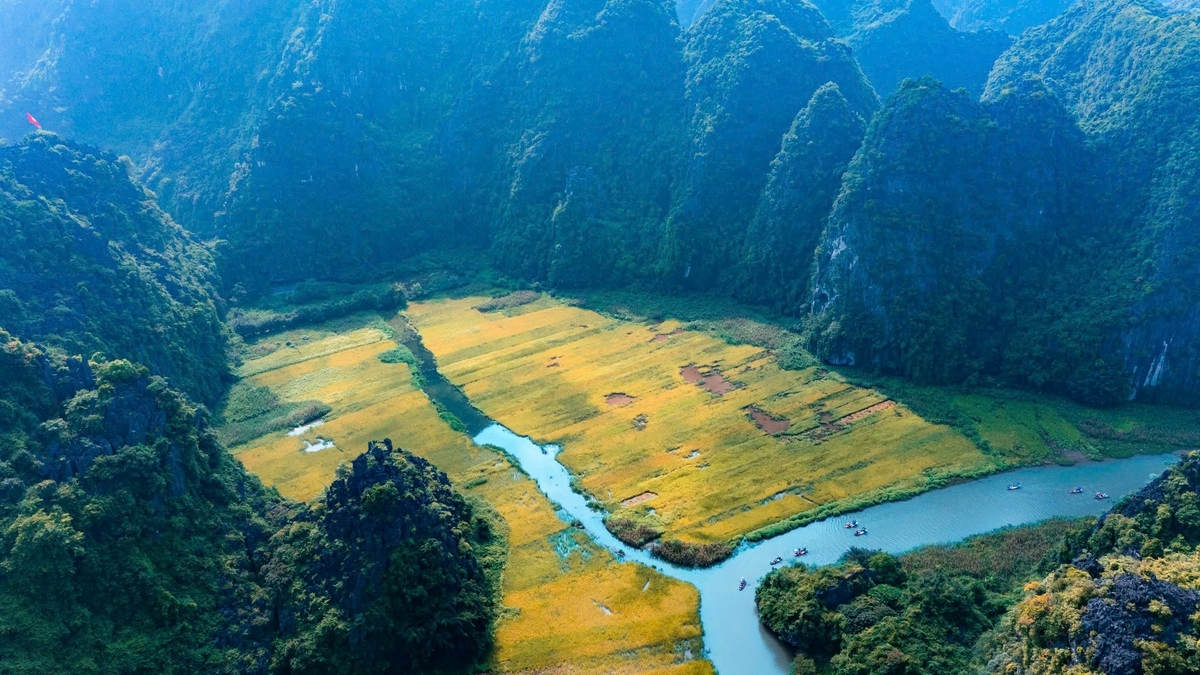
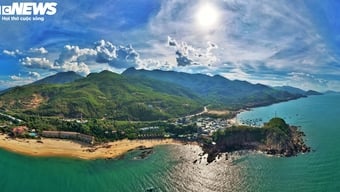
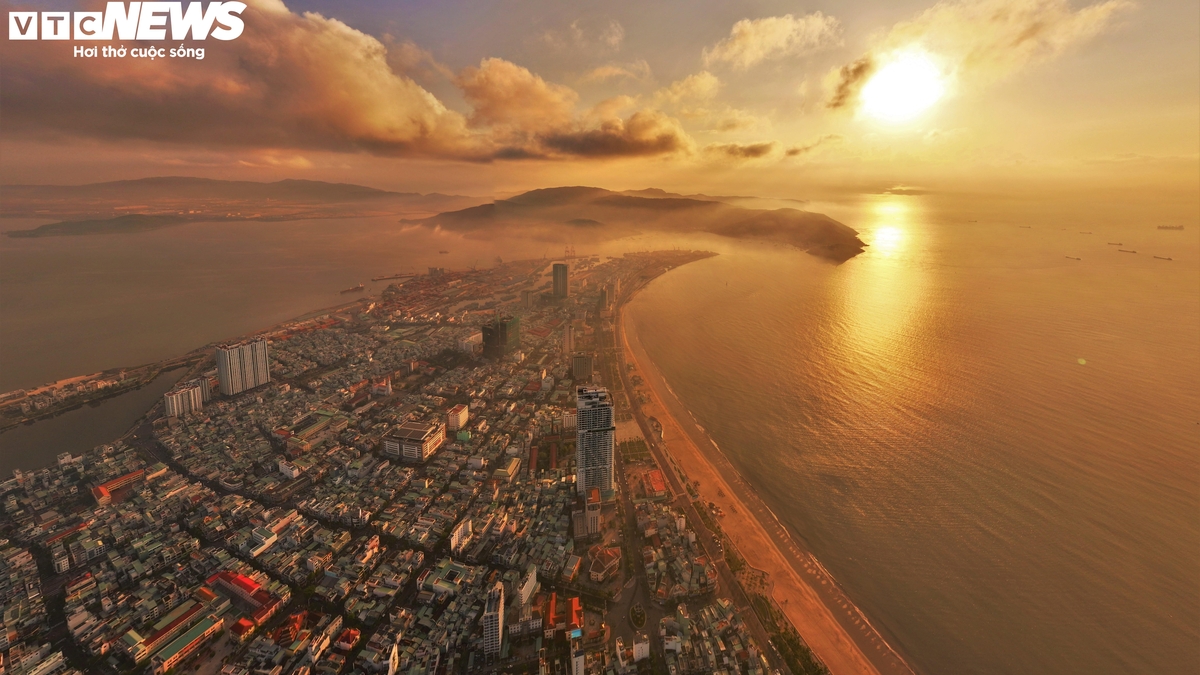
New Da Nang boasts a diverse topographical ecosystem, ranging from the high mountains in the west (Truong Son mountain range, Ngoc Linh mountain system), the midland and coastal plains, to a dense network of rivers (Thu Bon River, Vu Gia River, Han River) and bays, lagoons, and a long coastline.
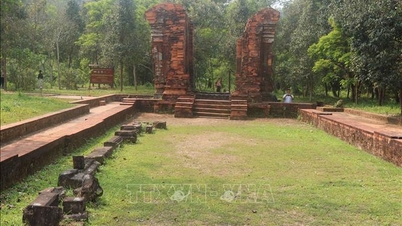
Furthermore, the blend of a modern, dynamic (old) Da Nang and a profound, culturally rich (old) Quang Nam creates a unique cultural landscape. The new Da Nang is a rare city that simultaneously possesses both World Cultural Heritage sites (Hoi An Ancient Town, My Son Sanctuary) and intangible cultural heritage (Bai Choi art), combined with the modern and dynamic urban architecture of the former administrative center.
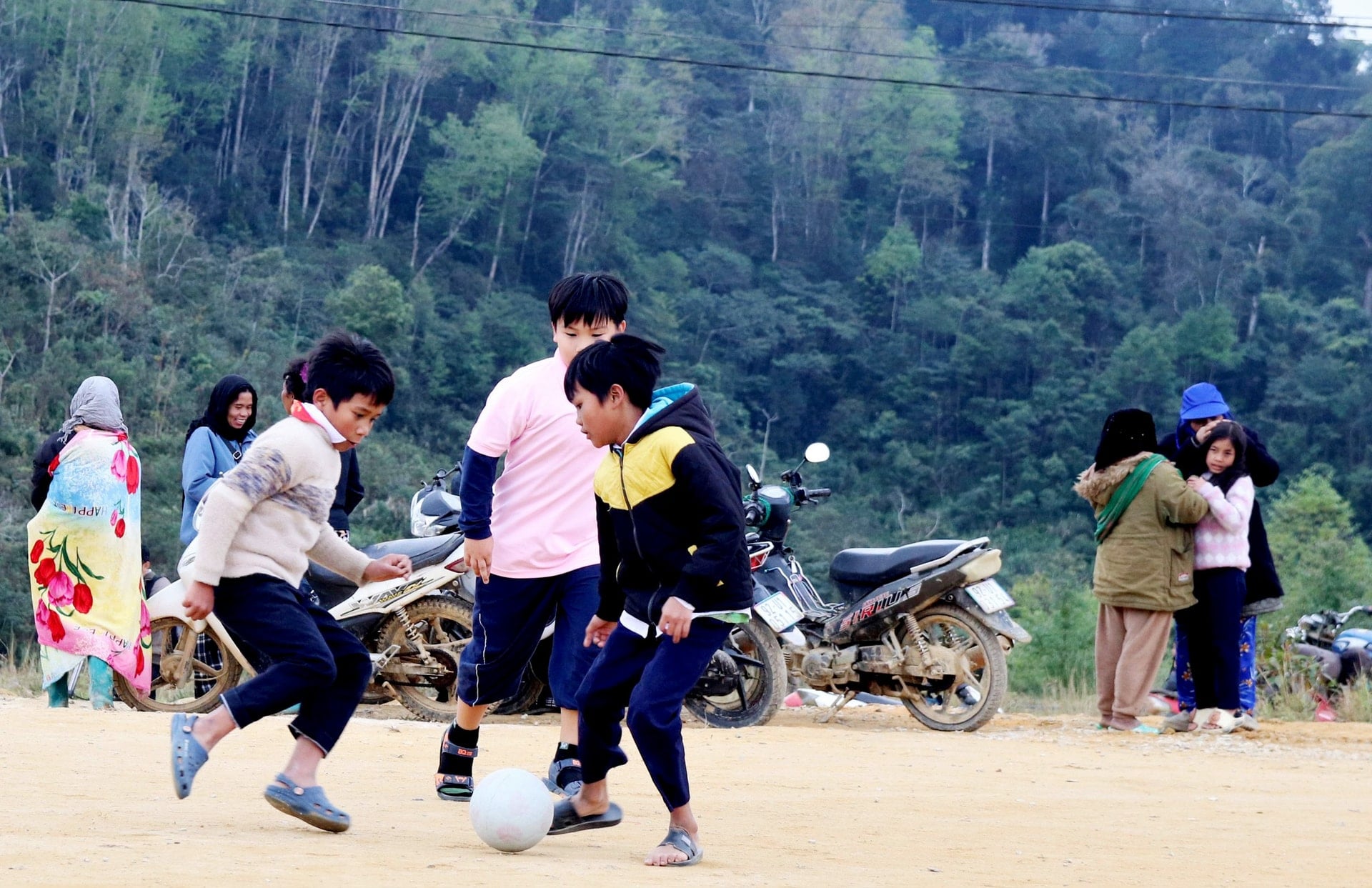



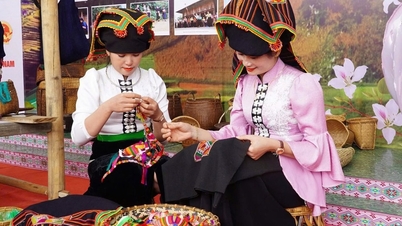
The new Da Nang is no longer purely a coastal urban area. The city is now a shared home for many ethnic minority groups in the western mountainous districts (Co Tu, Xo Dang, Gie Trieng, Cor...), enriching the local folk culture, traditional festivals, and customs.
The merger has transformed Da Nang from a "compact" city representing a small development hub into a megacity with ample space, resources, cultural depth, and economic strength, aiming to become a key growth pole for the nation and a major socio-economic center of Asia.
Deputy Secretary of the City Party Committee Nguyen Dinh Vinh, formerly Editor-in-Chief of Da Nang Newspaper, occasionally met me at some city events after the merger. He would ask me if I had traveled much, where I had been, and then encourage me to travel more to experience the vast new city, both in terms of distance and the depth of culture, regional identity, and the lives of people in all parts of the city.
I also believe that, in order for journalistic works in local Party newspapers to reach readers, they must truly reflect the vibrant life of the new city, with its diverse cultures, regions, and overall scope; thereby spreading the city's policies and guidelines to the people, from the most remote villages to the border and islands of Da Nang today.

Length and width of the baseline routes
My first trips after July 1st, 2025 were to the communes of Tay Giang, Song Kon, Avuong, and Hung Son. Next came the communes of Viet An, Hiep Duc, Son Cam Ha, Tien Phuoc, Phuoc Hiep, Phuoc Tra, Phu Thuan, Vu Gia, Dai Loc, and finally Ban Thach, Nui Thanh, Dac Pring, and La Deee…
Although my trips haven't been long enough to fully understand the unique cultural characteristics of each region, they have helped broaden my horizons and show me just how vast Da Nang truly is.
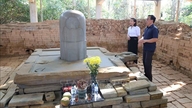


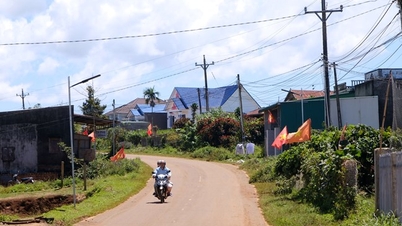
The bumpy and treacherous National Highway 14D leading to the border communes of Dak Pring and La Deee; the unfinished National Highway 14E; and the chillingly steep road to Hung Son commune, bordered by mountains on one side and a ravine on the other, which has been eroded and is now only wide enough for one lane of traffic. And the people in the remote and isolated communes of newly established Da Nang still face immense hardship and deprivation.
Now, my phone's contact list has grown longer, with more and more people needing to contact local authorities in the city's newly established wards and communes. The number of times I wake up in the middle of the night to prepare for day trips to border communes, or overnight stays in remote areas of the city, has increased. But because I'm "working on news," these trips seem too rushed and hurried.
I've always dreamed of taking trips to remote villages and small coastal hamlets to have enough time to feel the village atmosphere in this new city, to truly see how vast and expansive my city really is.
Source: https://baodanang.vn/chung-toi-duoc-di-xa-hon-3341253.html
![[Photo] General Secretary and President To Lam attends the Central Public Security Party Committee Conference](https://vphoto.vietnam.vn/thumb/1200x675/vietnam/resource/IMAGE/2026/06/24/1782302063612_a1-bnd-9302-9166-jpg.webp)
![[Photo] The 13th National Congress of the Youth Union conducts personnel work.](https://vphoto.vietnam.vn/thumb/1200x675/vietnam/resource/IMAGE/2026/06/24/1782299943080_ndo_br_1-6868-jpg.webp)
![[Photo] Opening Ceremony of the 13th National Congress of the Ho Chi Minh Communist Youth Union](https://vphoto.vietnam.vn/thumb/1200x675/vietnam/resource/IMAGE/2026/06/24/1782286753905_ndo_br_1-8510-jpg.webp)