

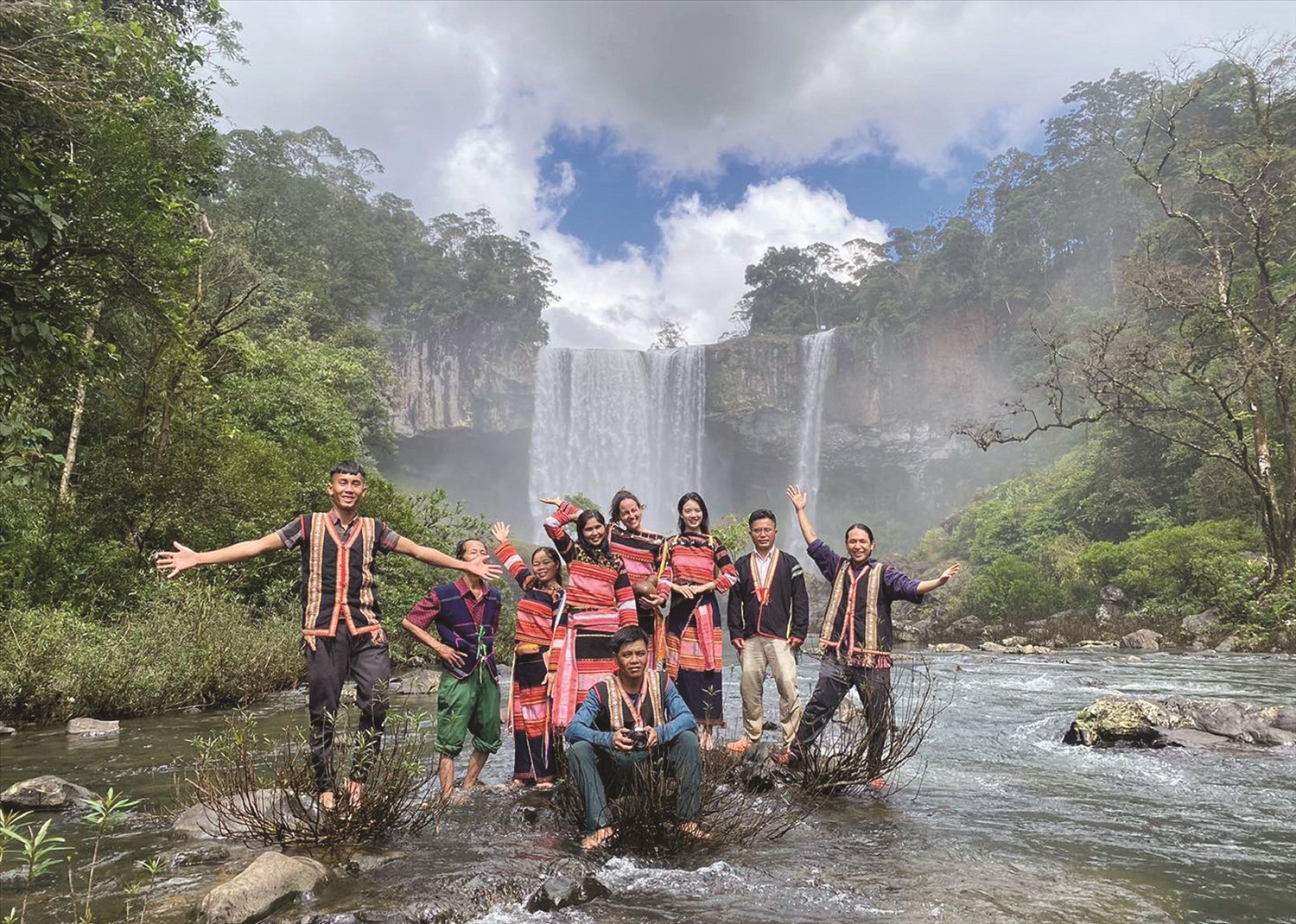
Changes in the "forest of girls"
Place names like Son Lang, Dak Roong, and Ha Nung in Kbang district, Gia Lai province, sound distant and remote at first glance. After the liberation of South Vietnam, the 332nd Division of the 5th Military Region was established to carry out economic and defense tasks in Gia Lai. In 1984, the 332nd Division was transformed into the Kon Ha Nung Forestry and Industrial Union, managed by the Ministry of Agriculture. Later, the Union was dissolved, and all eight forestry farms were transferred to the province.
However, at that time, in preparation for the construction of the forestry farms, nearly 5,000 people from all over were brought to Son Lang, more than half of whom were women. Back then, the Lap Station Forestry Team had 40 young women whose job was to clear the forest, clean up the forest, and live together. All of them were in their twenties. It was they who left behind the best days of their lives here so that today the mountains and forests could have such a vast expanse of green. Many people still call these green forests now "the girls' forest," as if to commemorate that era.
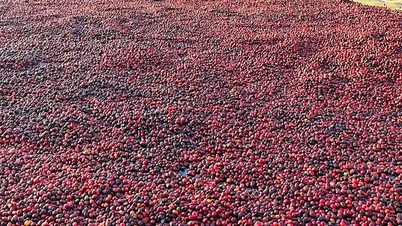
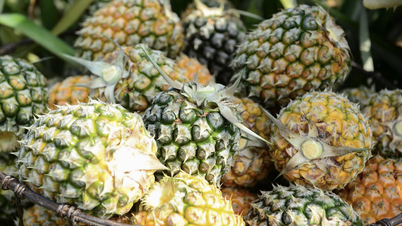
Over the years, Son Lang has become a strong agricultural economy with nearly 1,300 hectares of coffee plantations, and the cultivation of various fruits such as oranges, tangerines, guavas, avocados, papayas, durians, and macadamia nuts. Currently, in the commune, people intercrop durian trees on more than 10 hectares of coffee plantations.
Over the years, Son Lang has become a strong agricultural economy with nearly 1,300 hectares of coffee plantations, and the cultivation of various fruits such as oranges, tangerines, guavas, avocados, papayas, durians, and macadamia nuts. Currently, in the commune, people intercrop durian trees on more than 10 hectares of coffee plantations.
Currently, Son Lang is focusing on implementing comprehensive rural development, improving the quality of life for its people by simultaneously implementing three national target programs. Along with that, with various funding sources from target programs and projects of the central government and the province, the district has focused on investing in and building infrastructure, developing model projects in culture and agriculture, promoting traditional cultural forms, reviving festivals, and preserving and exploiting the cultural values of ethnic groups for community tourism.
Prospering thanks to forest tourism.
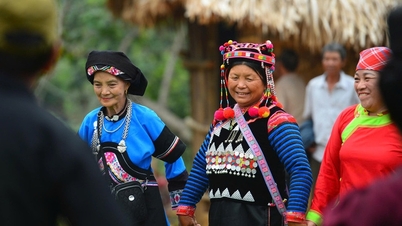
Thanks to its unique natural resources and traditional culture, the people of Son Lang are now more prosperous thanks to tourism. Over the past three years, the Kon Chu Rang Nature Reserve Management Board has invested in a 1.2-meter-wide concrete road leading to the waterfall. Along with providing support for its staff, the Kon Chu Rang Nature Reserve also helps young people of the Ba Na ethnic group in neighboring areas of Son Lang earn income through "forest tourism" tours.
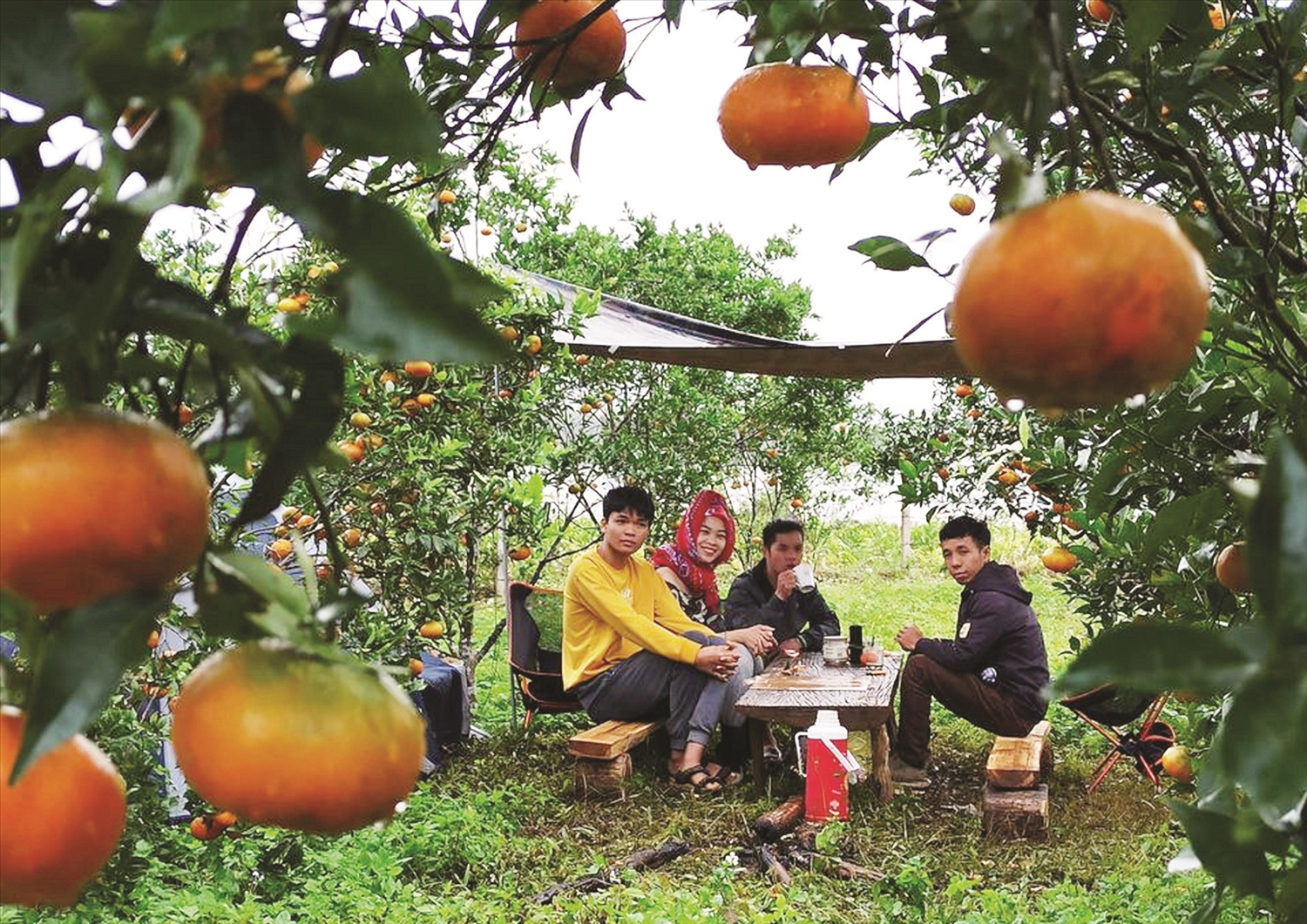
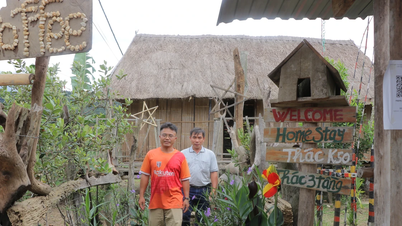
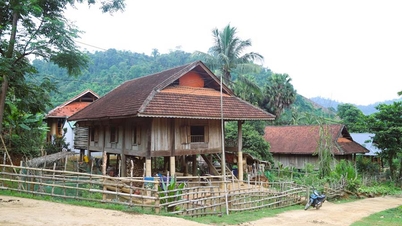
Mr. Dinh Van Quy, Party Secretary and Head of Dak Asel village, Son Lang commune, is a pioneer in community tourism, helping to create jobs for many rural workers. Since Mr. Quy guided them in developing tourism, the villagers have not only found employment and increased their income but have also contributed to promoting the natural landscape and the cultural identity of the Ba Na ethnic group to tourists from near and far. To date, Dak Asel village only has 6 poor households remaining.
Similarly, Mr. Ksor Nghin, a teacher at Kon Ha Nung Secondary and High School, is also a local tour guide, leading trips through the Kon Chu Rang old-growth forest. He established a tourist service group of 10 members from the Ba Na ethnic group, including teachers and farmers, providing them with a stable income of 5-6 million VND per person per month. Tourism not only creates livelihoods for the people but also helps them realize the importance of protecting natural resources and preserving the natural environment.
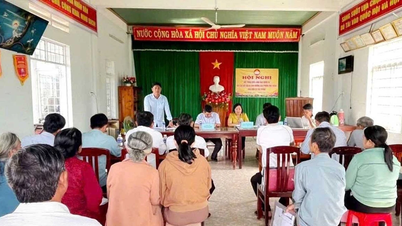
According to the leaders of Son Lang commune, the goal by 2025 is to strive to reduce the poverty rate in the commune to below 5%, with the poverty rate among ethnic minorities to below 7%; to strive to achieve the advanced new rural commune standard by the end of 2025; to maintain and consolidate the new rural village of Ha Nung and to build Dak Asel village to meet the new rural village standard by the end of 2025.
A pioneer in community tourism in Dak Asel village.


















































































Comment (0)