

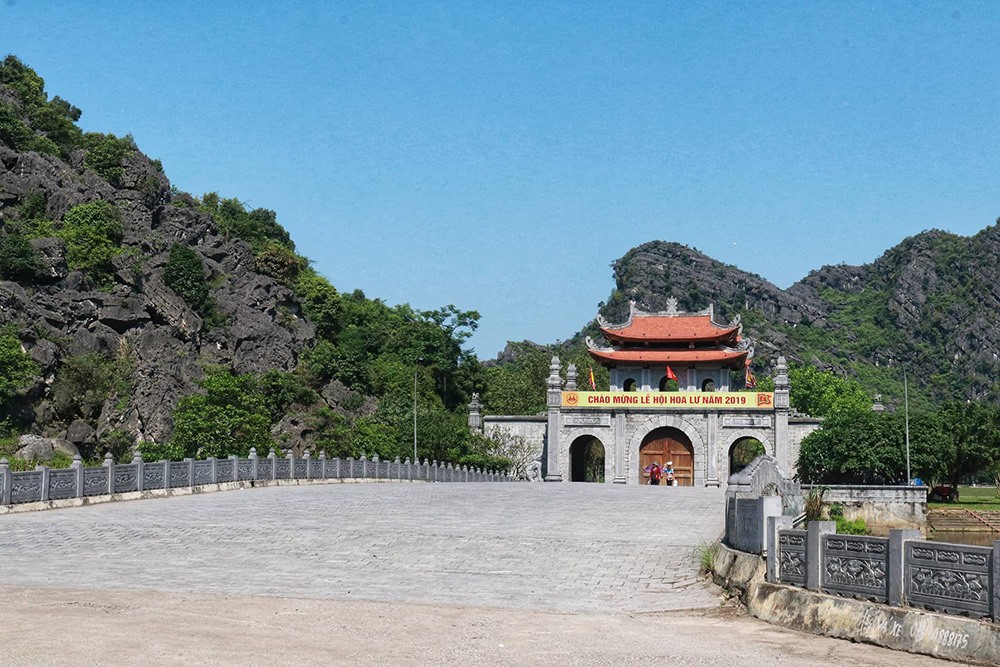
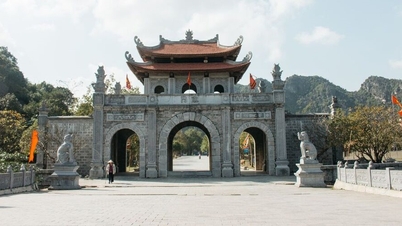
Entrance gate to Hoa Lu Ancient Capital. Photo: PV.
Hoa Lu Ancient Capital was chosen as the capital of Dai Co Viet for 42 years. Although this period was relatively short, many events related to the destiny of the country and its people took place here.
This was also a strong military stronghold for three consecutive dynasties in history: the Dinh, Early Le, and Ly dynasties, from the reign of King Dinh Tien Hoang to King Ly Thai Tong.
For nearly ten centuries, the ancient capital of Hoa Lu has retained its majestic and serene character with more than 30 historical relics. Among them, two important relics are the temple dedicated to King Dinh Tien Hoang and the temple dedicated to King Le Dai Hành.
Surrounding the tourist area are also several ancient temples and pagodas dating back thousands of years, which hold a special attraction for both domestic and international tourists.
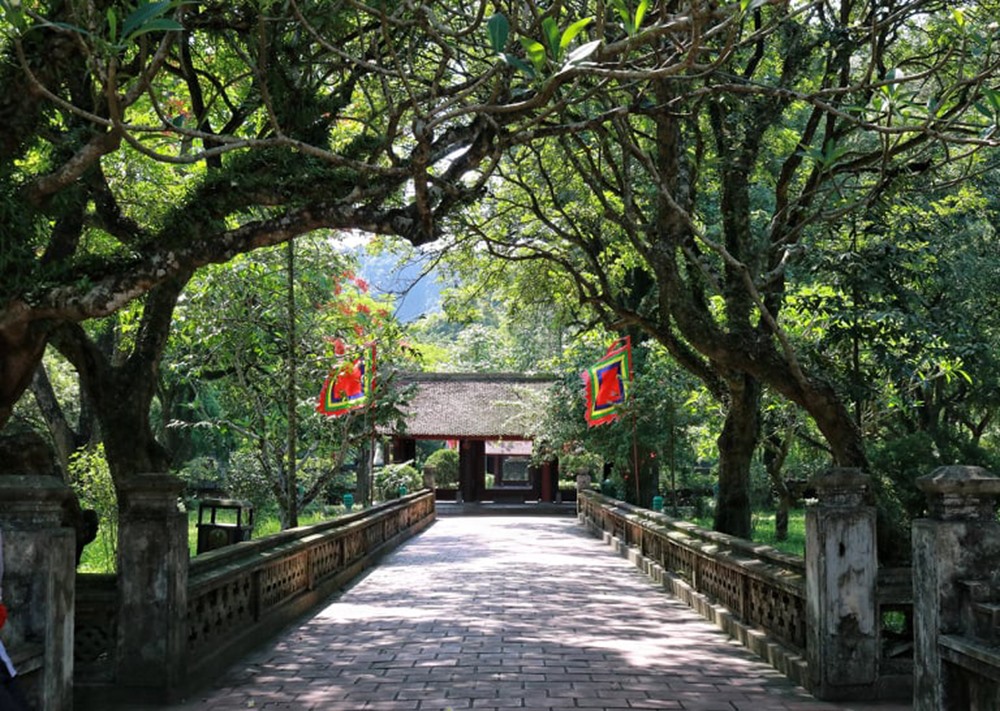
The entrance to the temple dedicated to King Dinh Tien Hoang is shaded by lush green trees.
The temple dedicated to King Dinh Tien Hoang was built in the "inner courtyard, outer enclosure" style, located a few hundred meters from the foot of Ma Yen mountain.
Over more than four centuries, the temple has retained its majestic and ancient charm with exquisite architectural features: the main gate, the inner ceremonial gate, the outer ceremonial gate, etc.
In front of the main temple entrance stands a dragon throne made of a single block of green stone, intricately carved with exquisite patterns.

The temple dedicated to King Dinh, built in the 17th century, is ancient and solemn, bearing the distinct mark of time.
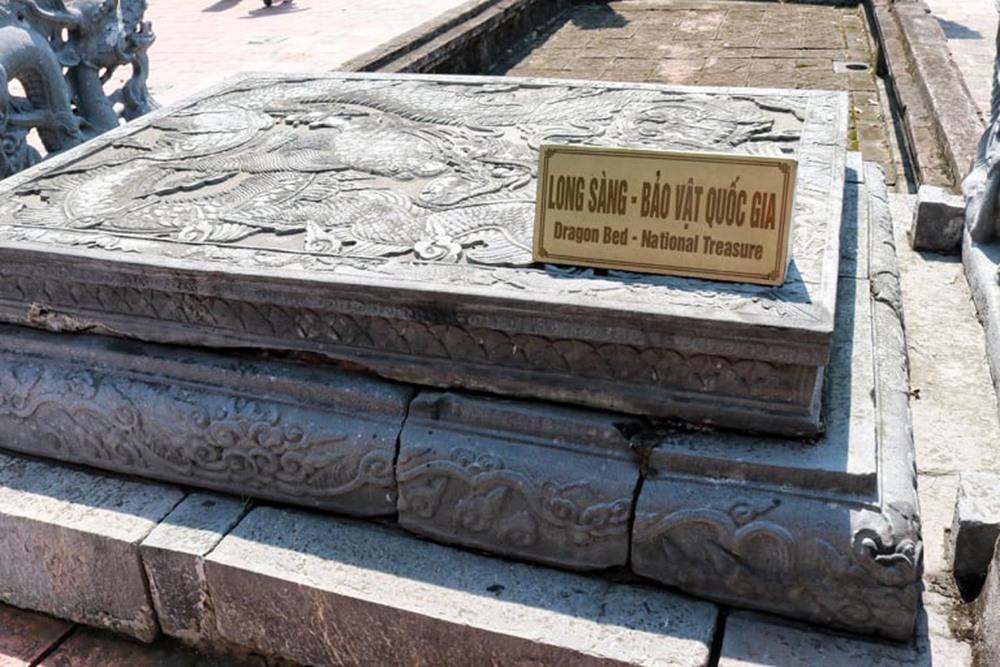
In front of the temple dedicated to King Dinh Tien Hoang, the Long Sang stone platform is displayed; it has been recognized as a national treasure.
Not far from the temple of King Dinh is the temple of King Le Dai Hanh (Le Hoan). Le Hoan was a skilled general under the Dinh dynasty, who contributed to suppressing rebellions and unifying the country, so he was appointed "Ten-Route General" by King Dinh. He ascended the throne after King Dinh's death, beginning the Early Le dynasty.
In the ancient Le Dynasty palace, there are three statues: Emperor Le Dai Hanh seated on a throne in the central chamber, Empress Duong Van Nga in the left chamber, and King Le Long Dinh in the right chamber.
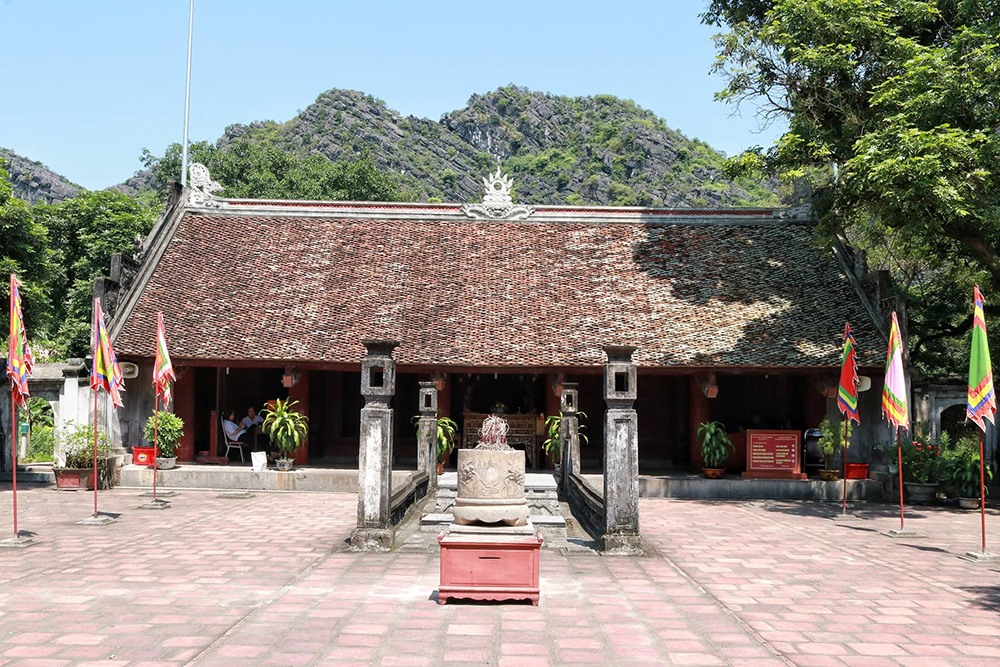
The temple dedicated to King Le Dai Hanh was built on the site of the former main palace.
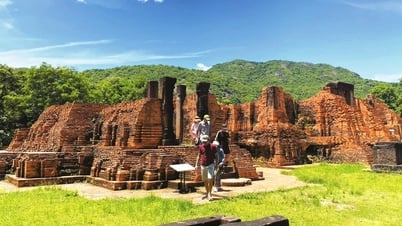
The Le Dynasty temple still preserves many traces of elaborate and skillful ancient architecture. Here, archaeologists have discovered many remnants of old palace foundations along with numerous ceramic artifacts dating back nearly a decade. These artifacts are currently preserved and protected in the museum within the temple complex.
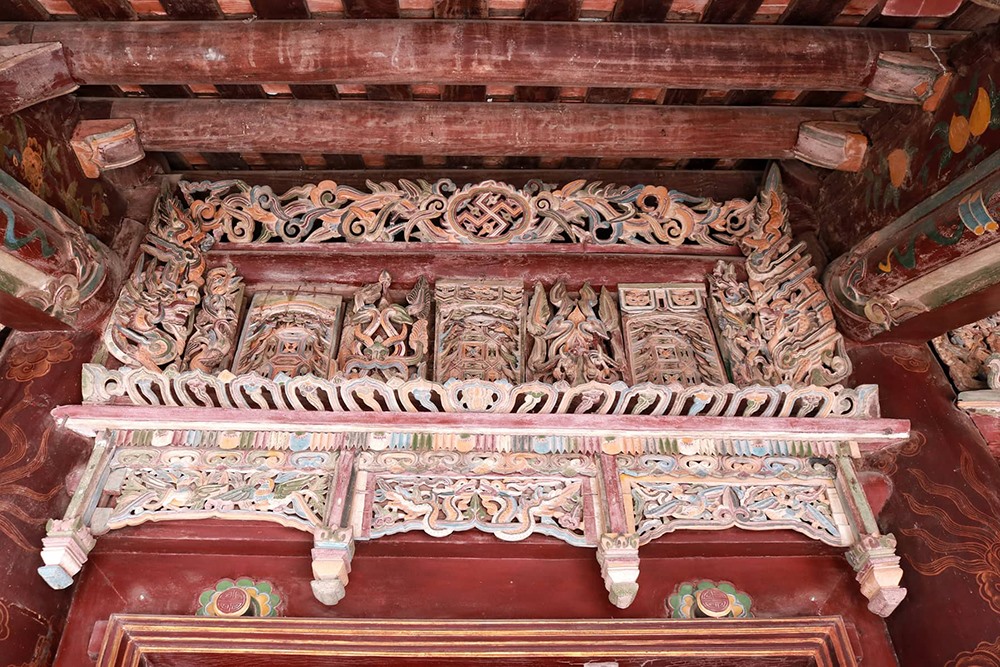
The architecture of the temple dedicated to King Le is unique and exquisite.
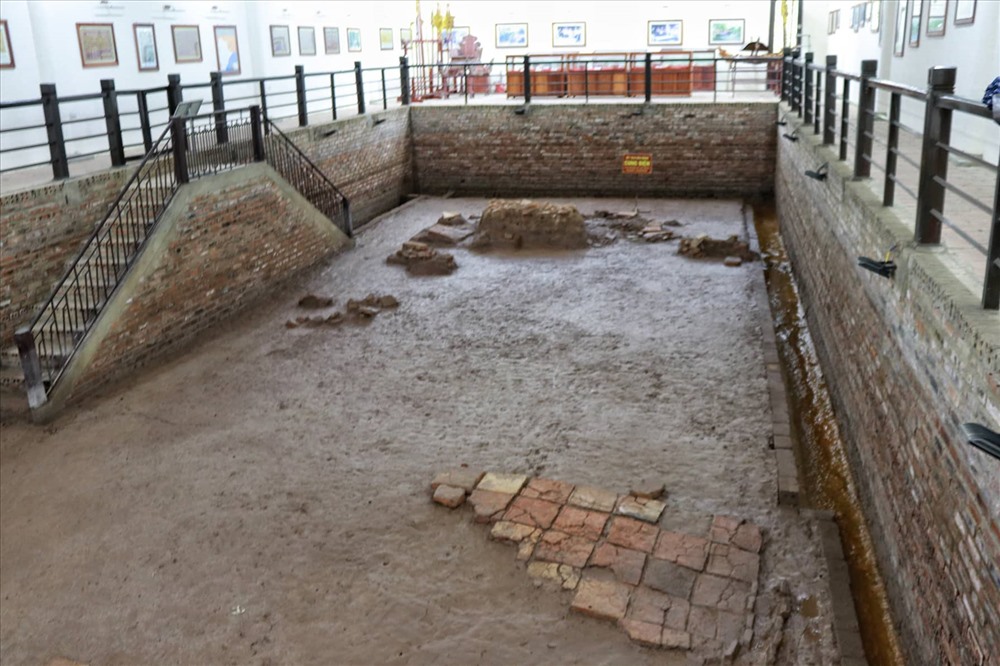
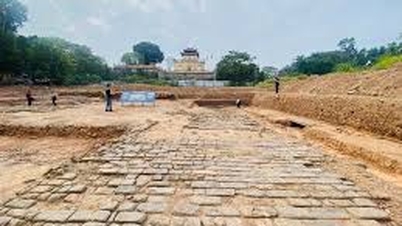
The ancient foundations of the old capital were discovered by archaeologists during excavations.
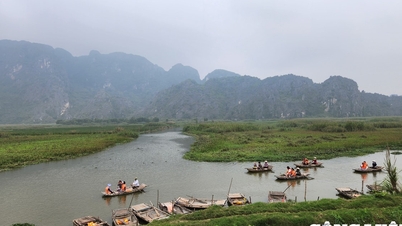
In Hoa Lu Ancient Capital, visitors can not only immerse themselves in the scenery surrounded by mountains on all sides but also admire the historical relics of this ancient capital.
From there, one's understanding is broadened, and one can express their appreciation for the ancestors who contributed to building and defending the nation.
The ancient capital of Hoa Lu is not only a particularly important national historical site, but it is also one of the three areas that make up the Trang An scenic complex, a UNESCO World Heritage site, the first "dual heritage" site in Vietnam.
Source: https://laodong.vn/du-lich/cau-chuyen-du-lich/co-do-hoa-lu-net-co-kinh-con-mai-voi-thoi-gian-733800.html
![[Photo] “Red Journey” 2026: Vietnamese Youth Continue Building the Bridge of Friendship Between Vietnam and China](https://vphoto.vietnam.vn/thumb/1200x675/vietnam/resource/IMAGE/2026/04/20/1776629730866_4055880775670638308-9618-4200-jpg.webp)






























































Comment (0)