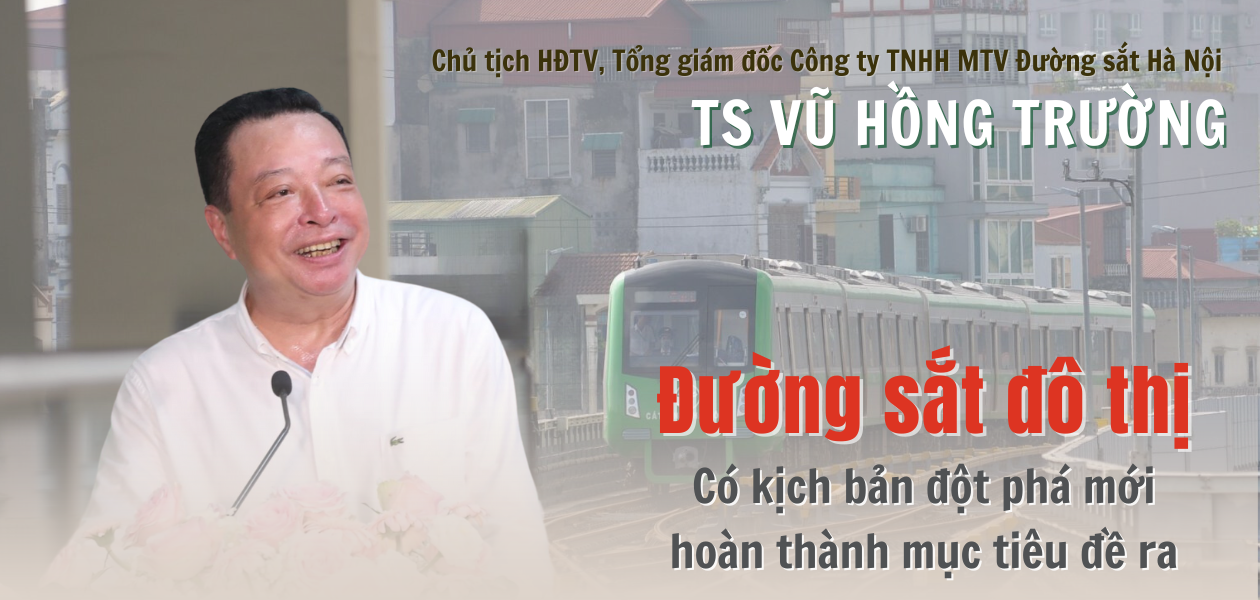


Could you please tell us what practical benefits the urban railway system has brought to Hanoi ?
Hanoi's urban railway system has made significant strides, especially after the Cat Linh - Ha Dong Line 2A came into operation. This urban railway line has brought us many successes.
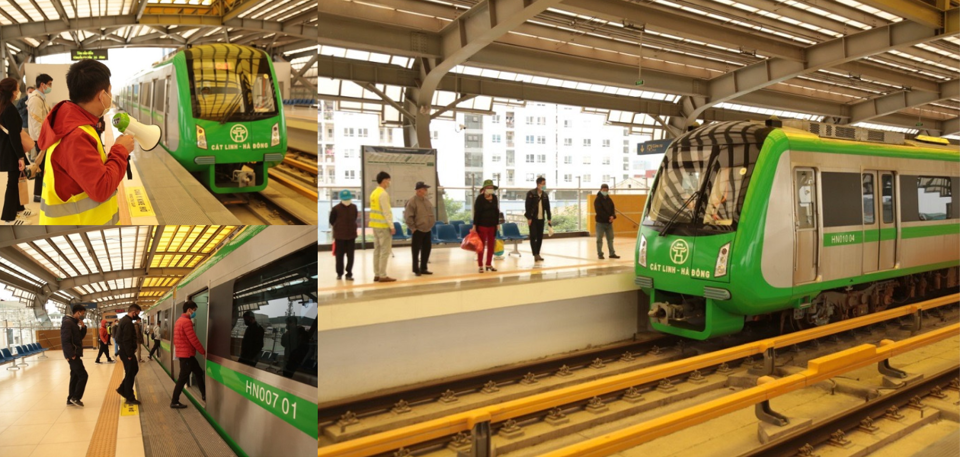
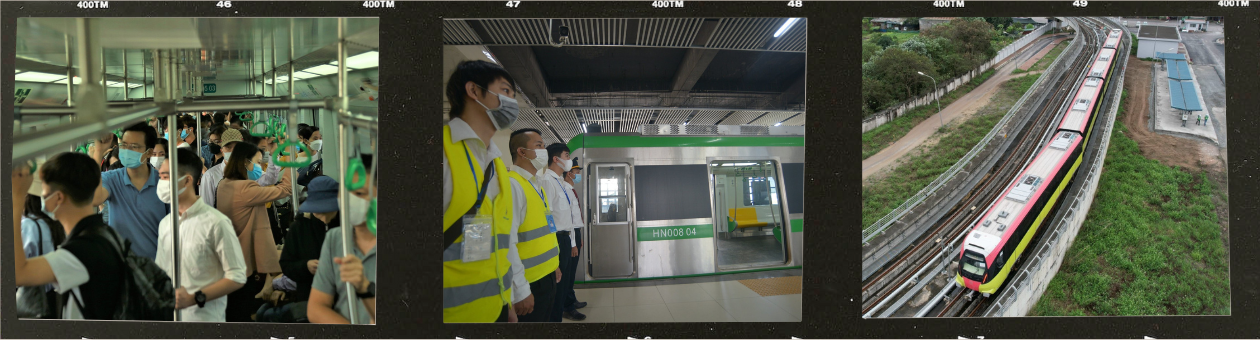
We have demonstrated in practice the superiority of the metro system over other modes of transport. Currently, approximately 37,000 passengers use the metro system daily, with 80% traveling during peak hours, meaning they are frequent users with monthly passes. Traffic congestion on the line has been significantly reduced.
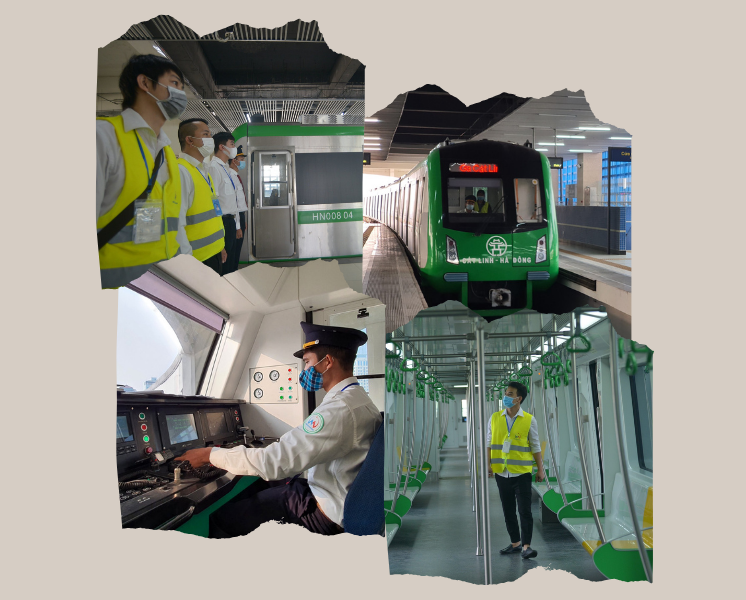
We have built a professional team, from state management to project workers, and especially the team operating the metro system. Training a train driver in China costs 505 million VND, but in Vietnam it only costs 187 million VND while still ensuring the same level of expertise and quality. In fact, we have supported human resource training for both the Ben Thanh - Suoi Tien Metro line ( Ho Chi Minh City) and Line 3 Nhon - Hanoi Station.

Some argue that it will take Hanoi hundreds of years to build its entire metro network. Do you agree with that?
I believe that's a one-sided, unfounded opinion. For example, Shenzhen (China) only put its first metro line into operation in 2004, but by 2023, after 19 years, they had 16 lines with 518km of metro rail. This shows that the roadmap for metro construction and development cannot be calculated purely arithmetically.
It is true that Hanoi has faced many difficulties in investing in and constructing urban railways over the years. However, recently, especially since the Cat Linh - Ha Dong urban railway line 2A came into operation and proved highly effective, the city has clearly recognized the value and role of urban railways and is now focusing all its efforts on them.



Specifically, what kind of breakthrough is that, sir?
Firstly, there needs to be a breakthrough in policy mechanisms. This must be implemented from the National Assembly and the Government down to the city administration. We must create a new, specific legal framework that fundamentally addresses the current obstacles facing the urban railway system.
Secondly, regarding the channel for mobilizing capital, this is extremely important and requires prompt policy action. Specifically, we must identify the development of TOD (Transit-Oriented Development), considering it the primary resource for investing in urban rail systems.

Furthermore, when borrowing ODA from a particular country, we will have to use that country's technology and contractors, leading to many drawbacks later on, especially technological differences that make it difficult to connect and integrate with each other in the future.
Thirdly, regarding TOD (Transit-Oriented Development), we must first have a general understanding of TOD, classifying areas with the potential for building and developing TOD models. For urban rail lines passing through densely populated areas, the only options are to utilize the space around the stations for services and commerce. For areas that are still undeveloped or undergoing urbanization, TOD is entirely feasible and should be implemented first.
Fourthly, regarding the management model of the urban rail system from project planning to operation and maintenance. Successful urban rail management in other countries is due to the integration of investment and operation units. Currently, in our system, investment and construction are handled by one entity, while management and operation are handled by another. This is similar to a situation where one person proposes marriage while another takes the wife; this will lead to many problems later on, especially in connecting the entire system because each project uses a different technology.

How has Hanoi transformed in the field of urban rail transport over the years?
Hanoi has undergone significant and very positive changes, from its perspective to its approach to urban rail development, compared to before the first metro line came into operation. This change has spread from the city's leaders to the people.
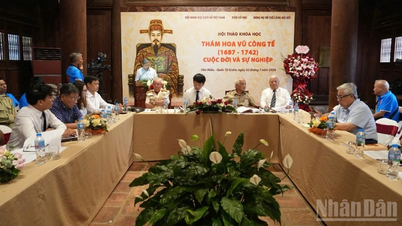
Regarding matters related to urban rail transit, Hanoi's leaders have been very attentive and concerned. Over the past period, city leaders have directly chaired and organized numerous workshops to gather opinions from experts and scientists in order to find solutions to promote urban rail transit development. The Law on the Capital City is also being drafted and amended to create maximum convenience for urban rail transit.




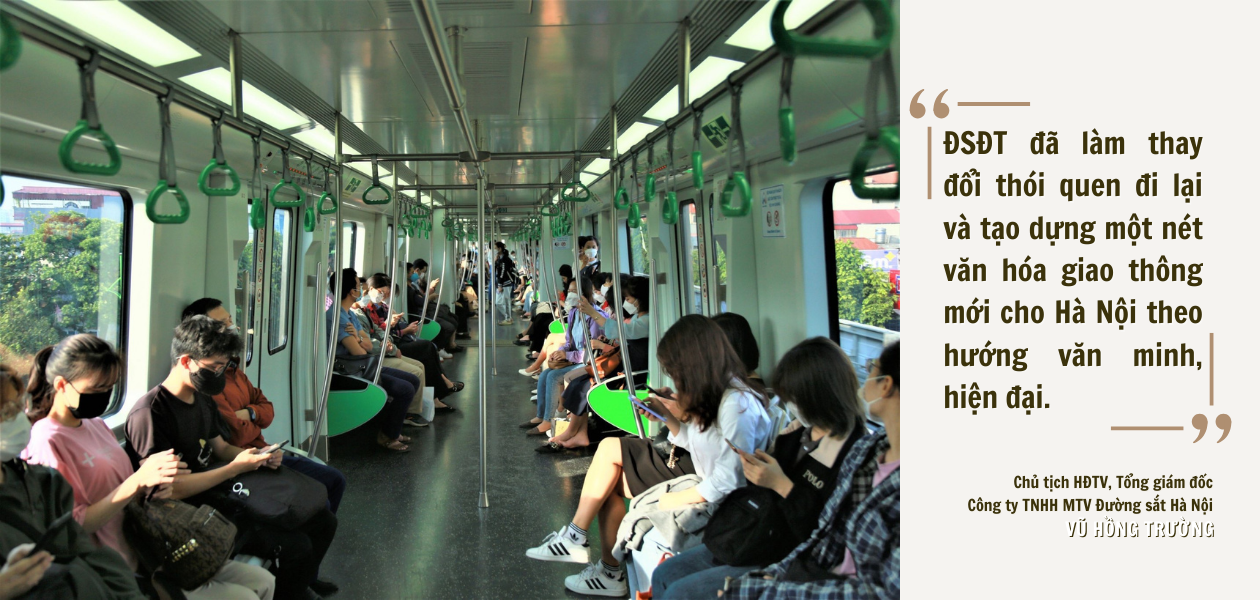
From the public's perspective, there was initially much skepticism about the metro system, unsure whether it would succeed or fail. At one point, public opinion even suggested that the Cat Linh - Ha Dong train line was experiencing low passenger numbers. However, everyone now recognizes the metro system as superior, civilized, and well-suited to Hanoi's urban transportation. People have accepted walking 1.5-2km to access the metro, demonstrating a more civilized approach to using the metro in particular and public transportation in general.
It can be said that Hanoi is focusing all its resources on urban rail, which is a very important condition for the city to implement its breakthrough plan, aiming to build an additional 200km of urban rail by 2035, and further to complete the capital's urban rail network according to the plan.
Thank you very much, sir!

10:22 20/04/2024
Source