Tourism platform based on community values.
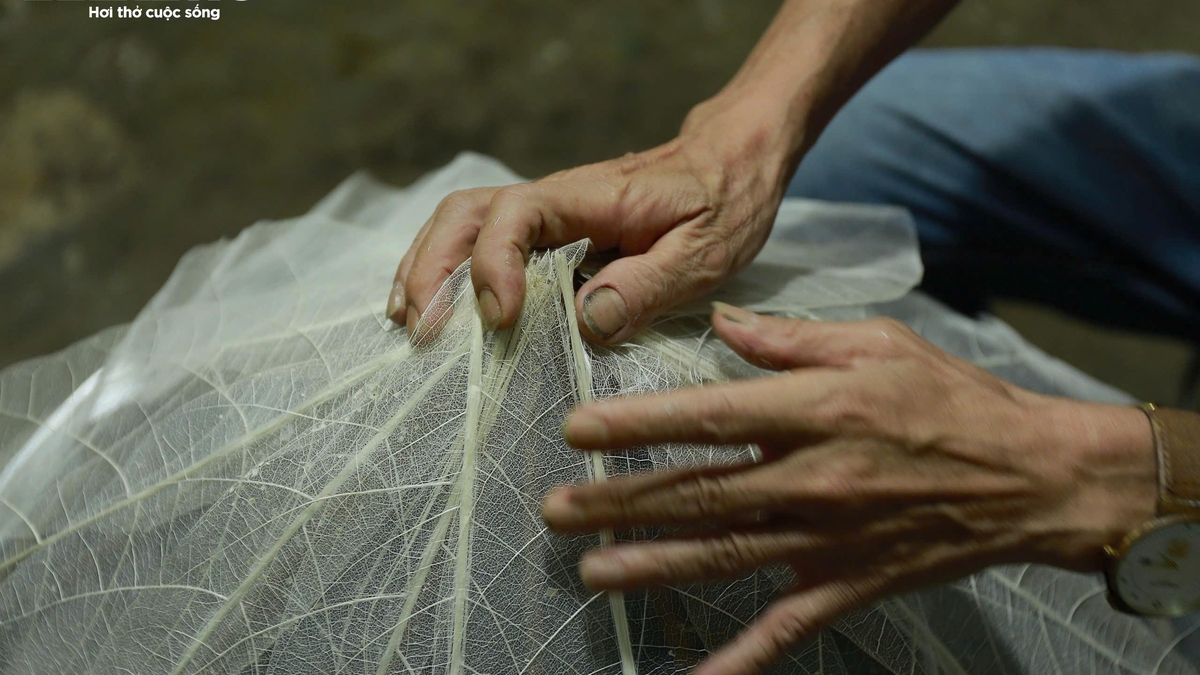
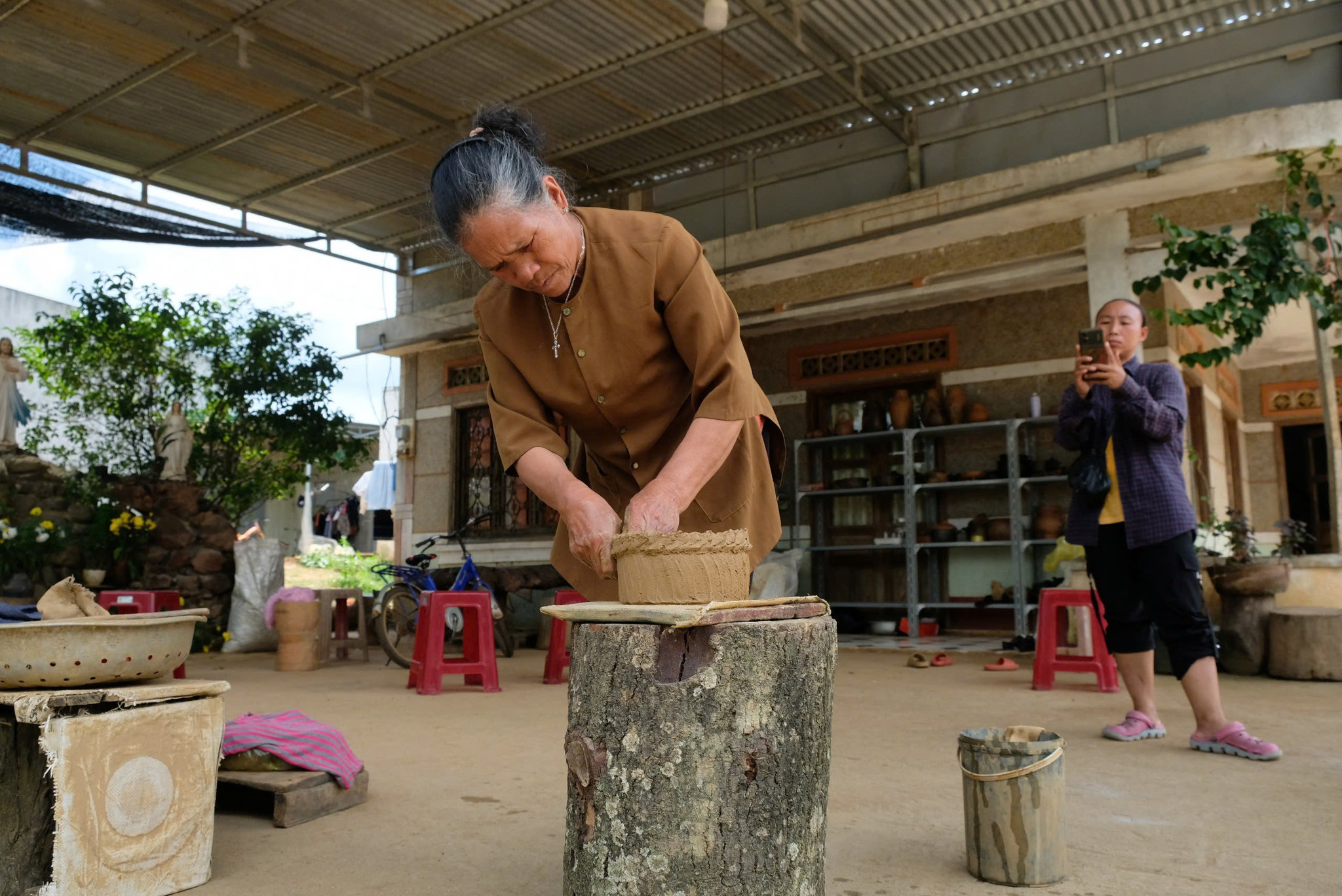
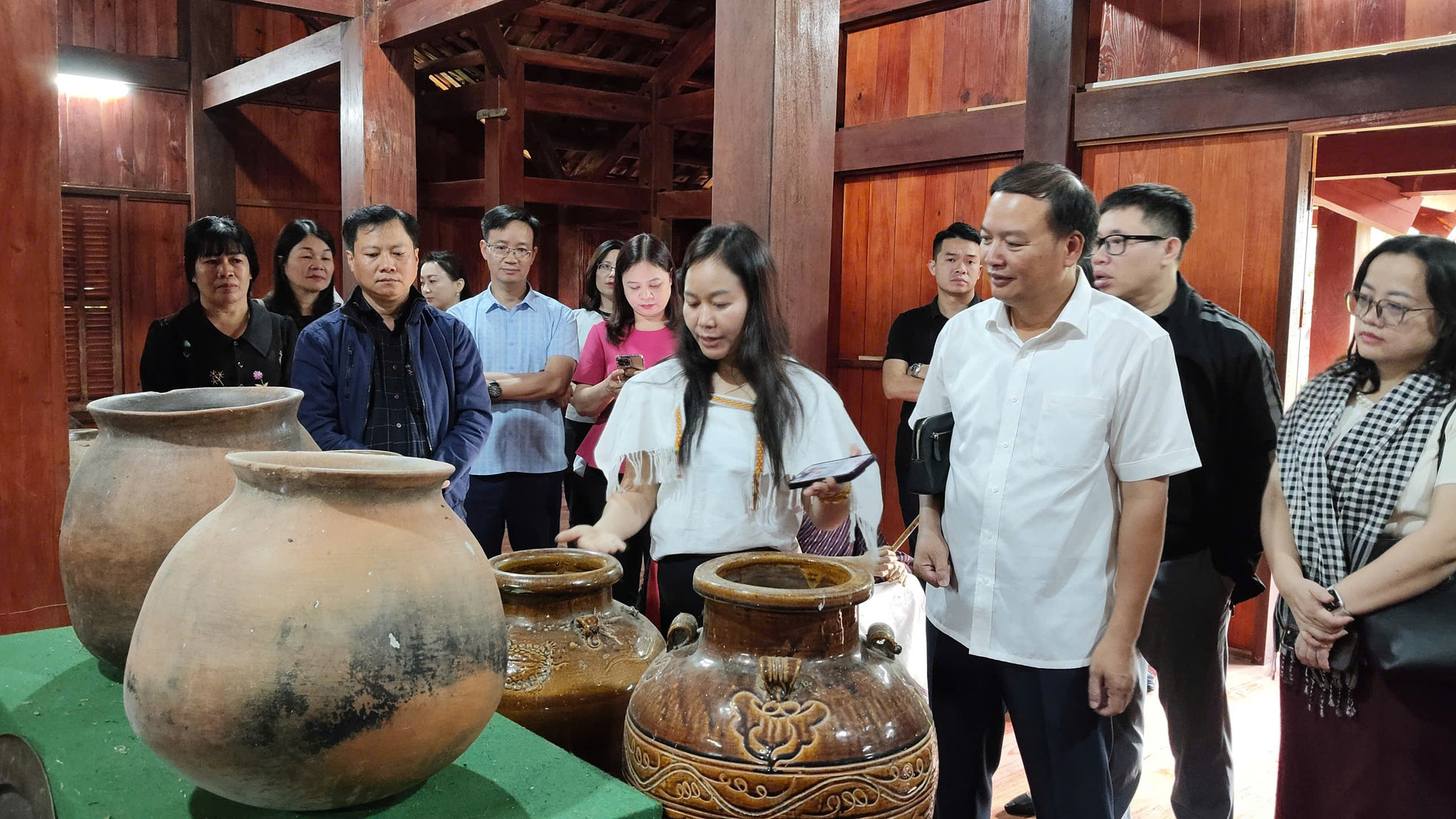
In her small house in K'răng Gọ village, 70-year-old Mrs. Ma Ly diligently preserves the traditional pottery craft of the Churu people. From raw clay, through her skillful hands, she creates products such as earthenware pots, jars, and souvenirs entirely by hand. In recent years, besides pottery making, she has also welcomed tourists to visit, experience, and learn about the traditional craft.
What worries Ms. Ma Ly most is the risk of the Churu people's traditional pottery craft gradually disappearing due to the changes in modern life, as fewer and fewer young people are committed to the craft.
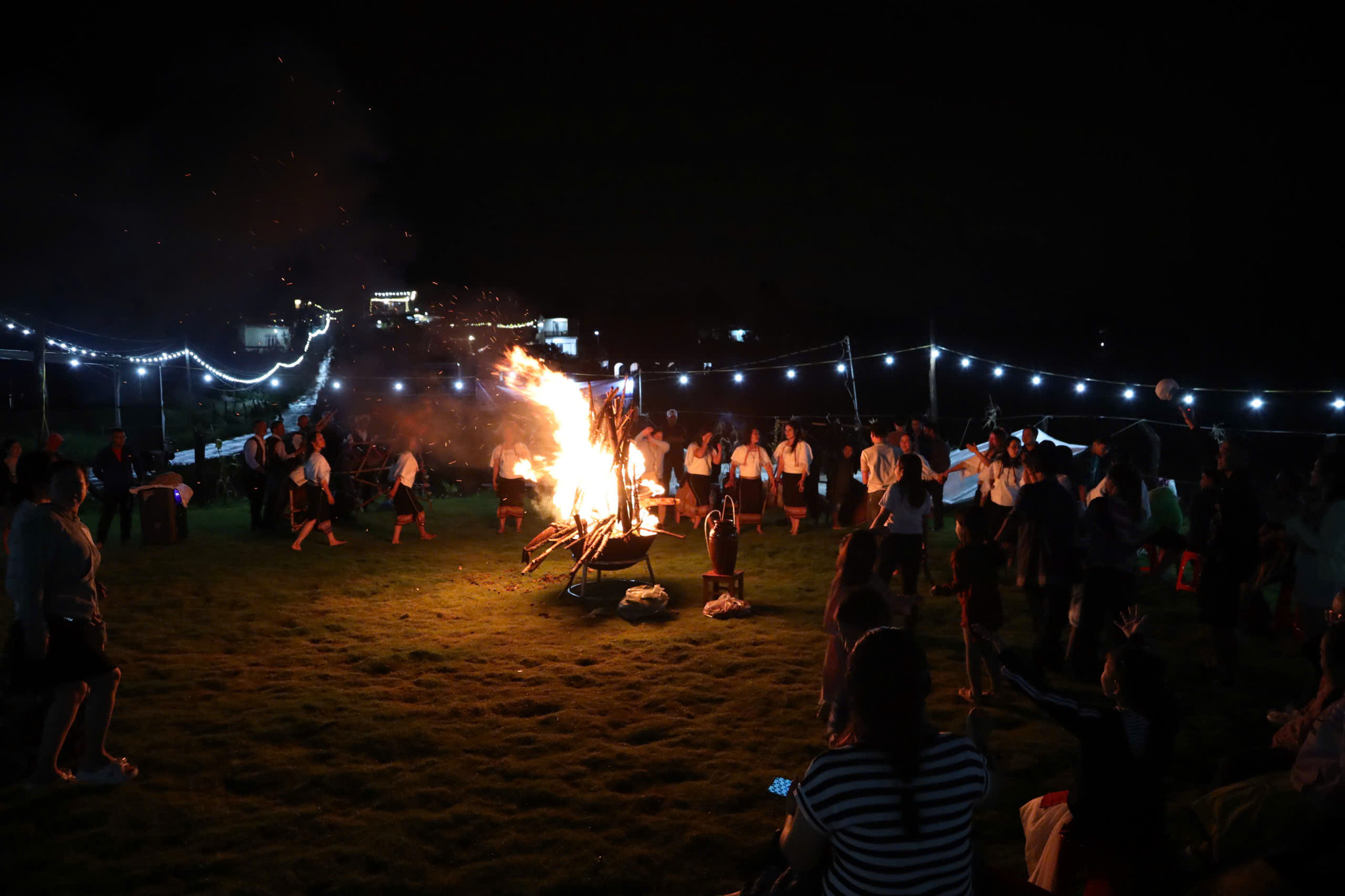
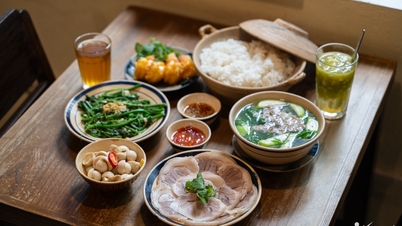
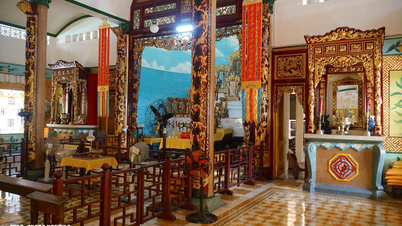
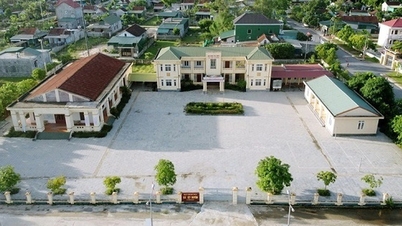
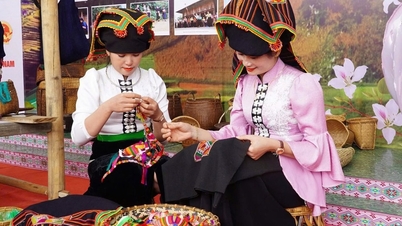
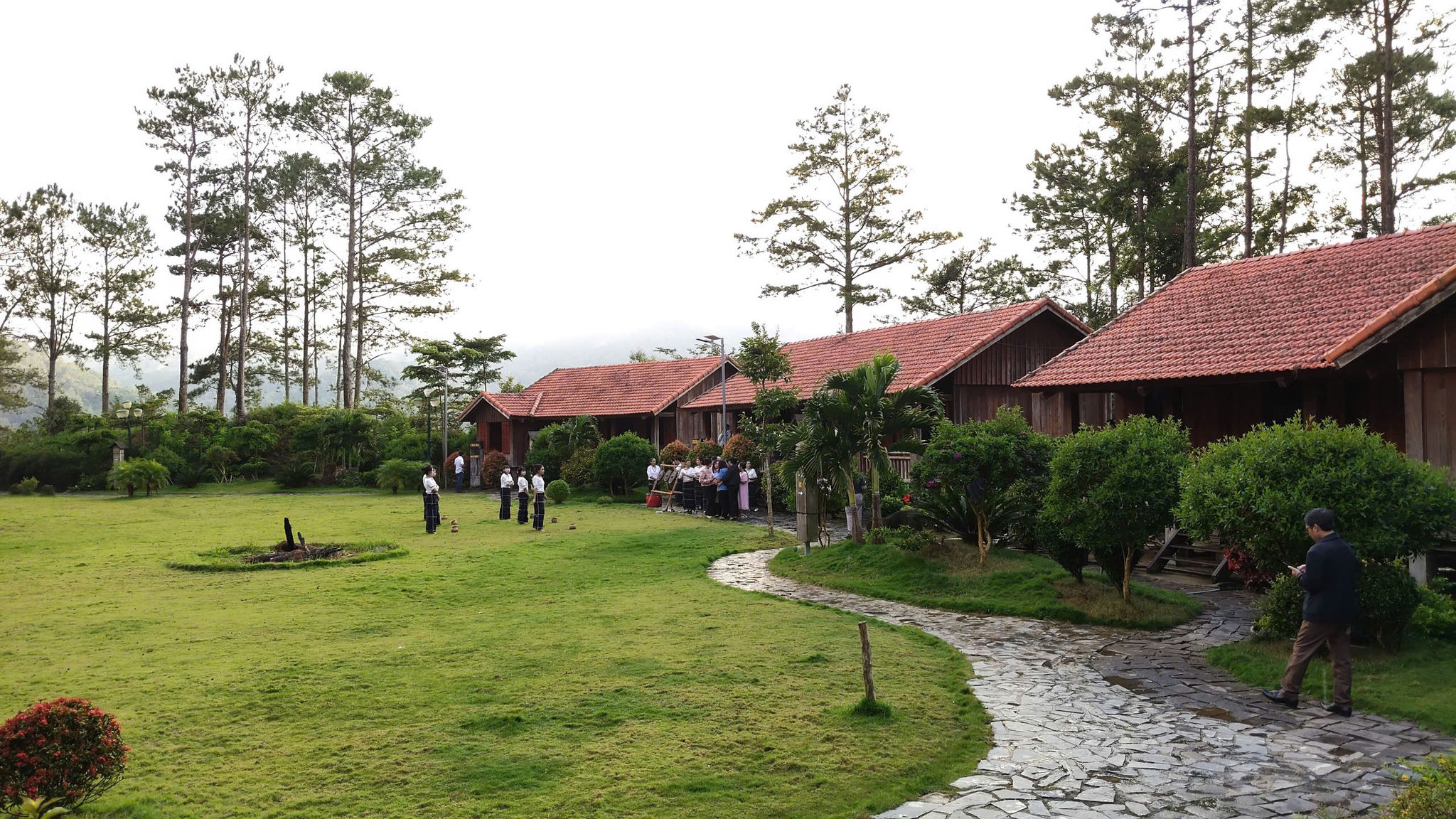
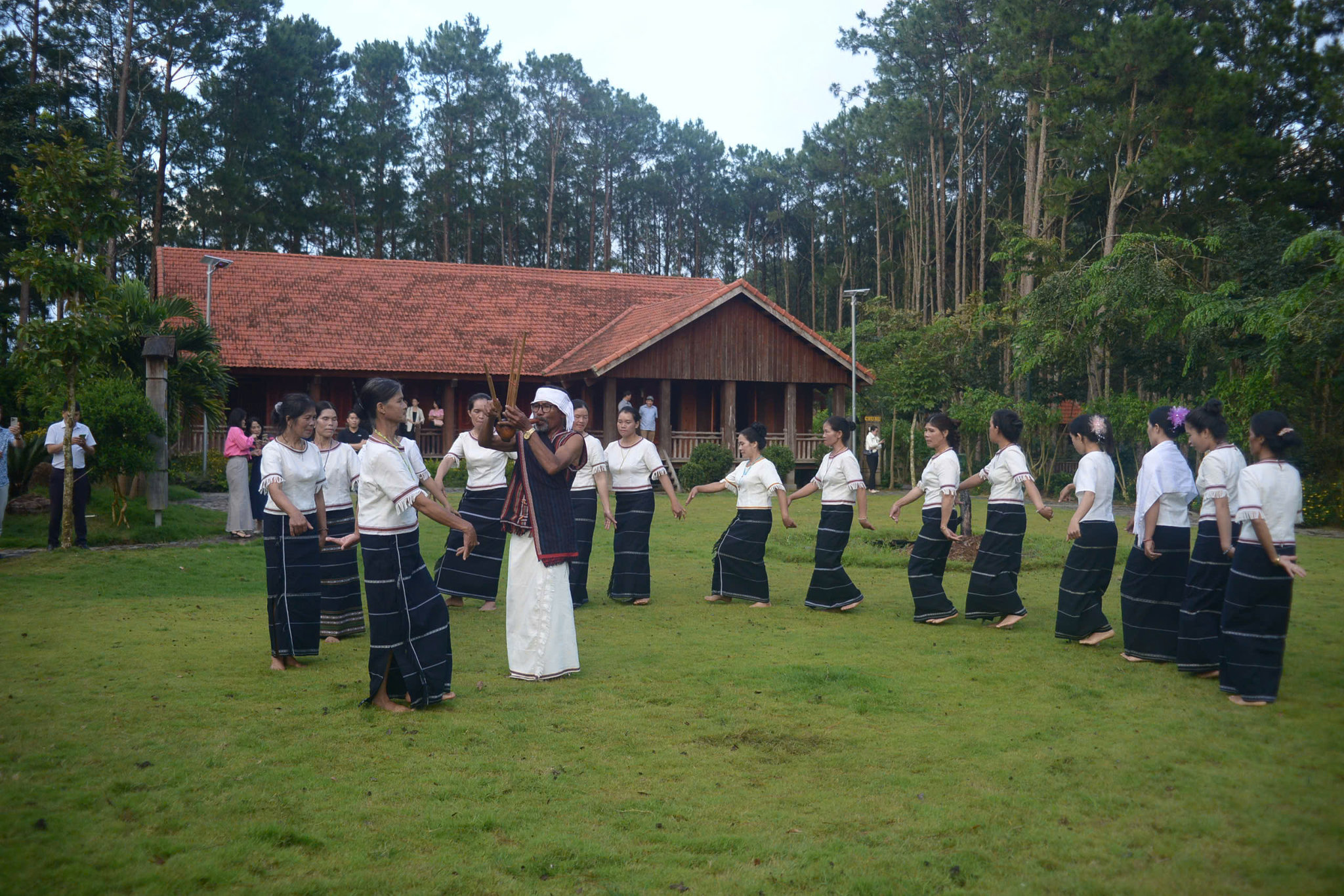
Besides pottery, many traditional cultural values are still being preserved through festivals, gong music, cuisine , and community life. One of the places that preserves these values is the Churu Cultural Village in Dong Ho hamlet. Located on a pine-covered hill overlooking the vast P'ro lake, it currently houses many artifacts and cultural spaces characteristic of the Churu people. It is also the venue for many local cultural activities such as the ethnic cultural festival, competitions, and traditional performances.
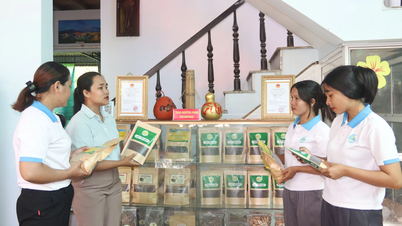
The local cultural space, traditional crafts, cuisine, and community activities are creating a unique identity for Quang Lap, and are also important advantages for developing community tourism.
What is valuable is that these values are still present in the daily lives of the people. In Quang Lap, tourists not only visit but also have the opportunity to directly experience and learn about the local culture through the very people who are preserving and practicing these traditional values.

Bringing tourists closer to the rhythm of rural life.
For a long time, Quang Lap has been a vibrant land of vegetable gardens, fruit orchards, dairy farms, and high-tech agricultural models. This is also a resource for the locality to develop experiential tourism products linked to the production and daily life of the people.
In Quang Loi village, the 3-star agro-tourism destination Avocado Farm is currently being developed under the spirit of "eating together - staying together - working together". According to farm owner Phan Thanh Nhan, visitors not only tour the farm but also directly participate in daily activities such as harvesting agricultural products, learning about the process of caring for crops, experiencing life on the farm, and enjoying local products.
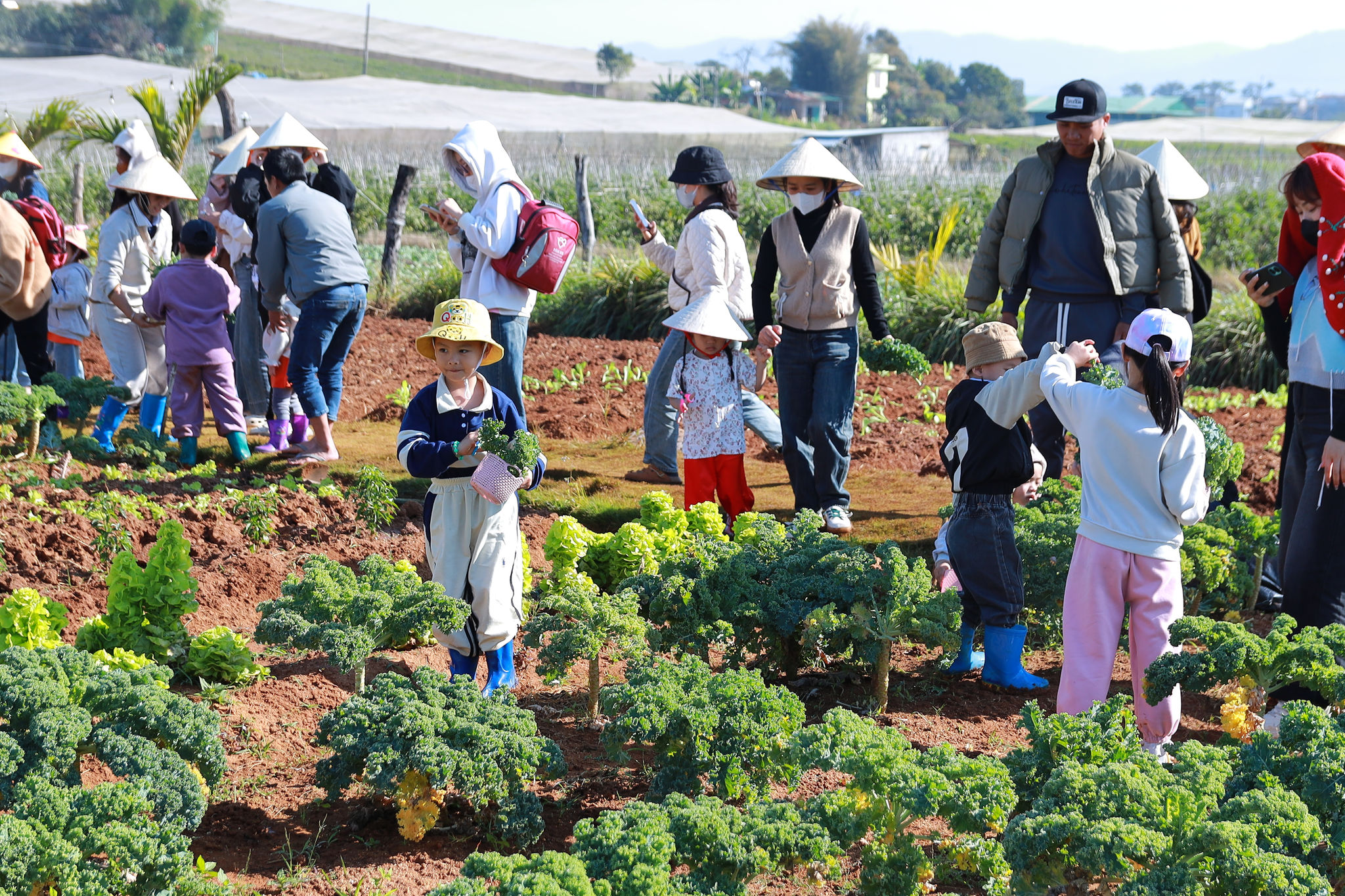
This model has given many local households more opportunities to participate in tourism-related activities. Minh Hieu's family, who have traditionally been involved in dairy farming, fruit cultivation, and dairy product processing, now also welcomes visitors to experience their agricultural lifestyle.
According to Ms. Hieu, families, especially children, are very interested in learning about life in the countryside. These are practical experiences that many children have difficulty accessing in urban areas.
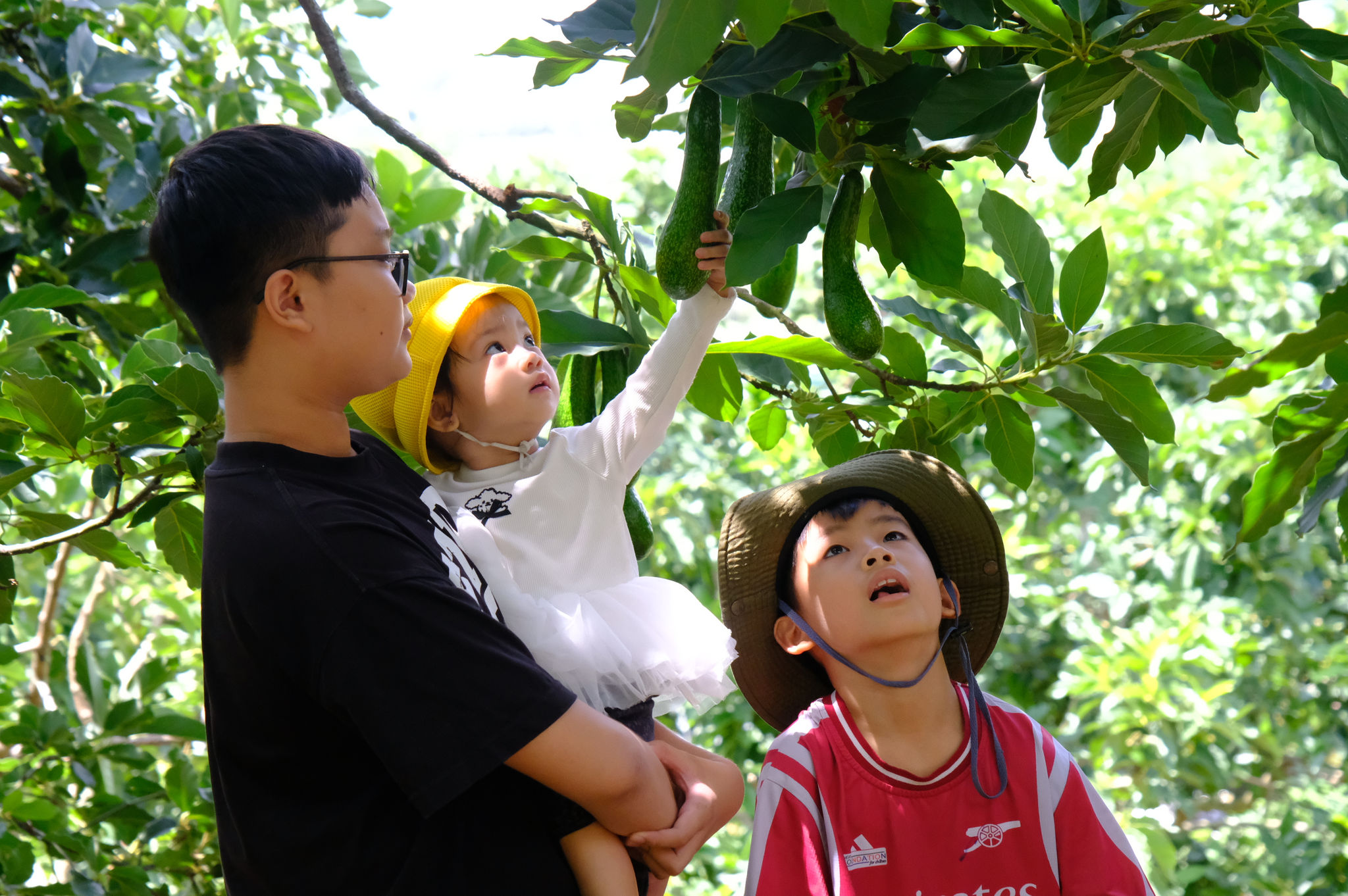
Mr. Nguyen Manh Dai, a tourist from Ho Chi Minh City, said that what impressed him about Quang Lap was not only the rural landscape but also the close connection between production, culture, and community life. His whole family, especially the children, thoroughly enjoyed experiencing the work of farmers and learning more about the process of creating daily food. These were practical and beneficial lessons for children during the summer.


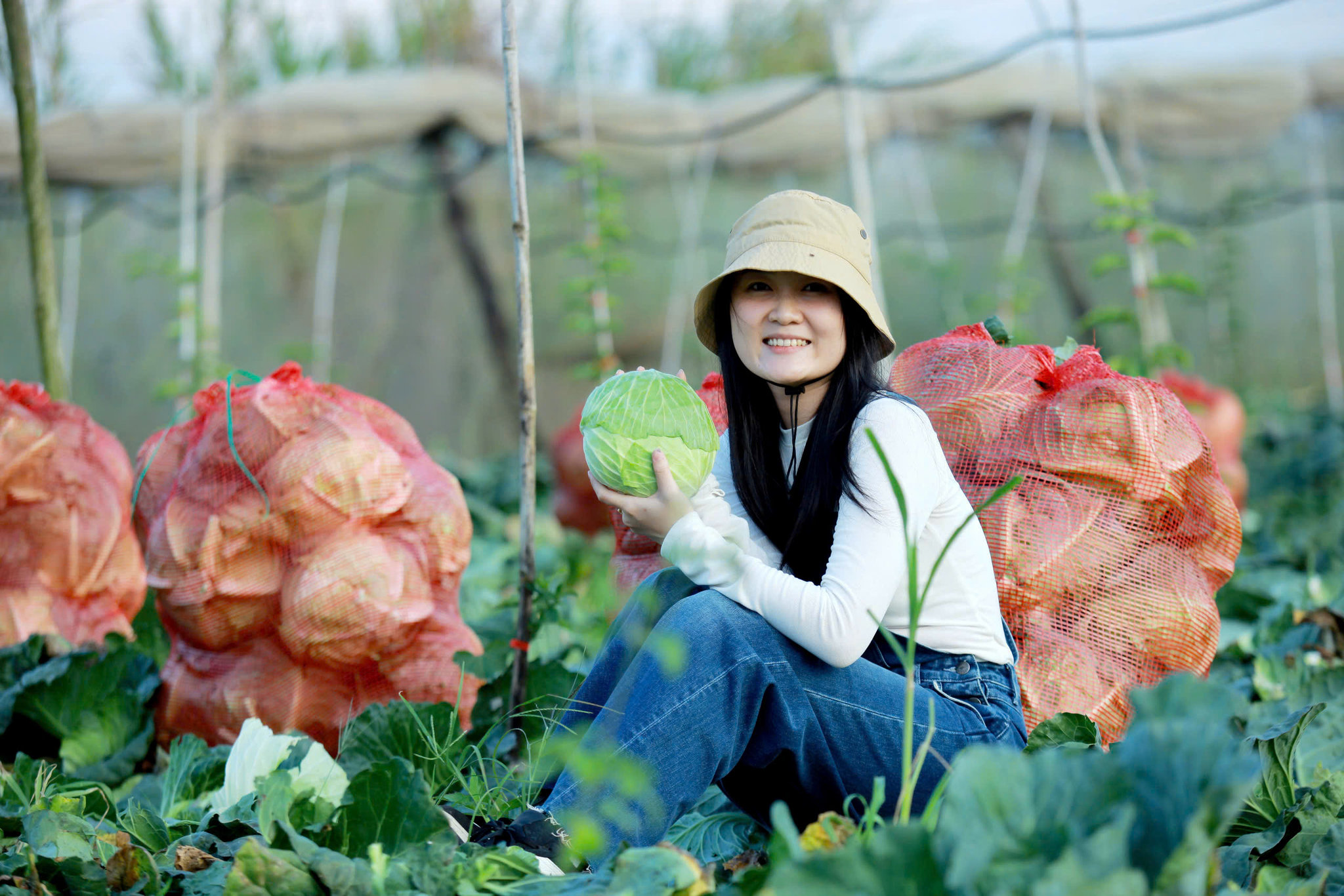
Currently, despite remaining challenges in infrastructure, human resources, and promotion, Quang Lap still possesses many advantages for developing community-based tourism thanks to its inherent values in local culture, landscape, and the participation of the local community. This is an important foundation for the locality to develop tourism in a sustainable direction.
The Department of Culture, Sports and Tourism has just nominated Quang Lap Community Tourism Village for the title of "World's Best Tourism Village" organized by the United Nations Tourism Organization. To date, Vietnam has had five villages honored. This program aims to recognize rural communities that develop tourism while preserving culture, the environment, and local livelihoods.
Source: https://baolamdong.vn/co-lang-du-lich-ben-dong-da-nhim-447719.html

![[Photo] Opening Ceremony of the 13th National Congress of the Ho Chi Minh Communist Youth Union](https://vphoto.vietnam.vn/thumb/1200x675/vietnam/resource/IMAGE/2026/06/24/1782286753905_ndo_br_1-8510-jpg.webp)
![[Photo] The 13th National Congress of the Youth Union conducts personnel work.](https://vphoto.vietnam.vn/thumb/1200x675/vietnam/resource/IMAGE/2026/06/24/1782299943080_ndo_br_1-6868-jpg.webp)
![[Photo] General Secretary and President To Lam attends the Central Public Security Party Committee Conference](https://vphoto.vietnam.vn/thumb/1200x675/vietnam/resource/IMAGE/2026/06/24/1782302063612_a1-bnd-9302-9166-jpg.webp)