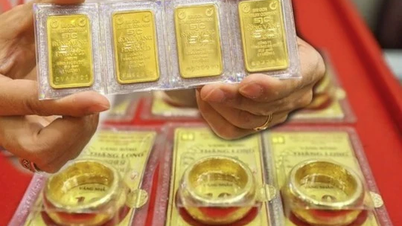
Following a sharp correction from the beginning of March until now, the price of gold has fallen by more than 40 million VND/ounce compared to its peak of 192 million VND/ounce. For many months now, gold has mainly traded around 150 million VND/ounce.
According to Dr. Nguyen Tri Hieu, a major reason for the sharp drop in gold prices is the temporary easing of geopolitical tensions in the Middle East. In addition, the US Federal Reserve (Fed) has signaled that it may still raise interest rates this year.
Mr. Hieu predicted that gold may continue to fall in the short term, so investors need to closely monitor market developments and should not buy gold based on herd mentality.
 |
Gold prices have fallen sharply compared to the beginning of the year. |
Currently, investors should prioritize a phased investment strategy rather than investing all their money at once. They should also closely monitor developments from the Fed, the situation in the Middle East, and fluctuations in the US dollar, as these will be decisive factors influencing gold prices in the coming period.
"Investors need to patiently observe and fully assess all influencing factors before making a decision, avoiding the herd mentality or buying based on trends when they see gold prices falling sharply," Mr. Hieu emphasized.
Financial expert Phan Dung Khanh also noted that, after a period of strong growth lasting 3-4 years, the room for further price increases in gold has narrowed significantly. Currently, the precious metal is under pressure from a strengthening US dollar, high US government bond yields, and a tendency for capital to shift to more attractive investment channels such as stocks.
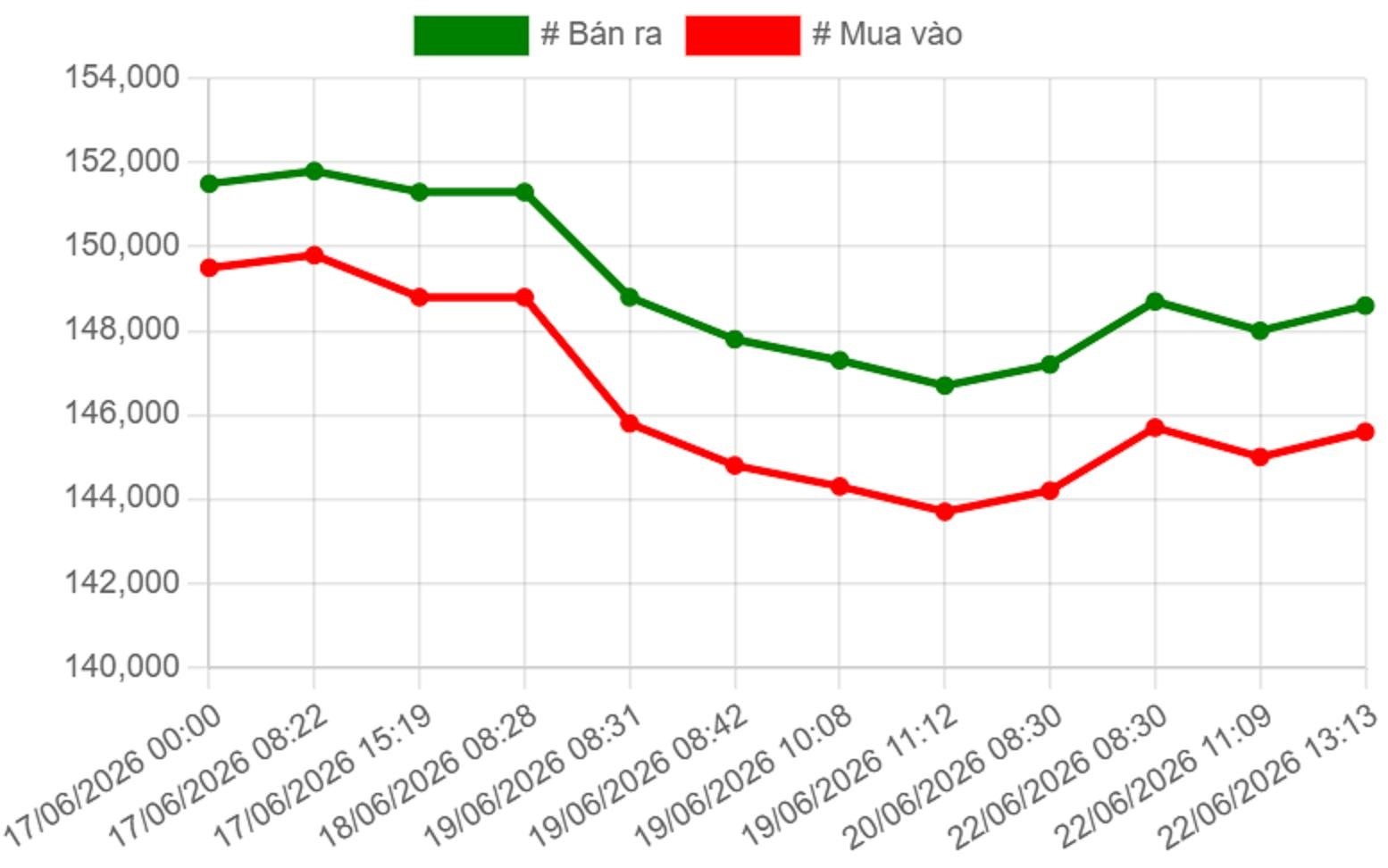 |
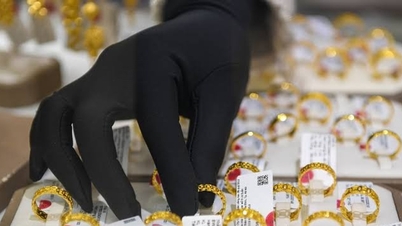
Gold prices have been fluctuating wildly, with some periods of sharp declines this past week. Source: SJC. |
Gold remains an important defensive asset in investment portfolios, but it is no longer suitable for the strategy of allocating all capital at once as before. Investors currently holding a large proportion of gold should consider restructuring their portfolios towards a more balanced approach, while those seeking long-term asset accumulation should only invest in installments, avoiding concentrating all capital at a single point in time.



"In the current context, a rational allocation of assets among gold, deposits, stocks, and other investment channels will help reduce risk better than concentrating everything on gold," Mr. Khanh stated.
Meanwhile, Associate Professor Dr. Nguyen Huu Huan, Vice Chairman of the Ho Chi Minh City International Finance Center, predicted that while gold prices may rise again due to uncertainties, the increase will remain moderate and not explode as sharply as before.
Therefore, the expert suggests that investors need to clearly define their market entry goals: short-term speculation or long-term holding. In the current context, the "day trading" strategy carries significant risks and is not recommended.
Conversely, for a long-term savings strategy, holding gold is still considered a relatively safe option.
Mr. Huan also emphasized that investors need to clearly distinguish between gold as a long-term hedge asset and gold as a short-term speculative tool. If the goal is to hedge against macroeconomic risks or diversify assets, holding a certain proportion of gold remains reasonable in the context of a world full of uncertainties.
However, if you participate with the expectation of "surfing" on war news, the current level of risk is very high because the price of gold can fall sharply in just a few sessions when geopolitical information changes. This has happened repeatedly in the past.
Expert Tran Duy Phuong also stated that gold price fluctuations are normal. However, the main trend in 2026 is downward. Therefore, at the present time, investors should pause and carefully monitor gold price movements.
If buying, investors should only use surplus funds and allocate approximately 20-30% of their portfolio to gold. If considering investing, it's advisable to start in the third quarter.
"As for sellers, if they really need the money, they should sell; otherwise, they should reconsider. They should only sell if they bought it at a low price and can make a profit," Mr. Phuong said.
According to him, gold should be considered a hedge asset in an investment portfolio, not the sole investment channel.
Typically, a reasonable proportion of gold in a portfolio can range from 5-15% of total assets, depending on each investor's risk appetite. For those with a lower risk tolerance or concerns about inflation, the proportion of gold may be slightly higher.
Currently, maintaining gold as a proportion of total assets at around 15-25% may be considered, given the many unfavorable factors still present in the economy. Therefore, the proportion of gold should be increased compared to before.



Conversely, you shouldn't put all your investments in gold because this makes the portfolio undiversified and vulnerable when gold prices reverse sharply.
Source: https://znews.vn/co-nen-mua-vang-thoi-diem-nay-post1662299.html