07:49, 11/08/2023
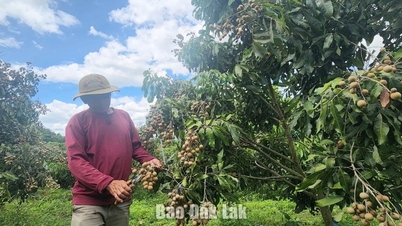
In recent days, the price of passion fruit in the province has continuously plummeted, causing great concern among farmers who face the risk of heavy losses.
Two years ago, recognizing the high economic efficiency of passion fruit cultivation, many farmers in the province massively expanded their planting areas. However, recently, the price of passion fruit has plummeted, to only 1,200 - 2,000 VND/kg, causing anxiety among the people.
The family of Mr. Ton Van Giang (Hamlet 1A, Ea Sien Commune, Buon Ho Town) planted 300 passion fruit vines. He utilized the existing pepper stakes and irrigation system in his garden, so he only needed to buy wire to build trellises; along with seedlings and fertilizer, the initial cost was nearly 15 million VND. Mr. Giang said that currently, traders only buy passion fruit at 1,500 VND/kg, so the revenue is not enough to cover the costs of fertilizer and labor.


In 2022, Ms. Le Thanh Ha's family (Hamlet 1, Phu Xuan Commune, Krong Nang District) rented 5 sao (approximately 0.5 hectares) of land for 40 million VND per year to plant 550 passion fruit vines. Along with the cost of seedlings, fertilizer, etc., Ms. Ha's family invested a total of 70 million VND, not including labor costs. Her family expected this year's passion fruit crop to yield up to 10 tons of fruit. However, when harvest time arrived, the price of passion fruit plummeted, causing significant losses for her family. "Not only did the selling price drop sharply, but the recent prolonged rain caused nearly half of my family's passion fruit vines to collapse, many fruits fell off, the quality of the fruit is poor, and traders will either refuse to buy or force very low prices," Ms. Ha worried.
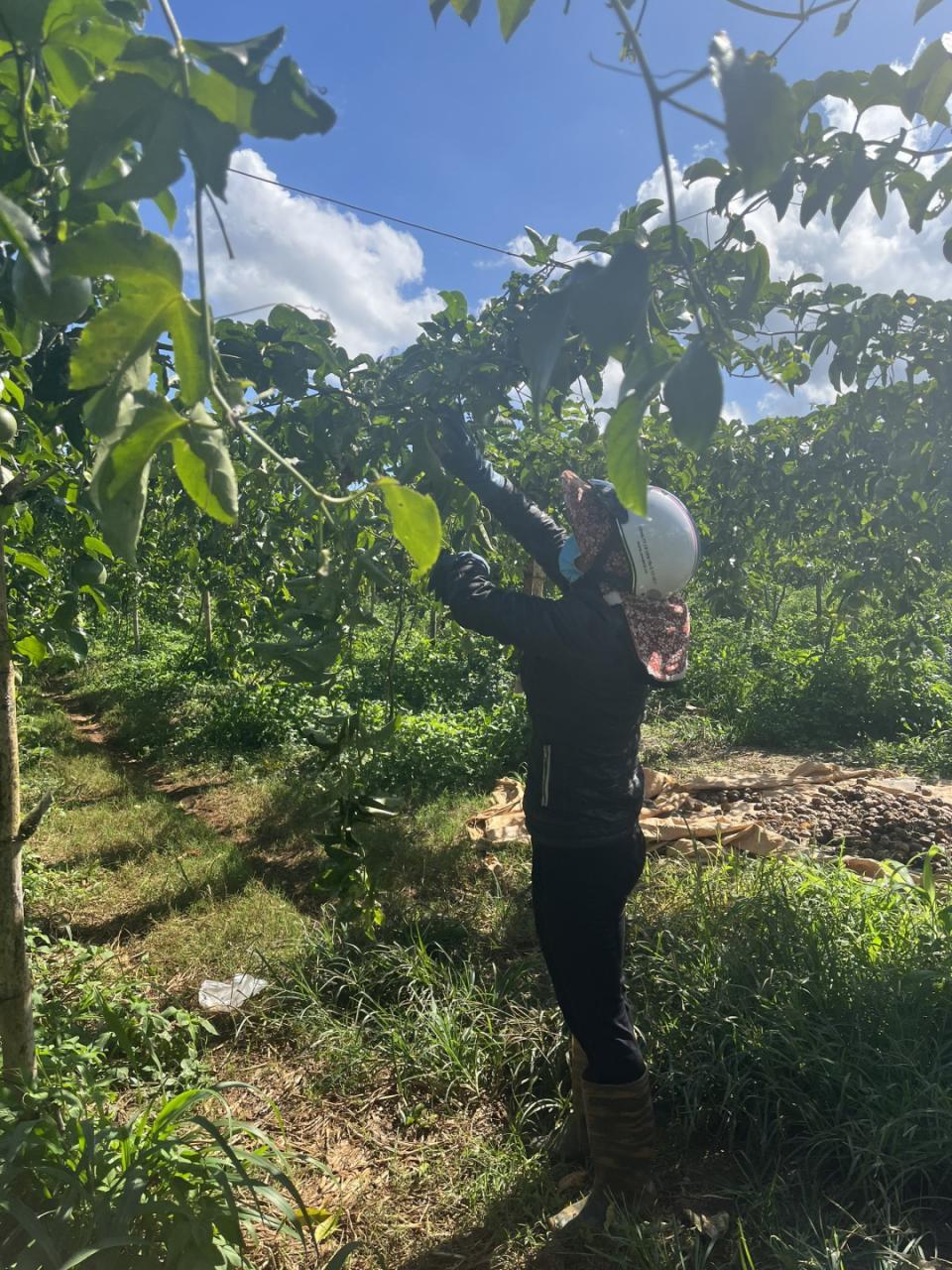 |
| The family of Ms. Le Thanh Ha (village 1, Phu Xuan commune, Krong Nang district) is worried because they have to rent land for their 5 sao (approximately 0.5 hectares) of passion fruit plantation, and prices have dropped. |
According to Mr. Hoang Tuan (owner of Tuan Ha facility, Hamlet 9, Phu Xuan Commune, Krong Nang District), who has been buying passion fruit for many years, the price of passion fruit has never been as low as it is now. “The supply of passion fruit is far exceeding demand, overloading factories and leading to surplus production. Factories only work with large passion fruit buyers, making it difficult to reach individual households, thus inevitably causing the price to drop,” Mr. Tuan explained.
Through practical observation, it has been found that people are currently growing and caring for passion fruit in a haphazard manner, lacking a thorough understanding of proper knowledge and techniques. For passion fruit cultivation, factors such as sunlight, humidity, and fertilization need to be carefully adjusted to ensure optimal plant growth. Due to a lack of expertise in cultivation techniques, many passion fruit plants suffer from problems such as hardened fruit, curled leaves, leaf blight, brown spots, and powdery mildew, leading to poor fruit quality and consequently, a sharp drop in prices.
Although the area planted with passion fruit has increased in recent years (currently the province has over 2,130 hectares, with a production of 21,150 tons), there is a strong dispersion of production areas. Most passion fruit growing areas are still small-scale, and have not yet formed large-scale production clusters oriented towards a sustainable supply chain. The lack of connection between the production process and the market also creates instability in this industry.
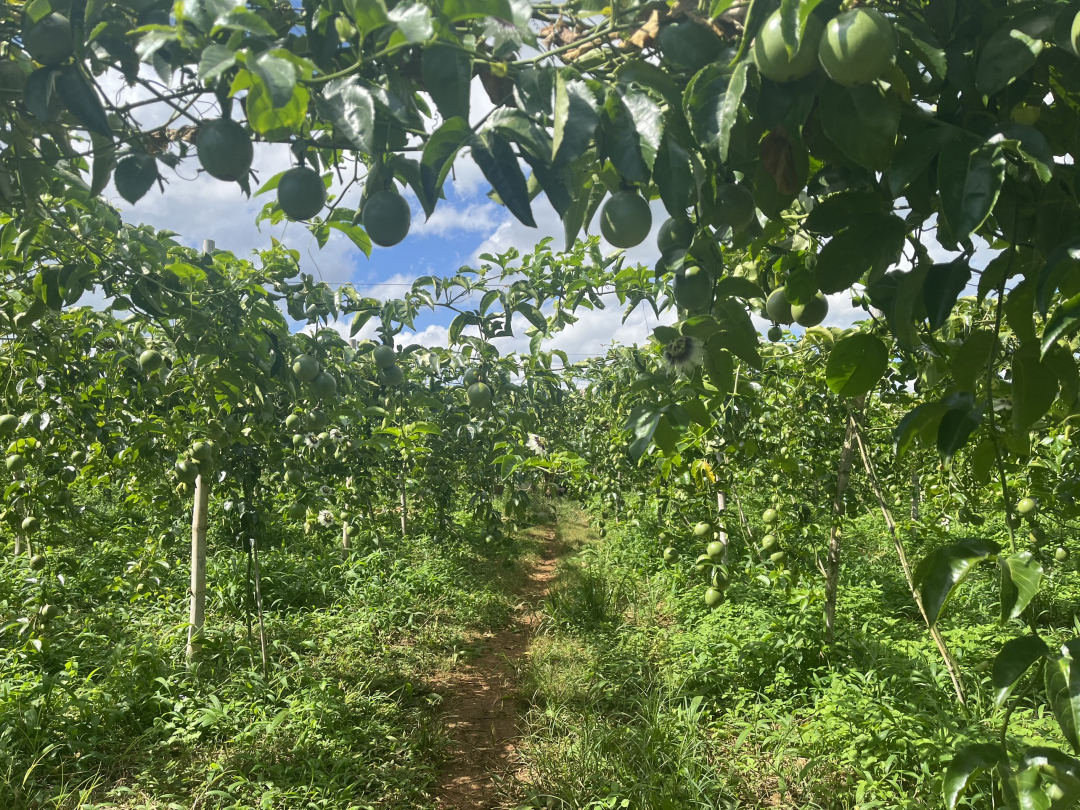 |
| The drop in passion fruit prices has caused confusion and anxiety among many households. |


Given this reality, it is clear that listening to and following recommendations from experts and relevant agencies is crucial. Farmers should not excessively expand passion fruit cultivation areas solely for short-term profits. Rapid expansion of cultivation can lead to oversupply, causing price drops and impacting farmers' incomes. Furthermore, regulatory bodies need to implement a rigorous and responsible plan for expanding passion fruit cultivation. This could include creating large-scale production zones, focusing on efficient farming practices, and fostering supply chain cooperation to ensure the stability and sustainability of the passion fruit industry.
Ngoc Thuy
Source



![[Photo] General Secretary and President To Lam working with the Technical and Professional Center, Ministry of Public Security](https://vphoto.vietnam.vn/thumb/1200x675/vietnam/resource/IMAGE/2026/07/06/1783318005842_a1-bnd-1129-2263-jpg.webp)