

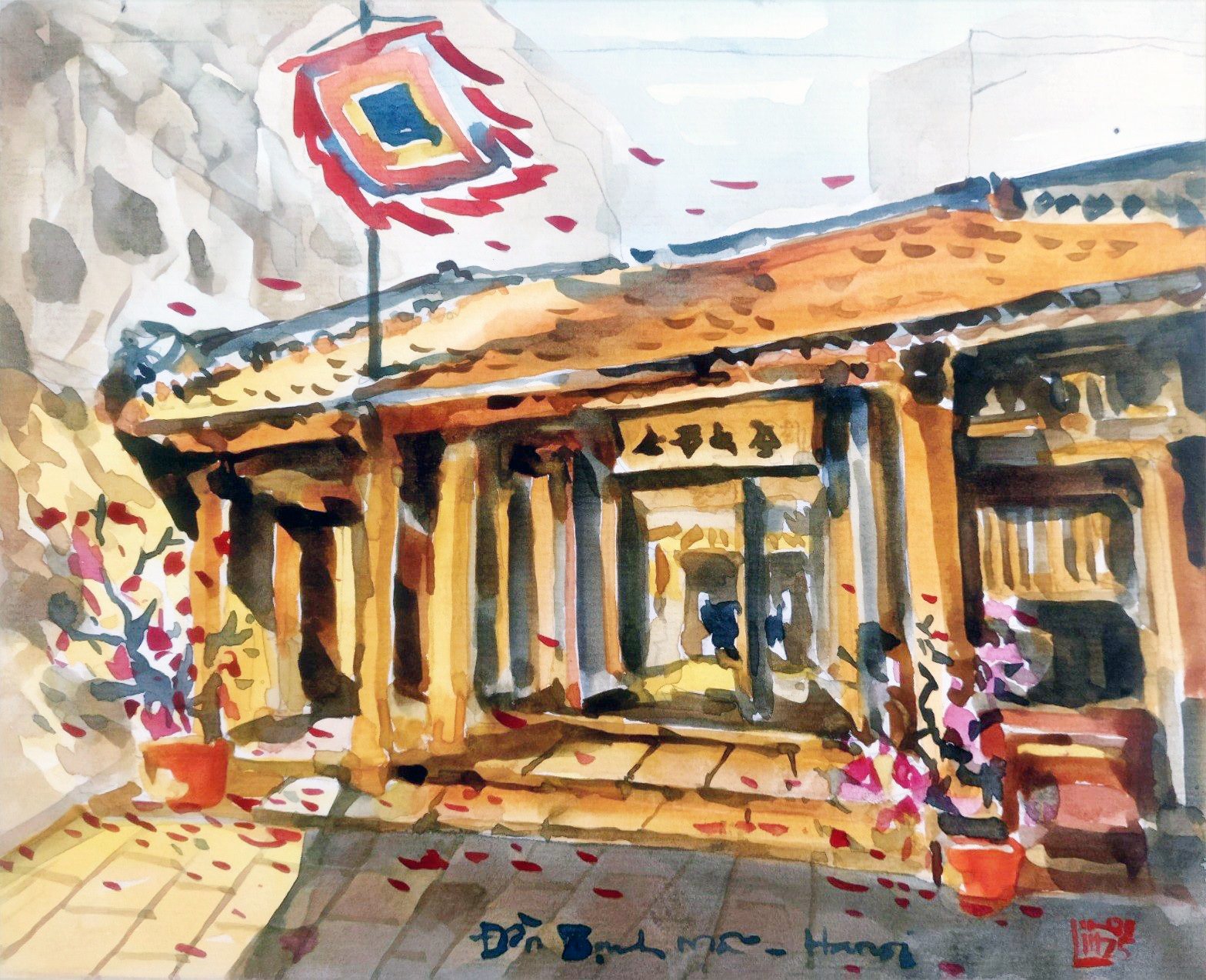
According to legend, in 1010, when King Ly Thai To moved the capital from Hoa Lu to Thang Long, he ordered the construction of a citadel, but it kept collapsing. The king then went to the temple of the god Long Do, who protected Thang Long (built in the late 9th century), to ask for assistance. That night, the god appeared in a dream to the king, telling him to follow the footprints of a white horse while building the citadel. After he finished speaking, a white horse suddenly appeared and ran around. The king followed the instructions, and indeed, the citadel stood firm. In gratitude, the king ordered the temple of the god Long Do to be rebuilt and named it the White Horse Temple.
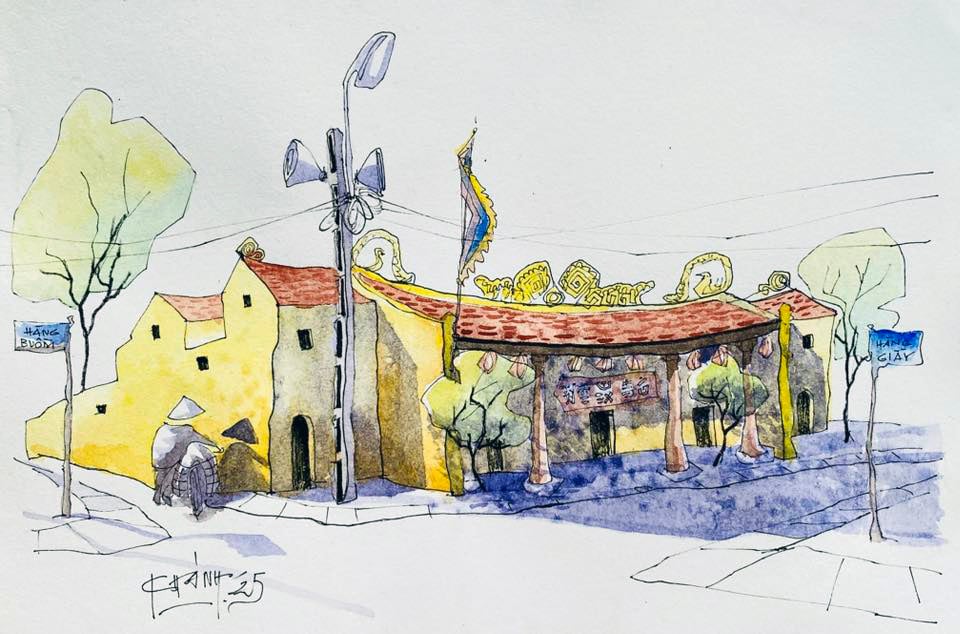
Sketches by fashion designer Le Quang Khanh
Through numerous renovations, the temple now features the architectural style of the late 19th-century Nguyen Dynasty. The temple is built in the "inner courtyard, outer enclosure" style (*). According to the Hanoi Department of Culture and Sports , a special feature of the temple is the system of crab-shell-shaped roofs connecting the various structures. The temple still preserves many valuable artifacts such as ancient stone steles recording temple renovations, imperial decrees granted by the Nguyen Dynasty, etc.
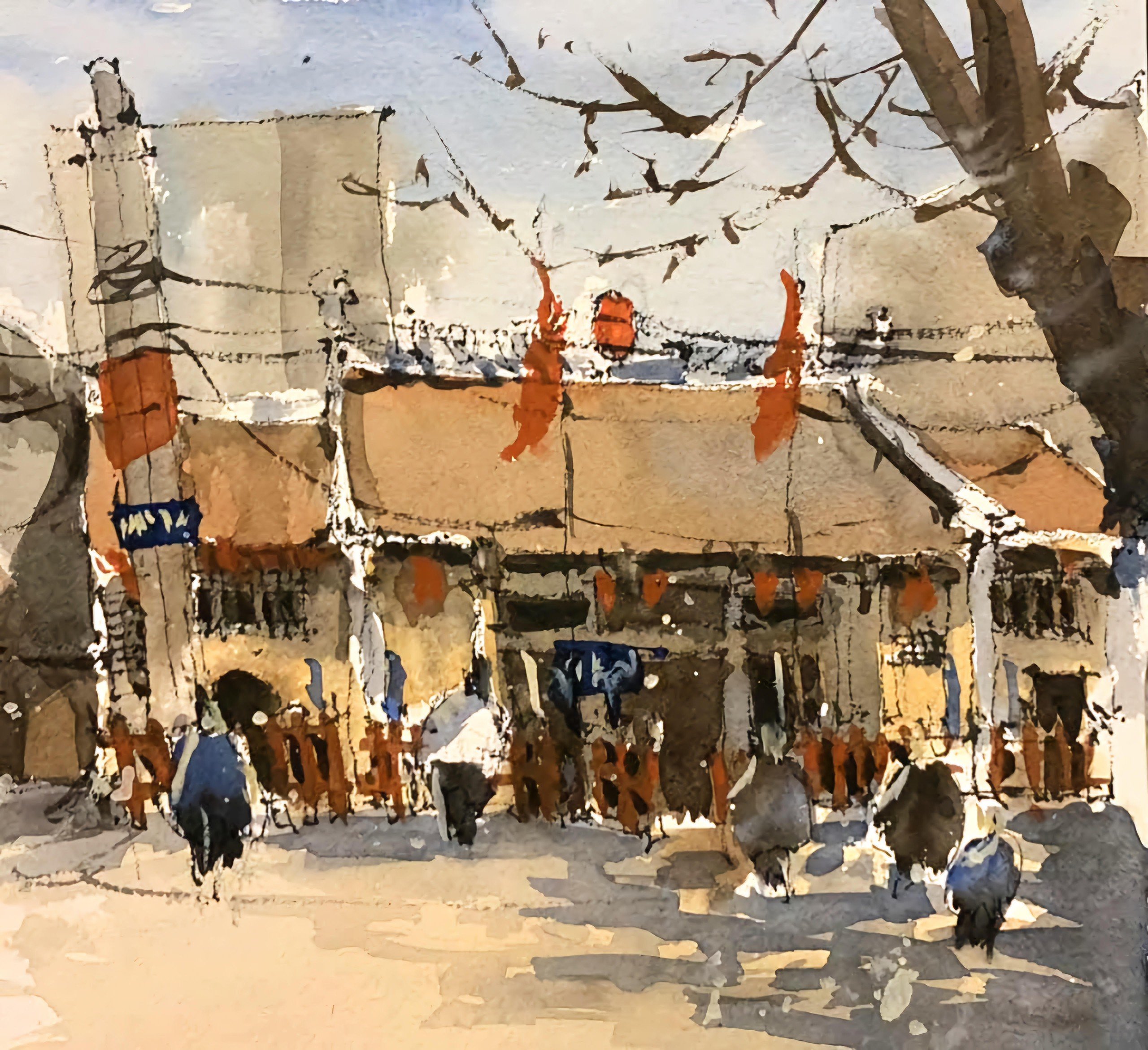
Sketches by artist Vuong Long
Despite enduring three major fires and the devastating B-52 bombing raids by the US, the area surrounding the temple remained unaffected. In 2022, Bach Ma Temple was classified as a special national monument.
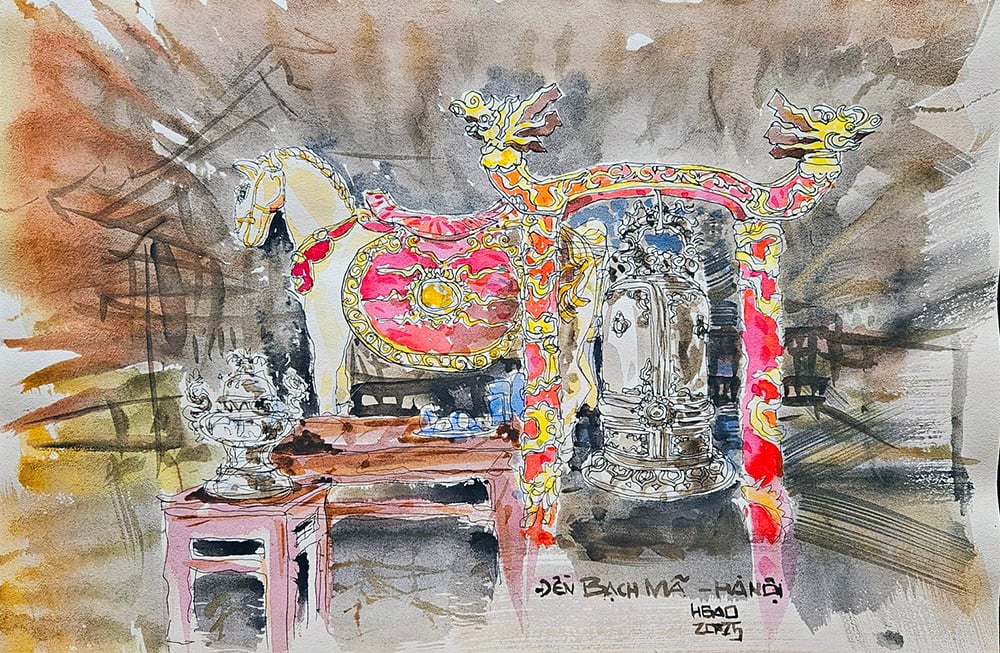
Sketch by architect Bui Hoang Bao
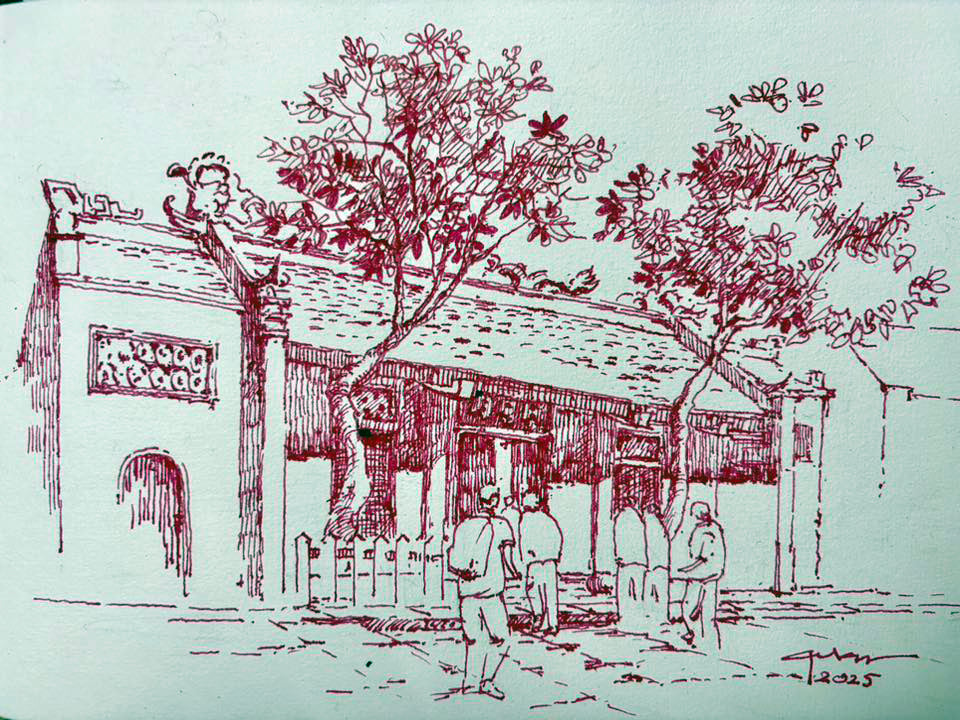
Sketches by architect Bui Quan
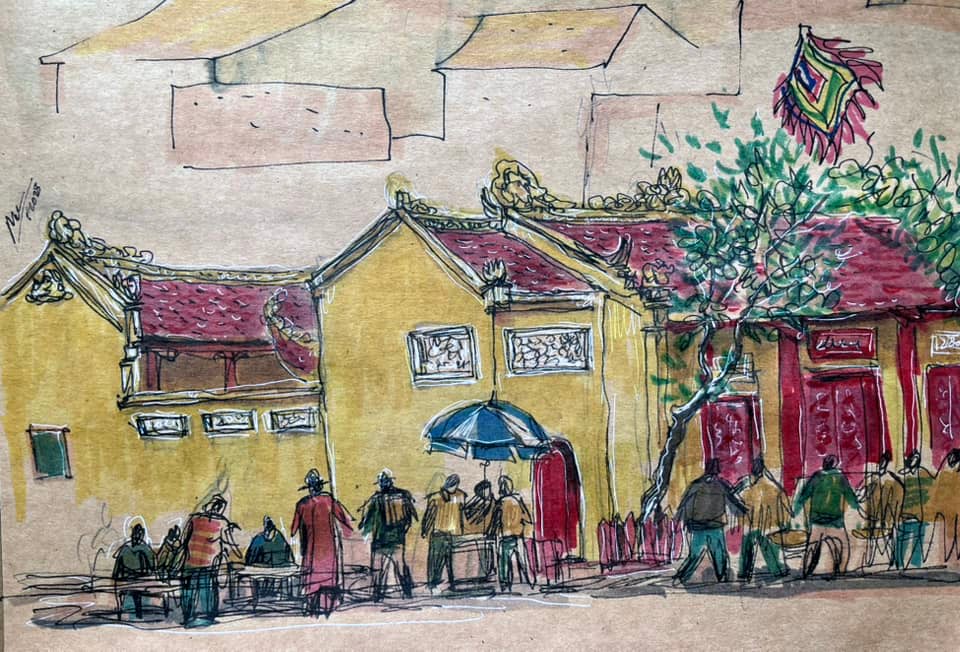
Sketches by artist Tran Binh Minh
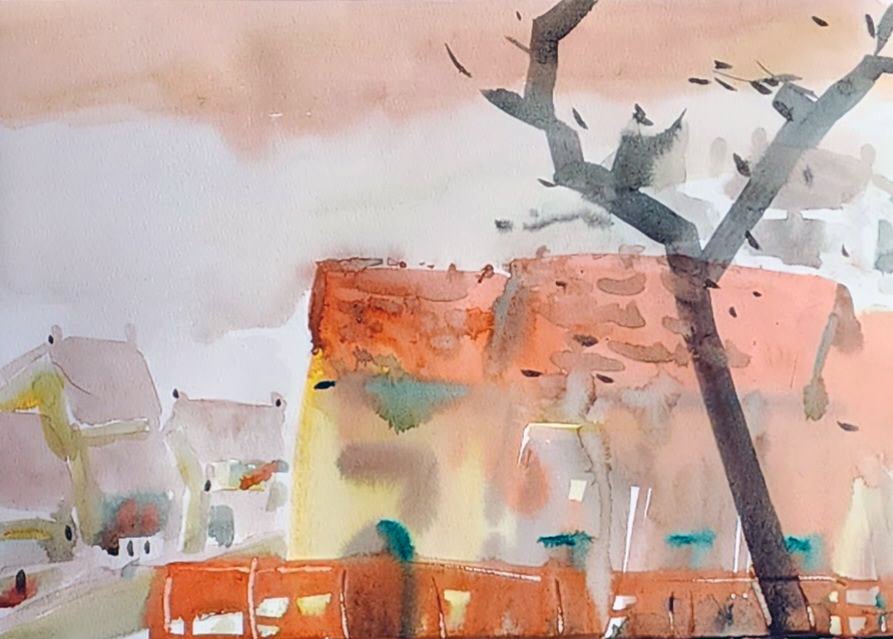
Paintings by architect Phung The Huy
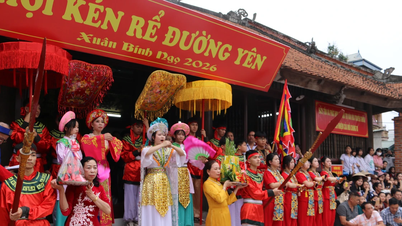
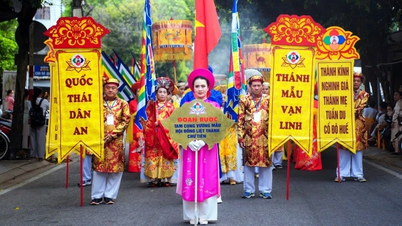
The Bach Ma Temple Festival takes place on the 12th and 13th of the second lunar month with many traditional activities: the palanquin procession, the Spring Buffalo Offering Ceremony (offering buffaloes in the spring, symbolizing agricultural promotion)...
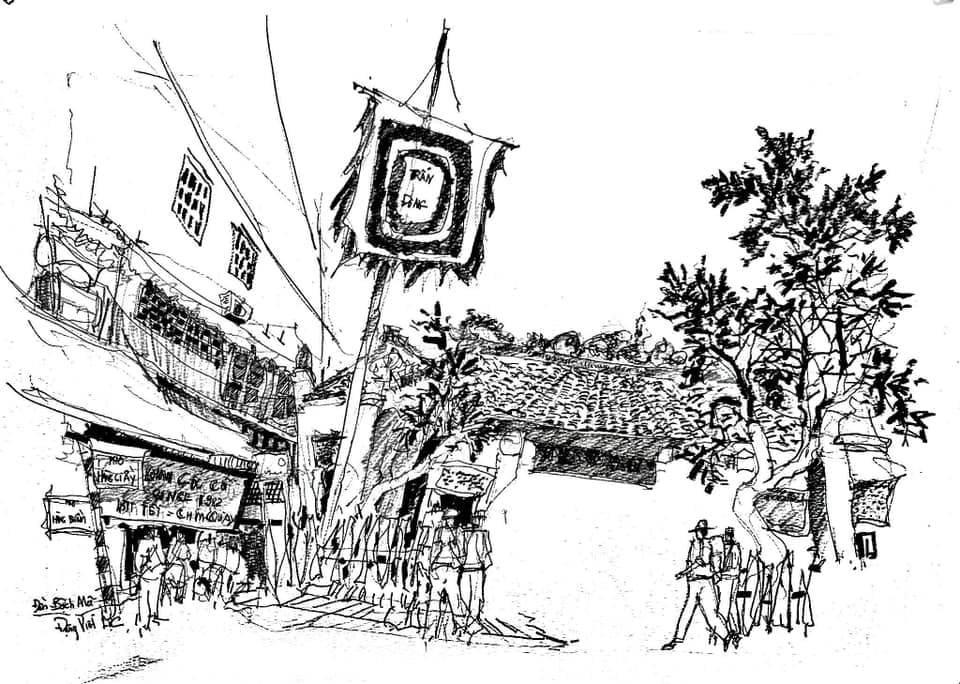
Sketch by architect Dang Viet Loc
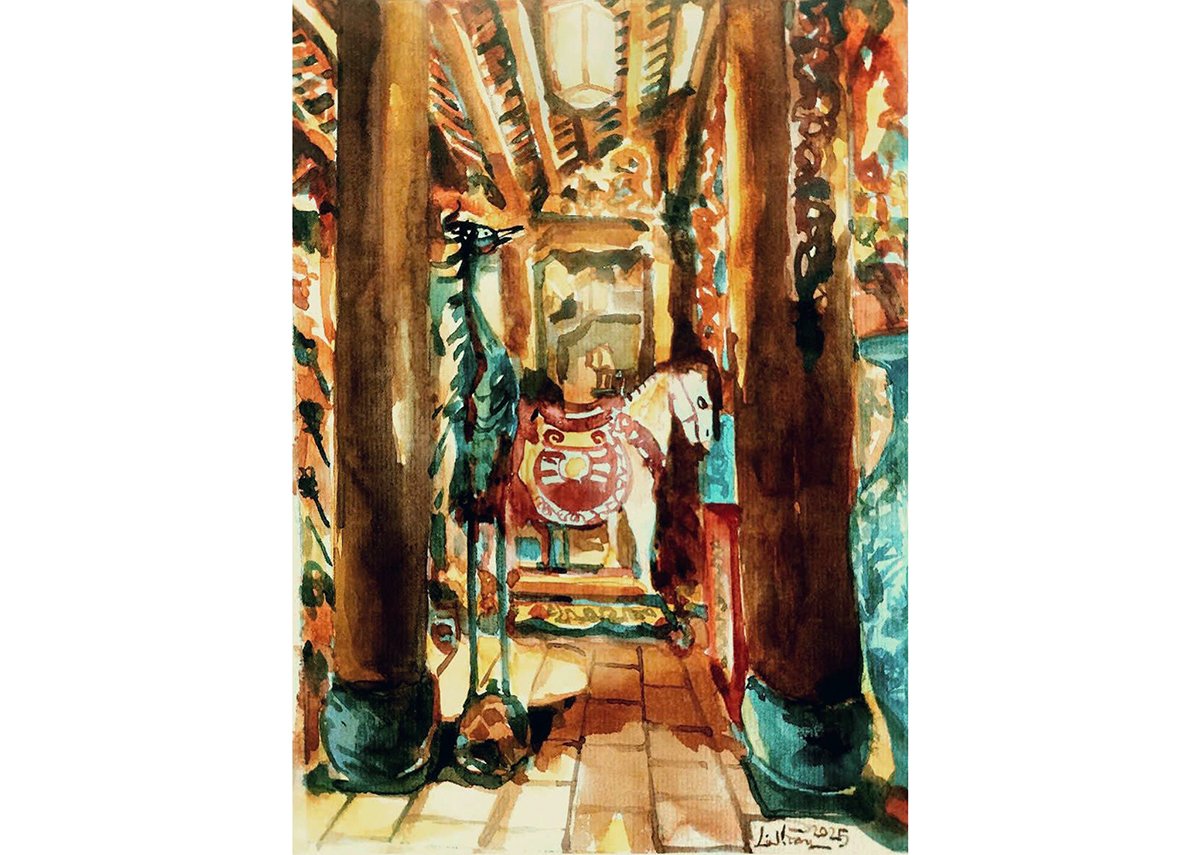
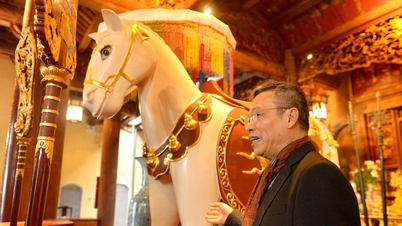
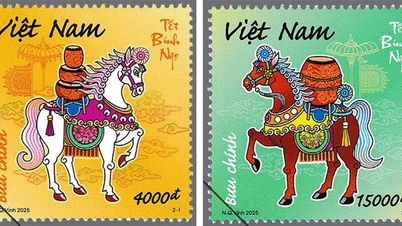
The white horse statue in the temple - a sketch by architect Linh Hoang.
Sketches by architect Linh Hoang
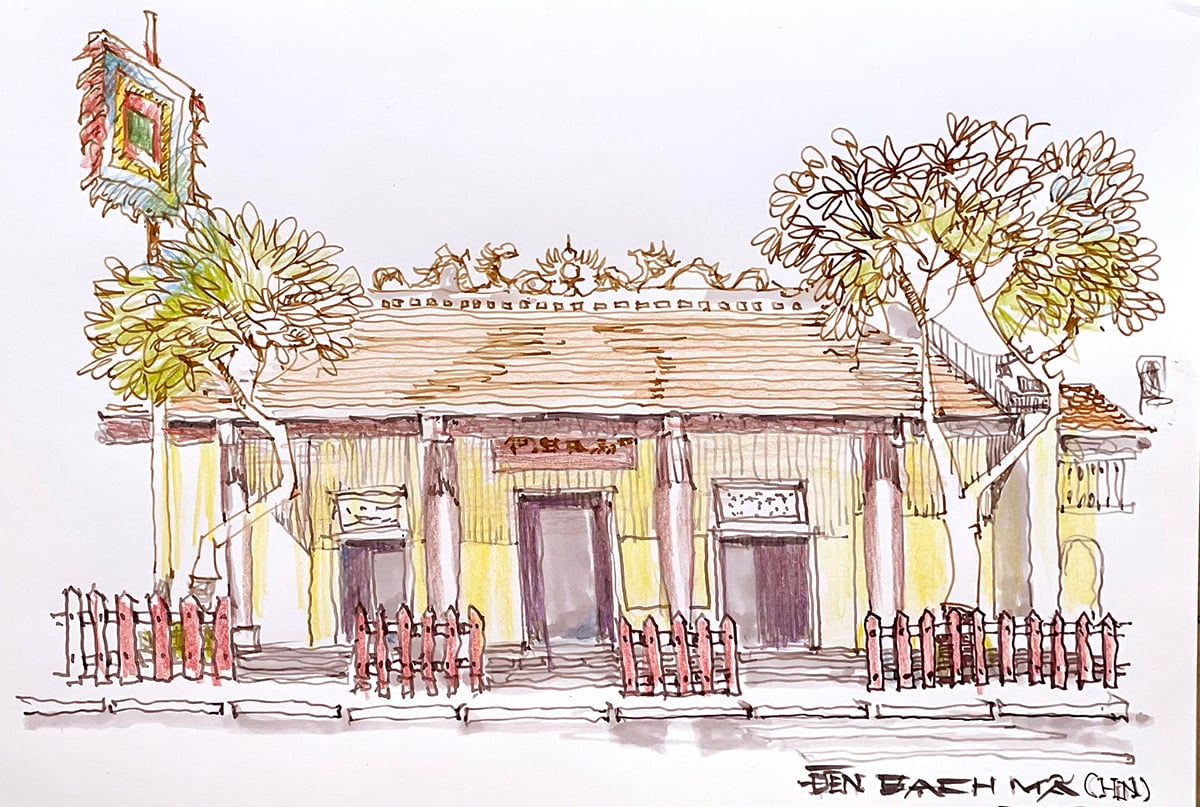
Sketch by architect Tran Xuan Hong
(*): Common temple and pagoda architectural styles in Vietnam and China. Inner structure: the inner structure is built in the shape of the Chinese character "gong" (工) or "san" (三). Outer structure: the structure has a row of buildings or walls surrounding it, creating an enclosed space, resembling the outline of the Chinese character "guo" (囯).
Source: https://thanhnien.vn/goc-ky-hoa-con-ngua-bach-giup-xay-thanh-thang-long-185250308201356838.htm
![[Photo] General Secretary and President To Lam meets with National Assembly delegates from ethnic minorities.](https://vphoto.vietnam.vn/thumb/1200x675/vietnam/resource/IMAGE/2026/04/20/1776696701056_a1-bnd-8331-3342-jpg.webp)

![[Image] National Assembly discusses the implementation of the socio-economic development plan.](https://vphoto.vietnam.vn/thumb/1200x675/vietnam/resource/IMAGE/2026/04/20/1776696707422_ndo_br_img-20260420-185419-jpg.webp)

















































Comment (0)