

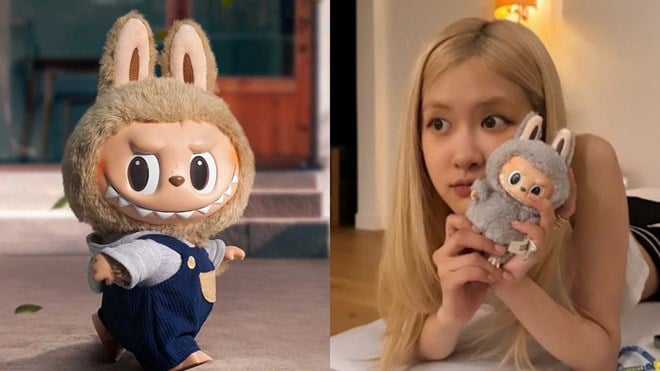
In recent months, Labubu has become a sought-after figure among young people, a trending keyword on social media.
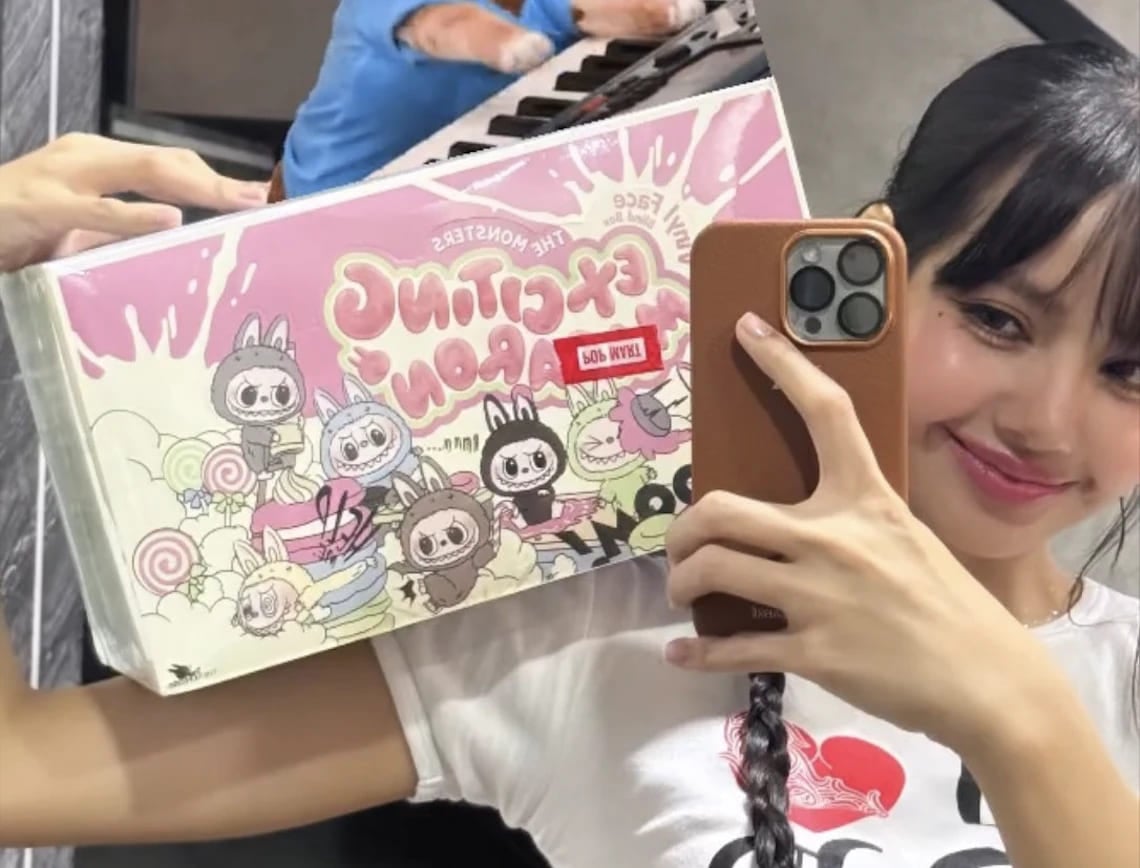
Following a photo of Lisa (Blackpink) unboxing her Labubu character collection, merchandise related to this rabbit quickly sold out.
According to The Nation Thailand, all Labubu-related merchandise on the website is constantly out of stock, and buyers can only purchase it secondhand from online groups or find used items.
In Vietnam, online groups for exchanging and buying/selling Labubu have over 80,000 members and are very active every day.
Among them, limited editions such as Vans, Catch Me, Love Me, Time to Chill... are also sold through auction, with starting bids in the millions of Vietnamese dong.
Some individual figures also cost between 300,000 and 1,000,000 VND depending on the version and year of release. Not only are the plastic figures selling well, but items like Labubu plushies and keychains are also popular.
Lisa, Rosé, and many other famous stars use Labubu keychains as accessories to hang on their bags, which also makes these toys more versatile and appealing to young people.
Amidst the "million-dollar" craze that Labubu generated, debates about the usefulness, value, and cost of art toys have also been hotly debated.
While many young people are "obsessed" with Labubu, some argue that it is an expensive hobby that doesn't offer much value and is merely a trendy fad.
Art toys, also known as designer toys, originated in the 1990s in Hong Kong (China). Created by artists, these toys are produced in limited quantities, causing their prices to skyrocket.
The appeal of art toys is growing, with many considering them a form of art. Companies, most notably Pop Mart, have emerged and continuously improved their designs, releasing visually appealing collections.
The turning point for this toy line was the introduction of the blind box. These blind boxes were wrapped in multiple layers, and players wouldn't know which model they had chosen until they opened them.
A collection typically contains 12 items; if purchased individually, buyers will randomly select blind boxes to receive toys at random.
From that foundation, another form emerged called "secret" – a secret model. Secret items are designed with distinctly different colors and shapes, with only about a 0.52% chance of winning randomly, always being very rare and highly sought after.
Before Labubu, the art toy "phenomenon" was Be@rbrick. Initially created as a mascot to commemorate the 2001 World Character Convention, Be@rbrick later became an expensive toy sought after by collectors.
Each year, two new Be@rbrick collections are launched, in collaboration with celebrities or luxury brands.
These plastic teddy bears are so sought after that they command exorbitant prices. In Thailand, the most expensive Be@rbrick model is the Yue Minjun 'Qiu Tu' 1000%, which sold at auction for 181 million baht (approximately 131 billion VND).
Wang Ning, CEO of Pop Mart, once said: "Art toys are not models for young children, but collectibles."
The cost of owning a rare art toy, along with its exquisite craftsmanship and meticulous detail, shows that these toy models can rival other luxury collectibles such as watches, handbags, and shoes.
According to Grit Daily, these toys have escaped traditional showrooms, making them more accessible and appealing to a younger generation of "collectors."
The commercial appeal and cultural promotion of this collecting phenomenon have shown the great potential of art toys, as toys become a pastime for adults.
Source: https://laodong.vn/giai-tri/con-sot-tien-ti-labubu-thoi-thuong-va-ton-kem-1382592.ldo

![[Photo] The General Secretary and the Prime Minister attend the groundbreaking ceremony for multiple-level boarding schools in border areas.](https://vphoto.vietnam.vn/thumb/1200x675/vietnam/resource/IMAGE/2026/03/19/1773888999705_vna-potal-tong-bi-thu-va-thu-tuong-du-le-khoi-cong-dong-tho-dong-loat-cac-truong-noi-tru-lien-cap-bien-gioi-8649904-3885-jpg.webp)






















































Comment (0)