Lip-syncing and lip-syncing on instruments – a clear distinction is needed.
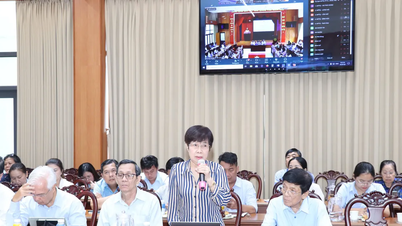
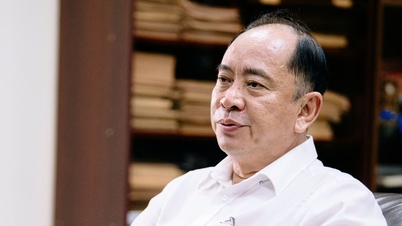
According to Associate Professor and Doctor of Music Do Hong Quan, President of the Vietnam Union of Literature and Arts Associations , the stage is where artists and the public meet through genuine emotions. However, in many programs, the stage has become a showcase for "technological tricks," damaging professional self-respect and audience trust. This situation has existed for many years but has not been thoroughly resolved. The problem of lip-syncing, instrumental accompaniment, or the abuse of studio techniques to mask a lack of ability has become a chronic disease, causing public outrage.
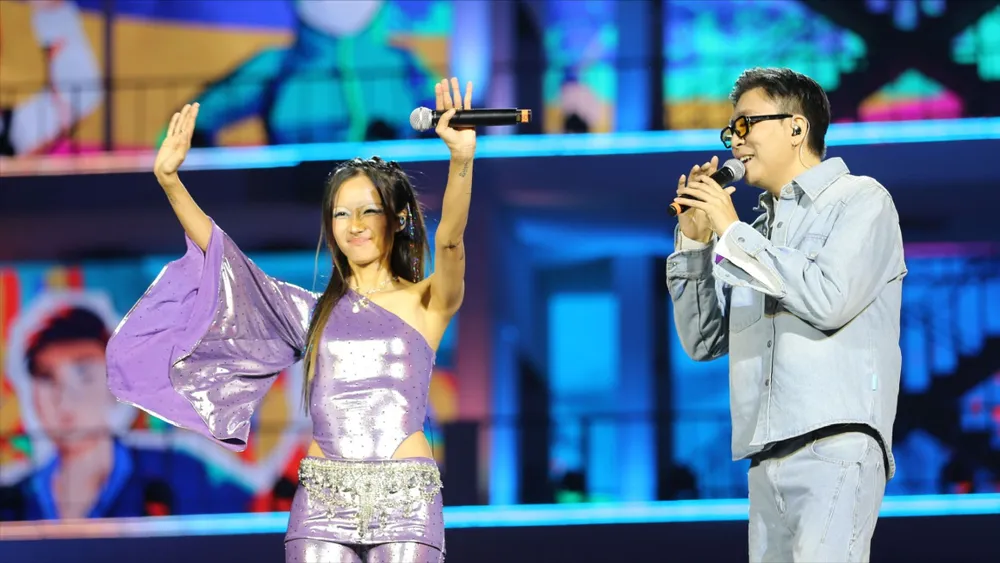
People's Artist Vuong Duy Bien, former Deputy Minister of Culture, Sports and Tourism, warned that without strong measures, lip-syncing will become increasingly common. What's concerning is that this phenomenon is not only present among professional artists but has also spread to public cultural programs, even children's stages. Composer Giang Son also expressed her frustration that many live television programs featuring renowned artists still use pre-recorded tracks. According to the author of the song "Midday Dream," audiences can easily distinguish between genuine emotion and artificial performance. Artists and organizers need to understand that losing authenticity also diminishes the emotional impact of art.



Explaining the prevalence of lip-syncing, music researcher Nguyen Quang Long argues that the pressure to create large-scale programs, combining music with technology, lighting, and choreography, forces many organizers to seek technical solutions to ensure program quality. Therefore, a more objective and empathetic perspective is needed. However, he also emphasizes that technical support cannot be an excuse for artificiality, and the boundary between the two needs to be clearly established.
Artificial intelligence - tools and challenges
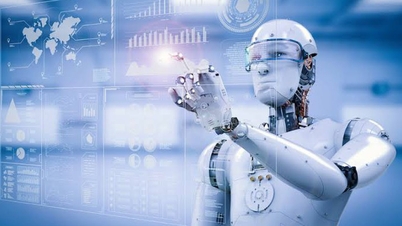
While lip-syncing has been a long-standing issue, artificial intelligence (AI) is creating a new challenge for the creative industry. According to music critic Nguyen Quang Long, AI is no longer simply a technical tool but is increasingly involved in the entire music creation process, from songwriting and arrangement to production.
However, according to musician Giáng Son, AI cannot replace the emotions, life experiences, and personal touch of an artist. “During the judging and evaluation processes, I have encountered many cases of using AI to create lyrics. While AI undeniably provides significant technical support and inspires ideas, it cannot replace the artistic emotion of the artist. Abusing AI will make the work lack humanity,” shared musician Giáng Son.
Sharing this view, musician Cat Van believes that AI is a scientific achievement that the arts cannot ignore. If artists understand and master the tool correctly, they can transform AI into a new force in creativity. “The worrying thing is not the technology itself, but the dependence on it. Over-reliance on AI will cause artists to lose their creative ability, resulting in works that are too similar and lack breakthroughs. If this continues, the creative environment will become monotonous and soulless,” said musician Cat Van.



Most artists believe it's time to bring the stage back to the core values of art, where genuine emotion and creative work are paramount. To achieve this, in addition to professional ethics, it's necessary to quickly complete the legal framework, supplement regulations, strengthen penalties for violations, and establish standards for professional ethics, copyright, and the application of AI. Furthermore, cultivating character and social responsibility among artists should be considered fundamental to preserving honesty, creativity, and humanism.
Source: https://www.sggp.org.vn/cong-nghe-thu-thach-gia-tri-that-cua-nghe-si-post856336.html

![[Image] Overview of the construction site for the underground station of metro line 5 at the Hanoi Ring Road 1 intersection.](https://vphoto.vietnam.vn/thumb/1200x675/vietnam/resource/IMAGE/2026/07/03/1783065595682_ndo_br_z7974930852369-100ca093c306e72675f1d3700966a86b-jpg.webp)