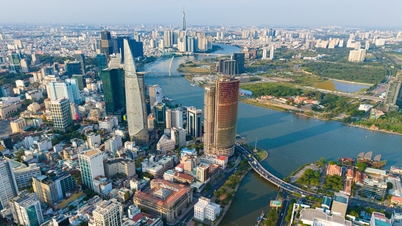
The policy of offering free bus fares in Ho Chi Minh City is not just about fares, but also a significant step in the strategy of developing green transportation and gradually reducing dependence on private vehicles.
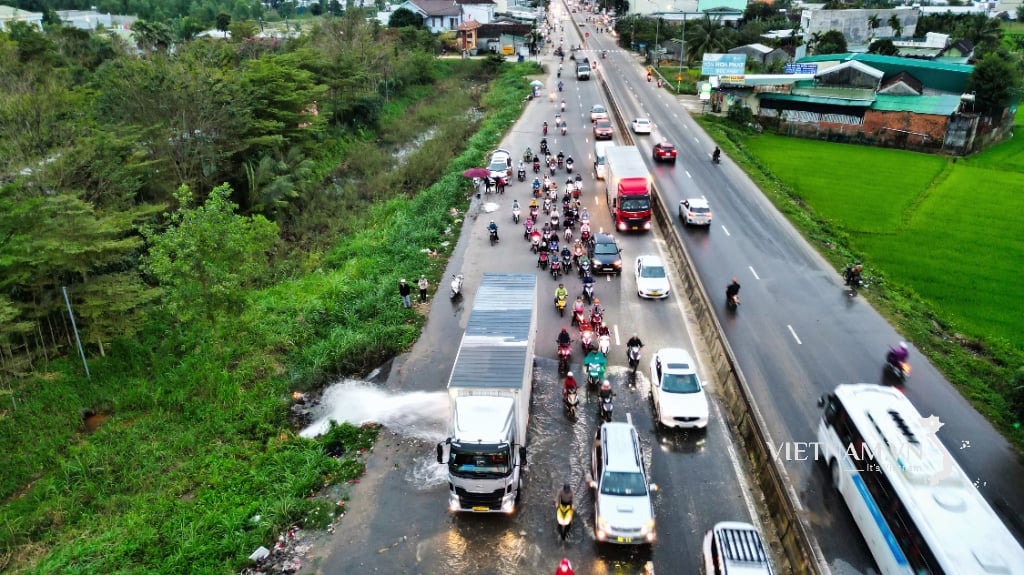
Each year, Ho Chi Minh City sees approximately 600-1,000 deaths due to traffic accidents – according to on-site statistics. Even more concerning, public health studies suggest that fine dust pollution may be linked to around 3,000-5,000 deaths annually in Ho Chi Minh City.
These are silent but enormous losses to society. Therefore, free bus fares are not simply about subsidizing transportation costs, but also represent a policy focused on the environment, public health , and urban welfare.
However, free bus fares are not the deciding factor in people abandoning motorbikes or private cars. Behavioral surveys show that people are most concerned about travel time and flexibility. Even middle- and low-income groups are willing to pay more for faster travel.
To make buses more attractive, Ho Chi Minh City needs to improve the entire "door-to-door" journey, including walking time to the bus stop, waiting time, travel time on the bus, transfers, and travel from the stop to the destination. If the total travel time by public transport is reduced to about 1.5 times that of a motorbike, its appeal will increase significantly.
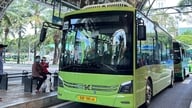


Therefore, free bus fares should be seen as an initial impetus for people to experience the service and change their perceptions. Sustainable effectiveness must come from the quality of service.
To maximize the benefits of the policy for the people, it is first necessary to expand the bus network to areas lacking routes, especially suburban areas, new residential areas, industrial zones, and schools. People will only benefit when their homes and workplaces are truly conveniently accessible by bus.
Bus services in Ho Chi Minh City need an increase in the number of vehicles and operating frequency. A competitive public transport system must ensure that people can find a bus at the station as soon as they arrive, minimizing waiting times. In addition, the transition to electric buses should be accelerated. This is a direction aligned with green transport goals, helping to reduce emissions, operate more smoothly, and enhance the passenger experience.
Significant investment is needed in connecting the initial and final stages of transportation. Transfer points should be integrated with private parking areas, public bicycle rentals, and passenger pick-up vehicles to expand the service coverage of buses and the metro. Furthermore, the city needs to improve its technological platform to allow citizens to easily look up routes, know the exact bus arrival times, make convenient payments, and connect multiple modes of transport on a single application.
Buses are an important short-term solution, but in the long term, the metro must remain the backbone of the public transport system. Buses will play a supplementary role, gathering passengers and covering areas not yet reached by the metro.
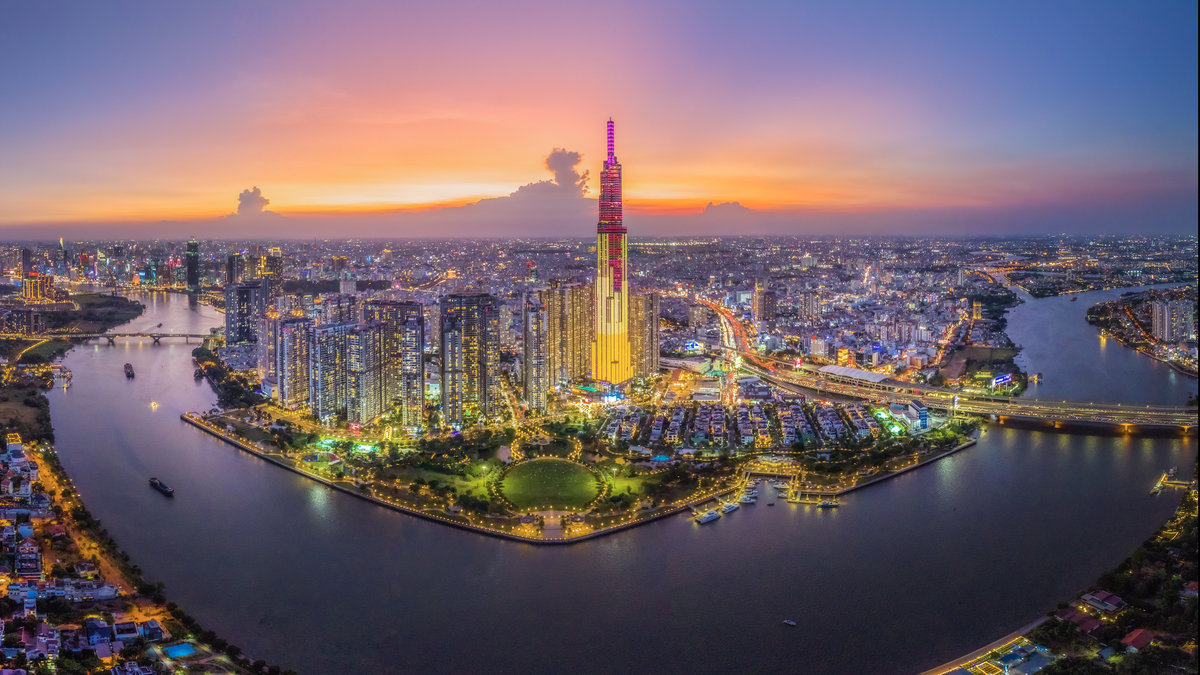
Ho Chi Minh City currently has millions of motorbikes and private cars, putting immense pressure on urban infrastructure. Therefore, free bus fares should not be viewed as simply a budget expenditure. If done well, this is an investment that will bring about cleaner air, safer traffic, and a better quality of life for the people. Most importantly, today's policy impetus must bring about real changes in the quality of service tomorrow.



According to NLDO
Source: https://baogialai.com.vn/cu-hich-ban-dau-post591180.html
![[Photo] Strengthening character and expertise: Intense training for artillery soldiers.](https://vphoto.vietnam.vn/thumb/1200x675/vietnam/resource/IMAGE/2026/06/30/1782815602541_lu-368-1875-4571-jpg.webp)