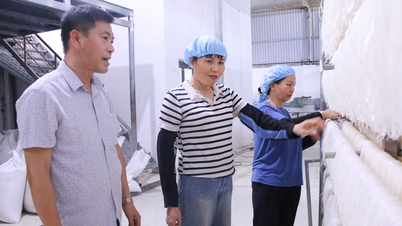
With its strategic core content and strong determination from the central to local levels, Resolution 68 serves as a foundation for affirming the increasingly strong role and position of the private economic sector in the country's modernization and international integration process.
Resolution 68 is of historical significance and opens up many expectations for the private economic sector. Not only does it create new confidence and momentum for the business community, but it also provides impetus for a determined commitment to reform from Party committees at all levels.
Resolution 68 emphasizes: “In a socialist-oriented market economy, the private sector is the most important driving force of the national economy, a pioneering force promoting growth, creating jobs, improving labor productivity, national competitiveness, industrialization, modernization, and restructuring the economy towards a green, circular, and sustainable direction.” Thus, the private sector is no longer a “supplement” but is affirmed as a crucial driving force of the economy. This represents a fundamental shift in thinking, reflecting the Party's strategic vision in the context of Vietnam entering a new stage of development: accelerating industrialization and modernization; and deeply participating in global value chains.
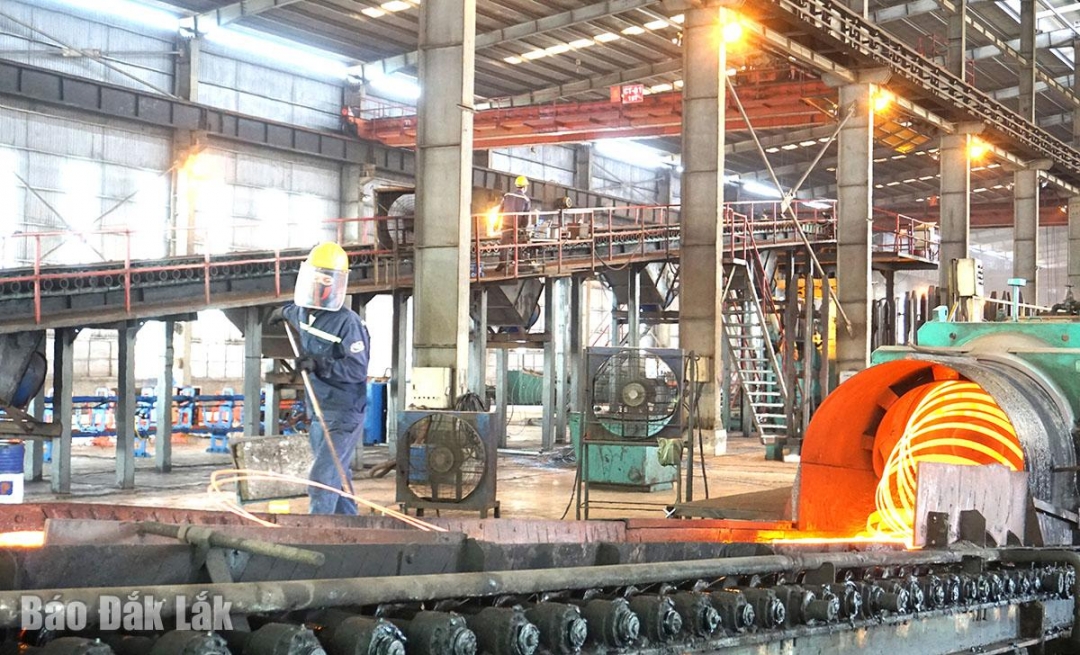 |
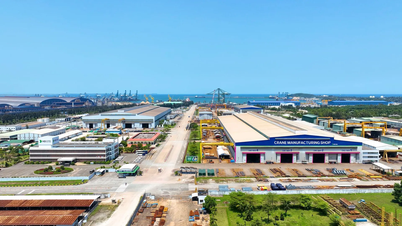
| Steel production operations at ASEAN Steel Joint Stock Company. |
After more than 35 years of reform, the private sector has demonstrated strong vitality: contributing over 40% of GDP and creating jobs for tens of millions of workers. For Dak Lak province , in the first six months of 2025 alone, the province's total budget revenue reached over 8,700 billion VND, with the private sector contributing over 26%. This sector also provided employment for more than 31,600 workers. Many businesses have leveraged their advantages, expanded their markets, deeply integrated into the international economy, and played a leading role in the province's import and export activities.
We hope that the reform commitments will be implemented quickly, helping businesses to have easier access to land, capital, and markets. Because when the State plays a facilitating role, and businesses promote innovation and social responsibility, the private sector will be strong enough to become a pillar, along with the state and collective economies, leading the sustainable development of the country.” Chairman of the Provincial Business Association , Huynh Van Dung |
At a recent conference on the development of the private sector, Prime Minister Pham Minh Chinh affirmed that the State must play a proactive and service-oriented role, avoiding rigid administrative intervention or acting as a substitute for businesses. All policies must prioritize the people and businesses as the central focus and beneficiaries. The government must shift from a management and control mindset to a partnering mindset, creating conditions for private businesses to truly become a vital driving force of the economy.



Immediately after Resolution 68 was issued, the Government developed Resolution 138 on the Government's Action Plan, setting a target that by 2030, the private sector would contribute approximately 55-58% of GDP and have 2 million operating businesses. Ministries, sectors, and localities simultaneously joined forces, concretizing this through action plans, reforming administrative procedures, and creating a transparent investment environment.
In Dak Lak, a region with rich potential after the province's merger, the commitment is clearly demonstrated through the Provincial Party Committee's Plan 10-KH/TU dated August 12, 2025, on implementing Resolution 68. The province aims to have over 29,000 operating businesses by 2030, contributing 55-58% of the GRDP; and at least 53,000 businesses by 2045, contributing approximately 60% of the GRDP.
To realize these goals, the plan outlines eight key tasks and solutions. First and foremost is the renewal of thinking, creating high unity in awareness and action; arousing the nation's confidence and aspirations for progress, forming new momentum and impetus for the development of the private sector. Simultaneously, it involves continuing to promote reforms, improve and enhance the quality of institutions and policies; ensuring property rights, freedom of business, fair competition, and contract enforcement.
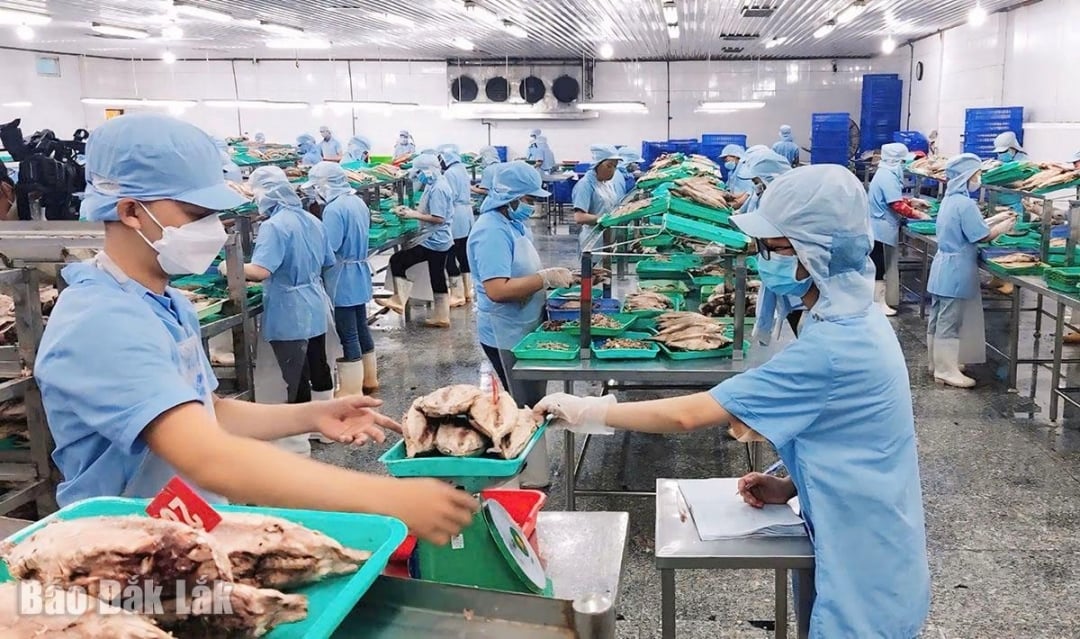 |
| Canned fish production at Blue Ocean Canned Food Joint Stock Company, Hoa Hiep Industrial Zone. |
The Provincial Party Committee also focuses on creating conditions for the private sector to more effectively access resources such as land, capital, and high-quality human resources; promoting the application of science and technology, innovation, digital transformation, and green transformation, towards sustainable development. Along with this are practical support policies for small and micro enterprises and business households; encouraging and upholding business ethics and social responsibility; fostering an entrepreneurial spirit; and creating a favorable environment for entrepreneurs to participate extensively in the governance and development of the country.
Based on the resolutions of the Central Committee and the provincial plan, Party committees at all levels in the province have developed specific plans and clearly assigned responsibilities to each agency and unit according to the "six clear" principle (clear person, clear task, clear authority, clear responsibility, clear time, and clear results) so that Resolution 68 can be quickly put into practice.
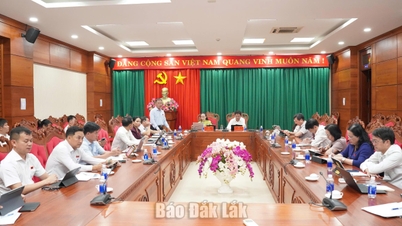
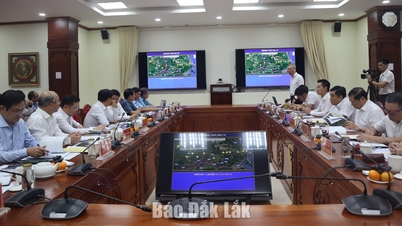
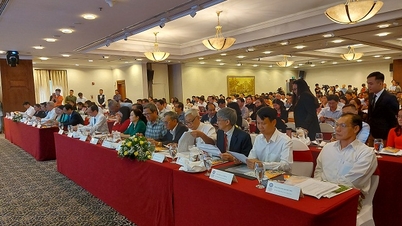
According to the Deputy Secretary of the Provincial Party Committee and Chairman of the Provincial People's Committee, Ta Anh Tuan, the Provincial People's Committee has directed departments, agencies, and associations to organize many forums and conferences for businesses. These also serve as an important bridge between businesses and the government. Through these events, provincial leaders listen to, address, and guide businesses in their development in line with the new situation. In addition, departments and agencies have organized activities to disseminate and guide businesses on new regulations and create conditions for businesses in the province to participate in exhibitions and product presentations. Provincial leaders are committed to supporting and promptly resolving difficulties so that businesses can confidently invest in production and business.
After nearly five months of implementing Resolution 68 in the province, initial results have been very positive. Propaganda work has been carried out more comprehensively; the awareness and actions of officials, businesses, and the people have clearly changed; the number of newly established businesses and enterprises has increased, and many businesses that had temporarily ceased operations have resumed activity. In particular, many businesses have boldly proposed large and important projects such as: the investment project to build and operate infrastructure in Hoa Tam Industrial Park - Phase 1; the investment project to build Bai Goc Port; the investment project to build and operate infrastructure in Phu Yen High-Tech Industrial Park… Departments, agencies, and localities have coordinated more closely in resolving difficulties and obstacles faced by businesses.
(To be continued)



Source: https://baodaklak.vn/kinh-te/202509/cu-hich-cho-kinh-te-tu-nhan-phat-trien-ky-2-e6020d6/
![[Photo] Strengthening character and expertise: Intense training for artillery soldiers.](https://vphoto.vietnam.vn/thumb/1200x675/vietnam/resource/IMAGE/2026/06/30/1782815602541_lu-368-1875-4571-jpg.webp)