

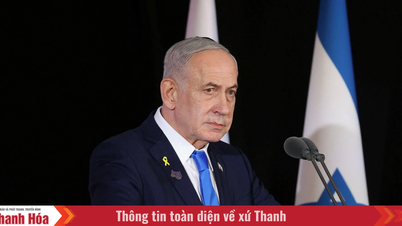
On June 30th, French citizens went to the polls to vote in the first round of the snap parliamentary elections .
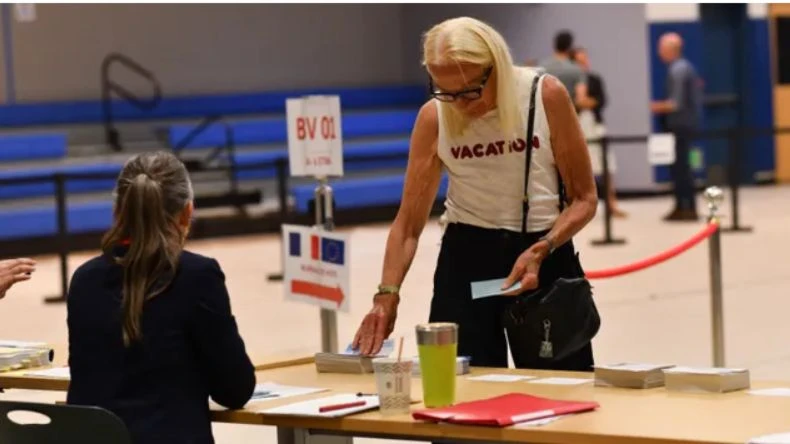
According to the published list, the first round of early elections saw the participation of 4,011 candidates, a sharp decrease compared to the total of 6,293 candidates in 2022. This is because political groups without representation in Parliament have dissolved and did not have time to select candidates.
The second round will be held on July 7th. The candidate with the most votes in the second round will win a seat in parliament. The results of the two-round election are expected to impact European financial markets, Western support for Ukraine, and how France manages its nuclear arsenal and military forces globally.
A poll conducted by the international market research and polling firm Ifop suggests that approximately 64% of voters will turn out in the first round, significantly higher than the 51.5% turnout in the recent European Parliament elections and 47.5% in the first round of the 2022 legislative elections.
According to data from the French Institute for Domestic and Global Market Opinions and Research, President Macron's center-right party could win 20% of the vote, trailing the New Popular Front with 28%. Marine Le Pen's far-right National Rally party could win with 36% of the vote.
President Macron decided to hold elections after his moderate coalition lost to right-wing forces in the European Parliament elections. Macron affirmed that he would continue to serve until the end of his term in May 2027, regardless of who wins the parliamentary elections.
If the National Rally party wins a majority in parliament, Macron will need to appoint a Prime Minister from within that party. President Macron will retain the power to decide on foreign and defense policy, but will face obstacles in making domestic policy decisions, including economic and national security decisions.
THANH HANG
Source: https://www.sggp.org.vn/cu-tri-phap-bau-quoc-hoi-moi-post747111.html

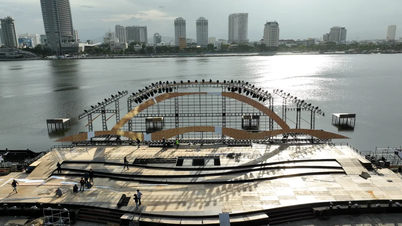
![[Photo] The heat at the fireworks display site on the opening night of the Da Nang International Fireworks Festival 2026](https://vphoto.vietnam.vn/thumb/1200x675/vietnam/resource/IMAGE/2026/05/27/1779889741485_ndo_br_z7872039145157-fecaba5112f39e8352544099d7ef4738-5140-jpg.webp)
![[Photo] The courage of new recruits of Brigade 144 on the training ground.](https://vphoto.vietnam.vn/thumb/1200x675/vietnam/resource/IMAGE/2026/05/27/1779881651341_anh-man-hinh-2026-05-27-luc-18-32-52.png)









































![[Photo] The courage of new recruits of Brigade 144 on the training ground.](https://vphoto.vietnam.vn/thumb/402x226/vietnam/resource/IMAGE/2026/05/27/1779881651341_anh-man-hinh-2026-05-27-luc-18-32-52.png)

















Comment (0)