

Influenza can progress to severe pneumonia, so patients should drink plenty of fluids, eat nutritious food, avoid smoky environments, and rest to prevent complications.
Influenza can progress to severe pneumonia, so patients should drink plenty of fluids, eat nutritious food, avoid smoky environments, and rest to prevent complications.
Preventing complications of pneumonia caused by seasonal influenza.
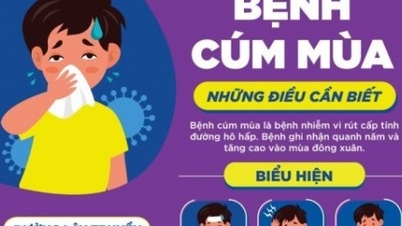
During transitional seasons, the unpredictable weather creates favorable conditions for the growth of various bacteria and viruses that cause disease, including seasonal influenza.
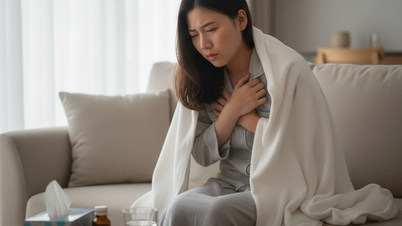
According to doctors, people with the flu only experience symptoms such as sneezing, runny nose, and muscle aches. Young, healthy people who get the flu usually don't have serious symptoms, and the symptoms may disappear after two weeks.
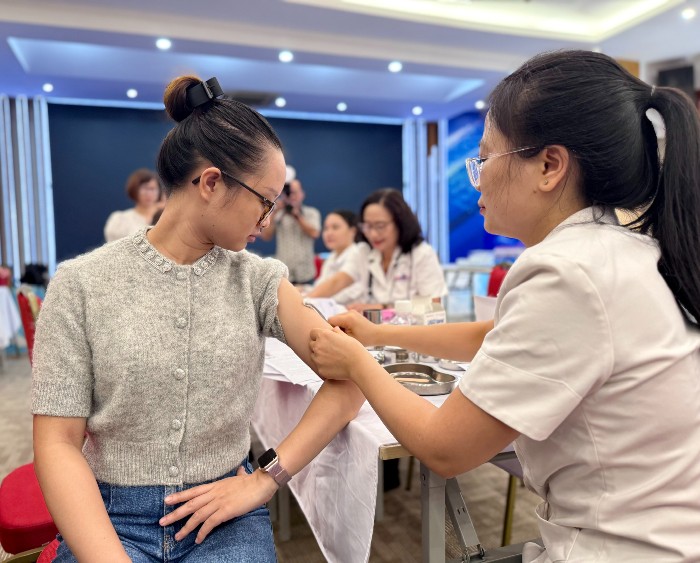 |
| To prevent influenza, it is recommended that people get the seasonal flu vaccine to create an immune shield for the body, increasing its ability to fight against disease-causing bacteria and viruses. |
Children, the elderly, and people with weakened immune systems who contract influenza can experience serious complications, including pneumonia. This is one of the severe complications of influenza. Patients may develop pneumonia caused by the influenza virus or pneumonia due to a secondary bacterial infection.
Older adults and those with chronic illnesses who develop pneumonia after contracting the flu may die if not treated promptly.
To prevent pneumonia when suffering from the flu, people should avoid cigarette smoke because the chemicals in cigarettes can weaken the immune system, reducing the body's ability to protect itself from disease-causing microorganisms.
Exposure to cigarette smoke increases the levels of cytokines and pro-inflammatory immune cells such as neutrophils and macrophages, causing them to become overactive. This can lead the immune system to overreact to the influenza virus.
The toxins in cigarette smoke also paralyze ciliated cells, reducing the body's sensitivity to coughs that promote the elimination of the flu virus.
This means that people who have had the flu may experience prolonged pneumonia and greater lung tissue damage compared to non-smokers. People with chronic obstructive pulmonary disease (COPD) who contract the flu may experience a worsening of their condition.
People who smoke and get the flu are 1.5 times more likely to be hospitalized and 2.2 times more likely to require intensive care compared to people who have never smoked.
Abstaining from alcohol helps limit damage to the lung's immune cell system, which functions to consume and eliminate viruses and bacteria, such as alveolar macrophages and phagocytes. This habit also increases dehydration, hinders immune function, and triggers inflammatory responses.
Maintain good personal hygiene, such as washing hands frequently with soap after coughing, sneezing, using the toilet, and before eating or preparing food, to limit the spread of viruses and bacteria. Cleaning the ears, nose, and throat with warm saline solution helps soften mucus and reduce nasal congestion.
Avoid injuring your nose, as damage creates an opportunity for viruses and bacteria to enter and cause inflammation. Maintain good oral hygiene to prevent pathogens from entering through the nose and throat.
Taking a quick warm shower in a sheltered area, then drying off quickly and gently, helps to relax, reduce fatigue, clear phlegm in the throat, and open up the nasal passages, making breathing easier.
Drinking plenty of warm water helps prevent dehydration, supports detoxification, increases lymphatic production, and improves the respiratory immune system. Patients experience reduced coughing, soothed sore throats, and increased ability to prevent pathogens from entering the body and causing infections.
Patients can drink electrolyte water, thin porridge, fruit and vegetable juices, low-sugar smoothies, ginger water, and honey-lemon water. On average, adults need to consume about 1.5-2 liters of fluids from drinks and food.
Avoid contact with sick people or crowded places, wear a mask, and keep your neck warm with a scarf when going out to prevent the spread of disease and prevent infection with agents that can lead to pneumonia.
Eating a balanced diet, prioritizing green vegetables and foods rich in vitamin C and zinc, can improve immunity and boost resistance.
Limit spicy, sugary, or fatty foods. Symptoms can cause fatigue and loss of appetite. Meals should be divided into smaller portions throughout the day, with increased intake of easily digestible, liquid foods such as porridge and soup to aid recovery.
Regular exercise speeds up recovery time if you have the flu and reduces the risk of complications such as pneumonia.
Physical activity helps increase the concentration and stimulate the activity of white blood cells, improving immune responses. The body reduces oxidative stress levels, thereby decreasing the risk of inflammatory damage in the lungs.
Maintaining this habit regularly improves blood circulation, delivering oxygen to damaged lung tissues. Respiratory muscle strength is enhanced, lung function improves, and the risk of complications such as pneumonia is reduced. Exercise also reduces the risk of several diseases such as diabetes, high blood pressure, and obesity.
Get adequate rest to allow your body time to recover, avoiding overwork or strenuous activity. Patients need to ensure they get enough sleep and maintain a relaxed state of mind to boost their immune system.
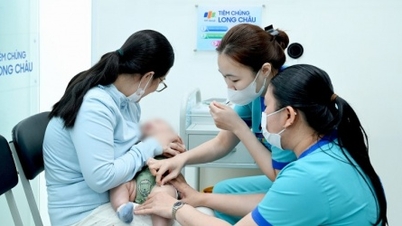
Vaccination creates an immune shield for the body.
To prevent influenza and its complications, as recommended, people should get the seasonal flu vaccine to create an immune shield for the body, increasing its ability to fight against disease-causing bacteria and viruses. Maintaining clean living spaces and paying attention to controlling temperature and humidity in rooms are also important.
In addition, it is necessary to manage underlying conditions well. People who are obese, have diabetes, asthma, chronic obstructive pulmonary disease (COPD), or heart disease need to manage their underlying conditions. This is because these groups have a higher risk of developing pneumonia after contracting the flu compared to the general population.
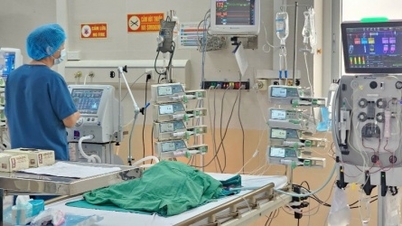
Influenza can develop into pneumonia approximately 7-10 days after the onset of flu symptoms. If you experience persistent fever, fatigue, muscle weakness, shortness of breath, severe or sharp chest pain, rapid heartbeat, blue lips and fingernails, etc., you should seek medical attention promptly.
According to Dr. Nguyen Thi An of the Safpo/Potec Vaccination System, seasonal influenza is usually mild with vaccination, but in some cases it can progress to severe symptoms such as high fever, shortness of breath, pulmonary edema due to heart failure, and can even be fatal.
According to experts, anyone can get the flu, but it is most common in individuals with underdeveloped immune systems or weak resistance, such as infants: Infants under 6 months old who have not been vaccinated against the flu are at very high risk of contracting the flu.
For premature babies (born under 32 weeks) with underlying health risks, the likelihood of contracting the flu is higher and the symptoms are more severe.
Children, especially those under 2 years old with underdeveloped immune systems, are at high risk of contracting infectious diseases, including seasonal influenza.
Children with underlying conditions such as asthma, metabolic disorders, congenital heart disease, liver disease, kidney disease, etc., are at particularly high risk of contracting influenza and its complications. Therefore, children are always recommended to receive all necessary flu vaccinations and booster shots annually.
Adults over 65 years old; and those with underlying chronic conditions such as diabetes, heart or lung disease, kidney or liver failure, or weakened immune systems are at higher risk of developing severe complications from influenza.
Pregnant or breastfeeding women also need to pay special attention to avoid contracting the flu, as it can have a significant impact on their health.
Accordingly, during pregnancy, a woman's body undergoes many changes, hormonal fluctuations occur, and the immune system weakens, leading to a decrease in her resistance to illness.
This makes pregnant women's bodies more sensitive and susceptible to pathogens. Similarly, after childbirth, women experience a decline in physical health and immunity, making them more vulnerable to influenza viruses.
Therefore, people over 50, those with weakened immune systems, underlying medical conditions, diabetes, hypertension, COPD, and young children should get vaccinated annually.
Regarding the question of why seasonal flu vaccinations are necessary every year, doctors explain that seasonal flu is caused by influenza viruses (usually four strains: H1N1, H3N2, and two strains from group B) and spreads within the community with the ability to constantly change antigens (we are frequently exposed to new flu viruses) but according to certain genetic rules. Because different strains of influenza viruses circulate each year, we need a booster shot of the seasonal flu vaccine annually (once a year).
The World Health Organization (WHO) has long established seasonal influenza virus monitoring stations around the world (including in Vietnam) to isolate and identify circulating seasonal influenza viruses in different regions (geographical areas, climates, Northern and Southern hemispheres, etc.).
From this, we can predict and identify the influenza virus strains that will appear during the winter and spring seasons in the Northern Hemisphere (from October to the end of April of the following year) and in the winter and spring seasons in the Southern Hemisphere (from May to October annually).
By determining which influenza virus strains are likely to be prevalent in which regions (Northern and Southern Hemispheres), the WHO will issue guidelines on influenza virus strains for the production of seasonal flu vaccines. Vaccine manufacturers will follow these guidelines and supply the market at the optimal time (around August-September in the Northern Hemisphere and April-May in the Southern Hemisphere each year).
That's why we in Vietnam need to get a seasonal flu vaccine once a year, before the flu season begins, and we need to get the recommended seasonal vaccine.
Because Vietnam is located in the tropical monsoon region, the flu season in the North and South may differ slightly, but since we are entirely in the Northern Hemisphere and according to WHO recommendations, we should get the correct Northern Hemisphere vaccine according to the season, which covers the period from winter this year to the end of spring next year.
Source: https://baodautu.vn/cum-mua-va-bien-chung-viem-phoi-d228996.html


![[Photo] General Secretary and President To Lam meets with National Assembly delegates from ethnic minorities.](https://vphoto.vietnam.vn/thumb/1200x675/vietnam/resource/IMAGE/2026/04/20/1776696701056_a1-bnd-8331-3342-jpg.webp)


![[Image] National Assembly discusses the implementation of the socio-economic development plan.](https://vphoto.vietnam.vn/thumb/1200x675/vietnam/resource/IMAGE/2026/04/20/1776696707422_ndo_br_img-20260420-185419-jpg.webp)





































































Comment (0)