

Older adults often have at least one underlying condition such as high blood pressure, diabetes, cardiovascular disease, or chronic lung disease. Vaccination is not only aimed at preventing illness but, more importantly, at reducing the risk of severe illness and complications, according to the health website Healthline (USA).
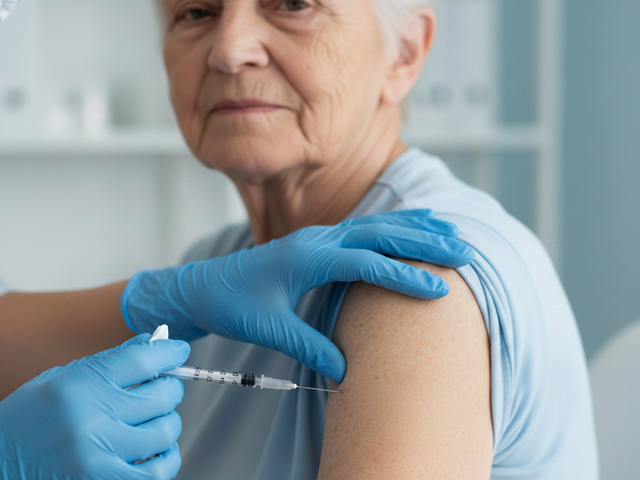
Older adults should get a flu vaccine once a year to reduce the risk of complications.
PHOTO: AI
People over 60 should get the following vaccines:
Seasonal flu vaccine
Influenza is not just a common cold-like illness; it can cause sudden high fever, body aches, and severe headaches. In older adults, influenza can trigger pneumonia, worsen cardiovascular and respiratory conditions, and even lead to respiratory failure and hospitalization.
The U.S. Centers for Disease Control and Prevention (CDC) vaccination guidelines for older adults recommend a flu vaccine once a year. This injection reduces the risk of complications. The vaccine helps the body produce antibodies, allowing it to react more quickly when the flu virus enters the body and reducing the risk of severe illness.
People over 60 should get vaccinated before flu season. Those with underlying health conditions or weakened immune systems should consult their doctor to choose the appropriate vaccine and timing.
Pneumococcal vaccine
Pneumococcal bacteria can cause pneumonia, sepsis, and meningitis. These are particularly dangerous conditions in older adults.
The U.S. CDC recommends that people aged 50 and older get the pneumococcal vaccine. The vaccine helps the body create antibodies against the pneumococcal bacteria types included in the vaccine. As a result, when exposed to the disease, the immune system can recognize and neutralize the bacteria more quickly, helping to reduce the risk of widespread infection and complications.
Shingles vaccine
Shingles, or herpes zoster, is a condition in which varicella-zoster, the virus that causes chickenpox, which had been dormant in the body, reactivates. In older adults, shingles not only causes burning pain but can also lead to prolonged post-herpetic neuralgia, significantly impacting quality of life.
Therefore, people aged 50 and over are recommended to receive two doses of the Shingrix vaccine, spaced 2-6 months apart. There is no maximum age limit for vaccination.
Once in the body, the vaccine reactivates immunity against the virus that causes shingles, helping the body keep the virus in an inactive state more effectively, thereby reducing the likelihood of an outbreak. After injection, people may experience pain at the injection site and fatigue for a few days, according to Healthline .
Source: https://thanhnien.vn/3-loai-vac-xin-nguoi-lon-tuoi-nen-tiem-185251228180834372.htm

![[Image] Hanoi's urban life under the challenge of a "scorching hot" environment](https://vphoto.vietnam.vn/thumb/1200x675/vietnam/resource/IMAGE/2026/05/25/1779706979265_nang-nong-t5-2026-minh-duy-7-4636-jpg.webp)


![[Image] Close-up view of the interchange connecting the two expressways and Long Thanh Airport.](https://vphoto.vietnam.vn/thumb/1200x675/vietnam/resource/IMAGE/2026/05/25/1779703378210_ndo_br_z7863716673926-224453a31600126cce10622af6290afd-4549-jpg.webp)




























































































Comment (0)