Staff at Van Xuan Health Station provide advice to mothers raising young children.
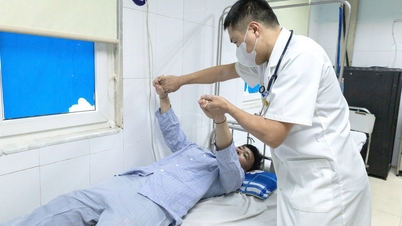
According to the report of the People's Committee of Van Xuan commune, during the period 2023-2025, the health station maintained stable medical examination and treatment activities and effectively carried out preventive health care and primary healthcare tasks for the people. The total number of medical examinations at the station is nearly 3,000 per year. The expanded immunization program consistently achieves a high rate; the health insurance coverage rate in the area reaches over 95%, and is expected to reach 100% in 2025. Besides routine medical examination and treatment, the station also implements many technical services according to the assigned levels, such as initial first aid, reproductive health care, family planning, expanded immunization, health management for students and the elderly, and non-communicable diseases. The management of electronic health records, health insurance medical examinations and treatments, and statistical reporting are also gradually being implemented on a digital platform.
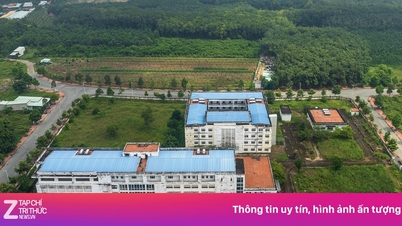
However, despite the achievements, the grassroots healthcare system still faces many difficulties and challenges. In Van Xuan commune, although a new health station with 9 sturdy functional rooms was built in 2023, the unit still lacks many essential items such as staff housing, a kitchen, and a backup generator. Some equipment is outdated or no longer effective. Two computers, used since 2009, operate slowly, affecting the updating of electronic data. The black and white ultrasound machine provided many years ago is now unusable due to a lack of qualified personnel. The oxygen concentrator, equipped under the health station construction project, is also broken and cannot be repaired.
Mr. Lo Viet Long, Head of Van Xuan Health Station, Van Xuan Commune, said: “The biggest difficulty right now is still the human resources. The station only has 5 medical staff members, including 1 doctor, 3 nurses, and 1 preventive medicine assistant. Meanwhile, the workload is increasing, from medical examination and treatment, vaccination, management of non-communicable diseases, population, food safety, disease prevention and control to administrative work, reporting and statistics. The lack of specialized positions such as obstetric and pediatric medicine assistants, pharmacists, laboratory technicians, accountants, and administrative staff forces medical staff to take on multiple tasks.”


This reality is also considered by the provincial health sector as one of the biggest challenges currently. For mountainous areas like Van Xuan, the difficulties are even greater due to complex geographical conditions and scattered populations. People's access to healthcare services remains difficult, especially in remote villages. Unstable internet connections frequently affect the operation of medical examination and treatment management software, electronic health records, and online reporting.
In the field of vaccination, although the station is equipped with specialized refrigerators for vaccine storage, power outages during hot weather or storms still pose a risk to the cold chain. Because there is no backup generator, healthcare workers always have to proactively implement various measures to ensure vaccine safety.
These difficulties are not unique to Van Xuan but are also a reality for many health stations in mountainous areas throughout the province. Many health stations in remote areas still lack equipment, with much of it being old or damaged; vaccine storage is difficult due to unstable power supply. Some places have not fully met the national criteria for community health centers.
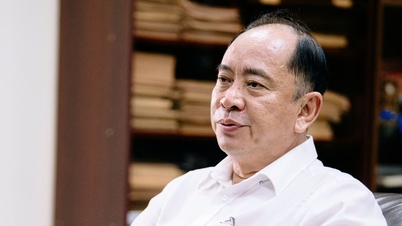
Dr. Le Van Cuong, Director of the Department of Health, stated: "In the context of implementing a two-tiered local government system, Thanh Hoa's health sector is deploying a plan to reorganize the grassroots healthcare system. The goal is to streamline the apparatus, maximize resource efficiency, and simultaneously strengthen human resources, equipment, and improve the quality of operation of the grassroots healthcare system. For localities, this is considered an important opportunity to consolidate the capacity of the grassroots healthcare system. Adding doctors, professional personnel, investing in modern equipment, and improving infrastructure will contribute to improving the quality of healthcare for the people right from the front lines."
It can be affirmed that, in the strategy for developing the health sector, investing in grassroots healthcare is the most sustainable and effective investment in public health. When commune and ward health stations are comprehensively strengthened in terms of human resources, facilities, and equipment, people will have access to quality healthcare services right in their localities, reducing travel costs, easing the burden on higher-level hospitals, and improving the effectiveness of disease prevention. This is also an important foundation for achieving the goal of protecting, caring for, and improving the health of the people in the new era.
Text and photos: Ha Phuong
Source: https://baothanhhoa.vn/cung-co-nang-luc-nbsp-he-thong-y-te-co-so-290707.htm