

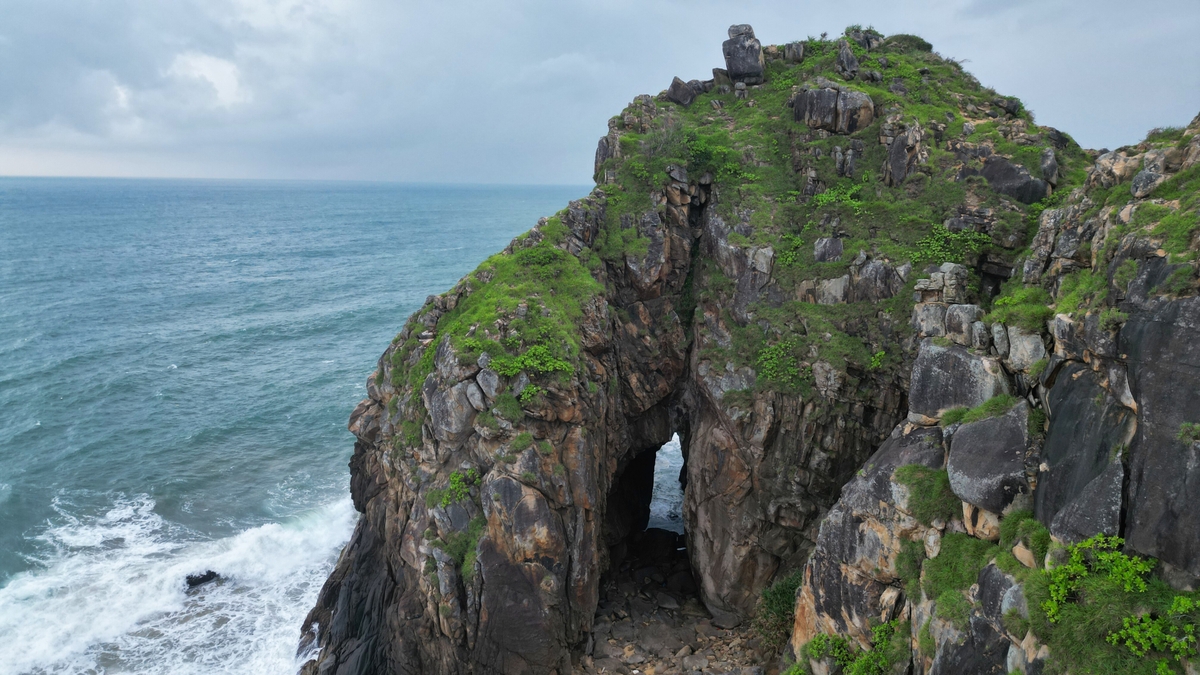
The total area of Hai Phong city is 1,519 km² , including the island districts (Cat Hai and Bach Long Vi). Hills and mountains occupy 15% of the area, mainly distributed in the north. Therefore, the northern terrain has the shape and geological structure of a midland region with plains interspersed with hills; the southern terrain is low and relatively flat, typical of a purely coastal plain, sloping towards the sea, with an elevation of 0.7 – 1.7 m above sea level. The sea area includes Cat Ba Island, considered the jewel of Hai Phong, a beautiful and the largest island in a cluster of over 360 large and small islands surrounding it and connected to the islands of Ha Long Bay. The main island, Cat Ba, is at an altitude of 200 m above sea level, with an area of approximately 100 km² , located 30 nautical miles from the city. More than 90 km southeast of Cat Ba is Bach Long Vi Island, which is relatively flat and has abundant white sand.
Hills and plains

Photo: Duc Nghia
Coast and sea
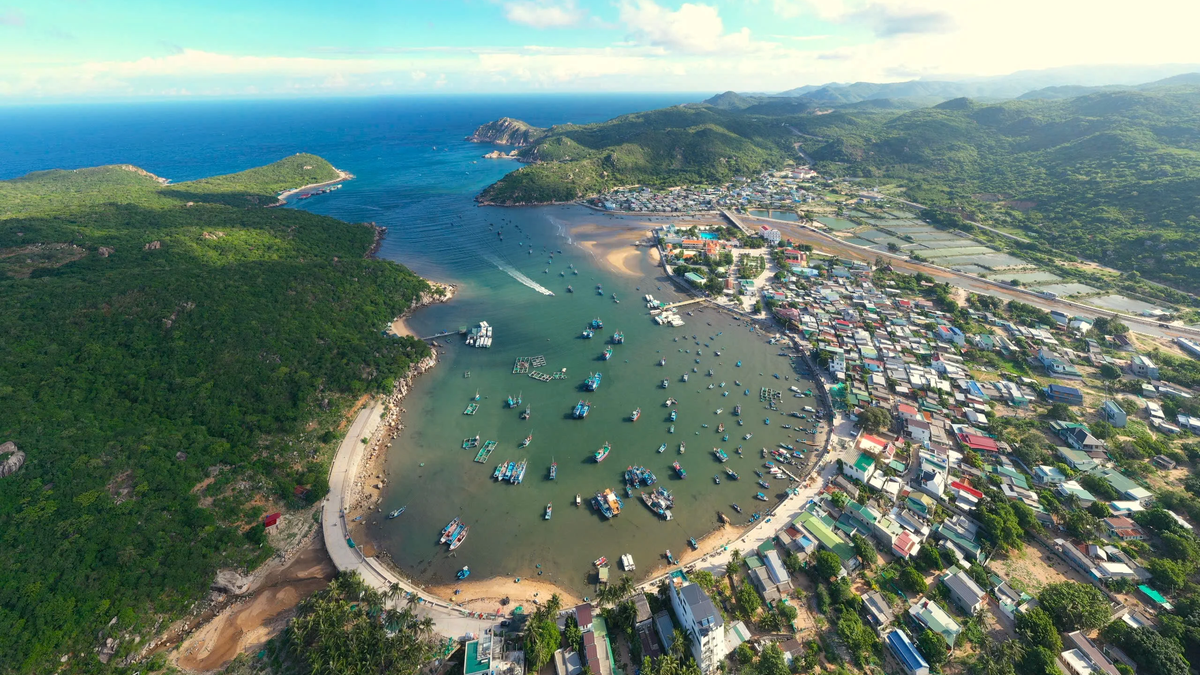
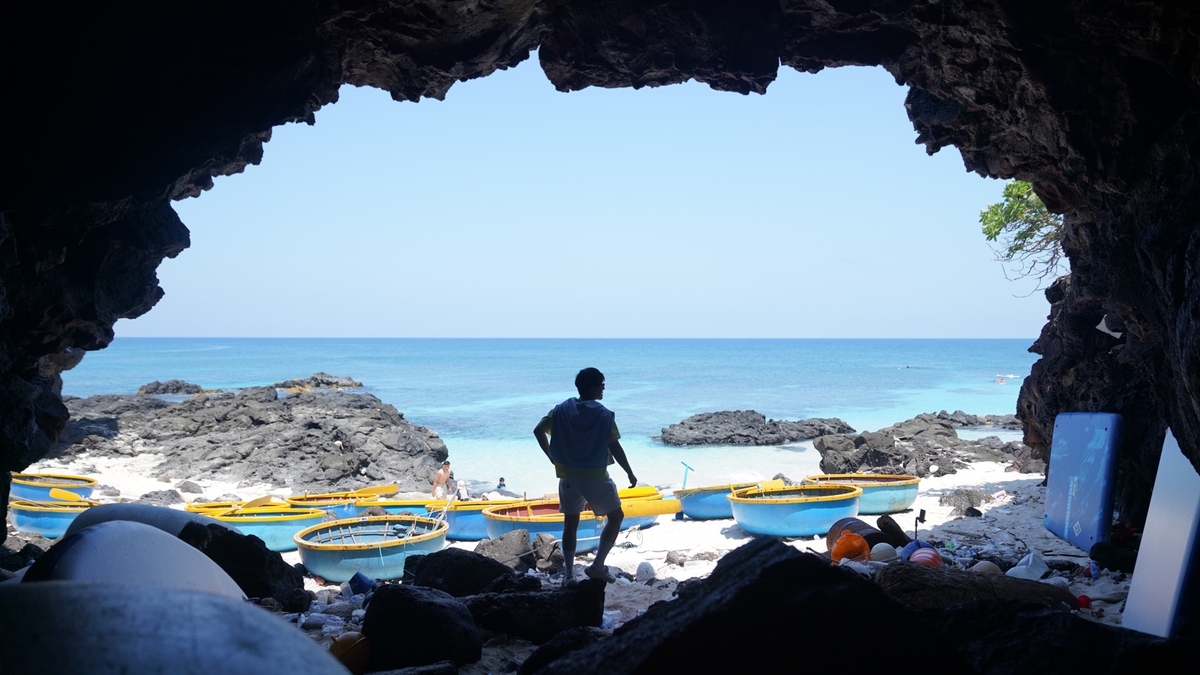
Hai Phong's coastline stretches over 125 km² , is low and relatively flat, mainly composed of sand and mud due to the five main river estuaries flowing into the sea. This is why the sea at Do Son is often murky, but after renovations, the seawater is cleaner, the sand is fine and golden, and the scenery is beautiful. In addition, Hai Phong also has Cat Ba Island, a world biosphere reserve with beautiful beaches, white sand, clear blue water, and the stunning and fascinating Lan Ha Bay. Cat Ba is also the largest island in the Ha Long Bay area.
River
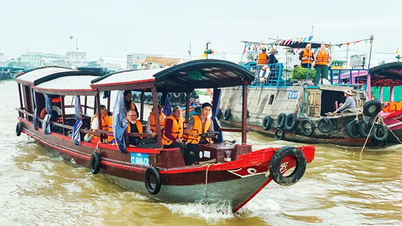
Hai Phong has a high density of rivers and streams, averaging 0.6-0.8 km per 1 km². The slope is relatively gentle, with rivers flowing mainly in a northwest-southeast direction. This is where all the downstream sections of the Thai Binh River flow into the sea, creating a fertile downstream area with abundant freshwater serving the needs of the local population. Hai Phong has 16 major rivers spreading throughout the city with a total length of over 300 km. The main rivers in Hai Phong include:
1. The Da Bac - Bach Dang River, over 32 km long, is a branch of the Kinh Mon River that flows into the sea at the Nam Trieu estuary, forming the boundary between Hai Phong and Quang Ninh.
2. The Cấm River, over 30 km long, is a branch of the Kinh Môn River, flowing through the inner city and emptying into the sea at Cấm estuary.
3. The Lạch Tray River is 45 km long, a branch of the Kinh Thầy River, flowing from Kênh Đồng to the sea through the Lạch Tray estuary, passing through Kiến An, An Hải, and even the inner city.
4. The Van Uc River, 35 km long, flows from Qui Cao and empties into the sea through the Van Uc estuary, forming the boundary between An Lao and Tien Lang districts.
5. The Thai Binh River forms part of the border between Hai Phong and Thai Binh provinces.
6. The Bach Dang River is the border river between Hai Phong and Quang Ninh.
7. In addition, there are many other relatively small rivers located within the inner city area of Hong Bang District.
Provincial e-Government Portal





















































































Comment (0)