 |
The U.S. House of Representatives was paralyzed after a group of hardline conservative Republican lawmakers blocked consideration of the annual defense policy bill, aiming to pressure Congress to prioritize passing a bill aimed at tightening election regulations backed by U.S. President Donald Trump.
This move brought legislative activity in the House of Commons to a standstill for the second consecutive week, dealing another blow to Speaker Mike Johnson, who is struggling to maintain majority unity to push through key bills on defense, the budget, and other areas.
Faced with a prolonged stalemate, Republican leaders were forced to cancel the rest of the week's agenda and allow lawmakers to take an earlier-than-expected Independence Day holiday (July 4), without achieving their legislative goals.
Internal divisions
The latest crisis reflects deepening rifts within the Republican Party over Trump's demand that Congress pass a large-scale election reform bill that would tighten mail-in voting and impose stricter regulations on voter registration and identity verification.
Although most Republican lawmakers supported the proposal and the House had previously passed the bill, the text still lacked sufficient support to pass the Senate. Many Republican lawmakers in both houses argued that Congress should set aside the issue to focus on other pressing priorities.
However, President Trump did not accept that option. A group of conservative lawmakers declared they would not support any other agenda until the election bill was considered, bringing the House of Representatives' activities to a near standstill. In the confrontation on July 1st, this group demanded that House leaders incorporate the election bill into the National Defense Authorization Act (NDAA).
Instead of accepting the proposal, Mike Johnson sought a compromise by pledging to combine the two bills after the NDAA was passed. Last week, following a meeting with the Speaker of the House, Trump also posted a message on social media, urging Republican lawmakers not to paralyze the House and obstruct his party's agenda.
However, neither Johnson's efforts nor President Trump's appeals yielded results. With a vote of 224 against and 198 in favor, the House rejected the procedural resolution that was necessary to bring the defense bill and several other bills, including the foreign aid package, to discussion.
 |
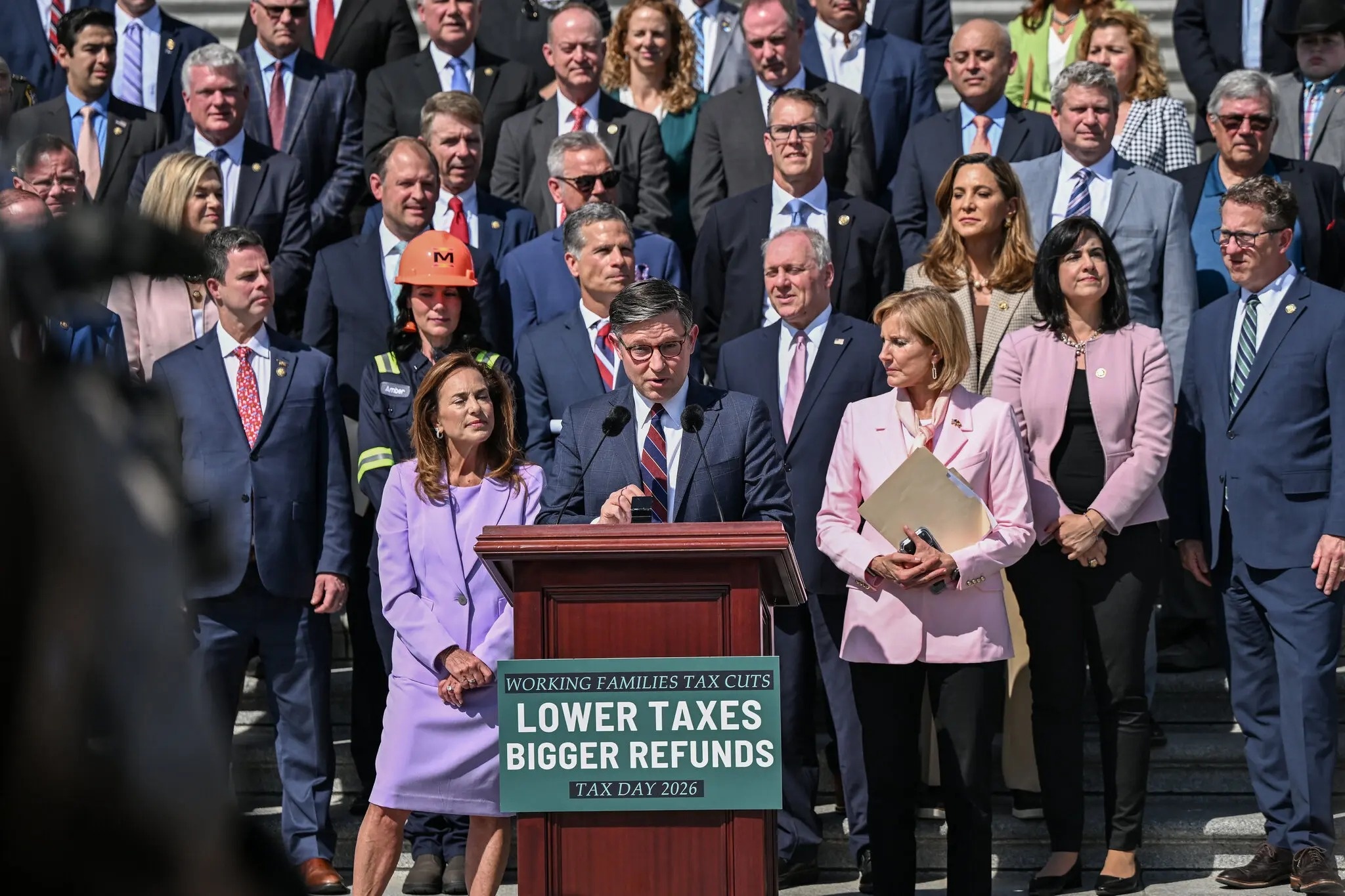
House Speaker Mike Johnson at the Capitol on July 1st. Photo: New York Times. |
Many conservative senators refused to support the bill because they did not believe the Senate would consider the election bill if it was not directly linked to the NDAA.
Representative Anna Paulina Luna, who led the Republican rebellion, declared on social media that the only way to force the Senate to consider the bill was to include its entirety in the NDAA text. However, the House leader refused to allow a vote on this proposal.
In addition, many other Conservative MPs also voiced their opposition, arguing that Speaker Mike Johnson had broken his promise by not bringing the border security bill to a vote before the July 4th holiday.



Freedom Caucus Chairman Andy Harris asserted that the border bill is a key condition for right-wing lawmakers to continue supporting the Republican legislative agenda, including the $70 billion immigration package recently passed by the House of Representatives this month.
A series of disagreements led to 14 Republican lawmakers voting against or against the party leader in a crucial procedural vote, leaving the majority without the necessary votes to bring the defense bill to a debate and plunging the House into a stalemate.
This development further exposes the turmoil within the Republican Party just months before the midterm elections, a time when the party is striving to protect its fragile majority in Congress.
Domino Effect
One of the documents that suffered collateral damage was a symbolic resolution commemorating the tax cuts, reductions in social security spending, and strengthened immigration policies – achievements that Republicans wanted to use to campaign for voters. However, this resolution also could not be debated due to the deadlock in the House of Representatives.
This crisis unfolded just a week after President Trump unexpectedly canceled the signing of a bipartisan housing bill. The president declared he would not sign the bill until election reform was passed. While the Senate was on a two-week Independence Day recess, the House of Representatives was also forced to halt all legislative activity because conservatives were adamant about not compromising.
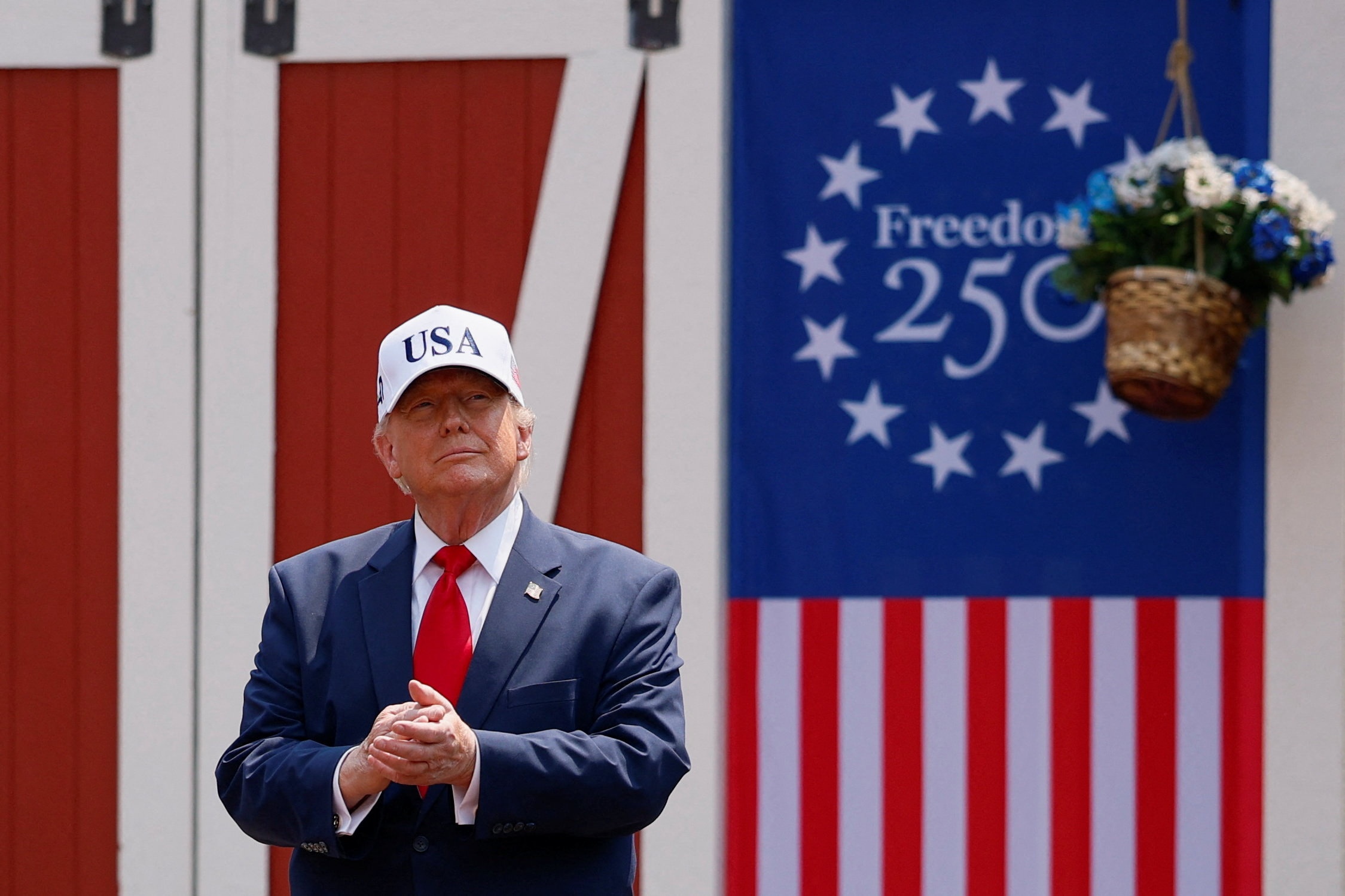 |
US President Donald Trump speaks at the Burning Hills Outdoor Theater on the opening day of the Theodore Roosevelt Presidential Library in Medora, North Dakota (USA) on July 1. Photo: Reuters. |
Immediately after the vote, Speaker Mike Johnson stated that Republican leaders would continue to seek solutions to pass the defense bill before the House adjourned for the planned holiday on July 3rd.
Johnson argued that it was absurd for the House of Commons to be suspended simply because the Senate had not yet dealt with the election bill, while acknowledging the inherent difficulties of governing with such a close majority.
Nevertheless, he also expressed disappointment with members of his own party, saying that some "sometimes make irrational decisions." By the end of the day, he was forced to abandon his efforts to advance the agenda and declared the House of Representatives adjourned.
According to the plan, both the US House of Representatives and the Senate will only resume work on July 13th.
Pressure from the Democratic Party
Democratic lawmakers were quick to criticize the deadlock, saying it was the latest example of the Republican Party's inability to govern effectively.
House Democratic leader Hakeem Jeffries stated that the Republican Party "is incapable of effectively governing Congress" and called the current situation "a mess" that has persisted since the beginning of the new congressional term.
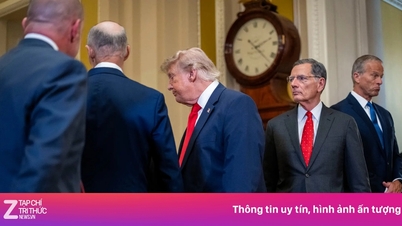
On the Senate side, Majority Leader John Thune repeatedly asserted that the Republican Party did not have the 60 votes needed to overcome the Democrats' delaying tactics regarding the election bill. He also stated that there was insufficient support to change the rules to pass the bill with a simple majority.



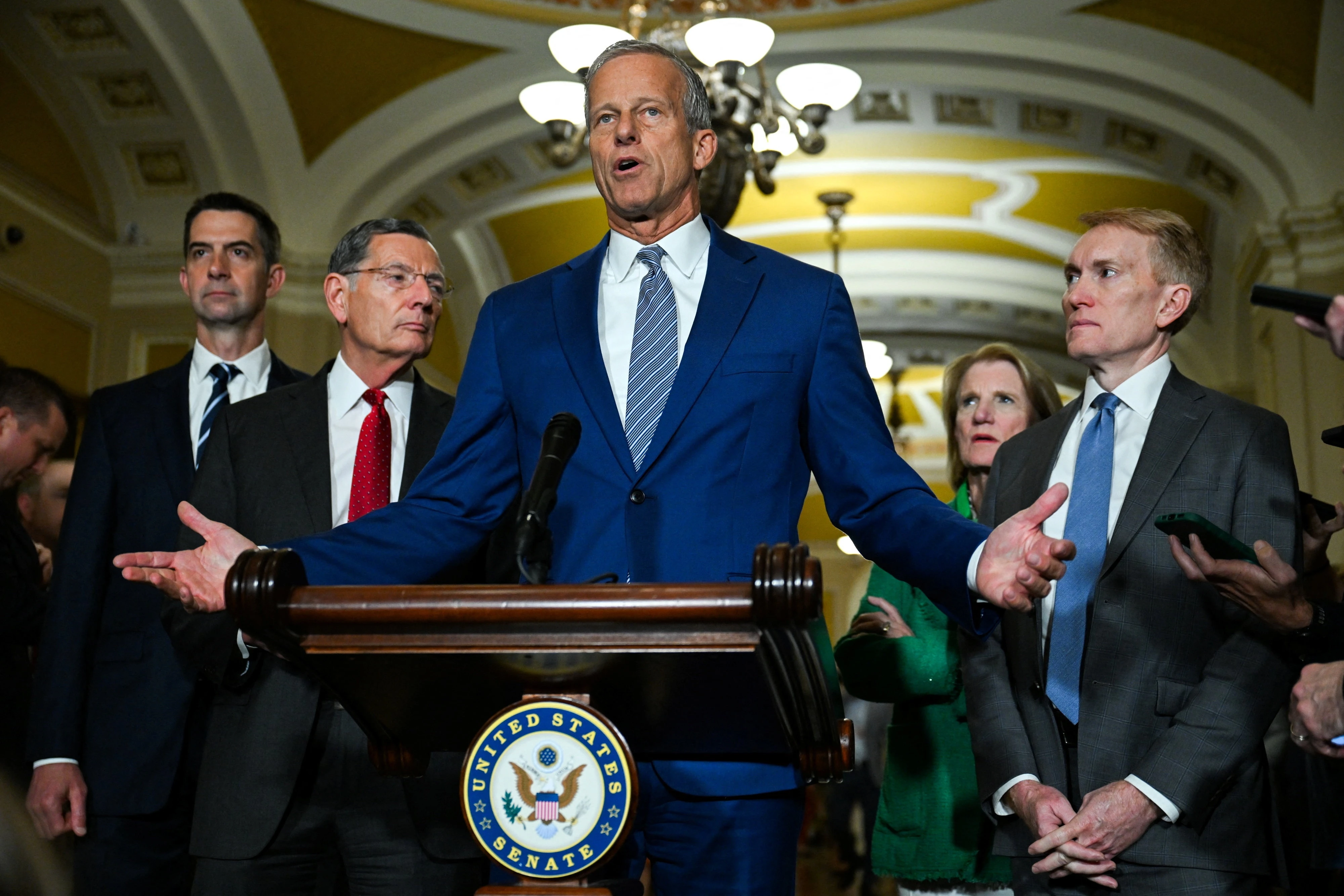 |
Majority leader John Thune. Photo: Reuters. |
Caught in this political confrontation is the annual National Defense Authorization Act, a document that is expected to allocate more than $1 trillion to Pentagon programs and increase pay for U.S. military personnel.
The bill, which originally received bipartisan support, faced more controversy this year as Democrats opposed a war with Iran and criticized the Trump administration's proposed record-high defense budget.
Congressman Adam Smith, a senior Democrat on the House Armed Services Committee, argued that the U.S. cannot sustain a defense budget of $1.6 trillion and called for a national security strategy that is more aligned with the country's actual financial capabilities.
Source: https://znews.vn/dang-cong-hoa-my-hon-loan-post1665419.html