

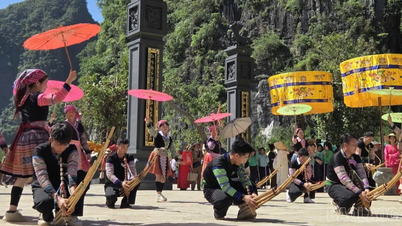
In the context of developing community-based cultural tourism , ethnic minority cultural spaces in various localities are quietly preserving unique stories about the identity and people of these areas. Connecting these spaces with tourism activities throughout the province is a necessary direction for promoting sustainable cultural values.
Recently, many localities have built conservation spaces and cultural exhibition houses for ethnic minorities. For example, the Dao Thanh Y Cultural Space Exhibition House (Thuong Yen Cong commune, Uong Bi city) has been in operation since August 2024, not only showcasing brocade embroidery and the Coming-of-Age ceremony but also serving as a place for artisans to perform and pass on their knowledge to the younger generation. In Bang Ca commune, the conservation area model associated with the Dao Thanh Y community has attracted many tourists to experience the Coming-of-Age ceremony, the process of brewing herbal rice wine, and traditional house architecture...
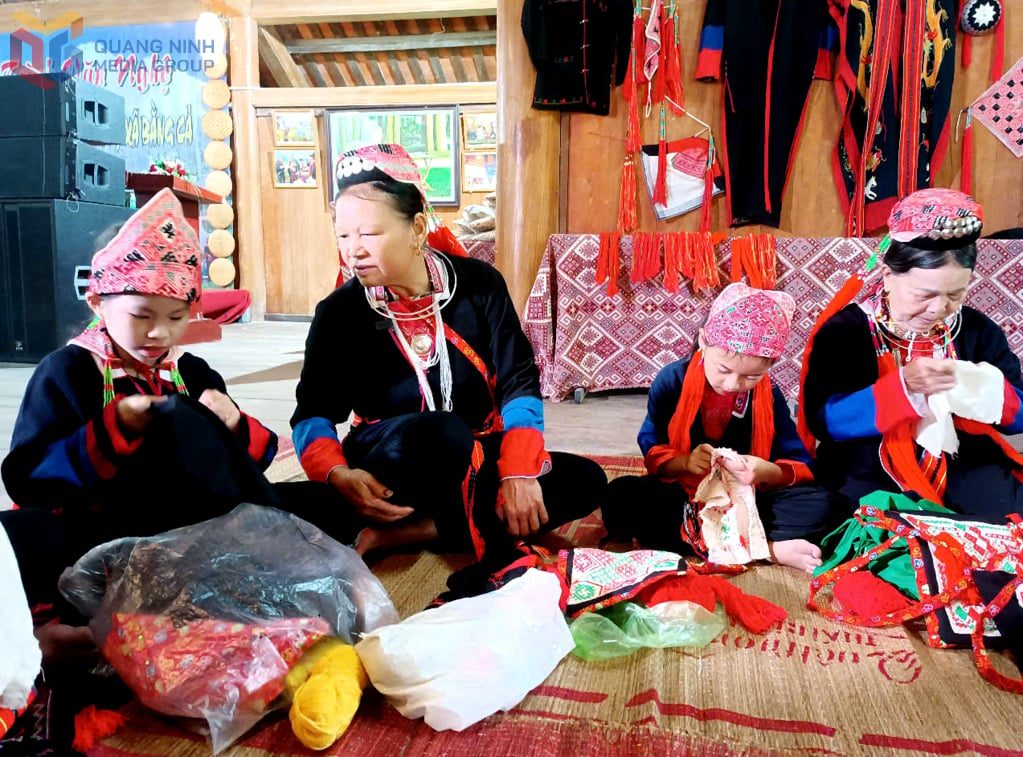
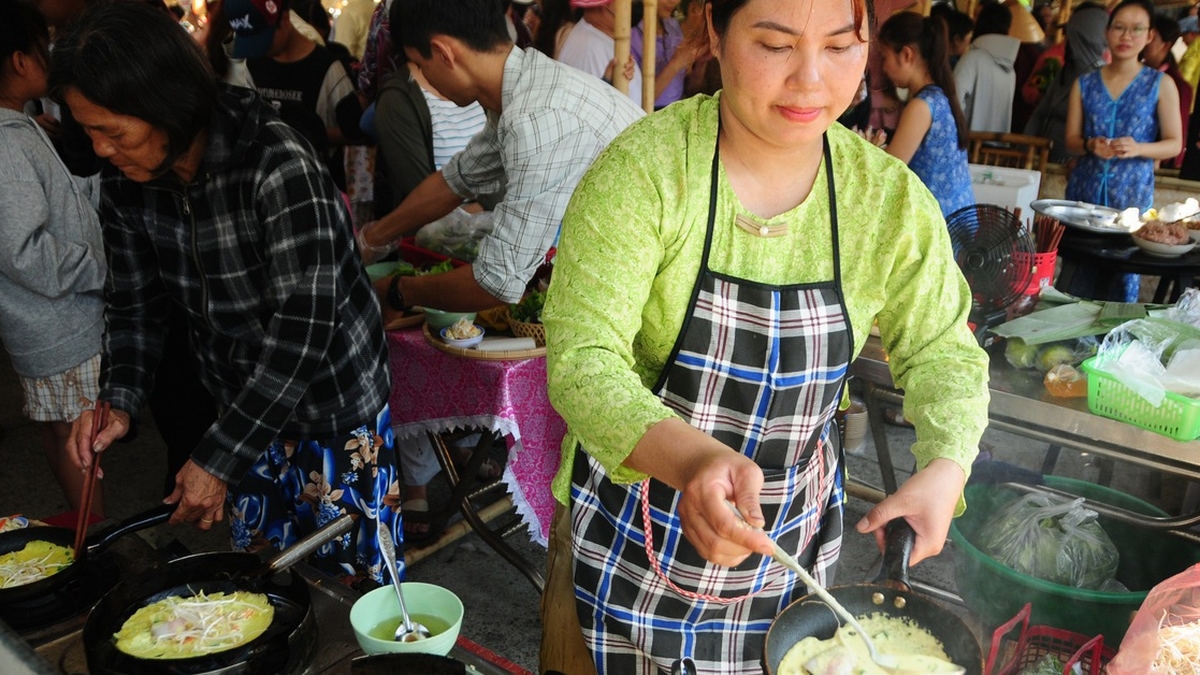
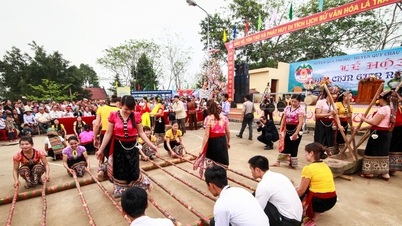
In Binh Lieu, besides the District Cultural and Sports Center, there are also community tourism destinations such as Ban Cau (Luc Hon commune), and San Chi Luc Ngu village (Huc Dong commune), where tourists can participate in festivals, explore unique customs and cuisine . Tien Yen also has the Tay ethnic cultural house (Phong Du commune) and the San Chi ethnic cultural and sports center (Dai Duc commune). Throughout the province, since 2020, many localities such as Van Don, Dam Ha, Ba Che, Hai Ha... have put into operation ethnic cultural spaces on a commune and village scale. In addition to the four ethnic villages already approved by the province, in the 2023-2025 period, Quang Ninh will invest in nine more community tourism destinations with unique resources, history, and culture.
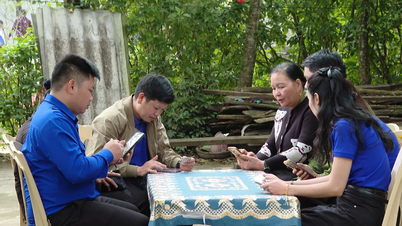
According to assessments, each exhibition space is a valuable treasure trove of information, ranging from artifacts, costumes, musical instruments, traditional crafts to customs and rituals. Some places have adopted a "lively" approach – recreating daily life and festivals, helping visitors not only see but also deeply feel the local cultural identity. Notably, some models have proactively connected with tourism, promoting the value of the destination. Mr. Dang Van Manh, Secretary of the Party Committee of Bang Ca commune, shared: "The commune is orienting community tourism development based on cultural preservation. We have opened classes in singing, brocade embroidery, and organized experiences in brewing rượu (rice wine), making bánh (cakes), and growing medicinal plants… Thanks to this, we have welcomed many student groups and international cruise ship passengers."
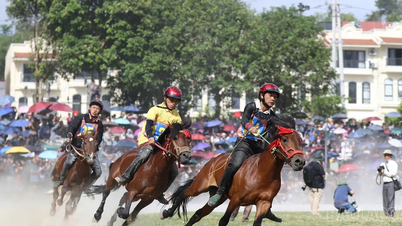
In 2024, this area welcomed 10,000 visitors. In the first quarter of 2025 alone, there were over 10,000 visitors, including many international groups. In addition, in Thuong Yen Cong commune, the exhibition center showcasing models of the Dao ethnic minority people has attracted about 100 visitors per week, creating a stable income for the local people. Similarly, some models in Tien Yen and Binh Lieu, areas with strong tourism development, also attract visitors through annual cultural festivals and activities.
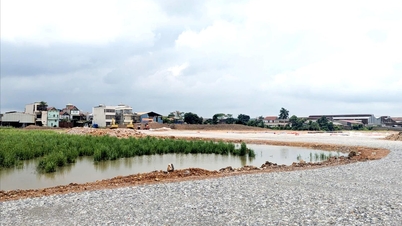
However, the reality shows that, apart from a few that have been successfully developed, the majority of these spaces have not yet truly become attractive tourist destinations. Most remain static exhibits, serving only as internal promotional materials, lacking connection to specific tour routes and tourism products. Some places, after construction, have fallen into a state of "abandoned display," operating sporadically, lacking resources for maintenance, and featuring monotonous exhibition content.
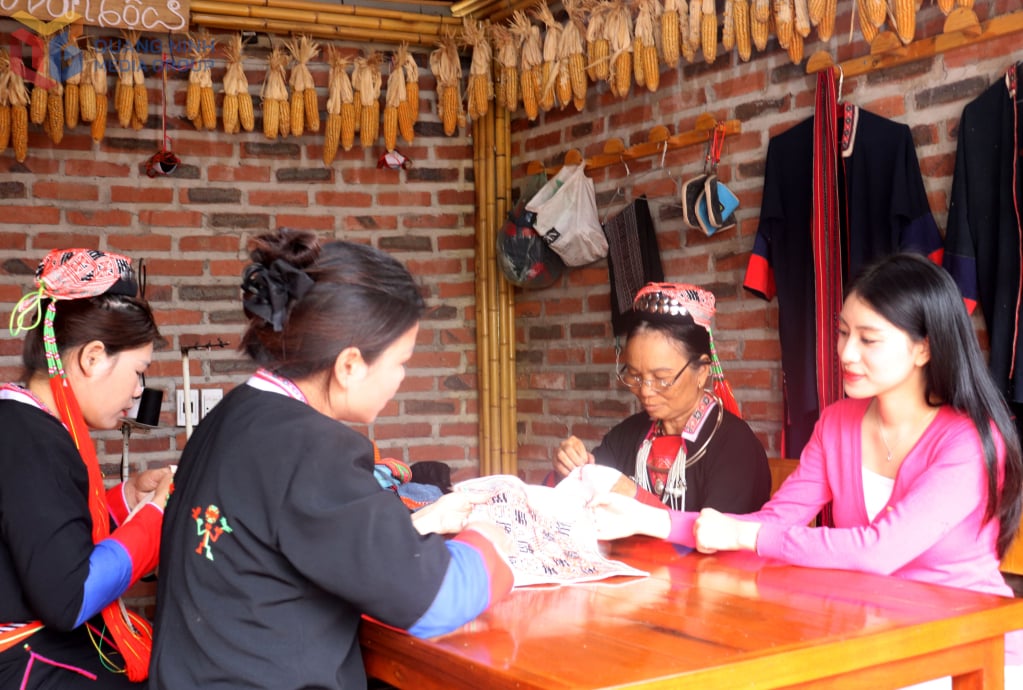
The biggest challenges currently are the lack of coordination in operational mechanisms, the shortage of professional staff, and the unclear positioning of these areas on the provincial tourism map. Communication efforts are limited, and tourism products remain monotonous, making it difficult to retain tourists. To unlock the potential, a comprehensive strategy is needed.
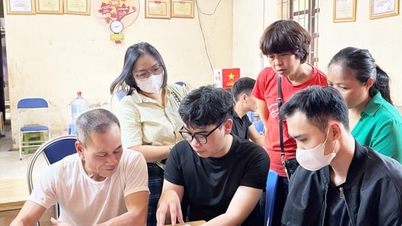
According to experts, the first step is to review and classify each space to clearly define its role: preservation, tourism development, or cultural education . Pham Hong Long, Head of the Tourism Department (Faculty of Social Sciences and Humanities, Vietnam National University, Hanoi) and a tourism expert, stated: “Investing in experiential tourism development needs to go hand in hand with training local personnel, encouraging community participation, and considering the people as the main subjects of preservation. This is a sustainable approach and something that international tourists greatly appreciate.”
Quang Ninh currently possesses a diverse network of ethnic cultural spaces, each serving as a "channel" for the identity of ethnic groups, from daily life to festivals and traditional crafts. This is a particularly valuable resource that, if well organized, can absolutely become a unique, sustainable, and distinctive tourism product for the province.
Ha Phong
Source








































































Comment (0)