From barren land to bountiful harvests
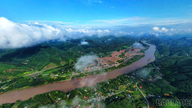
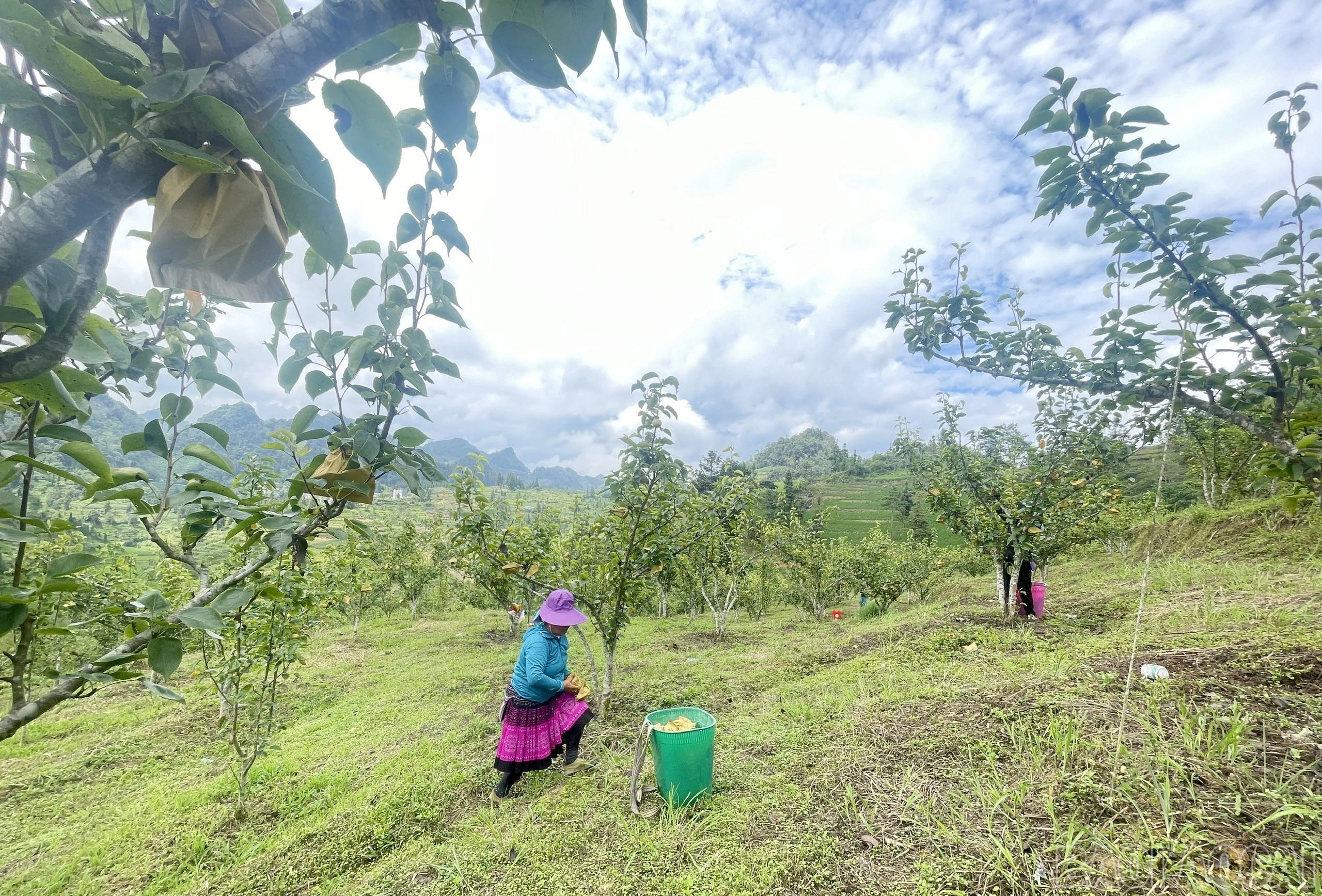
During the summer months, along the winding concrete roads around the mountain slopes of Pha Long commune, the green of tangerine, pear, and cardamom orchards stretches out, replacing the barren corn fields of the past. Throughout the villages, people are busy tending to their crops, preparing for harvest. The once barren hillsides are now covered in greenery with plants suitable to the climate and soil conditions, opening up hopes for bountiful harvests and a more prosperous life.
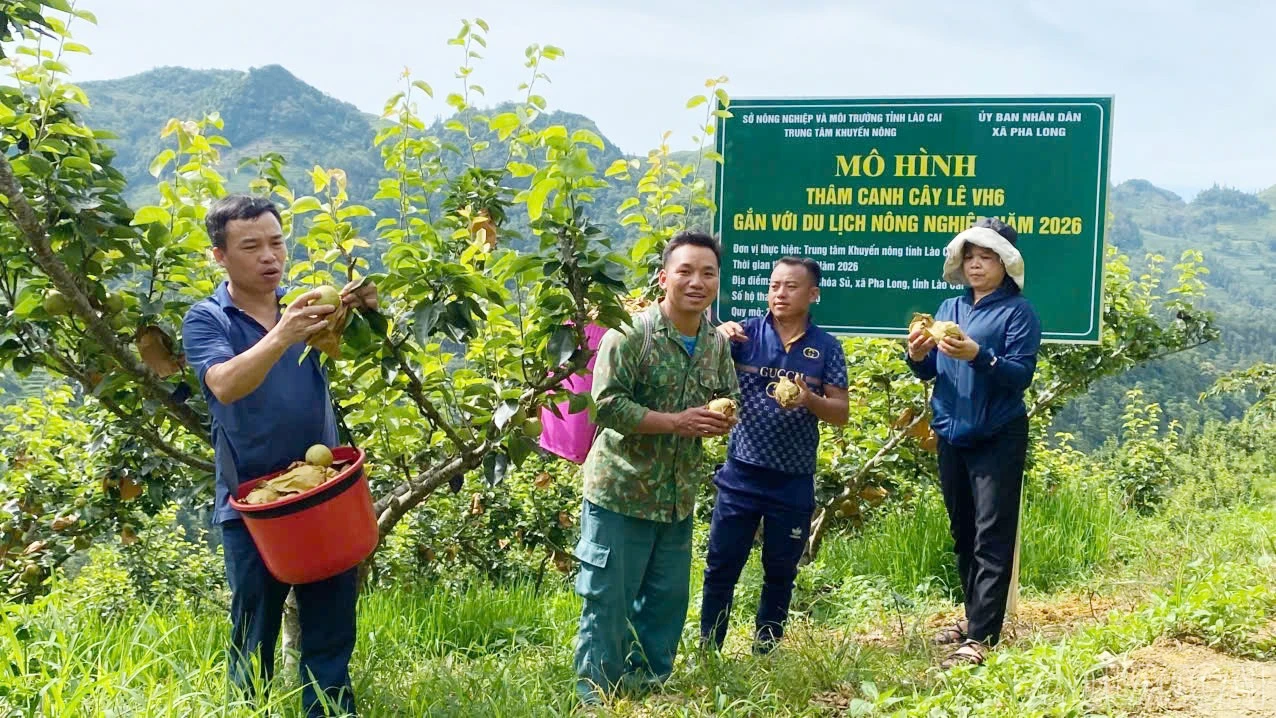
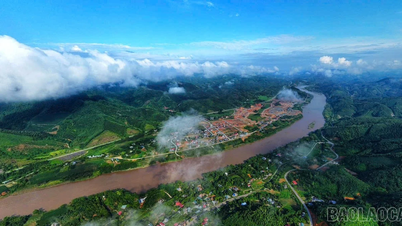
Pha Long is a mountainous border commune established by merging four communes: Ta Ngai Cho, Pha Long, Din Chin, and Ta Gia Khau. The commune has over 14,400 inhabitants, 35 villages, and nearly 25 km of border with China .
The rugged terrain, steep slopes, and lack of water for production have meant that for many years, the livelihoods of the people have depended on corn and upland rice crops with low yields. The percentage of poor and near-poor households has always been high, making economic development very difficult.
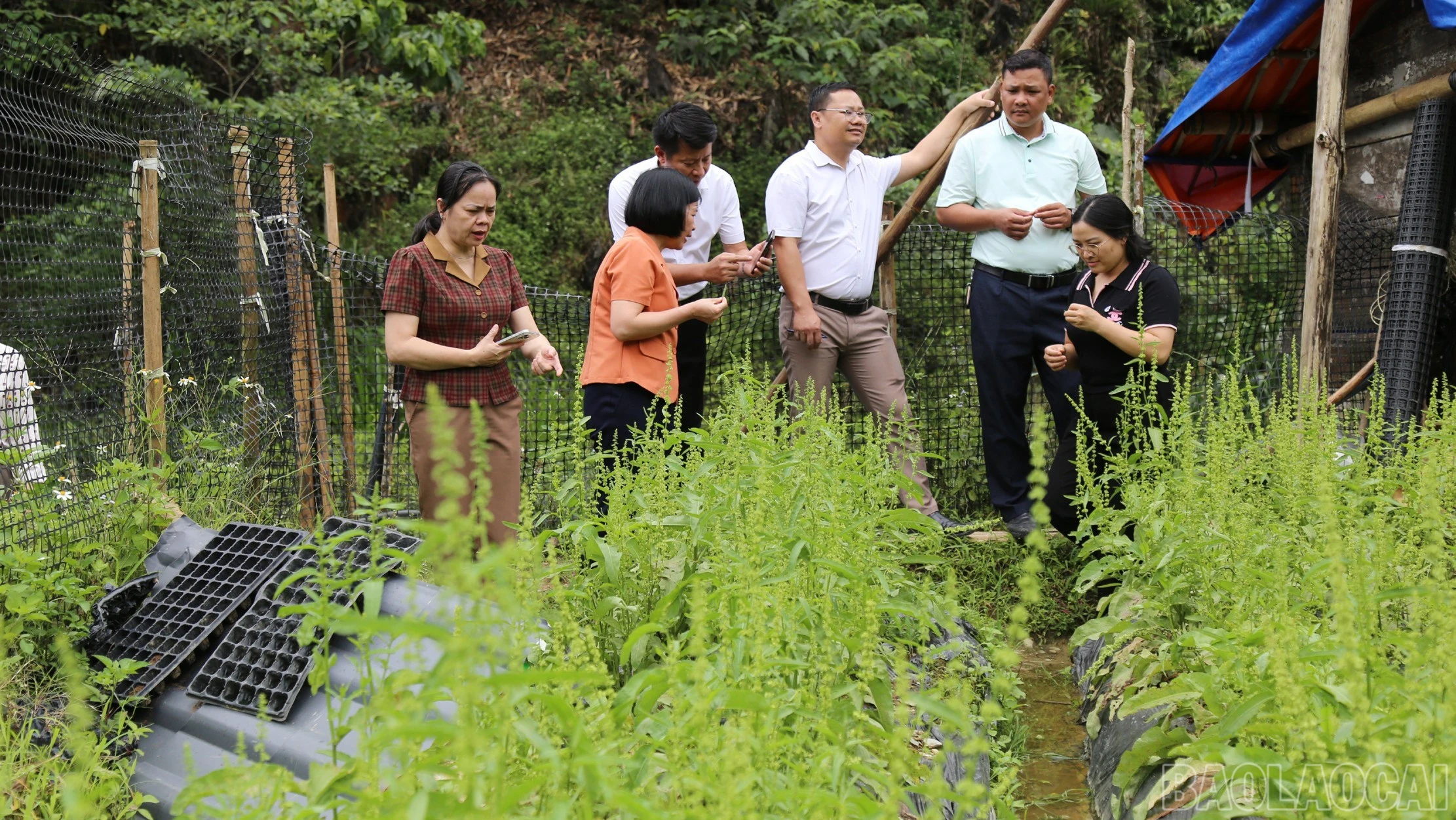
Recognizing the advantage of a cool climate year-round and vast hilly land, the local government has gradually guided people to convert areas of low-yield crops to high-economic-value crops such as tangerines, pears, cardamom, tea, bananas, sweet corn, and medicinal plants.
With support from national target programs, specialized sectors, and businesses involved in consumption, the crop restructuring process has yielded positive results.
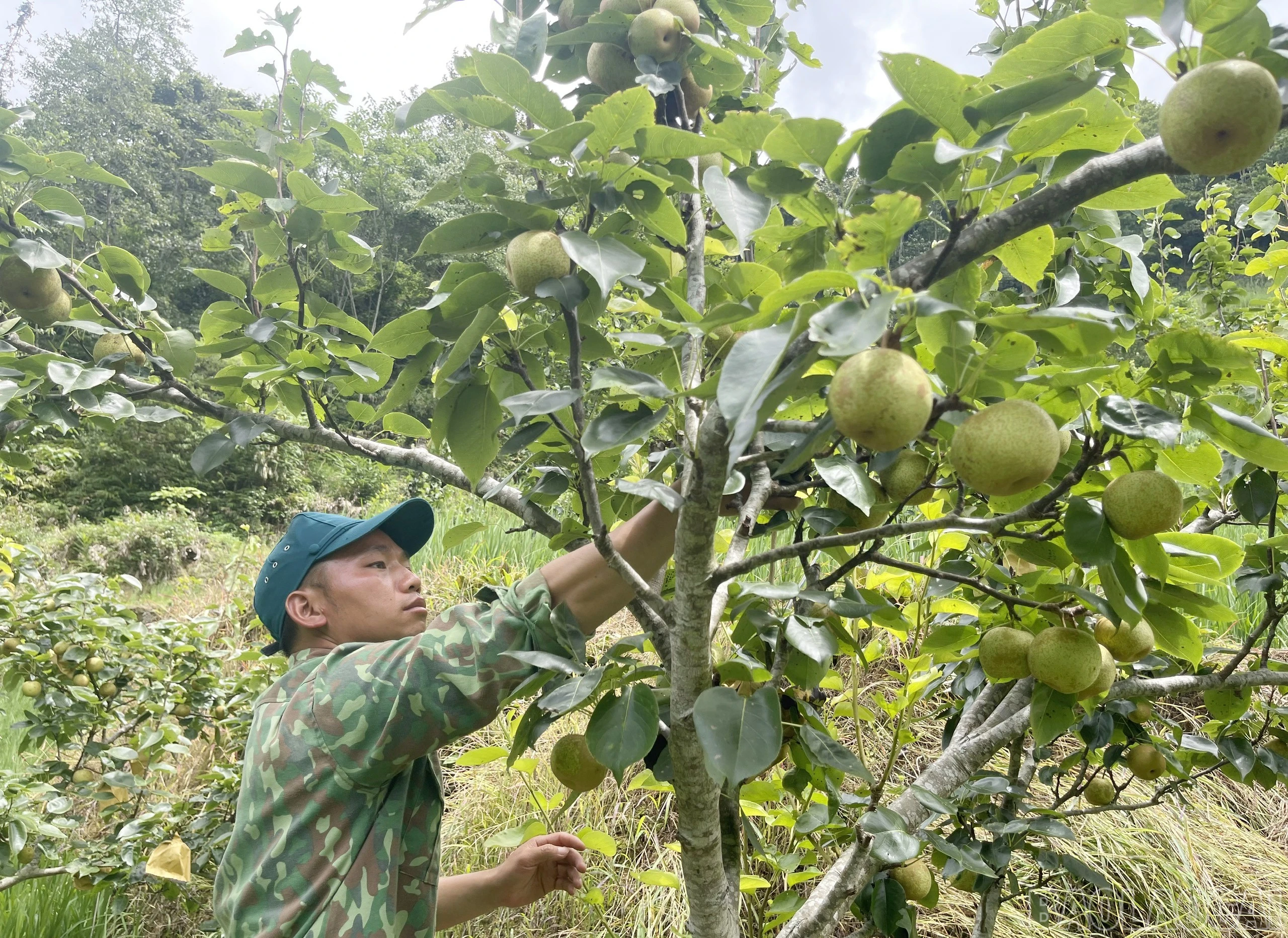
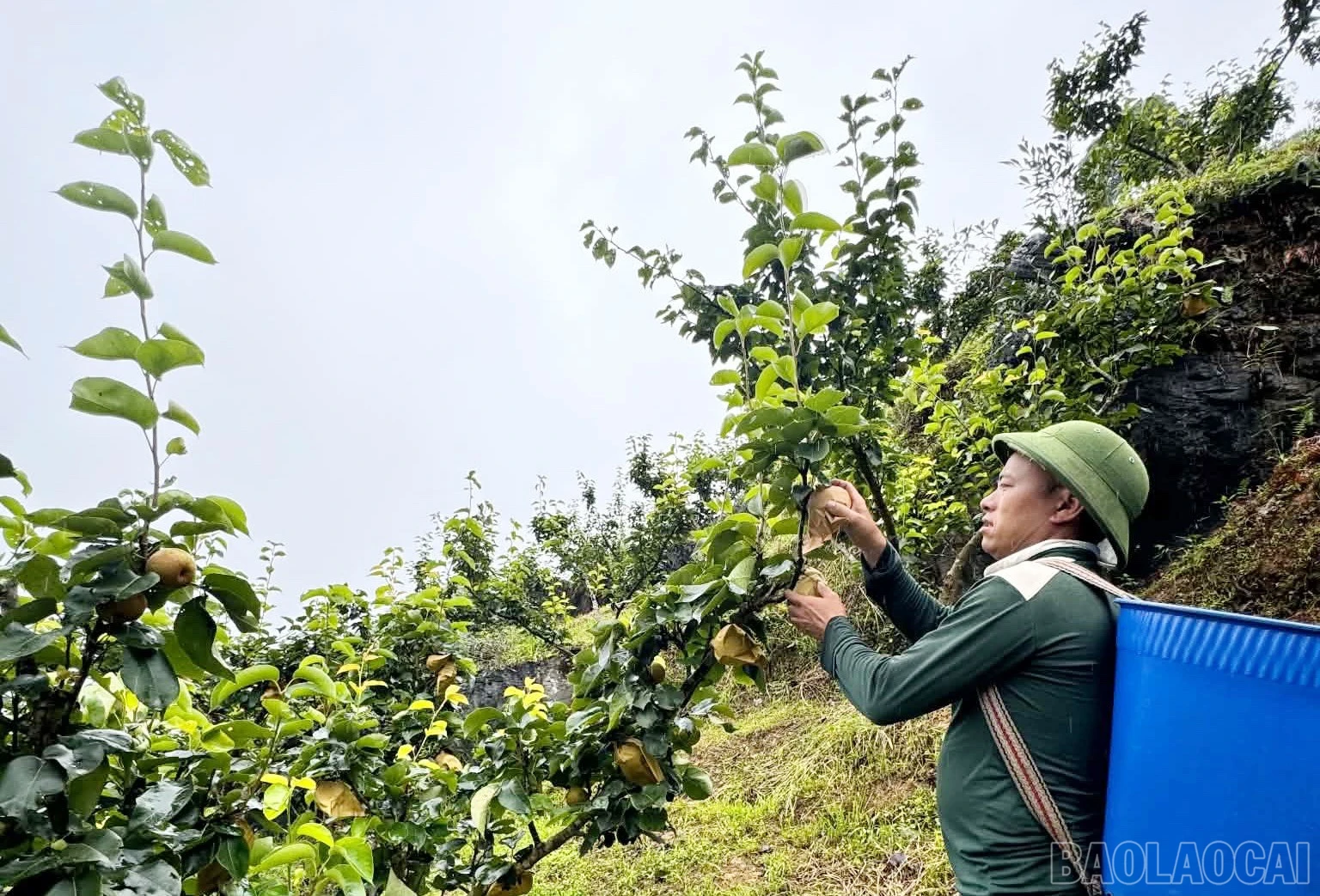
In his nearly 3-hectare garden in Mao Choa Su village, Mr. Thao Seo Lin diligently prunes each pear branch, preparing for the harvest season. Rows of lush green pear trees stretch across the hillside, interspersed with spreading mandarin trees and patches of cardamom plants covering the forest canopy.
Few would have imagined that just a few years ago, this place was merely a low-yielding cornfield, dependent on the weather year-round. After boldly switching to high-value crops, the garden has become the family's main source of income, enabling them to continue investing in expanding production.
Mr. Thào Seo Lìn recalled that in the past, his family mainly grew corn and upland rice, so their income was very unstable, barely enough to cover their food needs each year.
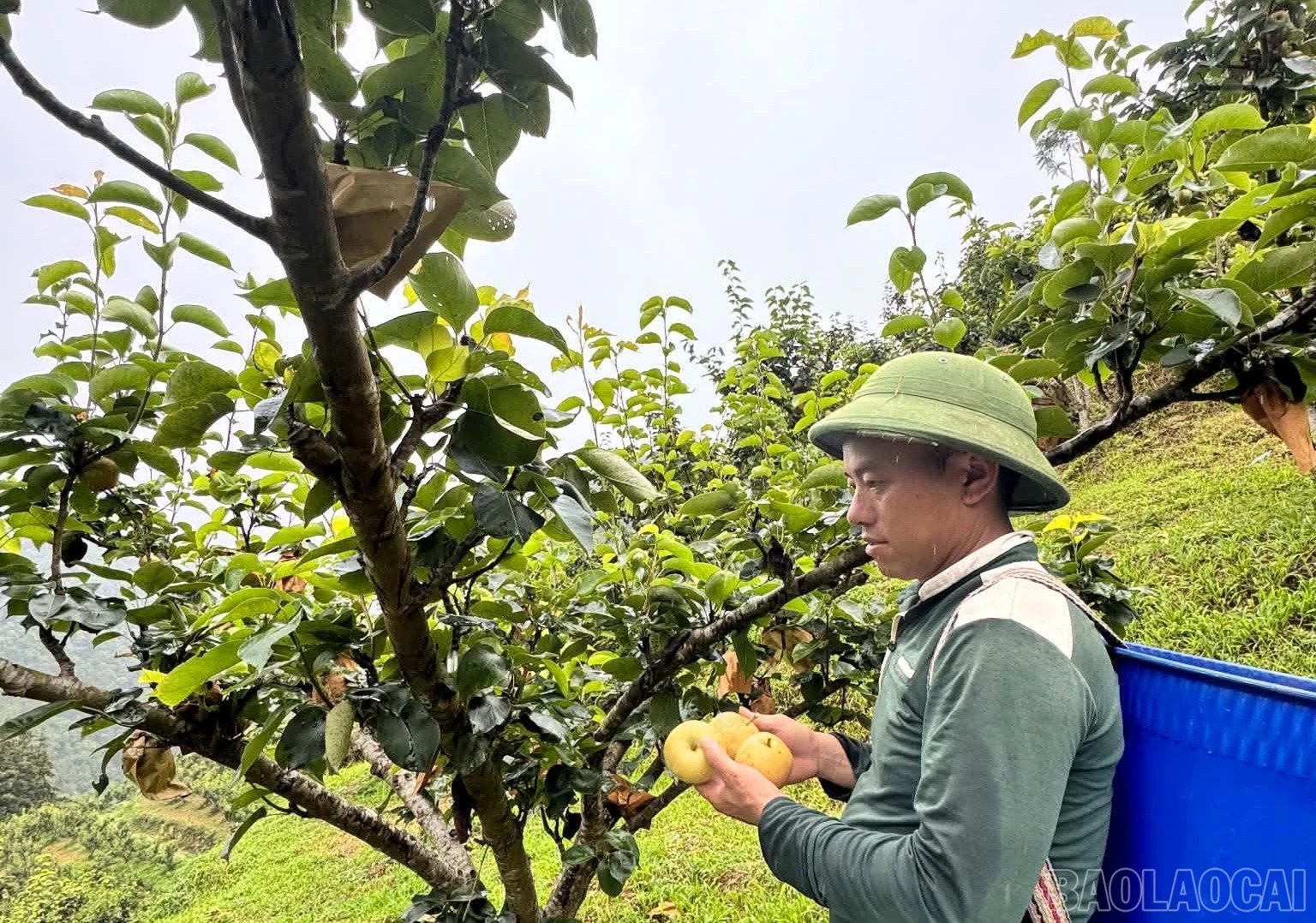
Mr. Thào Seo Dín shared that, thanks to the local government's dissemination of information, technical guidance, and support for crop restructuring, his family boldly introduced tangerines and pears into production. To date, these crops are growing well and yielding stable productivity.
Mr. Din shared: "In some years, our family earned nearly 100 million VND from tangerines and cardamom. Thanks to that, we were able to build a house, invest in more seedlings, and take better care of our garden. Seeing the effectiveness, many households in the village also boldly followed suit."
From those initial models, the people of Pha Long gradually changed their production mindset, choosing crops suitable to the natural conditions and market demands.
To date, the entire commune has approximately 160 hectares of tangerines, over 113 hectares of pears, more than 400 hectares of cardamom, along with large areas of tea, bananas, plums, and other medicinal plants. These cultivated areas are gradually forming concentrated commodity production zones, creating momentum for the restructuring of the agricultural sector and increasing people's income.

According to Mr. Pham Tat Minh, Chairman of the People's Committee of Pha Long commune, the local government's goal is to increase people's income through crop restructuring and production reorganization. The commune does not pursue development based on trends but selects crops suitable to its ecological conditions, while strengthening links with businesses to ensure stable markets for agricultural products.
Establishing raw material areas
Along with developing key crops, Pha Long is gradually forming commodity production areas linked to processing and export businesses.
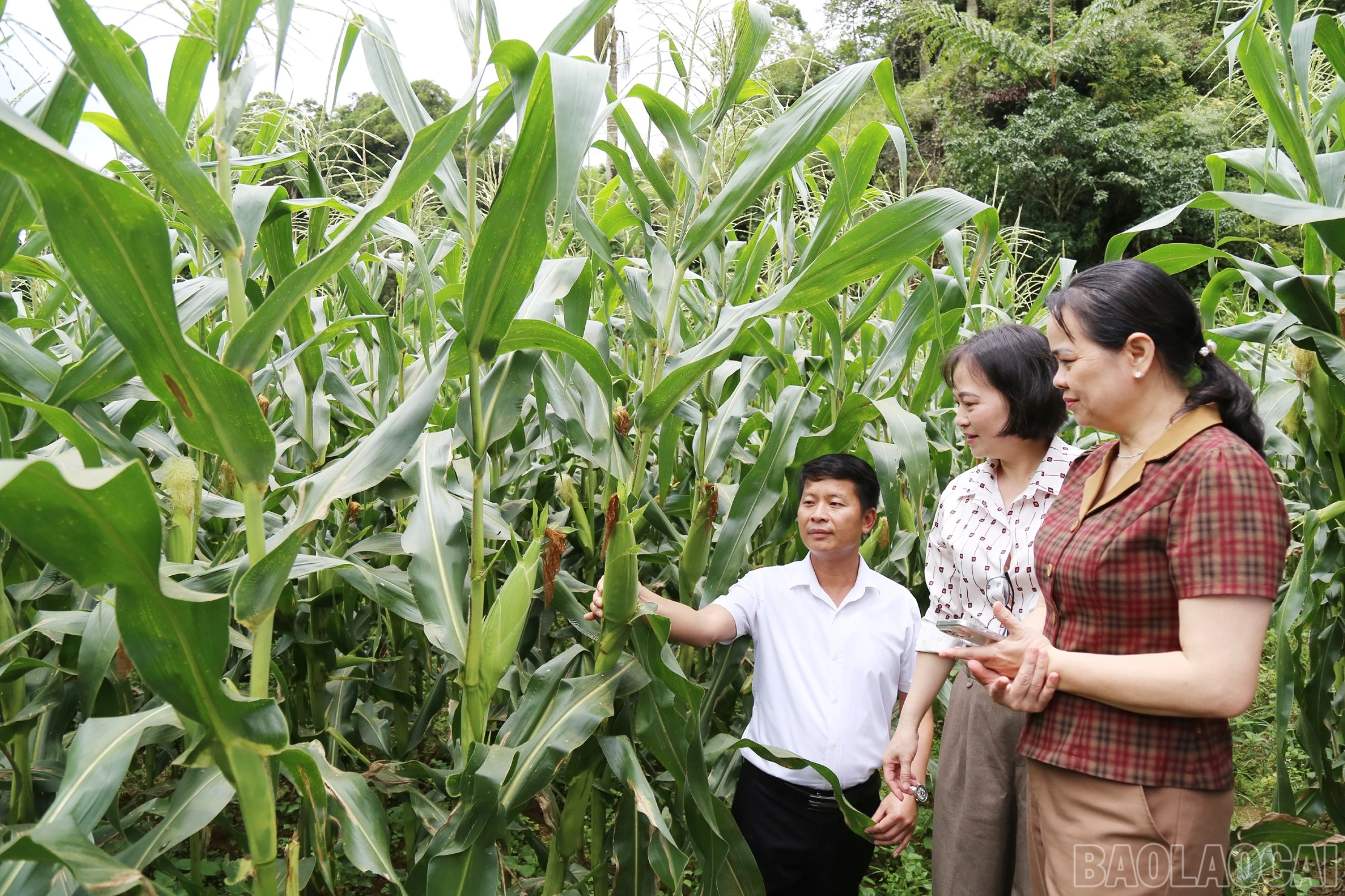
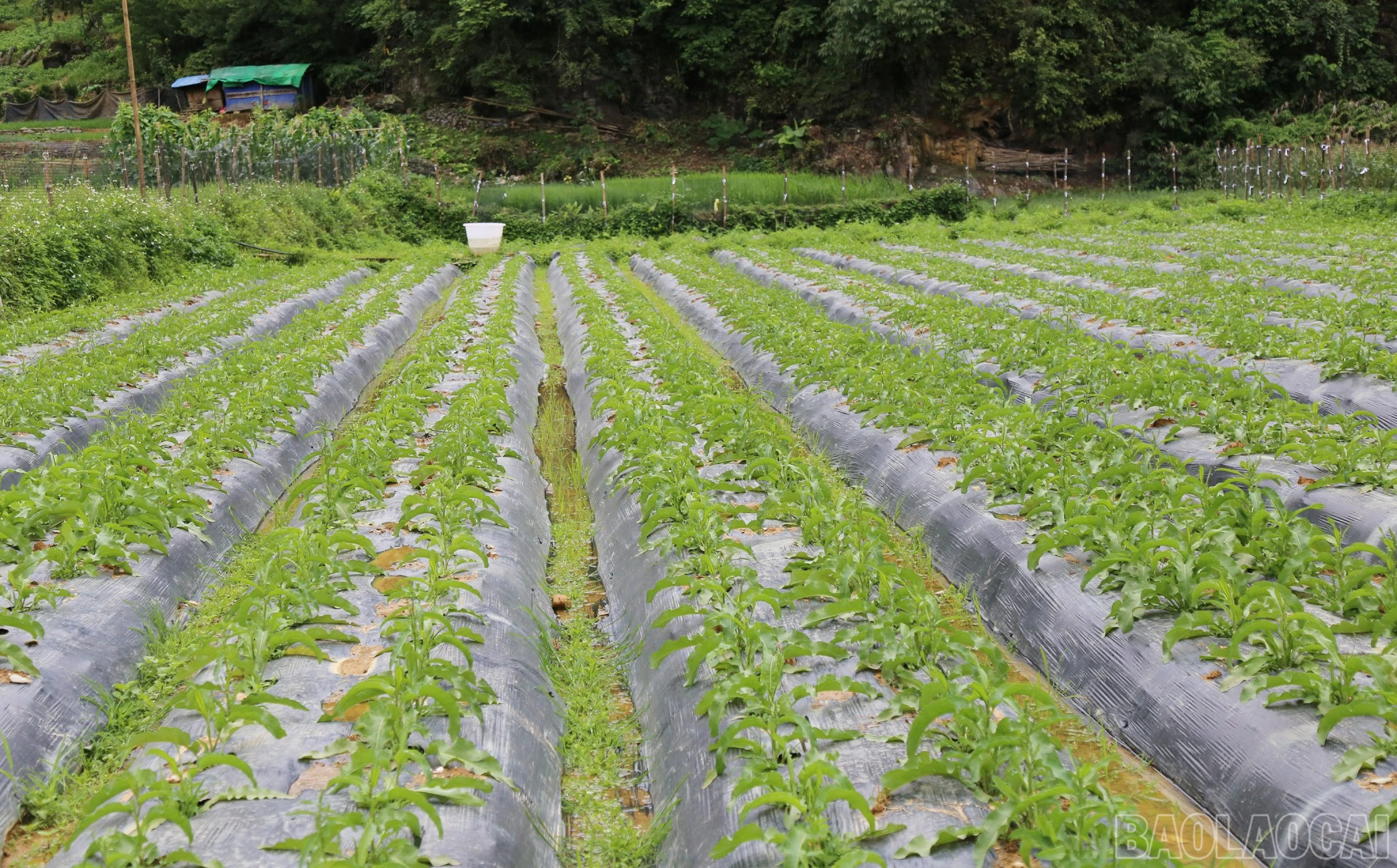
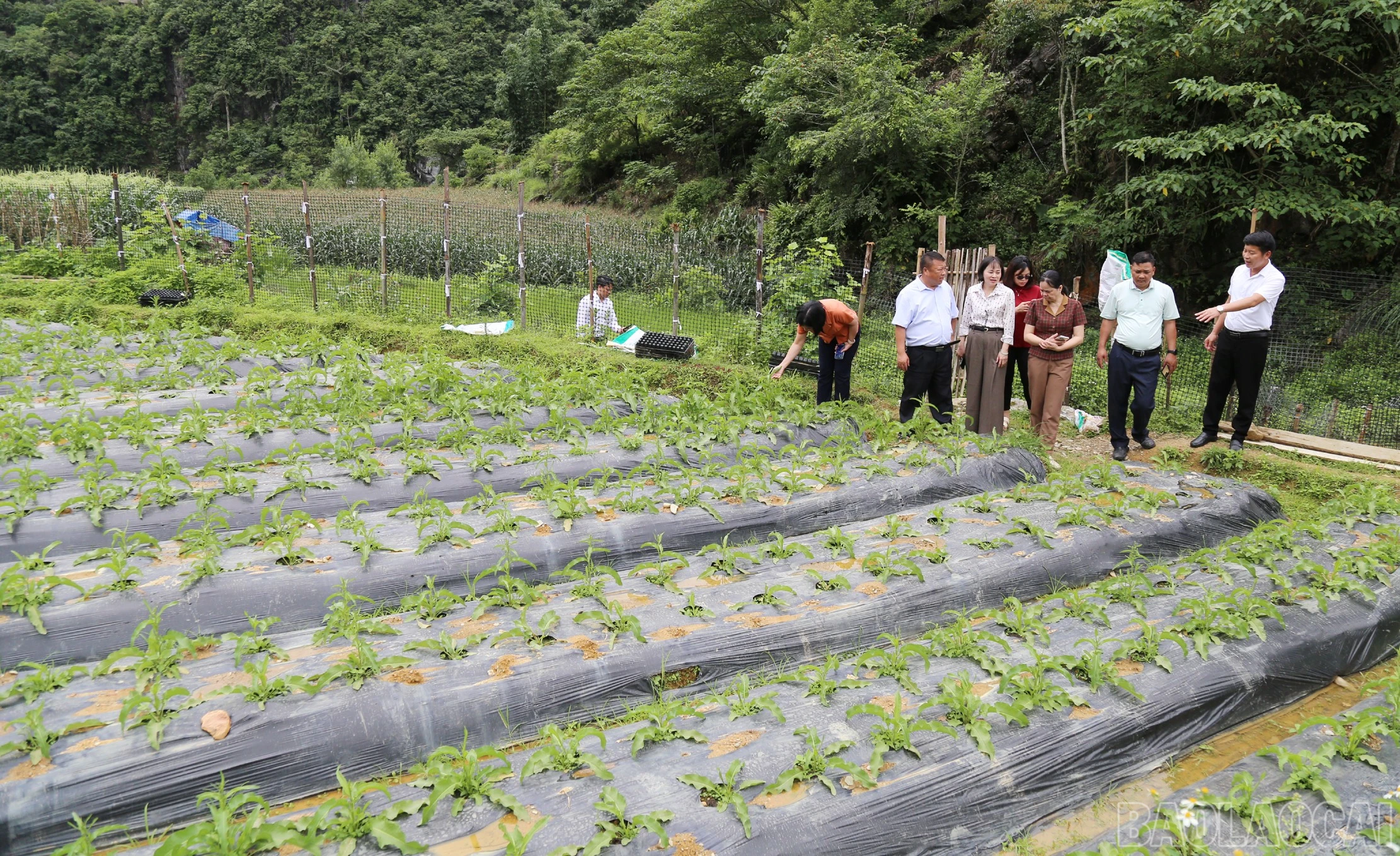
A highlight in 2026 is the model of growing sweet corn in collaboration with the Muong Khuong Export Vegetable and Fruit Processing Factory. The pilot model on an area of 2 hectares in Sin Chai B village showed uniform plant growth and quality meeting the requirements for export processing.
Based on the initial results, the local authorities are coordinating with businesses to survey and expand the raw material area to 30 to 50 hectares, while also developing a baby corn growing area for export.
Regarding banana cultivation, the commune is finalizing the application for planting area codes on an area of over 44 hectares, while also aiming to expand to approximately 300 hectares across several villages to form a raw material area for export. Cardamom cultivation is also being planned for sustainable development, linked to planting area codes, traceability, and forest protection.
Specifically for pear and mandarin trees, in addition to maintaining the existing planted area, the locality continues to coordinate with specialized agencies to guide people in applying intensive farming methods, pest and disease control, and improving fruit yield and quality; while also developing the landscape of the growing areas in conjunction with the development of experiential tourism.
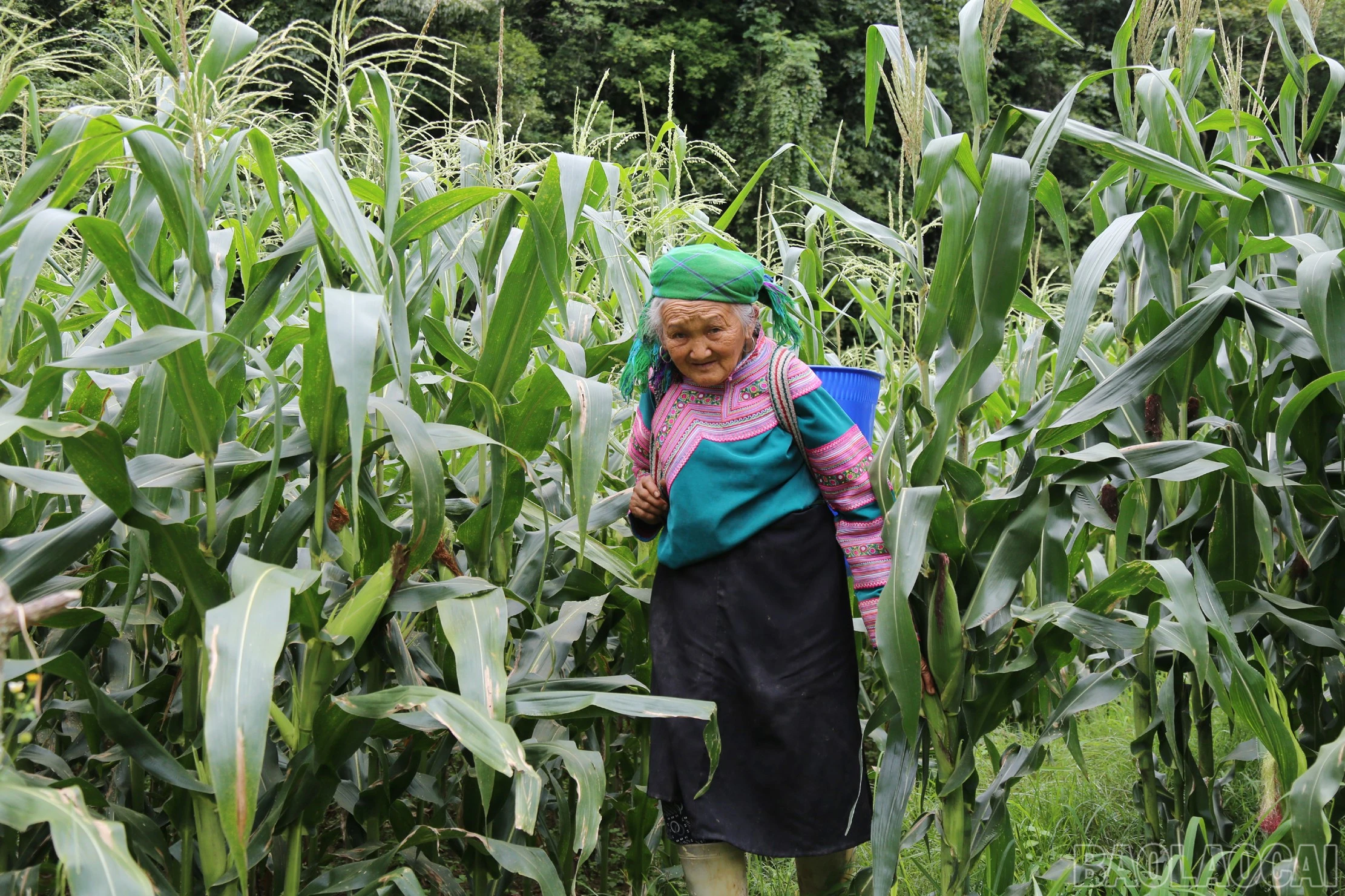
Alongside the restructuring of crop patterns, there has been a synchronized investment in infrastructure serving production. To date, inter-village roads have been concreted, the national power grid covers all villages, and many irrigation works have been reinforced, creating favorable conditions for agricultural production and consumption. The program to eliminate temporary and dilapidated houses has also helped hundreds of households stabilize their living conditions and confidently develop their economy.
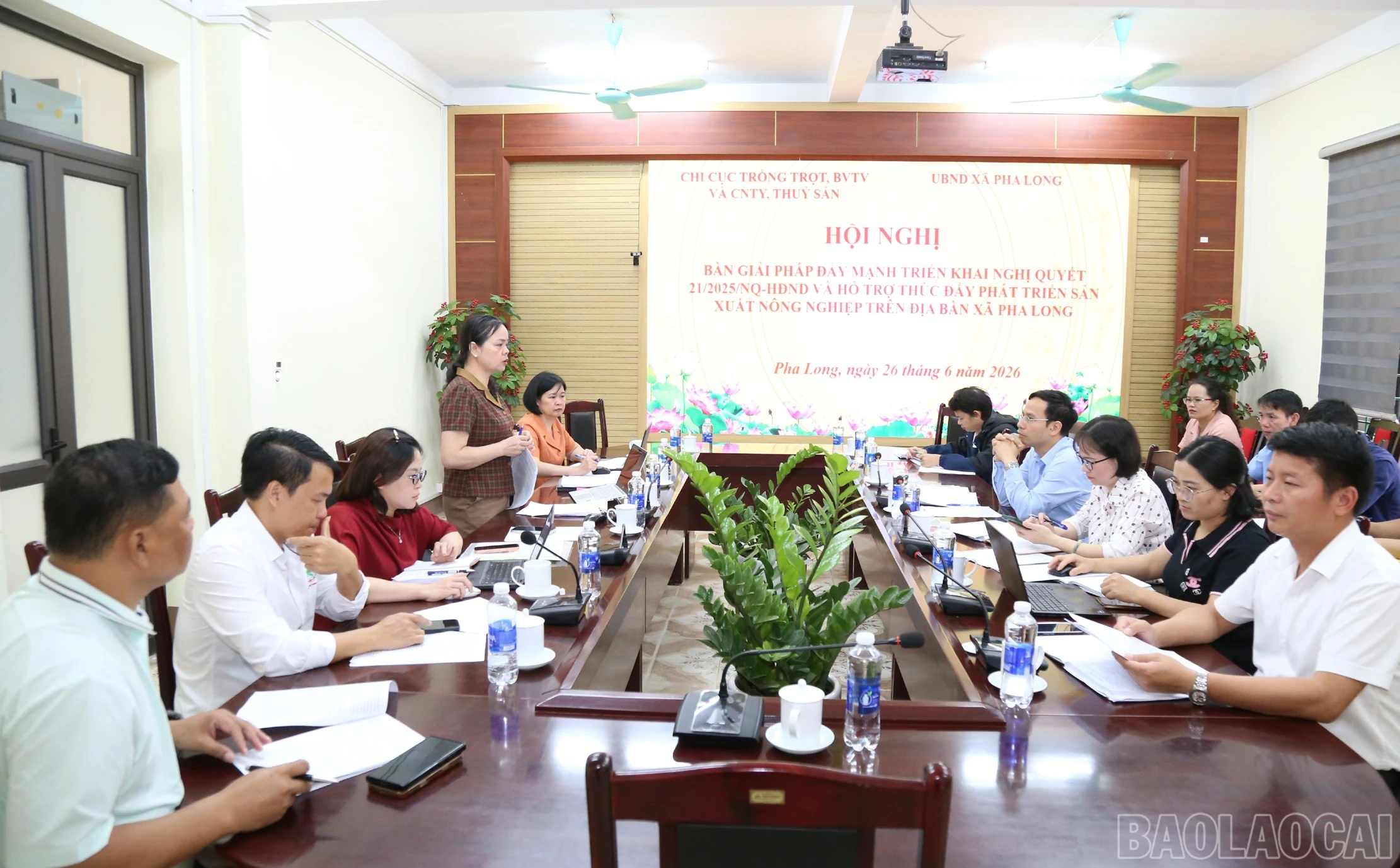
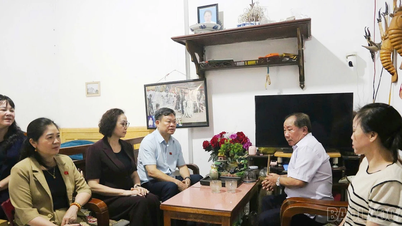
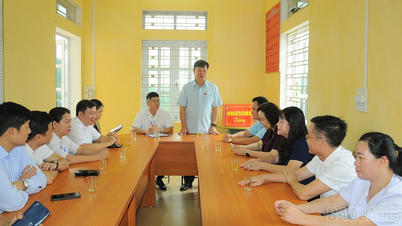
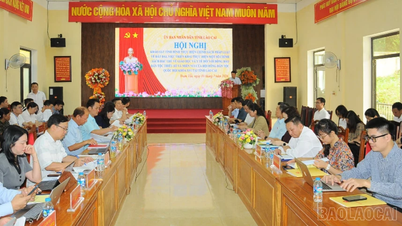
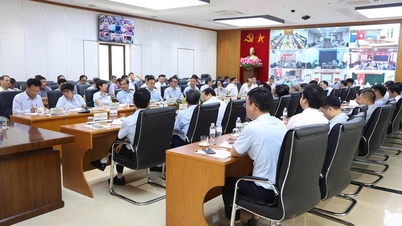
Recently, at a meeting with the People's Committee of Pha Long commune on agricultural development orientation, Ms. Cao Thi Hoa Binh - Head of the Department of Crop Production, Plant Protection and Livestock, Veterinary Medicine and Fisheries of Lao Cai province - assessed that the locality has great potential for developing commodity production areas thanks to its unique climate conditions and land advantages.
To effectively exploit these advantages, the commune needs to continue improving the planning of planting areas, promoting the issuance of planting area codes, strengthening the application of science and technology, effectively managing pests and diseases in crops and livestock, and building sustainable production and consumption linkages.
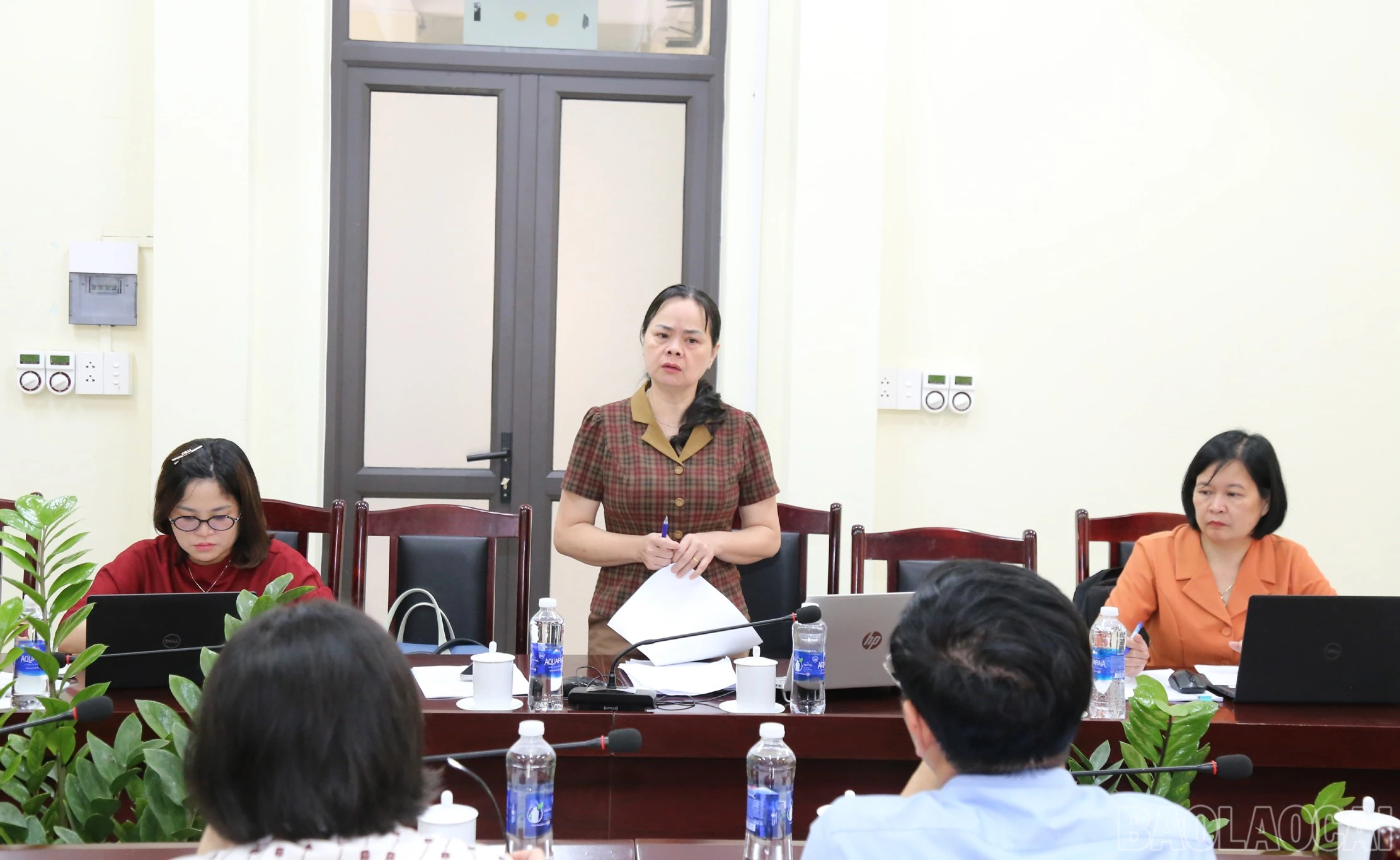
According to the head of the local agricultural department, agricultural development in the coming period will not only aim at increasing the cultivated area but, more importantly, at improving quality, building product brands, and meeting the increasingly high demands of the domestic and export markets.
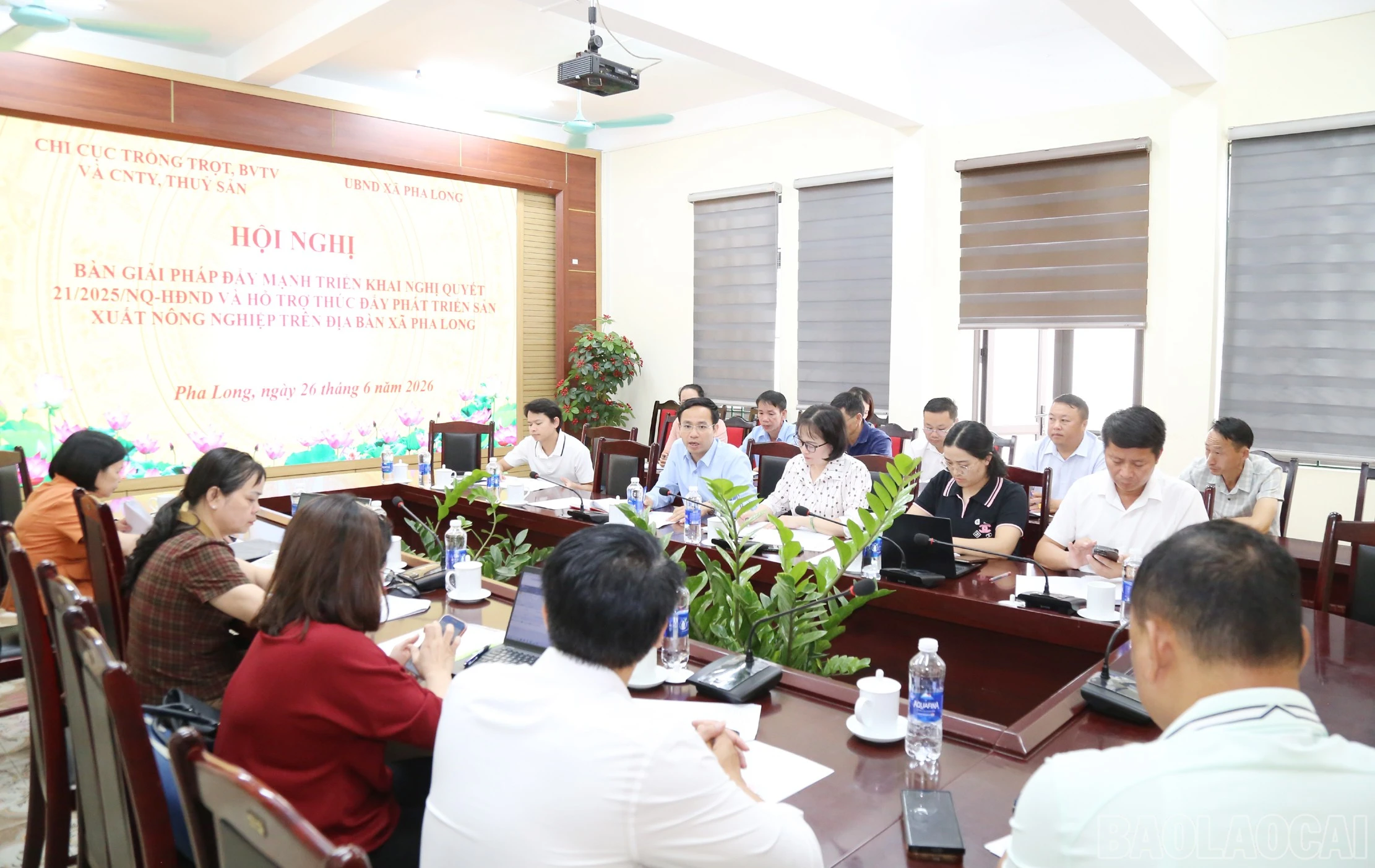


Despite its achievements, Pha Long still faces numerous challenges. The heavily fragmented terrain makes it difficult to establish concentrated production areas; young laborers migrate to other areas for work; agricultural land is fragmented; and some support mechanisms are not truly suitable for the conditions of this mountainous region – all of which need to be addressed.
However, with the right direction, the support of professional sectors and businesses, and the determination of the Party committee, government, and people, Pha Long's agriculture is gradually shifting from small-scale production to commodity production.
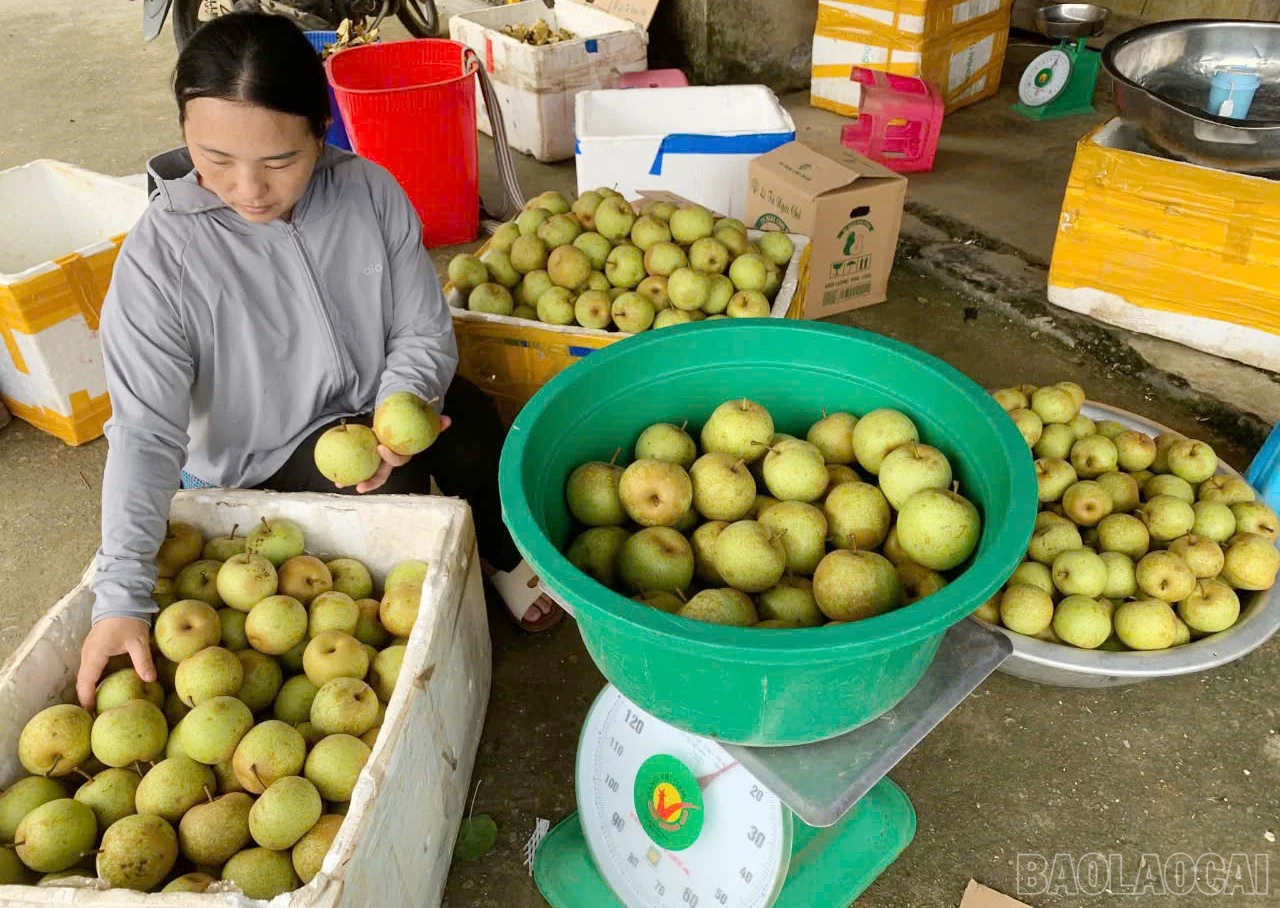
Today's bountiful harvests not only bring higher incomes but also serve as proof of the transformation of this border region. From barren hills, the people have built economically valuable crop areas; from small-scale production, they have gradually developed a mindset of linking with businesses, applying science and technology, and moving towards commodity production.
Pha Long is gradually awakening its potential. There is still much work to be done on that journey, but the initial achievements have created momentum for this border region to continue developing towards green, commercial, and sustainable agriculture, contributing to improving the lives of its people and building an increasingly vibrant new rural landscape.
Source: https://baolaocai.vn/danh-thuc-vung-dat-can-pha-long-post903055.html