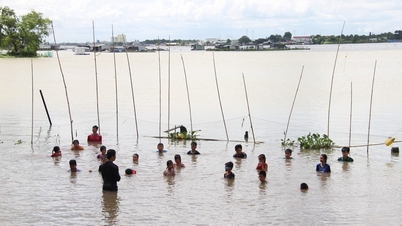
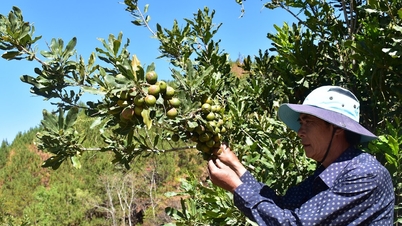
In response to adverse weather conditions and disease outbreaks, the province has persistently implemented strategic solutions. These include applying science and technology, promoting digital transformation, establishing concentrated production zones, and improving the capacity for forecasting, warning, and preventing natural disasters and epidemics.
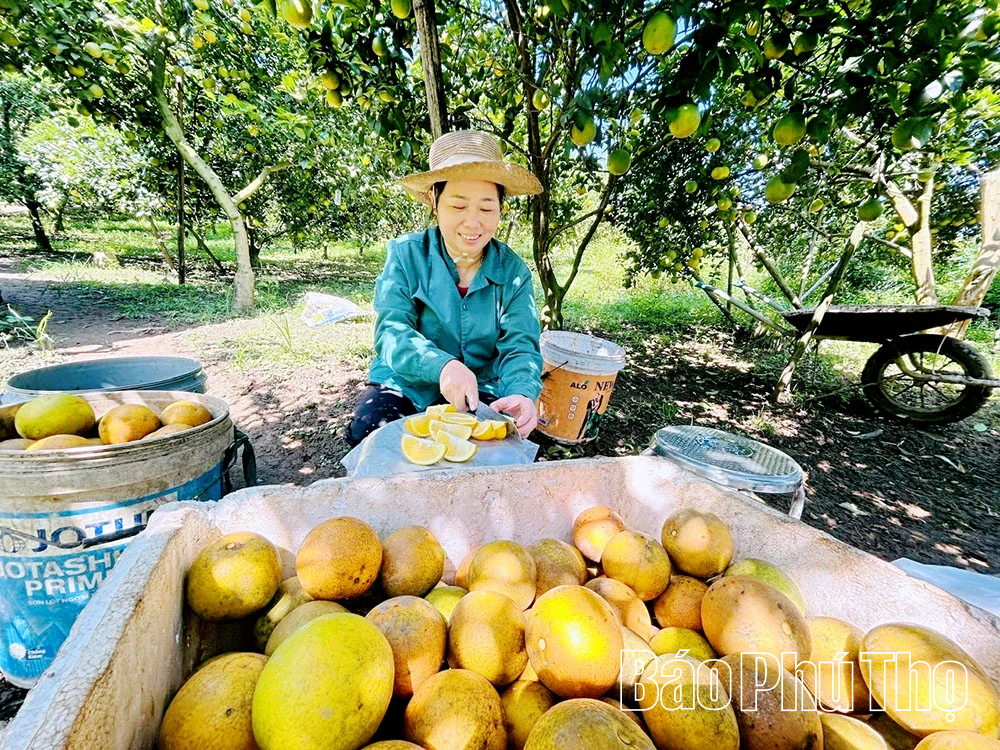
In 2025, the Cao Phong orange growing region will continue to experience a resurgence.
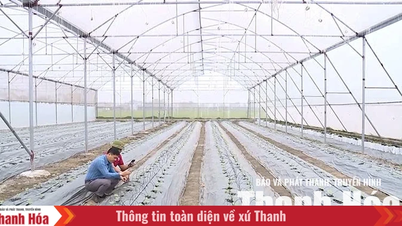
The entire province has established 686 concentrated farming areas covering 82,800 hectares, many of which have achieved VietGAP, GlobalGAP, and organic certifications. Specialty rice production models such as sticky rice (gà gáy), sticky rice (Quạ đen), J02 rice, and sticky rice (Trứng khe Miền Đồi) continue to expand, improving quality, and many products have received OCOP certification.
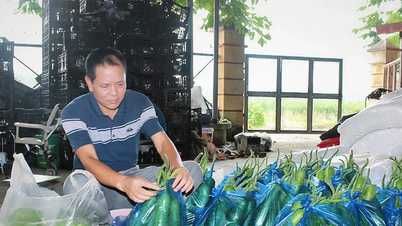
The productivity and output of key crops such as rice, corn, tea, vegetables, bananas, pomelos, etc., all increased compared to 2024, demonstrating the clear effectiveness of shifting from small-scale production to concentrated production, applying science and technology and mechanization.
The livestock sector continues to undergo significant restructuring. Poultry, cattle, and especially dairy farming continue to grow well. Farm models applying biosecurity and organic farming practices are thriving.
The total livestock population in the province reached nearly 40 million head, with a meat production of over 470,000 tons; the dairy cow herd reached 18,600 head, providing a stable source of raw materials for the supply chain linked with Vinamilk and Cô gái Hà Lan (Dutch Lady).
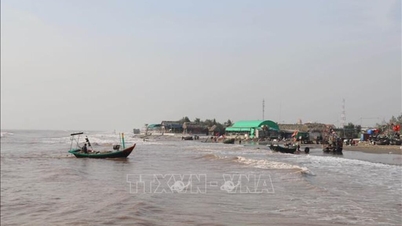
Aquaculture is developing in a high-tech direction, especially cage fish farming on the Da River, Lo River and Hoa Binh Lake with more than 6,400 cages, producing nearly 84,000 tons of aquatic products (an increase of 5.3%).


Forestry continues to play a crucial role in economic development coupled with environmental protection, contributing to raising the forest cover rate to 43.52%.
The National Target Program for Building New Rural Areas continues to be a highlight of the province. By the end of 2025, 84 out of 133 communes (63.2%) will have met the standards for new rural areas, including 3 communes that have achieved advanced new rural area standards and 525 model residential areas. Significant progress has been made in criteria related to transportation, infrastructure, environment, culture, etc. New rural areas in Phu Tho are not only about modern infrastructure but also about innovation in production thinking, community organization, rural culture, and the quality of life for the people.
One of the most outstanding achievements of 2025 is the reduction of the poverty rate to 2.75%. In ethnic minority areas alone, the poverty rate is projected to decrease by 4.0–4.5%, demonstrating the practical impact of livelihood support policies and infrastructure investment.
The province has effectively implemented over 1.6 trillion VND of capital from the Program for socio-economic development in ethnic minority and mountainous areas, prioritizing investment in transportation, schools, clean water, and production models.
In particular, the province has completed the program to demolish 10,801 temporary and dilapidated houses – affirming the determination and care of the Party Committee and the government for poor households, policy beneficiary families, and vulnerable people.
The development of production-processing-consumption linkages along the value chain continues to receive attention. To date, the province has 219 safe food supply chains, many of which have built brands and expanded to the national market, such as: the Đoan Hùng pomelo, red pomelo, and Diễn pomelo chains; the Lương Sơn and Cao Phong banana chains; the dairy cattle chain linked with Vinamilk and Cô gái Hà Lan; and the pig farming chain with CP Company. These linkages help increase product value by 15-20%, improve people's income, and create stability in consumption – a key factor in modern agriculture.
The cooperative economic sector continues to develop strongly. The province has 1,142 agricultural cooperatives and more than 1,100 farms meeting the criteria. Many cooperatives have undergone significant transformation, adopting digital transformation, modern management, mechanization, and product distribution agreements.
Many agricultural products continue to establish their brands, especially in the tea value chain: with an area of 14.5 thousand hectares, the production of fresh tea leaves exceeds 180 thousand tons/year; 18 enterprises export more than 21 thousand tons of tea/year to markets in the Middle East, India, Russia, and the United States.
Simultaneously, the province is developing facilities for processing rice, dried fruits and vegetables, packaged meat, OCOP products, etc., gradually forming a closed production-processing-consumption chain.



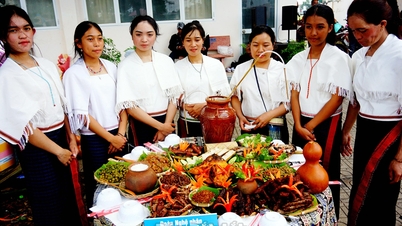
The OCOP program continues to be a highlight: 609 products achieved 3 stars or higher; 6 products achieved 5 stars (Hung Lo rice noodles, Dinh premium tea, Con Cui gift set, ready-to-cook dried bamboo shoots, etc.); 100 products achieved 4 stars and 503 products achieved 3 stars. OCOP plays a crucial role in elevating the brand of Phu Tho agricultural products, increasing their competitiveness in domestic and international markets.
The impressive results of 2025 clearly demonstrate the shift in mindset from "agricultural production" to "agricultural economy," from focusing on quantity to prioritizing quality, efficiency, and added value, aiming towards the development of high-tech agriculture, organic agriculture, circular economy in agriculture, and comprehensive digital transformation in production, management, and traceability. The achievements in 2025 lay a crucial foundation for the industry to confidently enter a new phase of development – greener, smarter, and more sustainable – contributing to the socio-economic development goals and enhancing the position of the ancestral land in the integration process.
Le Chung
Source: https://baophutho.vn/dau-an-nong-nghiep-phu-tho-243594.htm
![[Photo] National Assembly Chairman Tran Thanh Man attends the Conference to announce the Master Plan for Hanoi Capital City with a 100-year vision.](https://vphoto.vietnam.vn/thumb/1200x675/vietnam/resource/IMAGE/2026/06/29/1782709639728_ndo_br_1-jpg.webp)


























































![[Image] Building an elevated road through the Ma Da forest.](https://vphoto.vietnam.vn/thumb/402x226/vietnam/resource/IMAGE/2026/06/29/1782724737750_anh-man-hinh-2026-06-29-luc-16-18-43.png)