

Many young women used to think that irregular periods, persistent acne, or weight gain were just common hormonal issues. Not a few spent years undergoing dermatological treatments, weight loss programs, or infertility treatments before discovering the real cause was polycystic ovary syndrome – also known as PCOS.
- What is polycystic ovary syndrome (PCOS)?
- Common but easily overlooked signs
- Why is PCOS often diagnosed late?
- PCOS affects not only fertility
- When should I see a doctor?
- How is PCOS treated?
- Young women need to understand PCOS correctly.
One of the most common hormonal disorders in women of reproductive age, affecting approximately 1 in 10. However, the condition remains largely unrecognized and is often detected late.
What is polycystic ovary syndrome (PCOS)?
Polycystic ovary syndrome (PCOS) is an endocrine disorder related to an imbalance of female sex hormones and an increase in androgens.
In people with PCOS, the ovaries may develop many small cysts, and ovulation may be irregular or infrequent. This disrupts the menstrual cycle and affects fertility.
PCOS is not just a simple gynecological condition; it is also linked to metabolism, insulin, and long-term cardiovascular risk.
It's worth noting that not all women with PCOS will have clearly visible "polycystic" images on ultrasound. This is also why many cases are missed or misdiagnosed.

Irregular periods, persistent acne, and uncontrollable weight gain can be signs of polycystic ovary syndrome (PCOS).
Common but easily overlooked signs
According to doctors, PCOS manifests in a wide variety of ways and varies from person to person.
One of the most common signs is irregular menstruation. Many women have cycles lasting longer than 35 days, periods occurring only every few months, or periods absent for extended periods.
In addition, people with PCOS often experience:
- Acne that persists after puberty.
- Oily skin.
- Excessive hair growth on the face, arms, legs, or abdomen.
- Uncontrollable weight gain.
- Accumulation of fat in the abdominal area.
- Male pattern hair loss.
- Difficulty getting pregnant.
Many people visit dermatologists for persistent acne or try to lose weight for years without realizing that these symptoms may be related to underlying hormonal imbalances.
There are cases where people have completely normal body shapes but still suffer from PCOS, making the disease even easier to overlook.
Why is PCOS often diagnosed late?
Many women are dismissive of irregular menstruation, thinking it's caused by stress, staying up late, or lifestyle changes.
Meanwhile, some symptoms such as acne, weight gain, or hair loss are easily mistaken for common dermatological or hormonal problems.
In many cases, PCOS is only discovered during infertility examinations after many years of marriage.
Furthermore, diagnosing PCOS is not simple because there is no single test to confirm the condition. Doctors usually have to evaluate a combination of clinical symptoms, ultrasound, and hormone tests.
The lack of adequate communication means many women do not fully understand the disease, leading to missed early intervention opportunities.
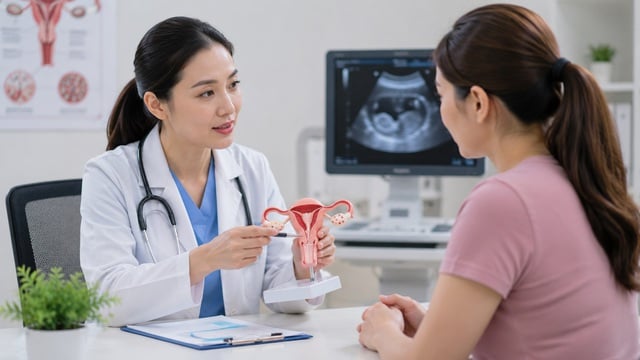
Early endocrine and gynecological examinations help women detect and manage PCOS before it affects their fertility.
PCOS affects not only fertility
Many people think PCOS is only related to pregnancy, but in reality, the condition has long-term effects on metabolic and cardiovascular health.
The majority of women with PCOS have insulin resistance – a factor that increases the risk of prediabetes and type 2 diabetes.
Patients are also at high risk of experiencing:
- Dyslipidemia.
- High blood pressure.
- Fatty liver disease.
- Obesity.
- Sleep apnea.
- Depression and anxiety.
Furthermore, prolonged anovulation can increase the risk of endometrial hyperplasia if not properly monitored and treated.
PCOS is a chronic disease that requires long-term management rather than just temporary symptom treatment.
When should I see a doctor?
Experts recommend that women seek specialist medical attention if they experience any of the following symptoms:
- Prolonged irregular menstruation.
- Missed periods for several months.
- Difficulty getting pregnant.
- Severe acne that persists after puberty.
- Rapid weight gain or difficulty losing weight.
- Unusually excessive hair growth.
- Excessive hair loss.
Early detection leads to better symptom control and reduces the risk of future metabolic complications.
How is PCOS treated?
There is currently no cure for PCOS, but the condition can be effectively managed with proper treatment and appropriate lifestyle changes.
Losing even just 5–10% of body weight can help improve menstrual cycles and ovulation in many patients.
People with PCOS are encouraged to:
- Exercise regularly.
- Limit your intake of sweets and refined carbohydrates.
- Get enough sleep.
- Reduce stress.
- Long-term weight management.
Depending on the symptoms and the desire to conceive, the doctor may prescribe medication to regulate menstruation, support ovulation, or treat insulin resistance.
Young women need to understand PCOS correctly.
The most worrying thing today is not that PCOS is rare, but that so many women live with the condition for years without knowing it.
In the context of modern lifestyles leading to increased obesity, stress, and metabolic disorders, PCOS tends to be detected more frequently in younger women.
Understanding the disease correctly, listening to changes in the body, and seeking early medical attention for any abnormalities can help women better manage their reproductive and endocrine health in the future.
Source: https://suckhoedoisong.vn/dau-hieu-buong-trung-da-nang-de-bi-bo-qua-169260518205954899.htm




























































































Comment (0)