Amidst the vast expanse of the ocean, the boundary between peace and peril is sometimes separated by just a single wave. Therefore, for seafarers, each voyage is not only a journey to earn a living but also carries with it prayers for safety.
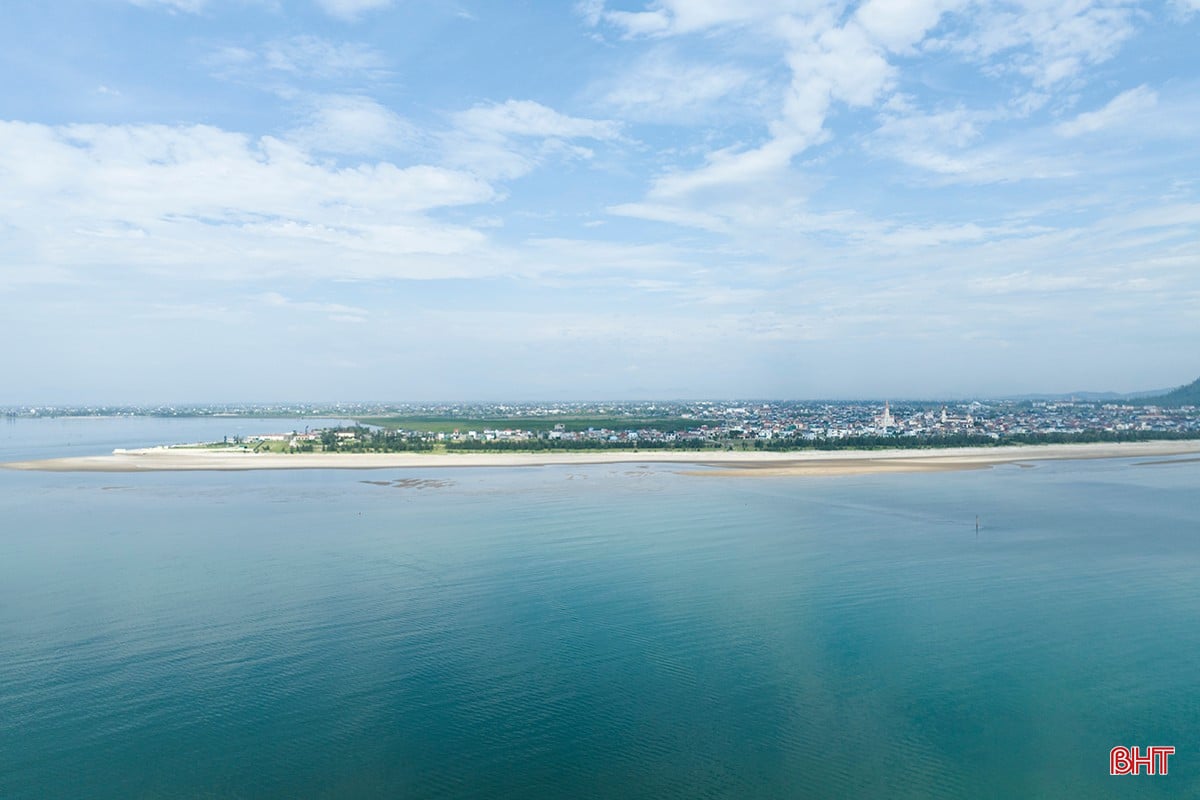
Amidst the vast expanse of the ocean, the custom of worshipping the sea god serves as a spiritual anchor for fishermen.
Before each fishing trip, after preparing all the necessary fishing gear, fuel, and provisions, Mr. Ngo Quang Hung from Giang Ha village, Loc Ha commune, takes the time to visit the coastal temple to offer incense. For many fishermen here, this ritual has become an indispensable part of their journey before leaving the harbor, as a way of entrusting their faith and praying for a safe and successful voyage at sea.
Mr. Ngo Quang Hung shared: “Seafarers live off the sea year-round and always carry a deep respect for it. Before each trip out to sea, we often go to the temple to light incense and pray for peace and reassurance before the long journey far out at sea. Some trips last for many days, so everyone hopes for calm seas, successful fishing, and most importantly, that everyone returns safely to their families.”
In a coastal area like Loc Ha, the sea has been both a source of livelihood and a haven of unpredictable dangers for generations. The sea provides abundant seafood that sustains fishermen, but it can also unexpectedly unleash storms and raging waves, putting people in peril. Before humans could fully understand the power of nature, folk beliefs gradually emerged as a way for coastal residents to express their faith and pray for safety in the face of the vast ocean.

Dong Phuong Temple (Xuan Phuong village, Loc Ha commune) - where fishermen often offer incense before each trip out to sea.
Since then, many temples and shrines have been erected along the coast, becoming spiritual anchors for the fishing village residents. Located in Xuan Phuong hamlet, Loc Ha commune, Dong Phuong Temple has stood by the sea for more than two centuries, closely associated with the spiritual life of generations of local fishermen. The temple not only preserves cultural and historical values but also serves as a place where people return before each fishing trip, entrusting their hopes for calm seas and full boats.
In the minds of the people, the legend of the holy deity of the Eastern Temple battling the Dragon God in the Cua Sot area is not simply a folk tale, but also reflects the aspiration to conquer the sea, praying for calm seas so that their journeys to earn a living in the open ocean may be safe.
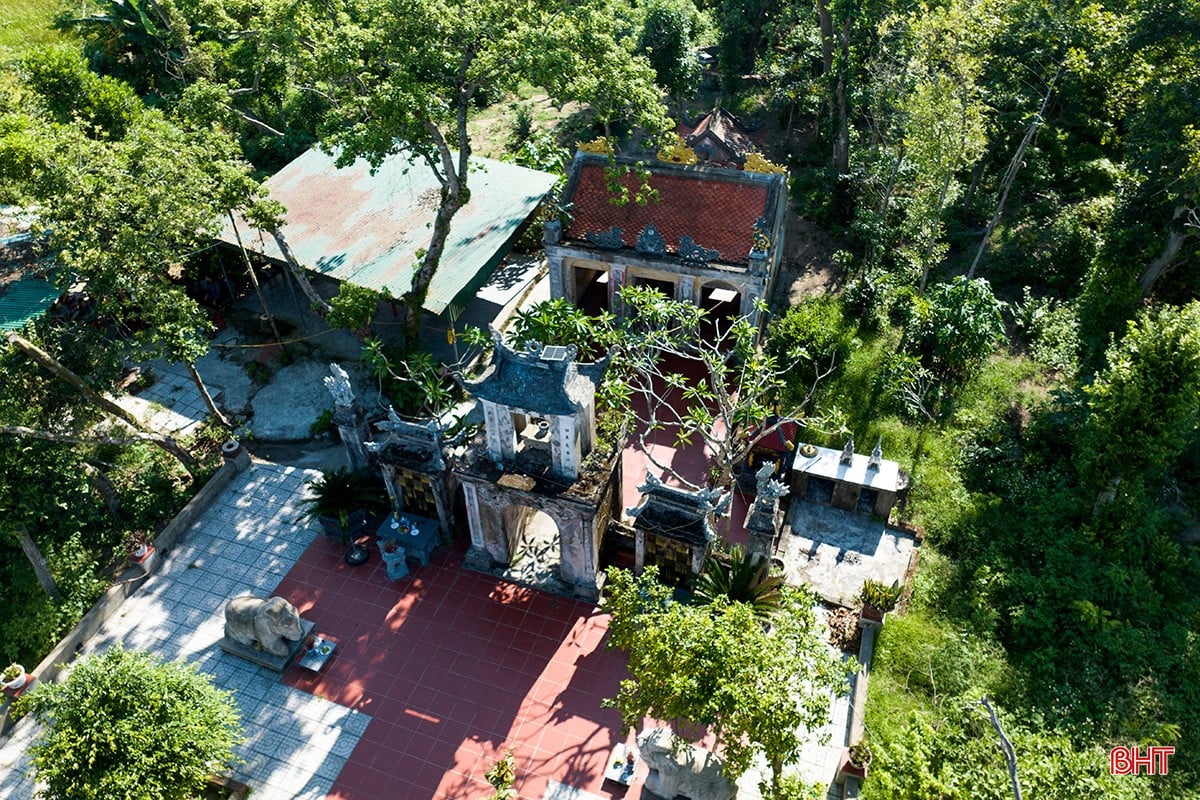
Sat Hai Dai Vuong Temple in Yen Diem village, Loc Ha commune
Every month, on the first and fifteenth days of the lunar calendar, many people from Yen Diem village, Loc Ha commune, return to the temple of Sat Hai Dai Vuong to light incense and pray for safety on their voyages at sea. According to historical records, Sat Hai Dai Vuong was a brilliant naval general during the Tran Dynasty, famous for his swimming and diving skills and for his many victories in the resistance against the Yuan-Mongol invaders.
After his death, he was bestowed the title of benevolent deity by successive dynasties, becoming the god who governs the sea in the minds of the coastal inhabitants. For the people here, he is not only a historical figure but also a sacred spiritual anchor, a place where they entrust their faith before each voyage, hoping for calm seas, a bountiful catch, and a safe return for everyone.

The royal decrees at the Sat Hai Dai Vuong temple are carefully preserved.
In the lives of coastal residents, besides the deities associated with folk legends, there is another "god" very close to fishermen: the Whale God (or Whale God). The belief in worshipping the Whale God originated from stories of fishermen in distress at sea being rescued by whales and brought safely ashore. For the people of coastal villages, the Whale God is considered a guardian deity of seafarers. Therefore, when a Whale God washes ashore, fishermen organize a respectful burial ceremony and erect a shrine as a token of gratitude. Before each fishing trip, many still maintain the habit of lighting incense and praying for a successful voyage and a bountiful catch.
The worship of the sea god is not only present in daily life, but also clearly expressed through the traditional festivals of the residents of Loc Ha coastal area. Every year, from the 1st to the 3rd of May in the lunar calendar, the Chieu Trung Dai Vuong Le Khoi festival is held with many traditional rituals. When the festival drums sound, a large number of locals and tourists flock to the temples and shrines along the coast to offer incense and participate in community cultural activities.

At the foot of Nam Gioi mountain, the custom of worshipping the sea god is still preserved and promoted by the people of Loc Ha.
From the Chiêu Trưng Đại Vương Lê Khôi festival to the fishing prayer ceremonies in coastal villages, all of these not only reflect the rich spiritual life of coastal residents but also contribute to community cohesion and the preservation of traditional cultural values built up over generations. Within the festival space, stories about the sea, about ancestors who pioneered and protected the sea, continue to be remembered and passed down. This is also how coastal residents preserve their cultural identity amidst the hustle and bustle of modern life.
Ms. Phan Thu Hien, former Deputy Director of the Department of Culture, Sports and Tourism of Ha Tinh province, stated: "The belief in worshipping the sea god is a distinctive cultural activity that has endured in the lives of coastal residents. The sea not only provides livelihoods but also shapes a unique spiritual life for coastal people. Through traditional festivals, especially the fishing festival, the community is more closely bonded, supporting each other in production, economic development, and preserving cultural identity.”
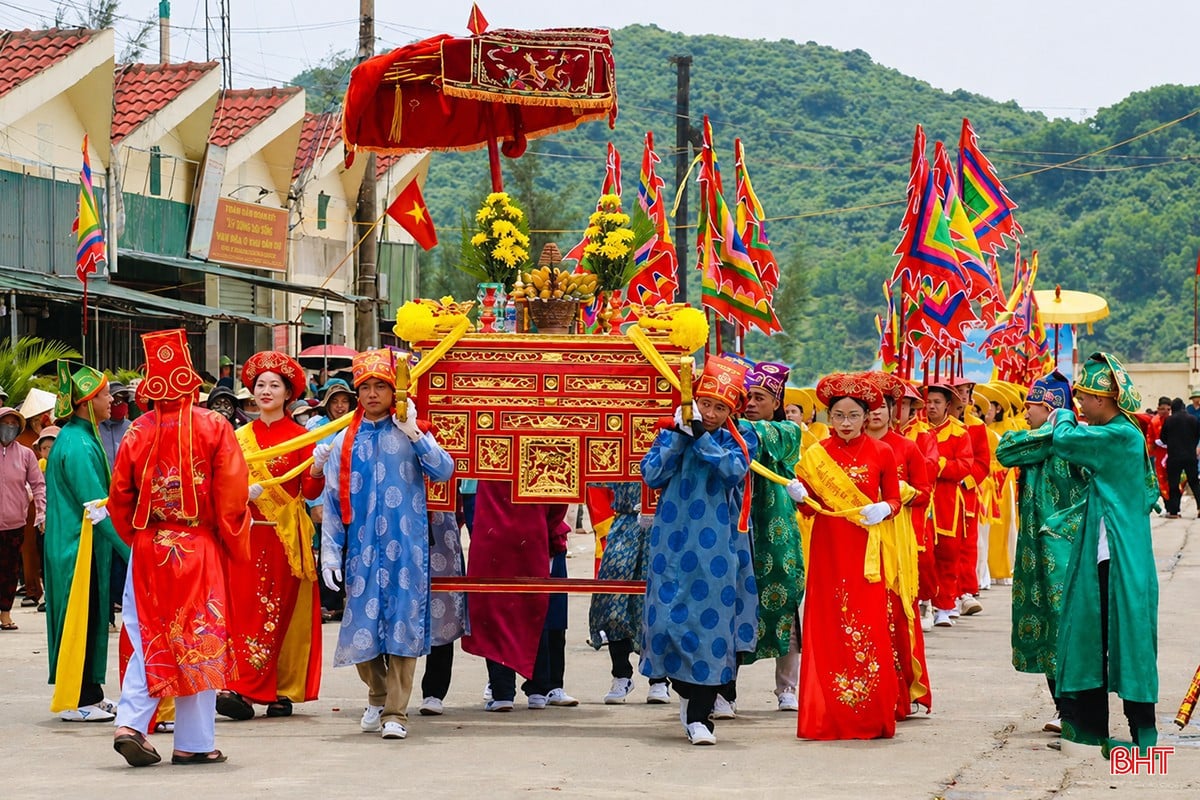
The procession of palanquins and ancestral tablets from the sea to the main temple at the Chiêu Trưng Đại Vương Lê Khôi Temple Festival. (Archival photo)
Currently, Loc Ha commune has 31 historical sites of various levels, reflecting the rich cultural life of the coastal residents over many generations. Besides making a living from the sea, the people here also preserve enduring spiritual and cultural values formed amidst the waves and storms of the ocean. In the context of the continuing development of the marine economy, the preservation and promotion of traditional cultural values is becoming increasingly necessary. This is not only a way to preserve the identity of our ancestors but also contributes to the development of cultural tourism, traditional education for the younger generation, and creates further impetus for the sustainable development of the locality.
Amidst the hustle and bustle of modern life, where many traditional values face the risk of fading away, the sea god worship in Loc Ha remains an inseparable part of the lives of the coastal inhabitants. Through countless waves and long voyages at sea, this belief has been passed down from generation to generation.
Source: https://baohatinh.vn/tho-than-bien-di-san-tinh-than-cua-ngu-dan-loc-ha-post311078.html


![[Photo] General Secretary and President To Lam presides over a meeting on preparations for the review of one year of operation of the three-tiered government system.](https://vphoto.vietnam.vn/thumb/1200x675/vietnam/resource/IMAGE/2026/06/02/1780391821195_a1-bnd-4595-9717-jpg.webp)


















![[Quiz] How many times has Vietnam participated in the World Cup finals?](https://vphoto.vietnam.vn/thumb/402x226/vietnam/resource/IMAGE/2026/06/03/1780438346337_fb_worldcup-jpg.webp)


![[Image] Affirming the aspirations and new standards of the Vietnamese real estate market in the new era.](https://vphoto.vietnam.vn/thumb/1200x675/vietnam/resource/IMAGE/2026/06/03/1780441948766_giai-thuong-bat-dong-san-2026-minh-duy-6-7364-jpg.webp)















































Comment (0)