

From unique rituals to the voluntary spirit of community participation, this national intangible cultural heritage demonstrates the enduring vitality of traditional culture in contemporary life.
The Keo Village Festival is also a vivid testament to the spirit of Resolution 80-NQ/TW of the Politburo on building and developing Vietnamese culture and people in the new era, where heritage is not only to be preserved but also to become an endogenous resource for sustainable development.
Unique rituals found only in Keo village.
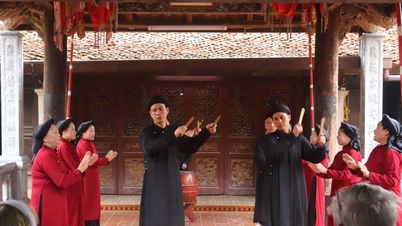
The Keo Village Festival is held annually from the 6th to the 8th of April in the lunar calendar at the complex of historical sites including Keo Temple, Dan communal house, Bang communal house, and Keo Pagoda. What makes the festival unique is not only its scale or centuries-old history, but also the special blend of the worship of the village guardian deity and indigenous folk Buddhism.
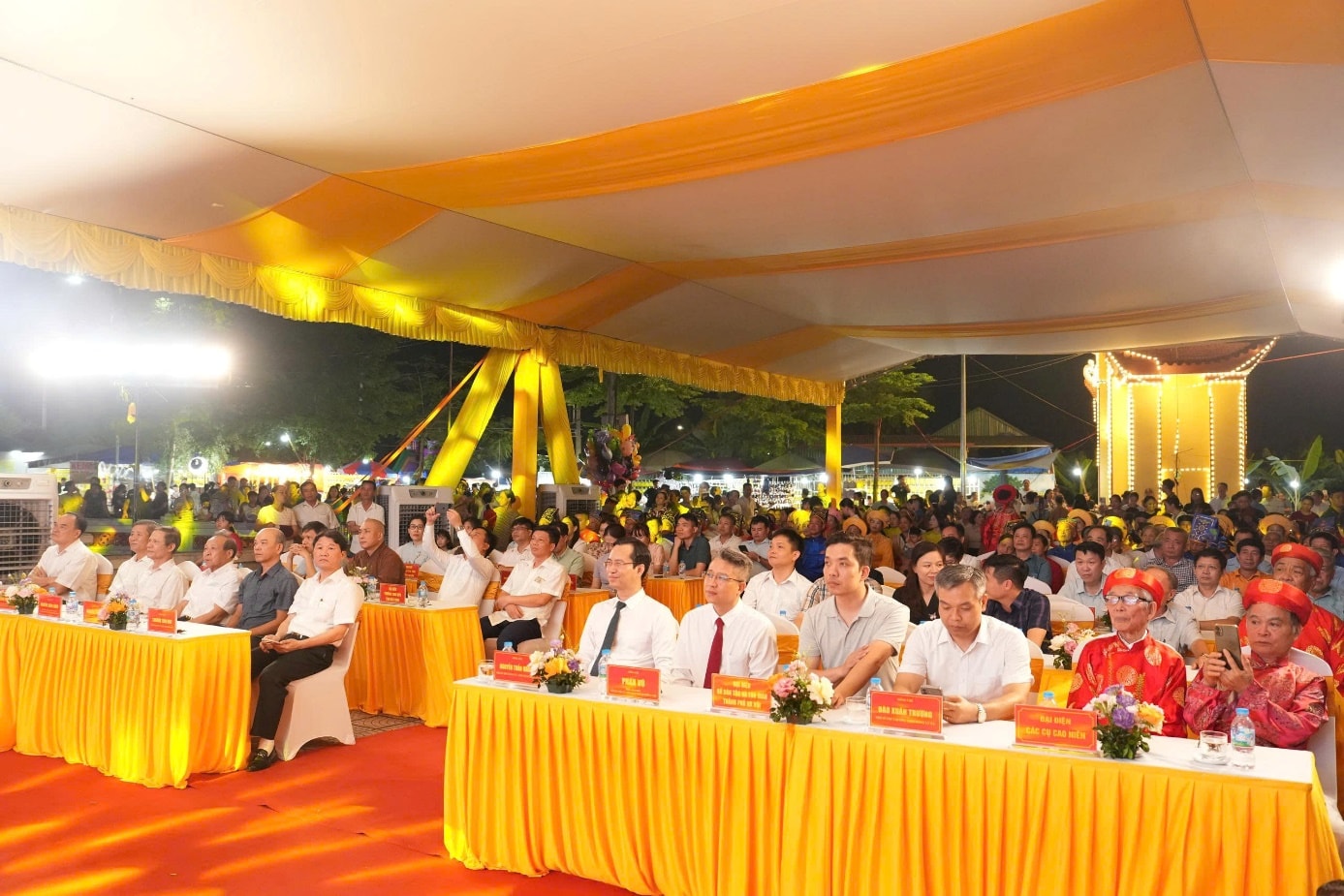
The local people worship the patron saint Dao Phuc Thuong, a general, and Princess Phuong Dung Tien Anh; they are also deeply influenced by the Four Deities belief system of the ancient Luy Lau region. Keo Pagoda - whose official name is Bao An Trung Nghiem Tu - worships Phap Van Buddha, also known as Ba Keo, one of the Four Deities representing clouds, rain, thunder, and lightning in the beliefs of ancient Vietnamese agricultural communities.
From this, the unique "Saint and Buddha walking together" model of Keo village was formed. In the same festival, the people both commemorate the village's patron saint who contributed to the people and the nation, and express their hopes for favorable weather, national prosperity, and peace through folk Buddhist beliefs.
A unique aspect of the festival lies in its ritual system, which has been preserved almost intact through many generations. From the selection of the chief priest, the head of the procession, the flag bearers, to the men carrying the palanquin, everything follows strict standards. In particular, the men carrying the First Palanquin must be bachelors, of good morals, and trusted by the community.
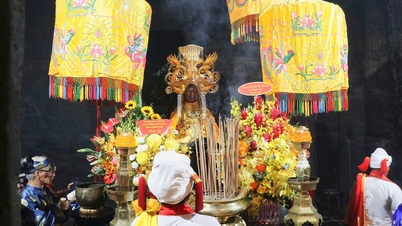
One of the most sacred rituals is the "robe-dressing" ceremony – the ritual of bathing the statue and dressing the statue of Lady Keo in new robes before the major processions. After the temple ceremony, the Head of the Palanquin and selected young men will personally clean the statue and then dress Lady Keo in Buddhist ceremonial robes.
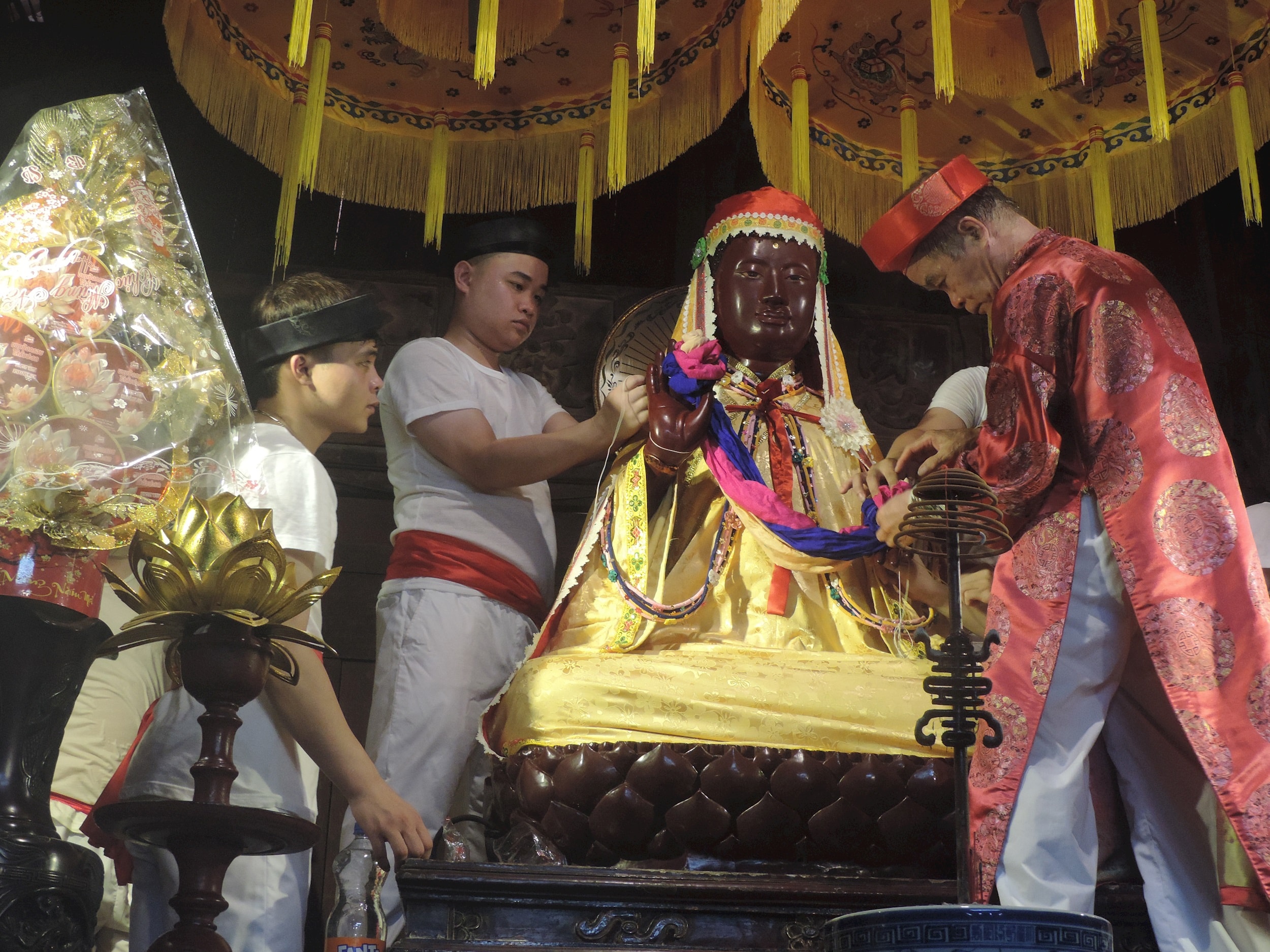
Mr. Pham Huu Than, Head of the Organizing Subcommittee for the traditional festival of Keo village, said: “This ritual has the meaning of purification, praying for national peace and prosperity, and a bountiful harvest. More profoundly, it is also an expression of reverence and community spirit that has been nurtured through many generations of Keo village residents.”
The festive atmosphere is further enhanced by rituals such as the palanquin procession, "The Gods Welcome the Buddha," ancestor worship, palanquin running, and the custom of crawling inside the Buddha palanquin. Particularly noteworthy is the ancestor worship ritual, where the Buddha palanquin faces towards the Ancestor Temple of Luy Lau in Bac Ninh, demonstrating the festival's strong connection to the ancient Buddhist cultural space of the Kinh Bac region.
While the ceremonial part is imbued with sacredness, the festive part is vibrant with folk energy, featuring a traditional horse race on the 8th day of the fourth lunar month. The sound of drums, the colorful flags, and the bustling crowds create a cultural atmosphere that is both sacred and intimate, typical of a Northern Vietnamese village festival.
Living heritage is preserved and passed on by the community.
What makes the Keo village festival special is that the vitality of the heritage lies not in the official recognition documents, but in the very connection of the local community.
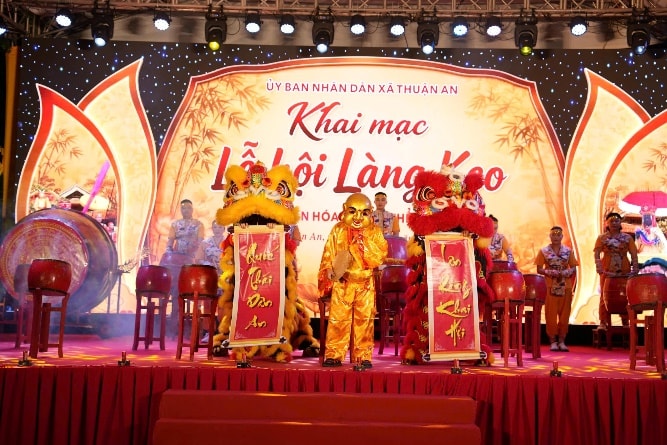
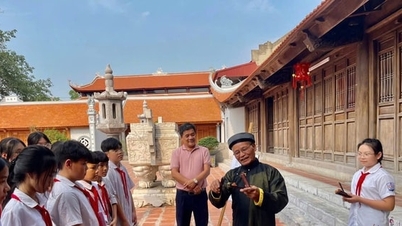
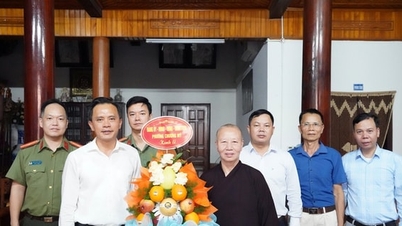
Mr. Nguyen Hoang Thong, Head of Giao Tat village and Head of the Nghè Keo Relic Management Subcommittee, said that the villagers consider the festival an indispensable part of their spiritual life. Each festival season, from the elderly to young people, women, and children, everyone voluntarily participates in various tasks, from cleaning the relics and preparing offerings to practicing the procession rituals.
"The festival is not only for worship but also helps people become more united and close-knit. Even those who work far away try to return to attend the festival. It's an opportunity for descendants to remember their roots and better understand the traditions of their homeland," Mr. Thong shared.
For the young men participating in the procession of the First Palanquin, this is not only a source of pride but also a great responsibility to the community. Nguyen Chu Minh Dat, a member of the First Palanquin procession team, said that being chosen to participate in the ceremony is a very sacred thing.
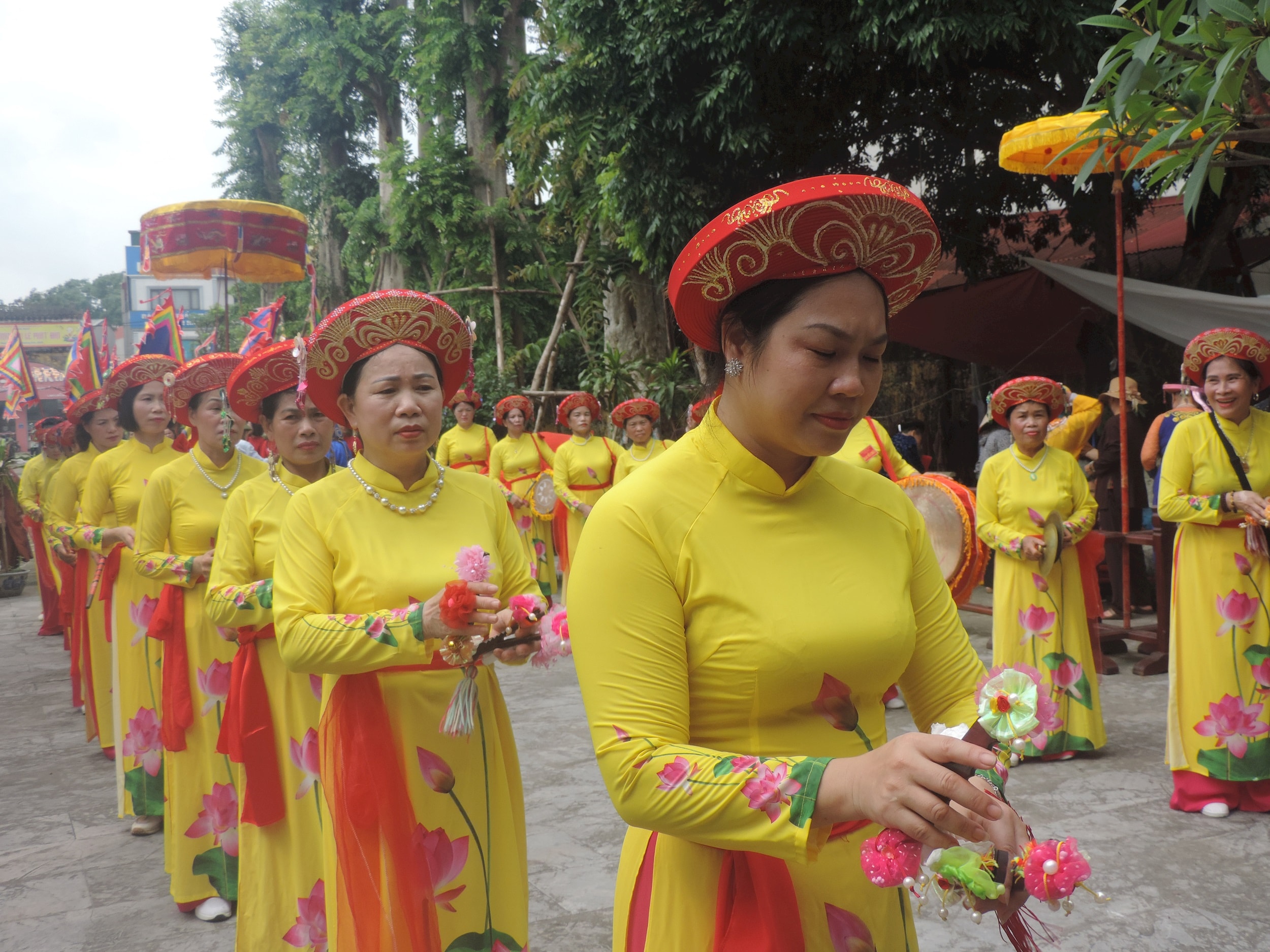
"When we carry the palanquin together to the sound of drums, everyone feels like they are contributing to preserving the traditions of their ancestors," said Dat.
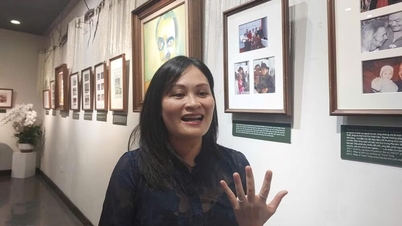
For the people of Keo village, the festival is a connecting thread for the community across generations. Ms. Nguyen Thi Hong, a resident of Giao Tat hamlet, believes that the most valuable aspect of the festival is the spirit of unity among the people.
"No matter how modern life becomes, when the festival comes around, everyone gathers together to take care of village affairs. Children accompany adults to the festival from a young age, so they naturally love and understand the culture of their homeland," Mrs. Hong shared.
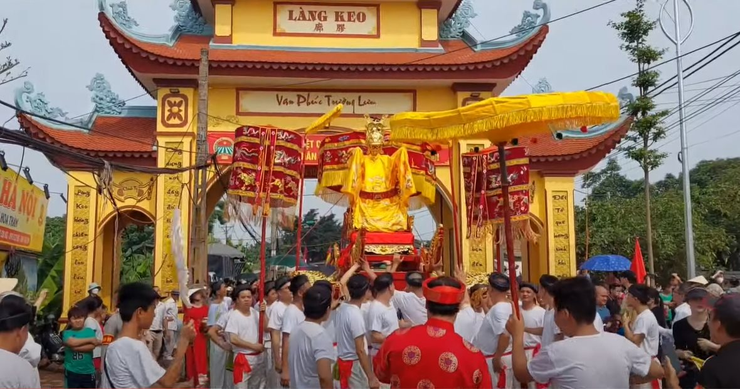
Despite numerous historical changes, the Keo village festival has been continuously passed down within the community. In 2024, the festival was recognized by the Ministry of Culture, Sports and Tourism as a National Intangible Cultural Heritage, acknowledging its historical and cultural values and its representative significance to the Keo village community.
Chairman of Thuan An Commune People's Committee, Nguyen Tuan Khanh, affirmed that preserving heritage is not only about organizing solemn, safe, and traditional festivals, but also about the responsibility of managing and protecting heritage spaces; creating conditions for cultural values to be passed on to the younger generation. Because heritage only truly has vitality when it is cherished and preserved by the community.
In Keo village today, heritage doesn't lie dormant in memory. It lives on in the sound of festival drums, in the footsteps of the palanquin bearers, in the sacred ritual of bestowing robes, and in the pride of each villager when they speak of their homeland. It is the community that has created this enduring vitality, so that the Keo village festival continues to be a "cultural source" flowing through contemporary life.
Source: https://hanoimoi.vn/giu-hon-le-hoi-lang-keo-tu-suc-manh-cong-dong-790344.html

![[Image] Hanoi's urban life under the challenge of a "scorching hot" environment](https://vphoto.vietnam.vn/thumb/1200x675/vietnam/resource/IMAGE/2026/05/25/1779706979265_nang-nong-t5-2026-minh-duy-7-4636-jpg.webp)


![[Image] Close-up view of the interchange connecting the two expressways and Long Thanh Airport.](https://vphoto.vietnam.vn/thumb/1200x675/vietnam/resource/IMAGE/2026/05/25/1779703378210_ndo_br_z7863716673926-224453a31600126cce10622af6290afd-4549-jpg.webp)







































































Comment (0)