

Brittle nails, receding gums, weaker grip strength, or a gradual decrease in height can all signal potential bone problems.
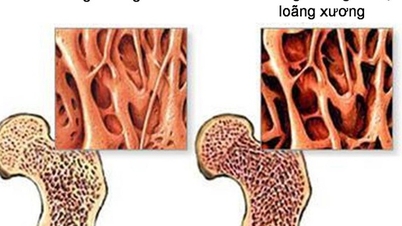
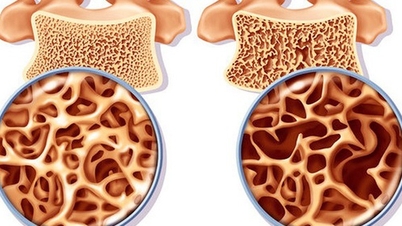
As we age, bodily processes slow down, bone density and nutrient absorption decrease, leading to osteoporosis and bone loss. Patients may experience back pain, often hunch over, decrease in height, and have bones that are more prone to fractures. Below are some signs of weakened bones.
Brittle nails
Brittle nails can occur for many reasons, but the two most prominent are collagen and calcium deficiencies. Collagen is a protein that supports the skin, connective tissue, and bones. Calcium is an essential mineral for bone health. More frequent nail breakage than normal can be a sign of bone loss.
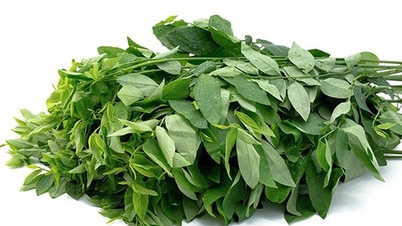
Everyone should supplement their diet with foods like berries, green vegetables, soybeans, and citrus fruits to increase collagen levels in the body. Besides milk, calcium can also be found in dark leafy greens and sardines.

Weak and brittle nails can be a sign of weak bones. (Image: Freepik)
Gum recession
As the jawbone weakens, the gums can separate from the teeth. Older adults should have regular dental checkups to monitor their gum health. Even without gum problems, everyone should still floss and brush regularly, and may strengthen their jaw muscles by chewing gum.
Reduce height
Height reduction is related to the aging of bones, muscles, and joints, and is a sign of osteoporosis. At age 40, the average person typically loses about 1 cm every 10 years. This rate accelerates after age 70. According to scientists , the causes include the wear and tear of cartilage between bones over time, loss of bone mineral density, spinal fractures, or widening of the spaces between vertebrae.
Supplement calcium through diet and increase vitamin D absorption by sun exposure. Quit smoking and limit alcohol consumption to slow down bone aging.
Poor grip strength
According to a 2011 study by the University of South Australia and the University of Adelaide, Australia, handgrip strength tests are linked to determining overall bone mineral density in postmenopausal women. This is because women with weak grip strength often lack muscle strength and are less able to maintain balance.
Weakness in the hand bones can also signal problems in other areas of the hand, including the fingertips, the middle knuckles of each finger, joints, and wrist. Women should increase their grip strength to build muscle and protect their bones.
Muscle cramps, muscle pain, and bone pain.
Frequent body aches and pains can be due to a vitamin D deficiency, increasing the risk of osteoporosis. Frequent muscle cramps are a sign of vitamin and mineral deficiencies. Leg cramps that occur at night often indicate low levels of calcium, magnesium, or potassium in the blood. If left untreated, prolonged cramping can lead to bone loss.
Huyen My (According to The Healthy, Prevention )
| Readers can post questions about bone and joint diseases here for doctors to answer. |
Source link






































































































Comment (0)