


Mr. Le Hoang Chau proposed several specific mechanisms to help Ho Chi Minh City take off.
-What mechanisms do you think those are?
*Firstly, the BOT (Build-Operate-Transfer) contract should not be applied to investment projects for upgrading, expanding, and modernizing existing road infrastructure in Ho Chi Minh City. This avoids conflicts of interest between the project investor and the people using the BOT roads who have to pay tolls, potentially leading to social unrest. Instead, investment projects for upgrading, expanding, and modernizing existing road infrastructure should be implemented under a BT (Build-Transfer) contract, using the city's budget to pay the investor.
Furthermore, it is necessary to consider allowing Ho Chi Minh City to restart construction investment projects under the BT contract model using state budget funds to pay investors, absolutely not using land funds for investors to carry out other projects. At the same time, the State should create budget funds through investment in land development, land development funds, land development organizations, and land use right auctions as stipulated in the draft amended Land Law to mobilize private sector resources for investment in urban infrastructure development, transportation projects, etc.
-Regarding the current bottlenecks in the real estate market, what suggestions do you have to resolve them and create breakthroughs for Ho Chi Minh City's development?
Currently, the biggest obstacle relates to legal issues, specifically the calculation of land use fees. The majority of projects cannot be implemented because they cannot pay land use fees using current calculation methods. Therefore, we propose allowing commercial housing projects to apply the land price adjustment coefficient (K coefficient), and submit it to the Ho Chi Minh City People's Council for approval to apply it to the calculation of land use fees and land lease fees for all land plots (regardless of their value according to the land price table).
Currently, the surplus method is widely applied to land valuation, determining specific land prices for calculating land use fees and land lease fees for real estate projects, commercial housing, and urban areas. However, this method does not yield truly reliable land valuation results. According to experts, for the same real estate project, if only one valuation firm applies two different land valuation methods, it will produce two different results, with a difference of approximately 17%. If the same real estate project is valued by two different valuation firms using the same land valuation method, it will also produce two different results with a difference of approximately 17%. Therefore, applying the land price adjustment coefficient method to calculate land use fees and land lease fees for real estate and commercial housing projects is essential.
-What are the advantages of applying the K coefficient, sir?
*As far as I know, the Ho Chi Minh City People's Committee once issued a document proposing the application of the K coefficient method to calculate land use fees and land lease fees for all real estate and commercial housing projects, regardless of whether the land use fee value is above or below 30 billion VND, instead of hiring a consulting firm to appraise land value as is currently the case. If the K coefficient is applied to determine land use fees, the process could take no more than 6 months. This would ensure sufficient, accurate, and timely collection of revenue for the state budget, while also protecting the rights of project investors.
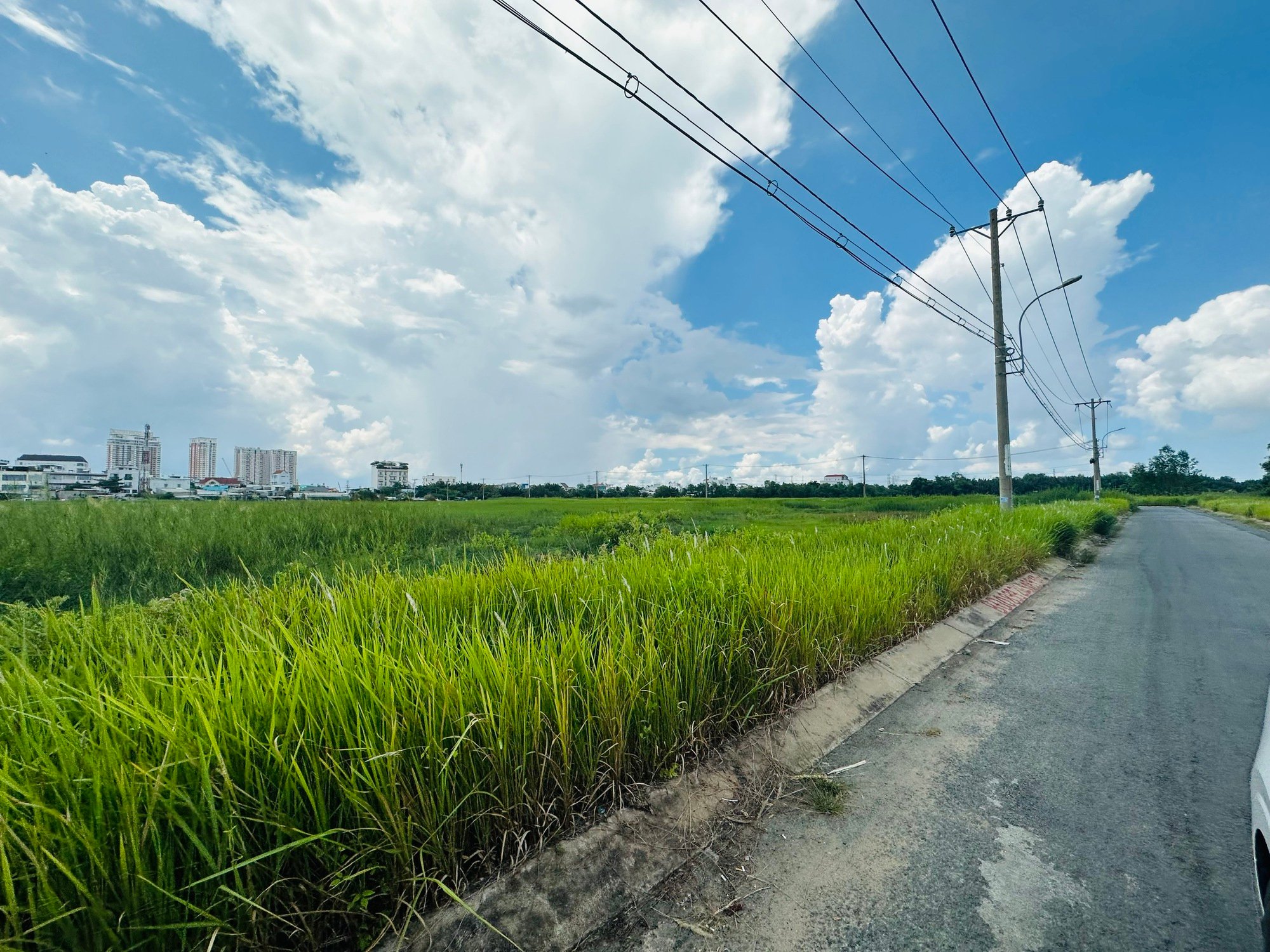
Many projects cannot be implemented because land use fees cannot be paid.
At the same time, if implemented according to the proposal of the Ho Chi Minh City People's Committee, it will standardize the calculation of land use fees and land lease fees for real estate projects, commercial housing, and urban areas, ensuring transparency, and allowing both the State and businesses to anticipate the amount of land use fees and land lease fees to be paid into the state budget.
Addressing the current situation where land use fees and land lease fees are undetermined will both avoid legal risks for state officials and employees in the performance of their duties and those involved; and ensure that state agencies have full authority to determine the amount of land use fees and land lease fees to be paid into the state budget (through the right to determine the land price adjustment coefficient (K4 coefficient) annually or when the market fluctuates and in accordance with each type of real estate project, commercial housing, urban area, thus fulfilling the role of the State leading the market rather than following it). At the same time, it will ensure sufficient, accurate, and timely collection for the state budget while protecting the rights of project investors.
-One current bottleneck for businesses is the procedure for approving investment policies and approving investors. These are the first two steps in undertaking a project. What suggestions do you have to address this?
*We have observed that the procedure for approving investment policies simultaneously with approving investors is only the initial step in the "chain" of investment and construction procedures for real estate and commercial housing projects. Therefore, the "bottleneck" in this procedure has led to "bottlenecks" in social housing projects and commercial housing projects in recent times. Consequently, this obstacle needs to be resolved not only for Ho Chi Minh City but for the entire country.
Furthermore, a current obstacle is adjusting the 1/2000 scale planning for social housing projects. Many projects cannot be implemented because the majority of social housing projects are on land previously designated for commercial housing that has been converted. If social housing is built on this land, the land use coefficient will increase by 1.5 times. This means that the old 1/2000 scale planning will have to be adjusted accordingly.
Adjusting the 1/2000 scale zoning plan is the responsibility and authority of state agencies and is adjusted "periodically" according to the laws on urban planning and construction. However, there is no regulation stating that "zoning plans and detailed plans must be approved or adjusted according to the law before preparing the feasibility study report for investment and construction and implementing the next steps of the project." Therefore, investors in social housing projects have to wait, without knowing how long they will have to wait, even though social housing projects do not increase the population size of the province. This is because buyers of social housing must have permanent or temporary residence for at least 6 months and have social insurance, and the project only increases the local population size in the area where the project is located.
Source link





























































































Comment (0)