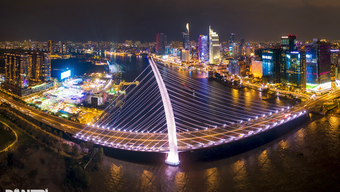
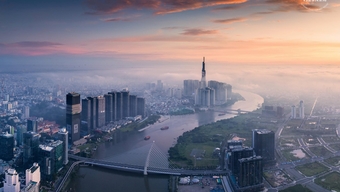
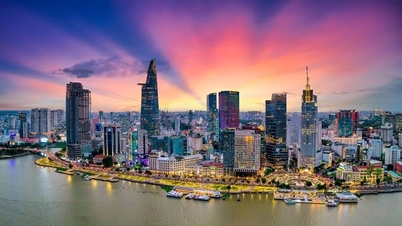
The fact that the renowned travel website Lonely Planet included Quy Nhon in its list of the 25 most attractive destinations in the world in 2026, along with Tripadvisor's previous ranking of this coastal city in 4th place among the top 25 trending destinations worldwide, is very encouraging news for tourism in Gia Lai.
This recognition acknowledges the immense potential of the destination and opens up opportunities to elevate the local image on the international tourism map. However, in the context of many other coastal destinations in Central Vietnam becoming increasingly attractive, these accolades also raise a new question: What must Quy Nhon do to continue maintaining its appeal?
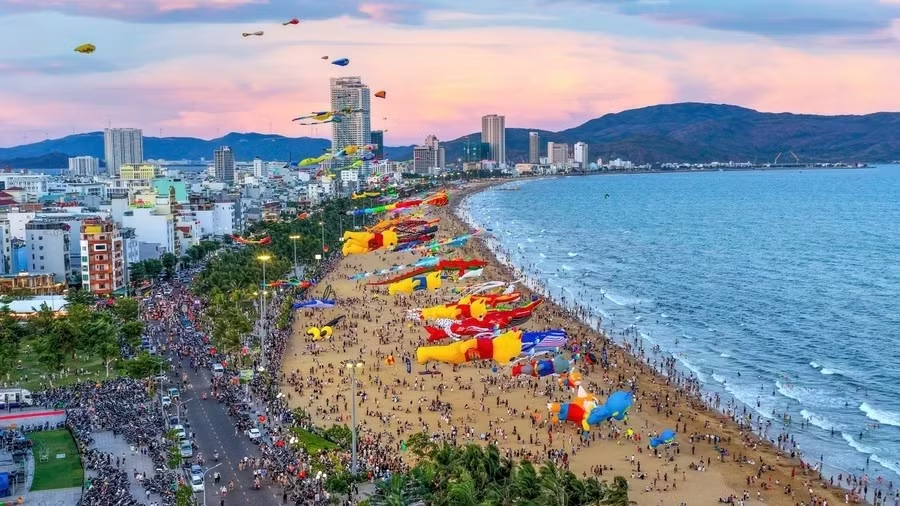
Lonely Planet suggests that what sets Quy Nhon apart is not only its beautiful scenery but also its relaxed atmosphere, which is not as crowded as many other popular destinations.
However, that advantage will cease to be an advantage if it is limited to what nature has bestowed. Along the Central Coast, many localities are developing strong beach tourism with increasingly professional infrastructure, services, and promotional activities. Without continuously innovating its products and building its own unique identity, Quy Nhon will find it very difficult to maintain its competitive advantage.



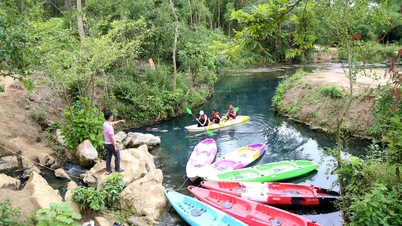
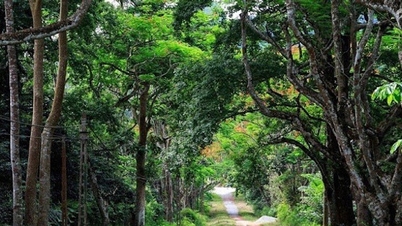
In this context, the merger of Gia Lai and Binh Dinh has opened up a unique opportunity. Rarely does a locality simultaneously possess the vast forests of the Central Highlands, the cultural space of gong music, and a coastal area rich in potential like Quy Nhon. With effective connections, tourists can experience a journey from the mountains to the sea in a single trip.
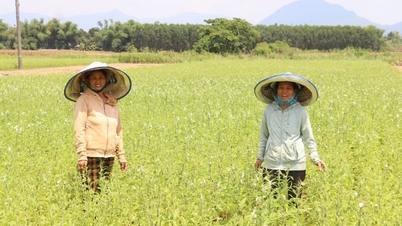
It's not just about geographical connection; it needs to become a complete tourism product chain, combining beach resorts, nature exploration, local cultural experiences, and community tourism. Then, Quy Nhon will be both a destination of blue seas and a gateway to exploring the vast mountain tourism landscape.
Of course, the appeal of a destination doesn't just come from its scenery. What keeps tourists coming back is the quality of service, a civilized tourism environment, convenient infrastructure, the friendliness of the people, and unique experiences that are hard to replicate elsewhere. Preserving the landscape, protecting the marine environment, and promoting local cultural values are just as important as investing in new projects.
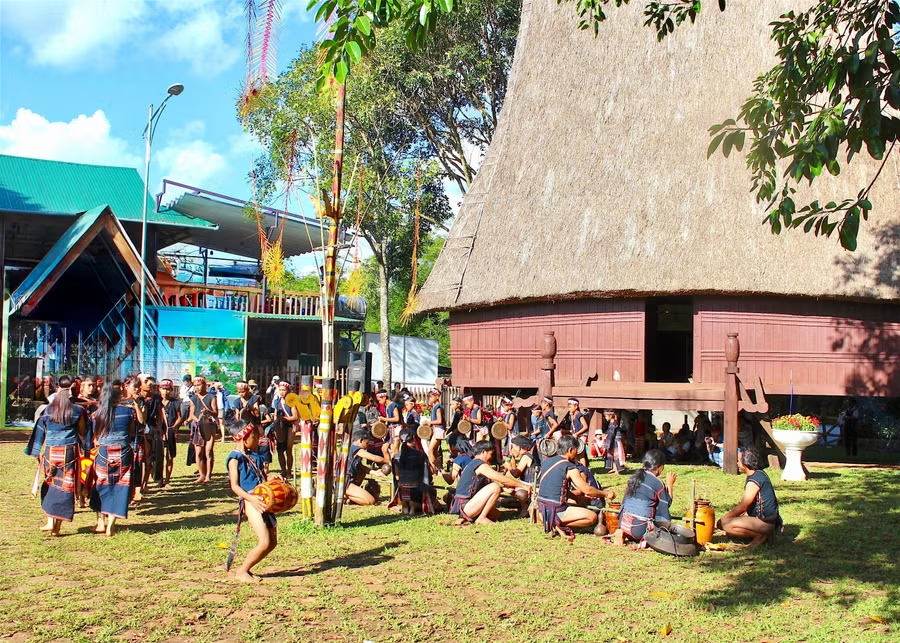
The leaders of Gia Lai province have identified tourism as one of the pillars of growth, with a focus on developing high-end resorts, ecotourism, community tourism, and international-scale cultural and musical events. The key is to transform these directions into a sufficiently distinctive brand.
International rankings are a source of pride and a great opportunity for promotion. But the attractiveness of a destination is not determined by its titles, but by its ability to make visitors want to return.



For Quy Nhon, preserving its inherent beauty while creating a unique identity within the "sea-forest" tourism landscape of Gia Lai will be key to maintaining its long-term appeal.
Source: https://baogialai.com.vn/de-quy-nhon-tiep-tuc-la-diem-den-hap-dan-post591300.html