Exquisite textiles made from sedge grass.
On some mornings in Pho Trach, while mist still lingers over the waters of the O Lau River, the gentle sound of oars can be heard, awakening a countryside that has just emerged from the flood season. Locals and tourists affectionately call this place "Pho Trach Diem," a nearly 500-year-old village nestled beside the river flowing into Tam Giang Lagoon. Every year, it "struggles" against fierce floods, yet it persistently preserves its traditional craft of weaving from sedge grass, creating elegant, sophisticated, and aesthetically pleasing handbags and hats.
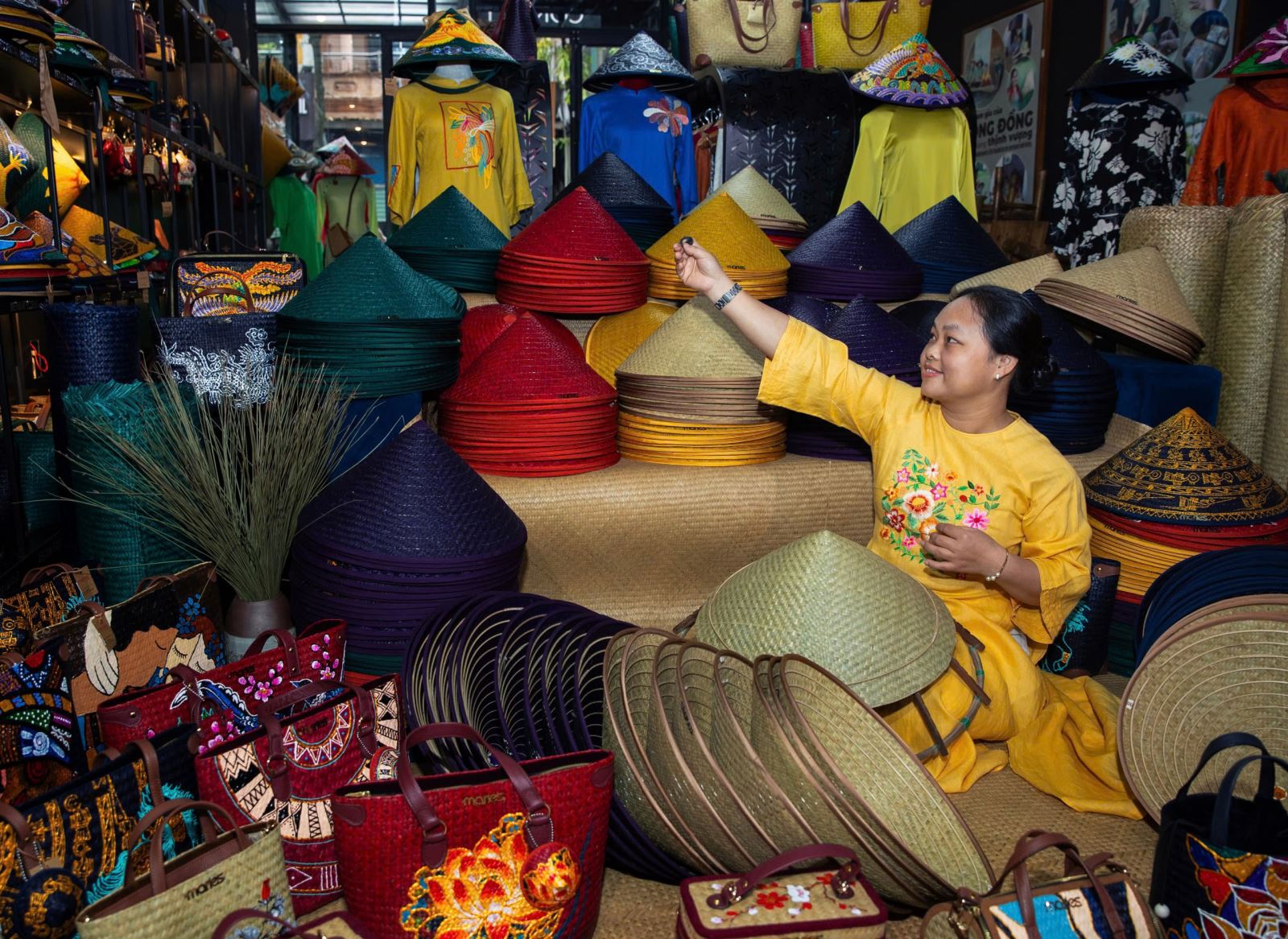
Traditional village handicrafts are being given a "new look".
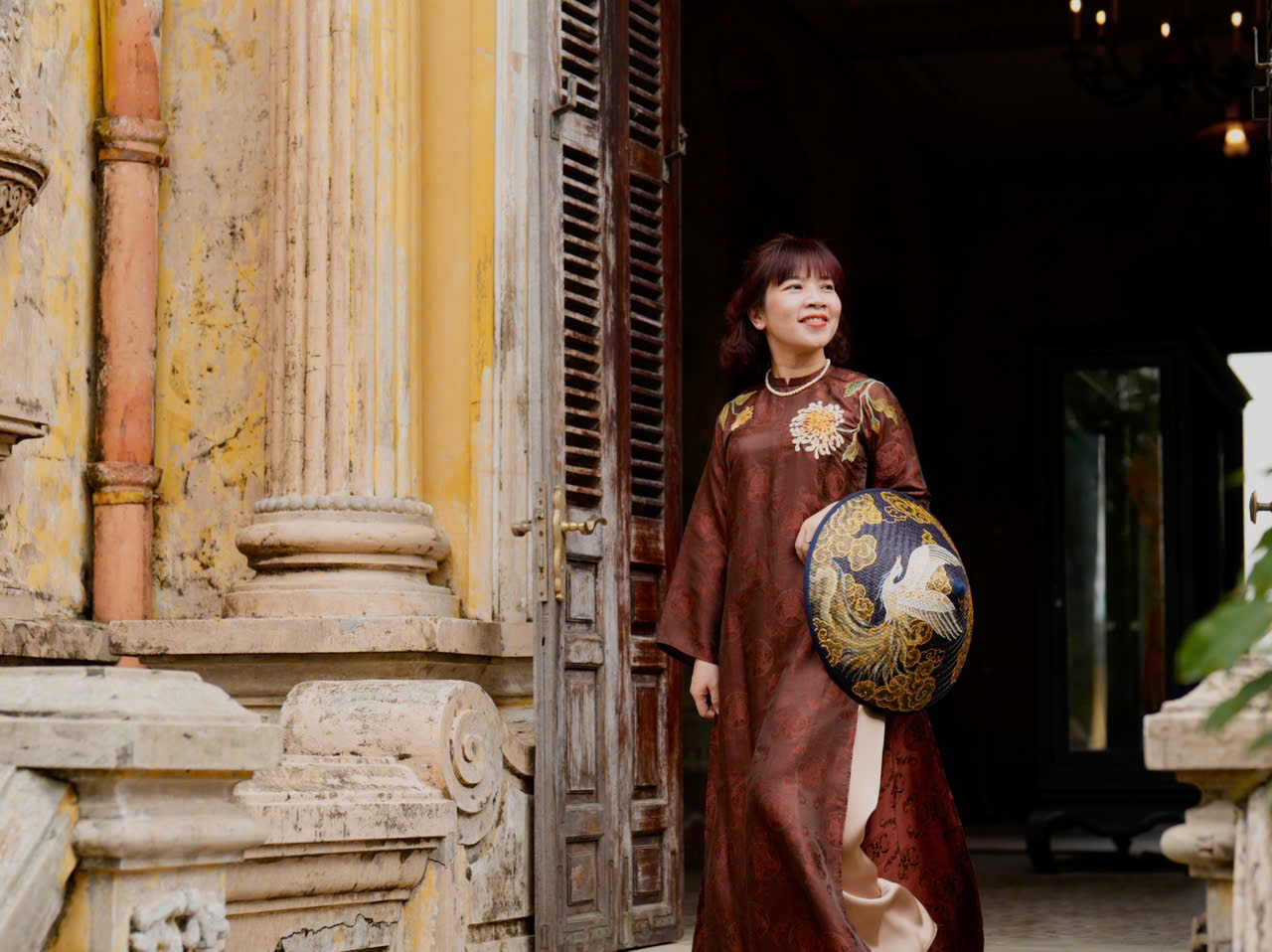
Ms. Ho Thi Suong Lan with a basket made from sedge grass.
Ms. Ho Thi Suong Lan, Director and founder of Maries Co., Ltd., told me that the story began not in a traditional craft village, but from a trip to Indonesia. Before establishing the Maries brand, she had been running an inbound tourism business since 2012, specializing in bringing international tourists and overseas Vietnamese to experience Vietnam.
In late 2020, during a trip to Indonesia, she brought along a lotus leaf conical hat. In a foreign country, many people curiously asked about it. Vietnamese people in the group even borrowed it to take photos. The image of "Western tourists naturally wearing conical hats, but Vietnamese tourists rarely bring them along" made her think, "It's a beautiful, graceful symbol of Vietnam, but its true value hasn't been properly appreciated..."
Upon returning, she began a journey through the craft villages of Hue , finally settling in Pho Trach, a village over 500 years old specializing in weaving sedge grass. The sedge grass here is grown in low-lying areas that are subject to annual floods. The villagers weave mats, bags, and other rudimentary products, mainly selling them during the Hue Festival. “No one does marketing. No one establishes a brand. The products are beautiful, but they can’t be sold outside the village,” Ms. Suong Lan lamented.
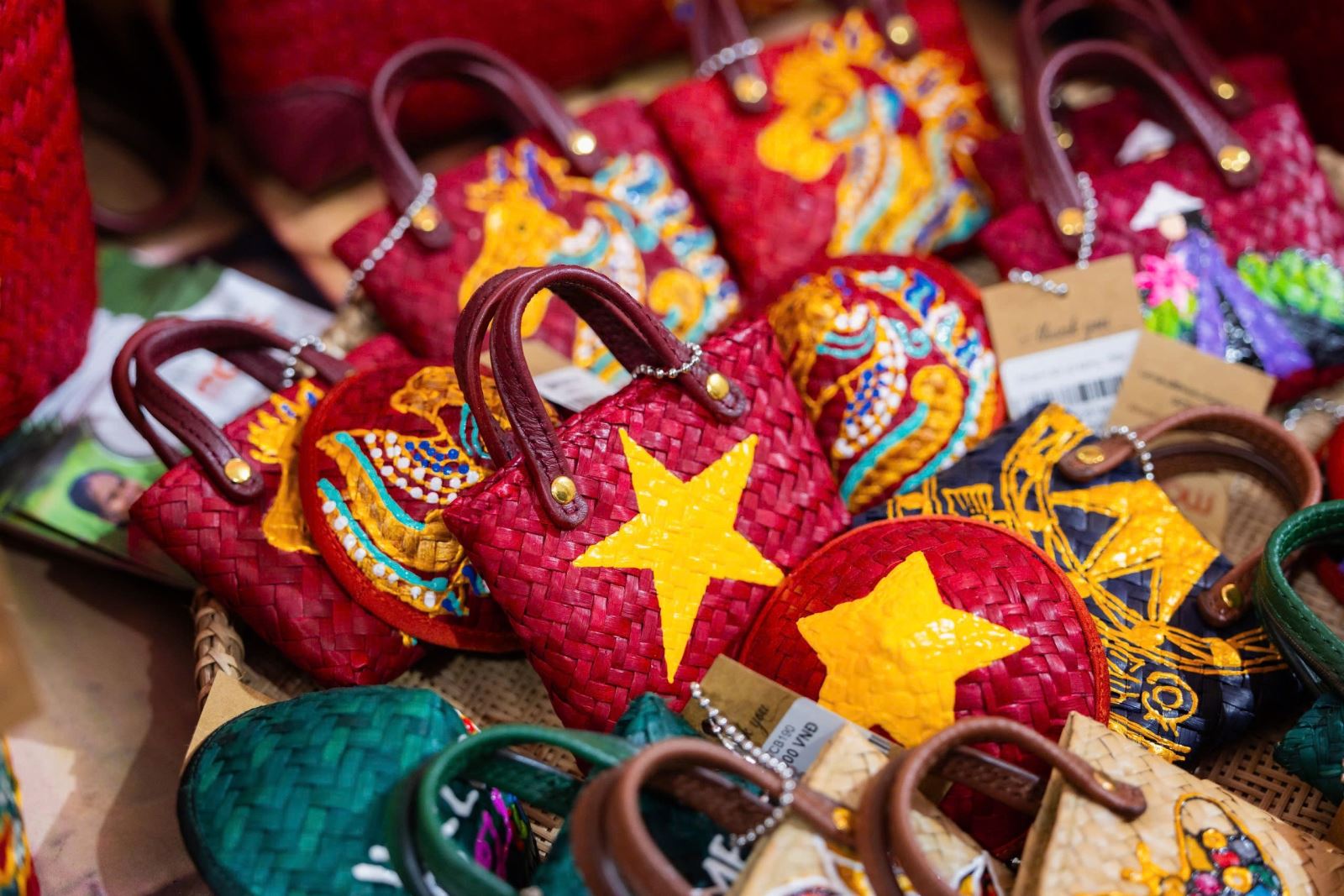
Many eye-catching and trendy designs are applied to handcrafted products made from sedge grass.
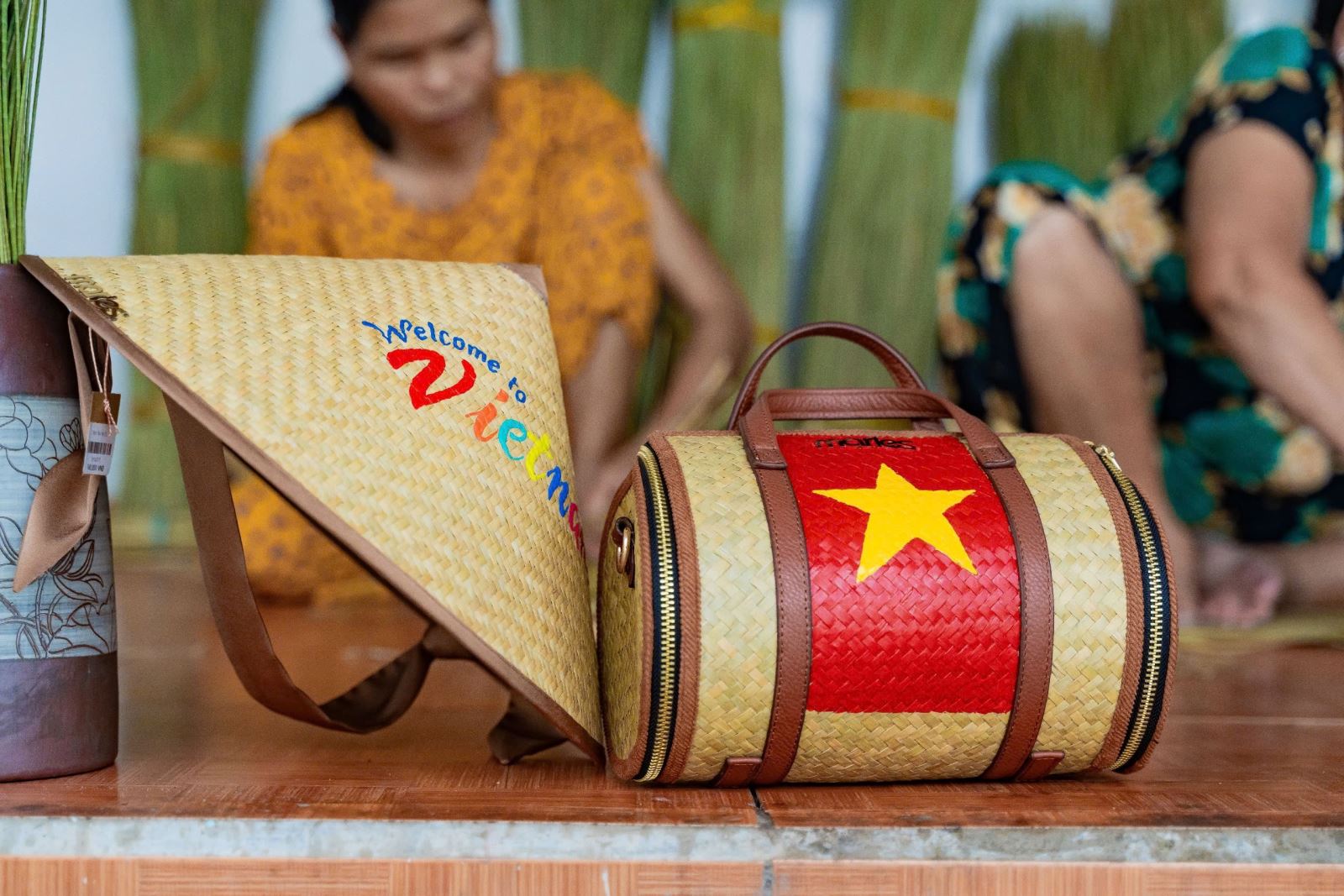
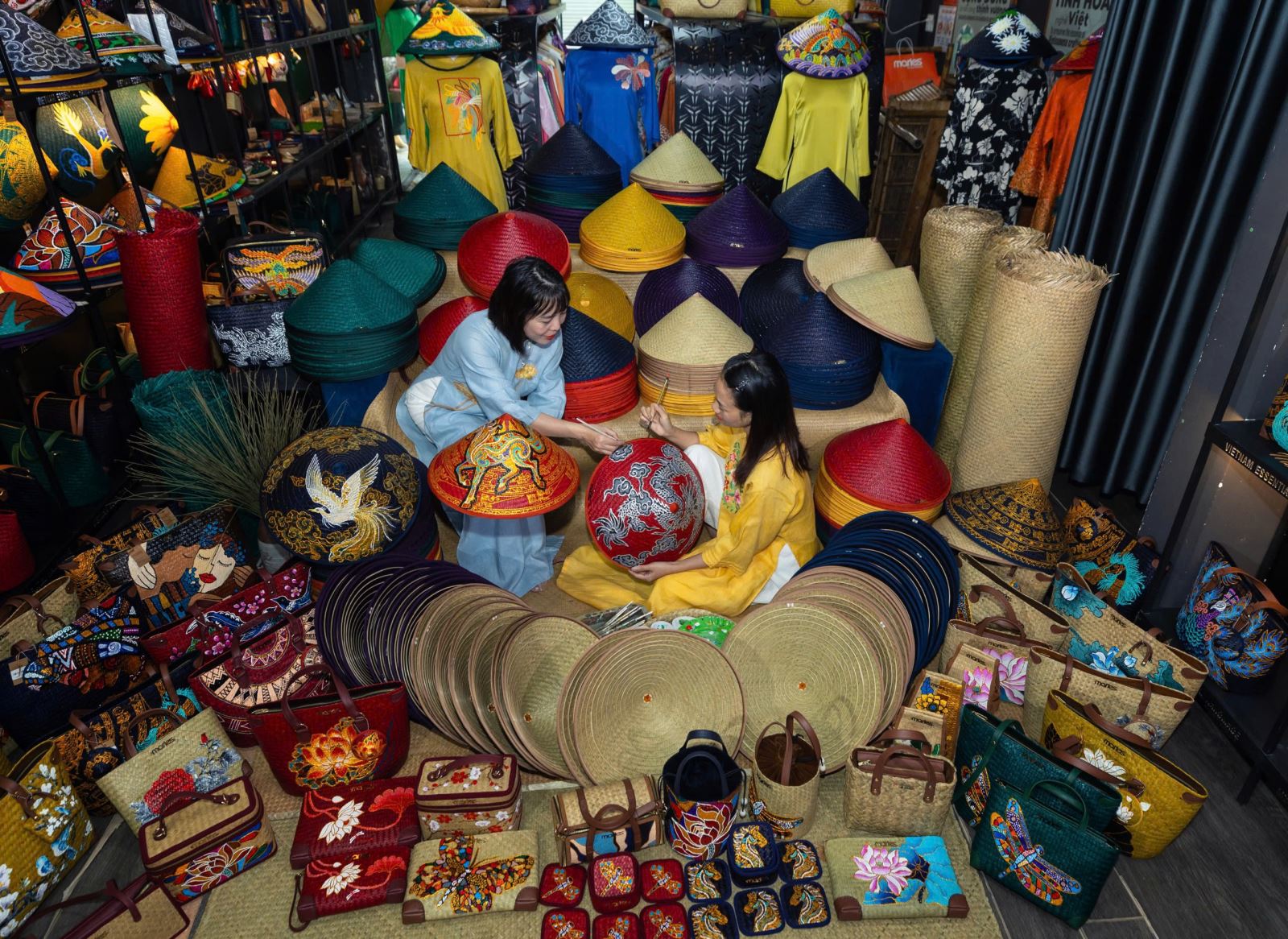
A diverse range of decorative accessories, handbags, and conical hats embody the national spirit.
During the six peak months of the COVID-19 pandemic, she dedicated all her time to market research, studying domestic and international handicraft trends. She noticed that Vietnam strongly exported rattan and bamboo products, but there were few businesses producing high-end handcrafted fashion from natural materials like sedge grass.
In October 2020, during a charity trip to East America, an area plagued by persistent flooding, she distributed 200 life jackets. That trip left a deep impression on Ms. Suong Lan, and she vividly remembers the sorrowful expressions of the recipients: “I asked them if they would be happy if they had a stable job, and the local people replied that they only wished for work, not for charity money…”
Currently, Ms. Suong Lan's company employs approximately 30 full-time female workers at the store and about 30 female workers directly involved in the craft villages. In Pho Trach village, the women mainly cultivate and weave sedge grass, while in Keng Van and Cong Luong villages, they are dedicated to the craft of making conical hats. These three craft villages are not only production sites but also communities where local people have grown up alongside their crafts. These artisans have been working alongside Ms. Lan for the past five years, their only concern being stable employment and annual income.
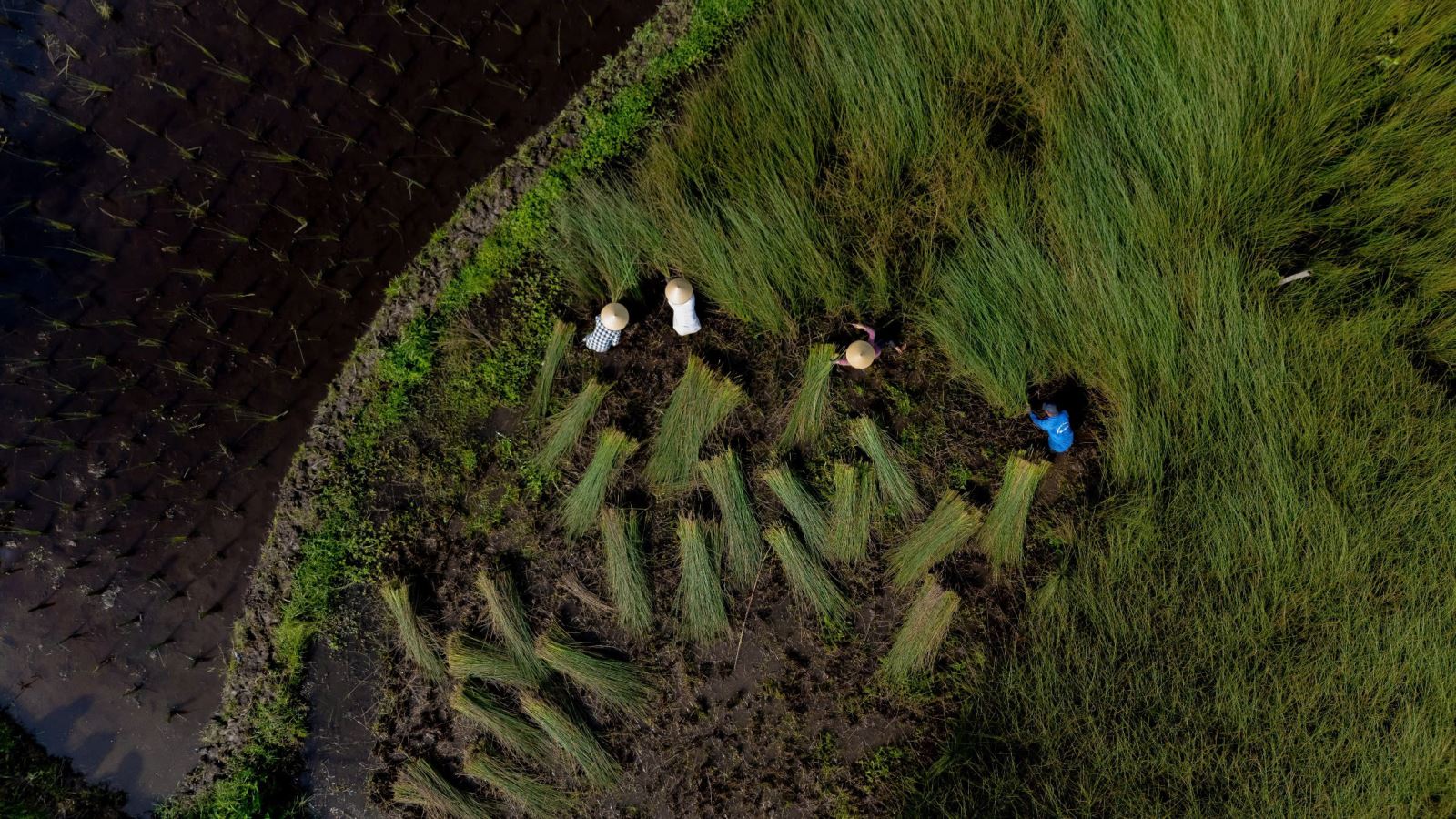
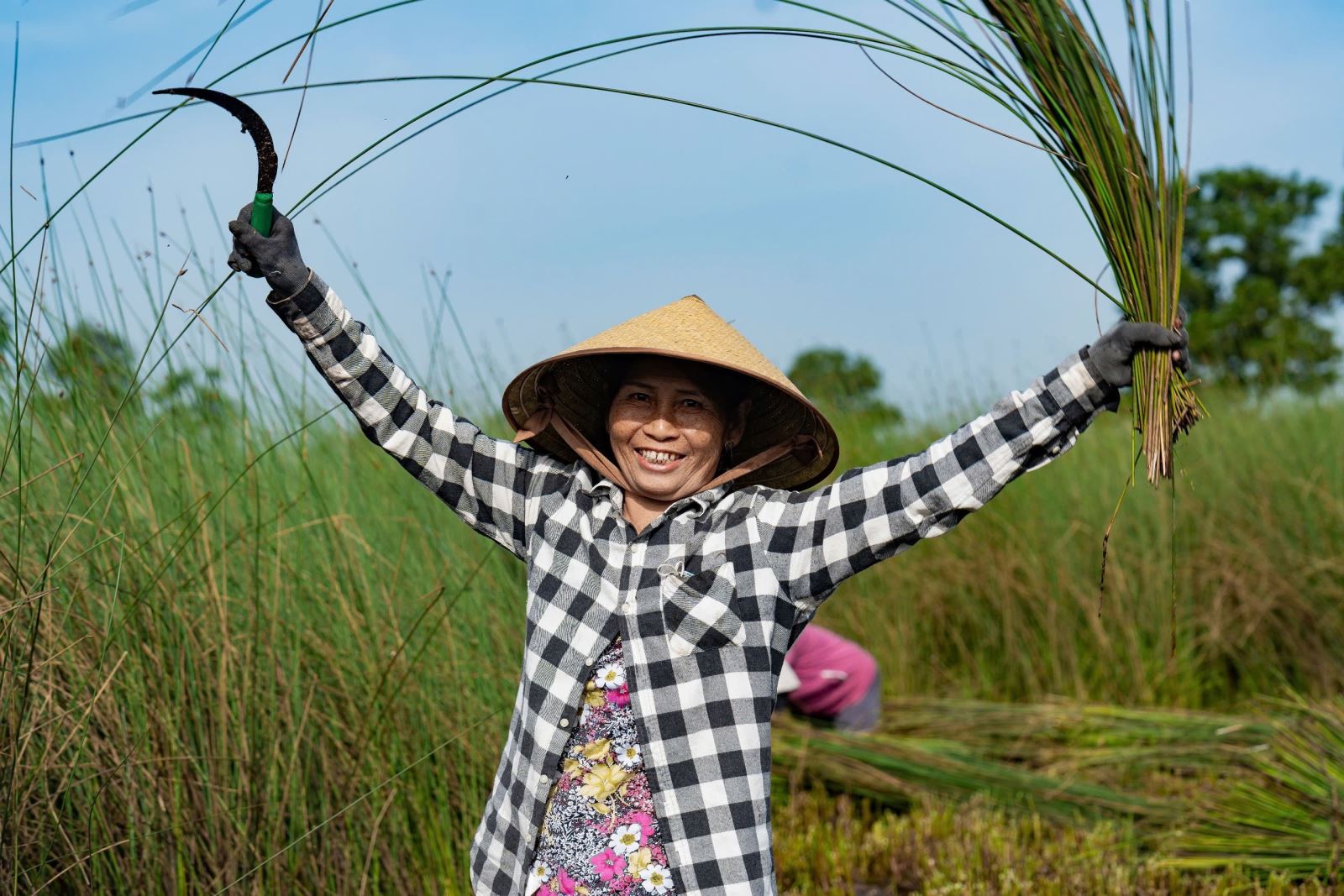
In most other localities such as Phu Yen and the provinces of the Mekong Delta, the sedge plant is grown in acidic, saline soil; while in Hue, it grows in clean, freshwater swamps.
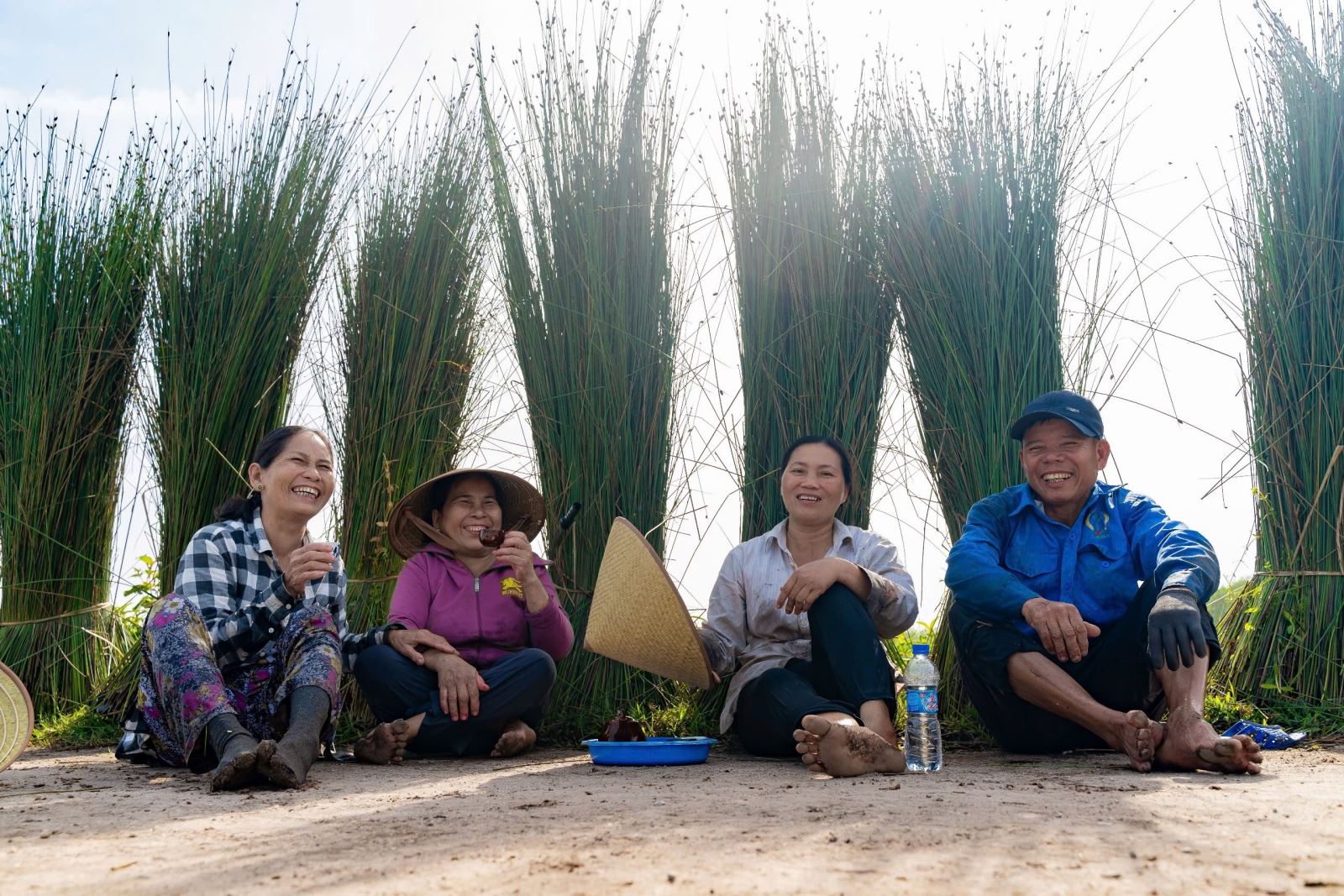
The hardworking people of Hue, toiling under the sun and enduring the harsh weather, contribute to the creation of exquisite handcrafted products.
Ms. Nở, a sedge weaving artisan in Hue, said that currently, women in the village mainly weave products for Ms. Sương Lan's company. Thanks to this, many families have a stable source of income, enough to cover their living expenses and feel secure in their craft. The artisans in the village are now proficient in making many product lines from cushions and hats to fashionable caps made from fine sedge fibers, and they always preserve and pass on the craft to their children and grandchildren…
You may also like

Veteran Nguyen Cao Dong sows seeds of green livelihood in the low-lying fields.Once a valiant soldier amidst the smoke and fire of the battlefield, veteran Nguyen Cao Dong is now a shining example in the field of economic development. Returning home after the war, he pioneered the introduction of sedge grass to his hometown's low-lying areas, establishing a model for producing biodegradable straws, creating jobs for local workers, and contributing to environmental protection. Ms. Suong Lan shared her thoughts: Traditional crafts don't disappear because the artisans don't love their work, but because they aren't paid the fair value of their labor. When the craft is valued, people will be attached to it with pride. One thing that's easy to notice in Ms. Lan's story is that she doesn't talk about "personnel" or production volume; she talks about "people" and "the joy of doing the craft."
Alongside their work, the women working in the shops receive formal training in sales, communication, and marketing. Those in the craft villages are mentored by skilled artisans, improving their skills… This is what Ms. Lan is most proud of, as it's gradually changing the mindset of the artisans. They no longer think of themselves as simply doing a basic craft, but rather as preserving a traditional Vietnamese profession.
When her sedge grass products traveled to international trade fairs and reached foreign tourists, she brought back the thank-you notes and expressions of appreciation from customers and shared them with each of her workers. That pride spread throughout the village, silently but profoundly…
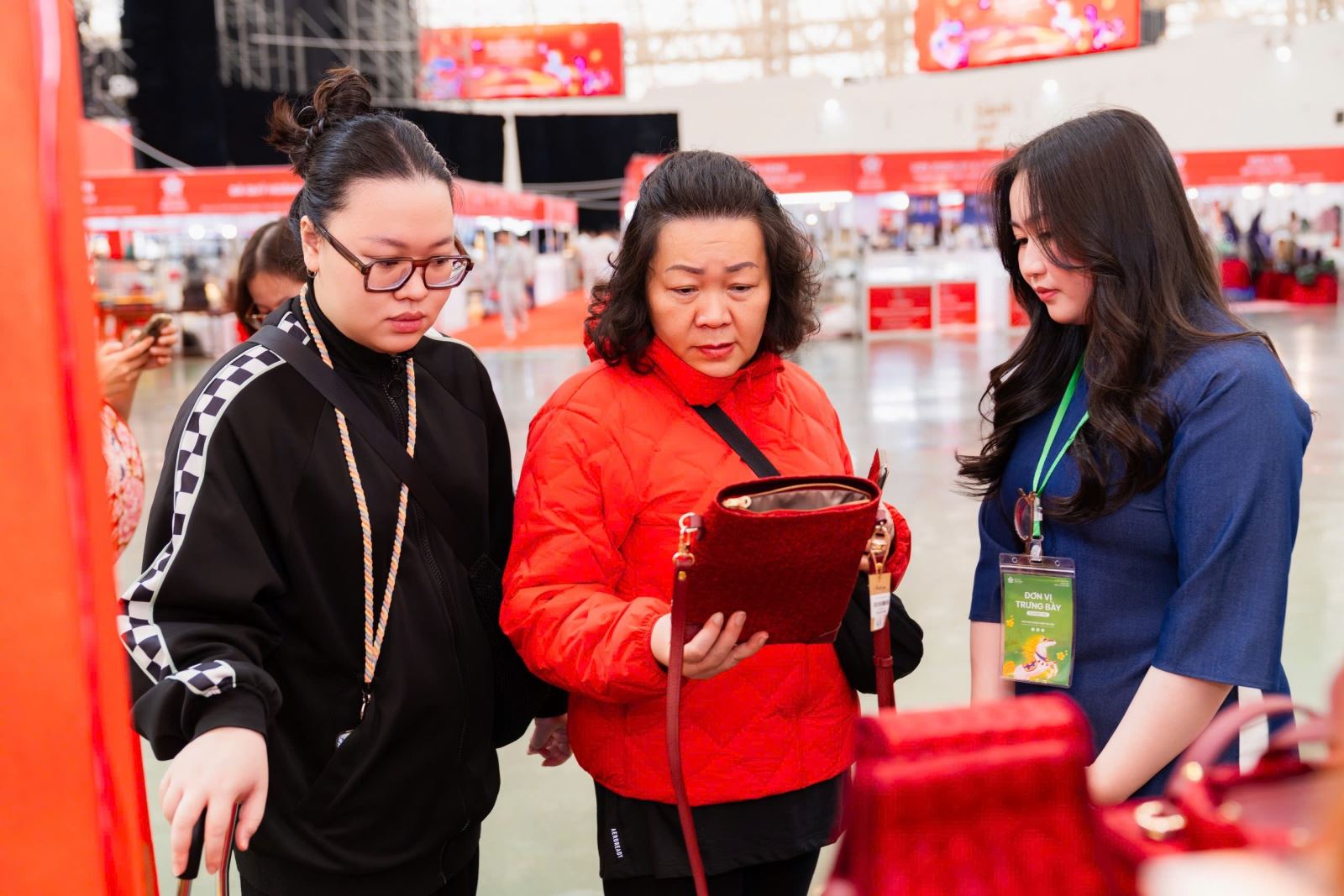
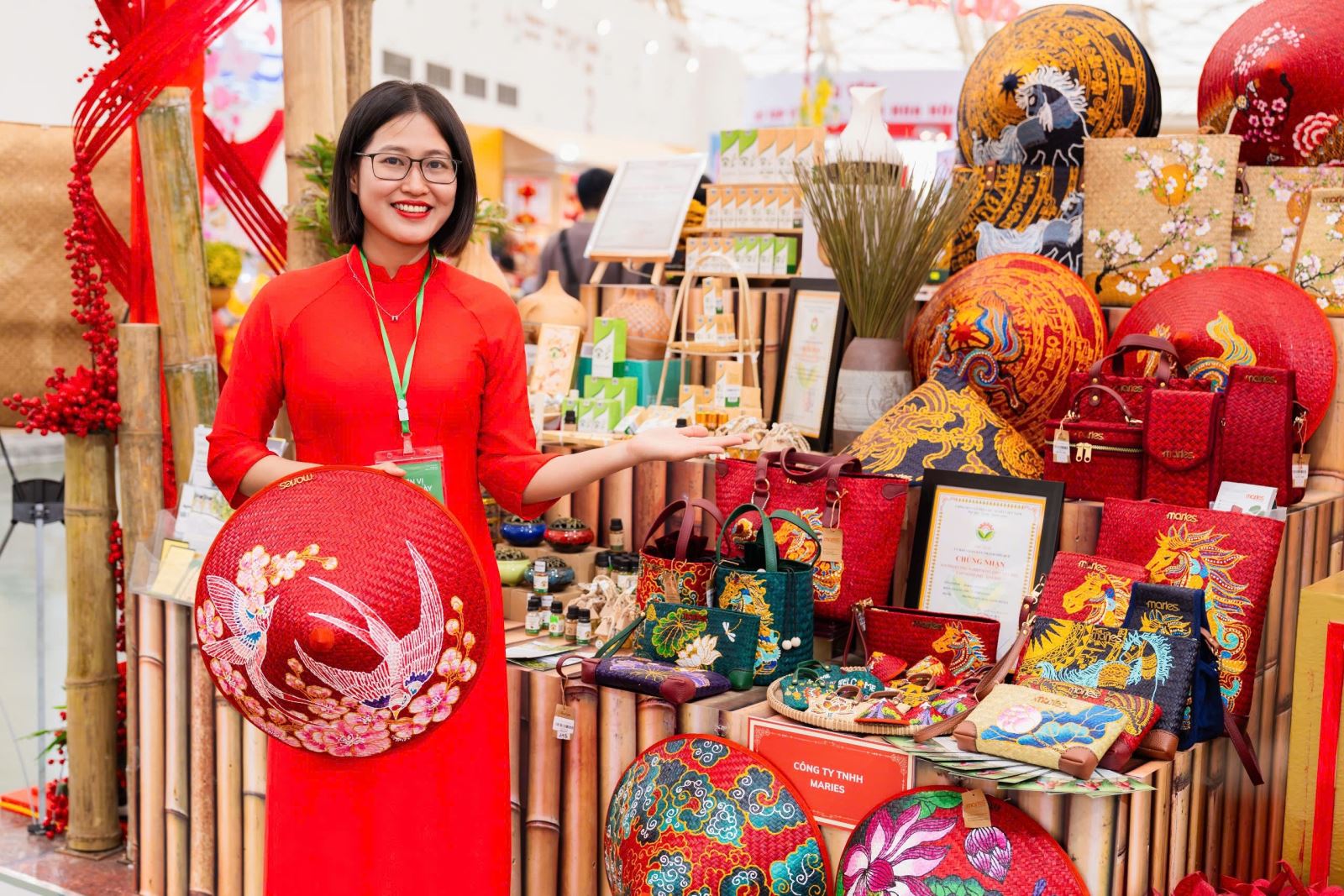
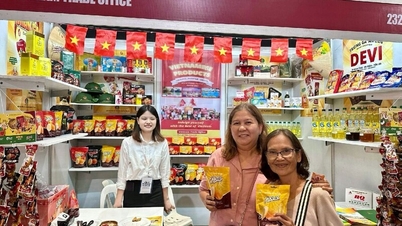
Eye-catching handbag and conical hat designs were showcased to the public at the 2026 Spring Fair.
"Giving the product a new look"
As someone who loves traditional patterns, Ms. Suong Lan always strives to incorporate local elements and traditional cultural aspects into her products. On a rustic background of sedge grass, familiar symbols of Hue are depicted. Lotus flowers, apricot blossoms, orchids, chrysanthemums, bamboo; then dragons, unicorns, turtles, phoenixes; conical hats, ao dai (traditional Vietnamese dress), rickshaws… are painted and embellished with acrylic paints, using warm and vibrant colors…
Born and raised amidst the vibrant heritage of the ancient capital of Hue, she naturally inherited a regal spirit. Stories of emperors and the aesthetics of the Nguyen dynasty permeated her like an underground stream, deeply ingrained in her memory and preserved on her handbags and hat brims, transforming heritage into tangible symbols that can be showcased at international trade fairs, with an endless source of creative inspiration.
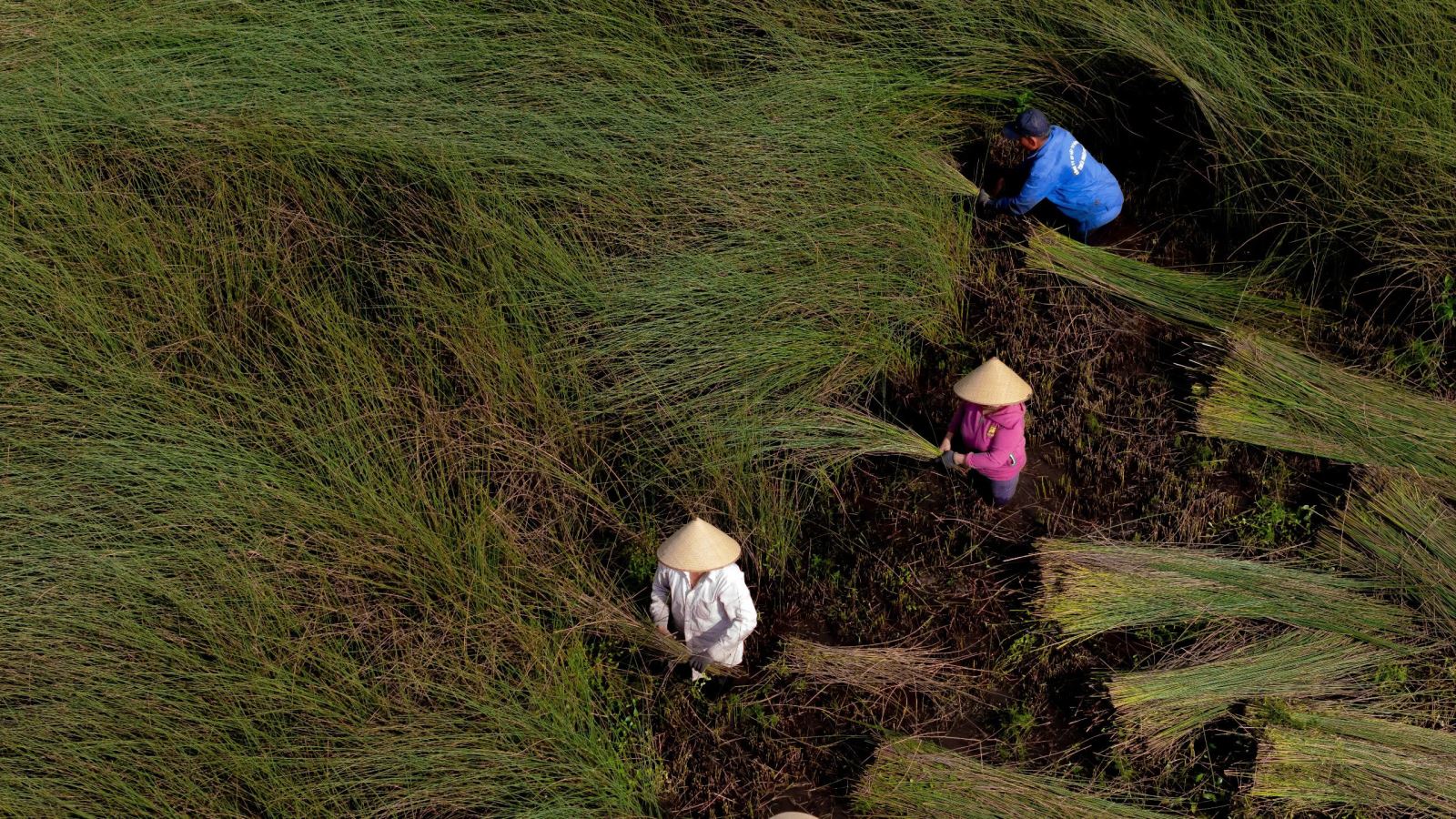
People in Pho Trach (Hue) are persistently improving their livelihoods through the craft of weaving sedge grass.
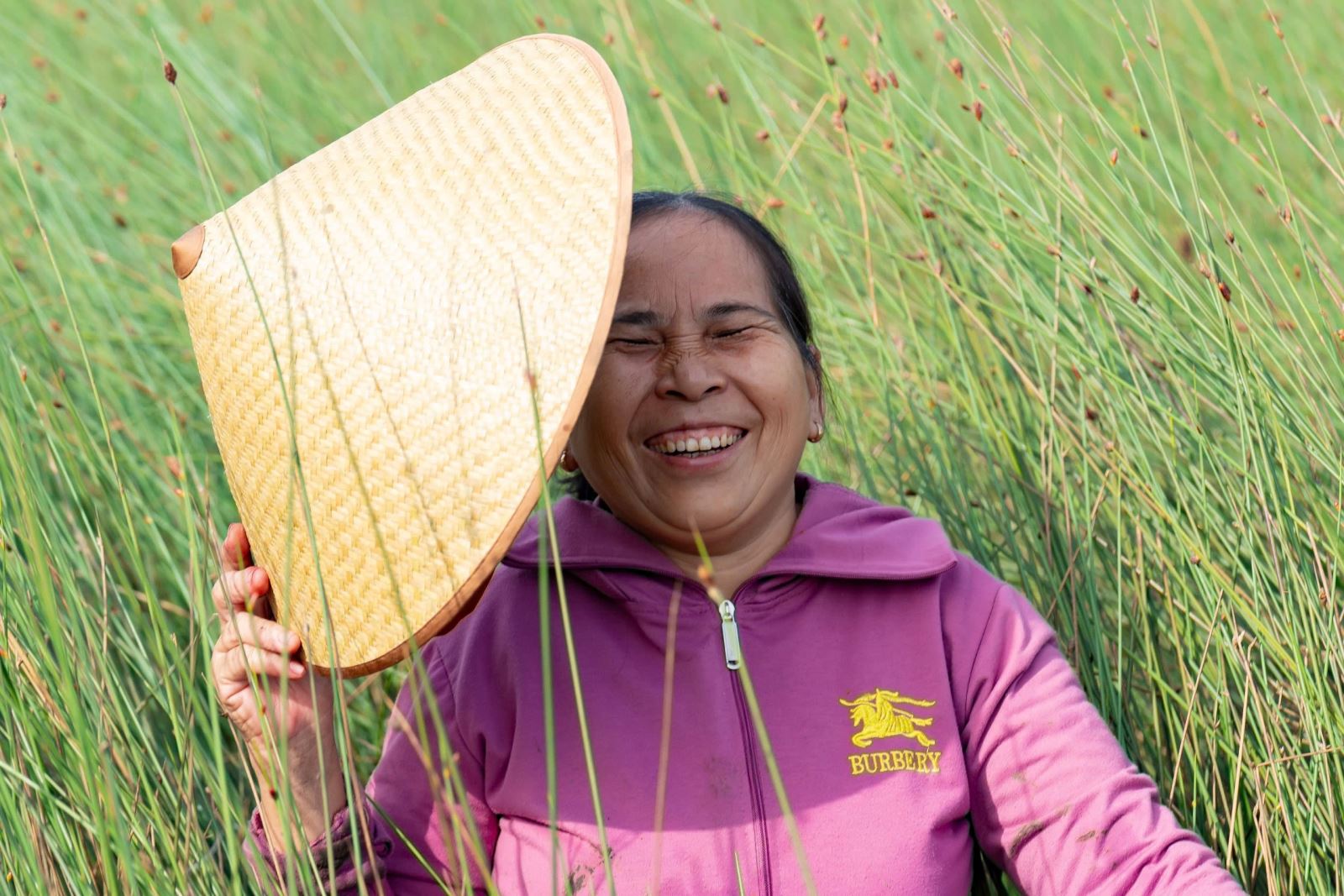
The people of Hue are overjoyed to hold in their hands a hat made from sedge grass.
“In the old days, our grandparents made hats from palm leaves, lotus leaves, banyan leaf stalks, fabric, silk… When I had already made bags from banyan grass, I thought: Why not put banyan grass on hats? But to make them beautiful, I had to re-examine the weaving frame, each bamboo strip had to be strong, each strand of grass had to be uniform…,” Ms. Suong Lan expressed.
Previously, during market research, she noticed that several companies were making hats from sedge grass, but their products lacked sophistication, quality, and aesthetic appeal.
Driven by that determination, the Maries brand embarked on a journey to elevate the traditional sedge hat, not just as a handcrafted product, but as a contemporary design. For Ms. Suong Lan, each hat must create an impact, becoming a trend that Vietnamese people are proud to use, and something that foreign tourists cherish and take home as a beautiful souvenir, where Vietnamese cultural symbols are subtly embedded in every stitch.
Lan calls it the "most challenging" product, but also the one she's most proud of. Because the conical hat, a symbol of Hue women and Vietnamese women, already embodies grace and diligence. But for Ms. Suong Lan and her colleagues, it takes on another layer of meaning: the revival of a traditional craft in the rhythm of contemporary fashion.
“Our hats are currently the most beautiful on the market and are also selling at the highest price. Customers love them as soon as they hold them. I have never received a single complaint…,” Ms. Suong Lan shared.
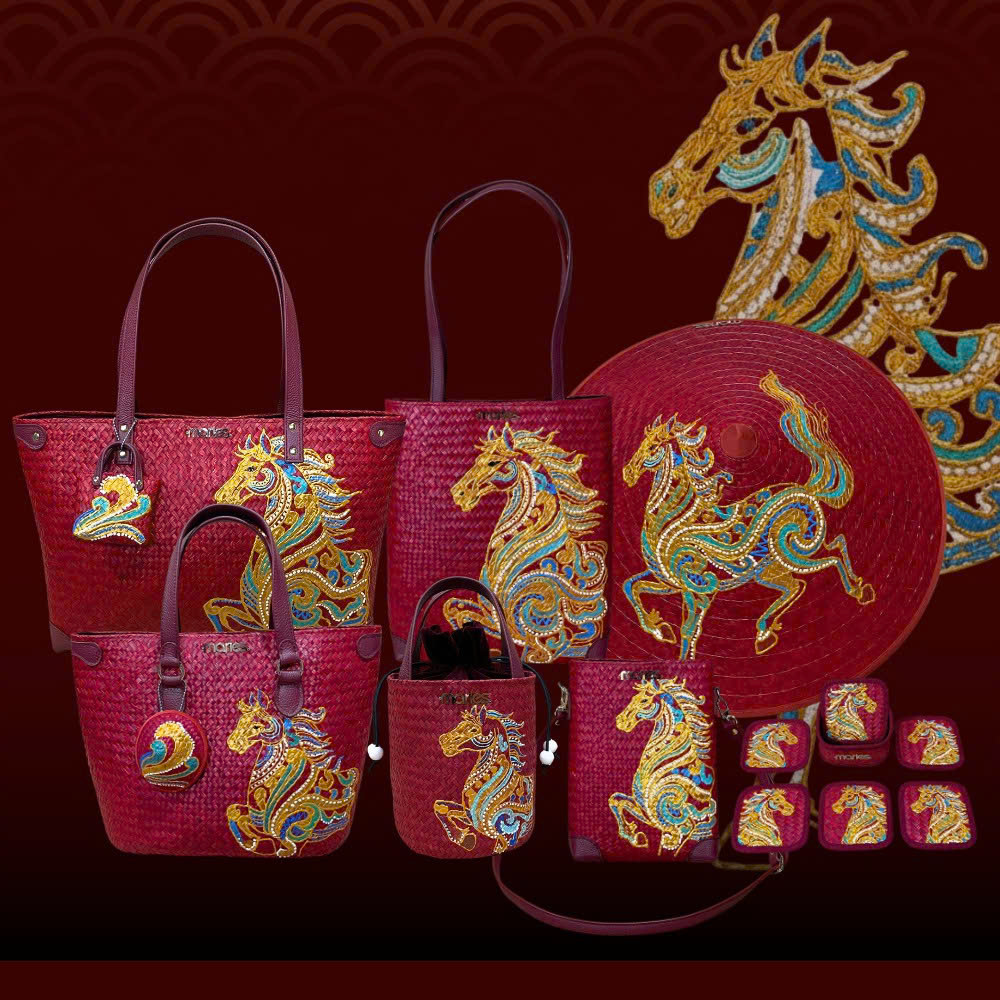
Exquisite products were launched, inspired by the image of the horse.
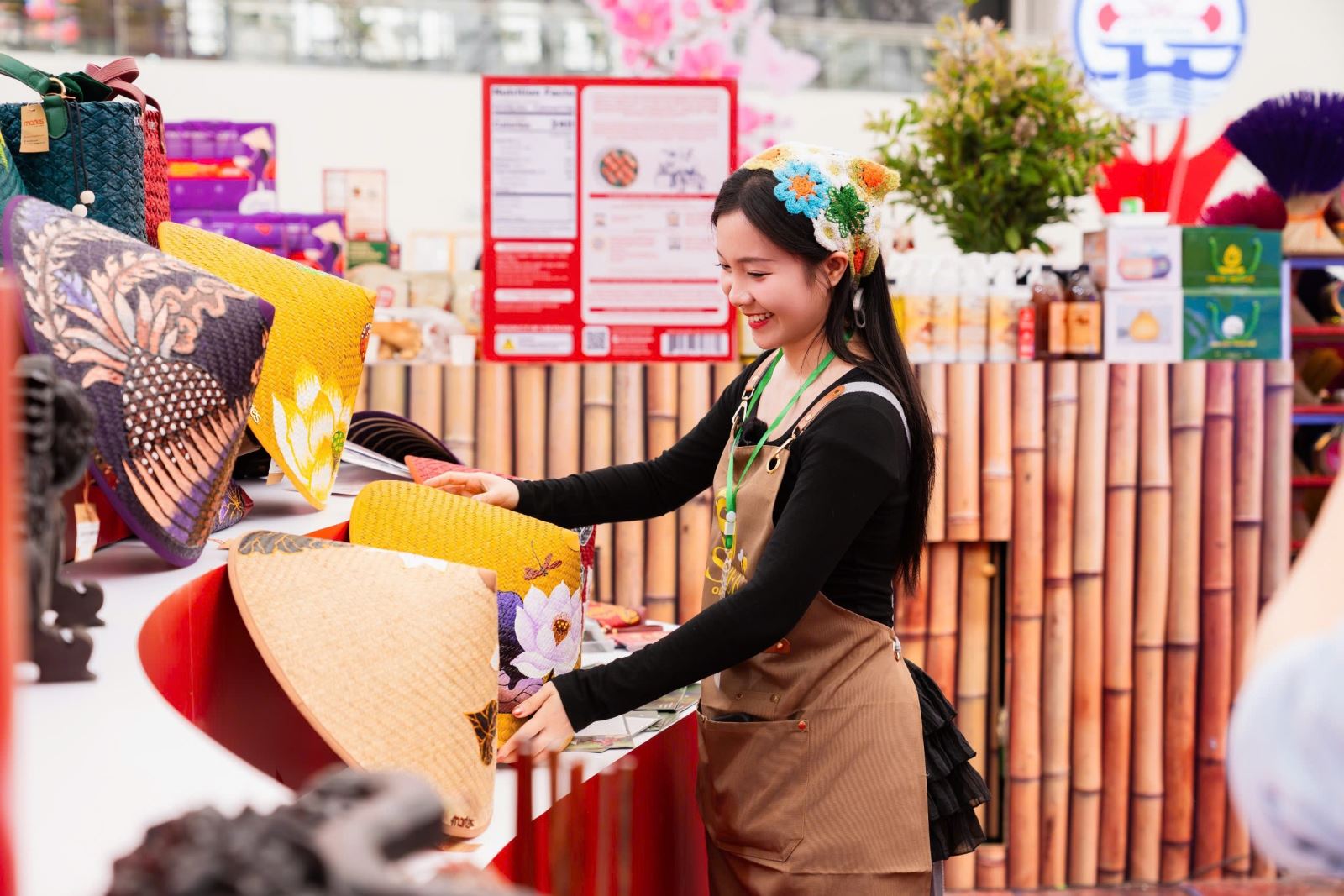
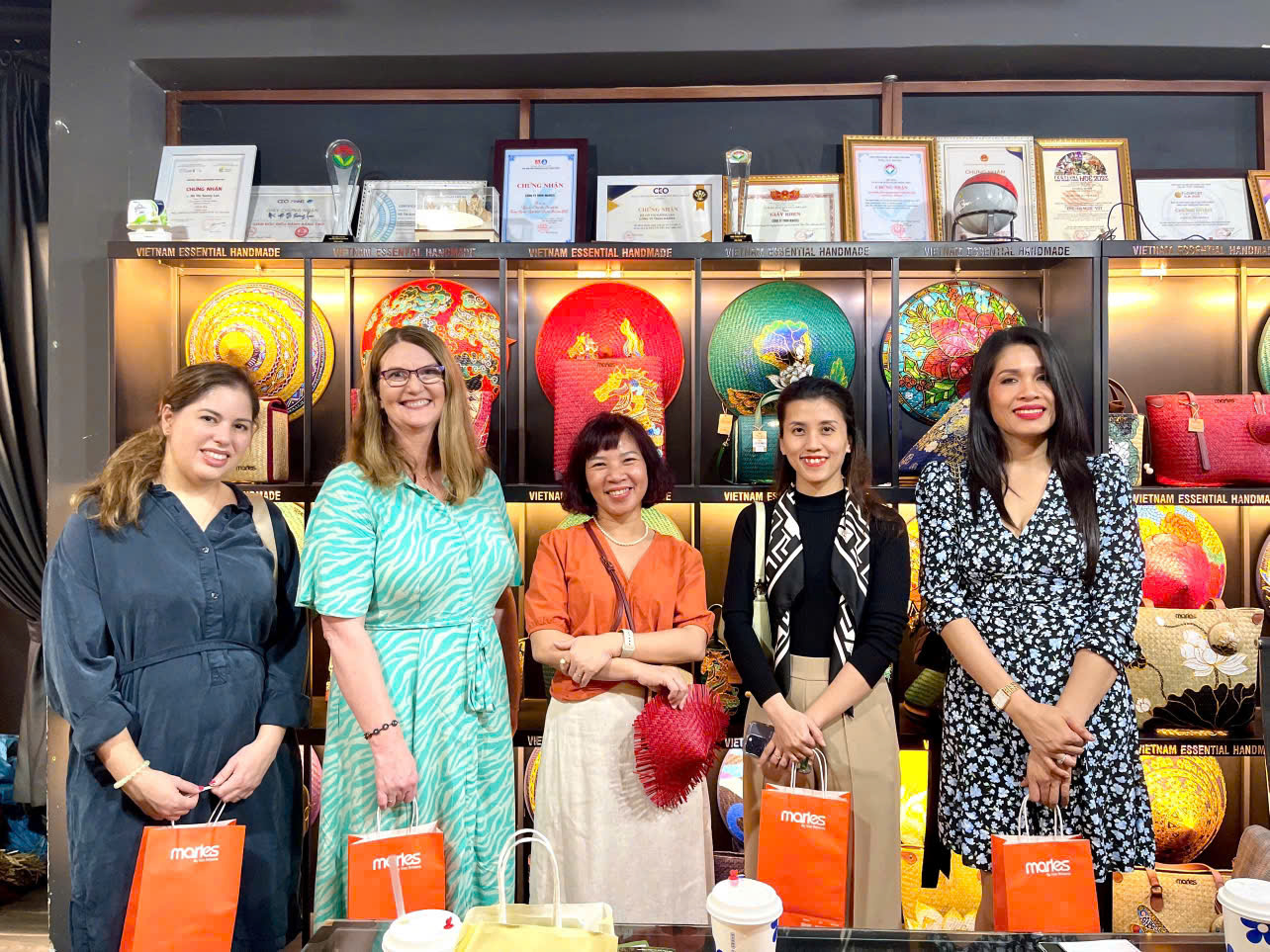
Ms. Ho Thi Suong Lan is happy that her "brainchildren" and those of her colleagues have been introduced to many international friends.

Strengthening the friendship between Vietnam and the United States.On July 3rd, as part of the Pacific Partnership - Friends of the Pacific 2026 program, the U.S. Army Pacific delegation, led by Lieutenant General Joel Vowell, Deputy Commander of the U.S. Army Pacific, paid a courtesy visit to the Quang Tri Provincial Military Command. Recalling the time she spent searching for traditional conical hat-making villages, Ms. Suong Lan shared that she faced many difficulties because the sedge grass material was quite thick, and the weaving process was complicated, so almost no one would take on the job. She approached many artisans and traditional craft villages, but without success…
While they were searching, Ms. Vo Thi Lan, who was helping out with chores for the family at the time, shared that she had previously worked as a conical hat maker for many years. However, because the income from the profession was not high, she had to quit: "If you haven't found someone to make conical hats yet, let me try to do it for you," Ms. Vo Thi Lan said.
After trying her hand at it, the hat-making product that Ms. Lan had made was the most beautiful among all the designs that Ms. Suong Lan had previously experimented with. From then on, Ms. Lan expressed her desire to completely switch to the craft of hat making.
Currently, Ms. Vo Thi Lan has become the Head of the conical hat-making department at Maries. Not only that, she has also brought the craft back to her village, teaching it to many people. To date, her village has formed a team of professional conical hat makers, producing beautiful, high-quality products.
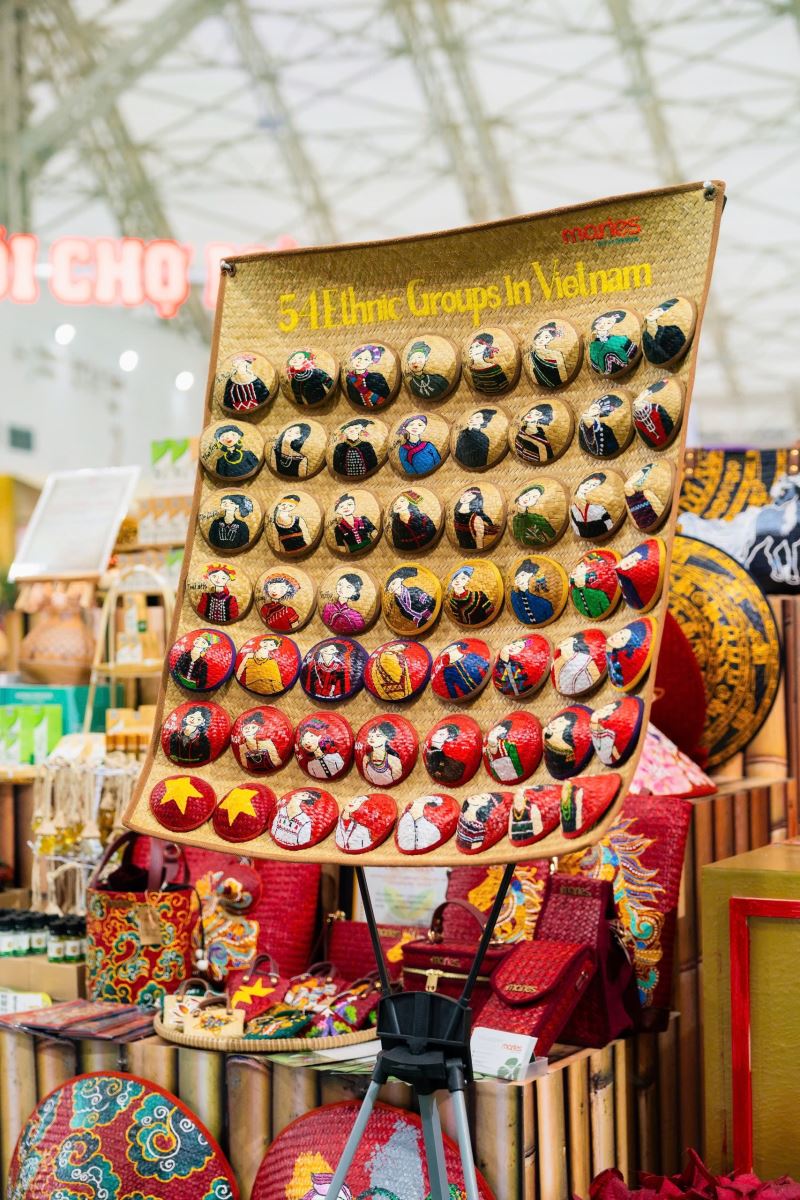
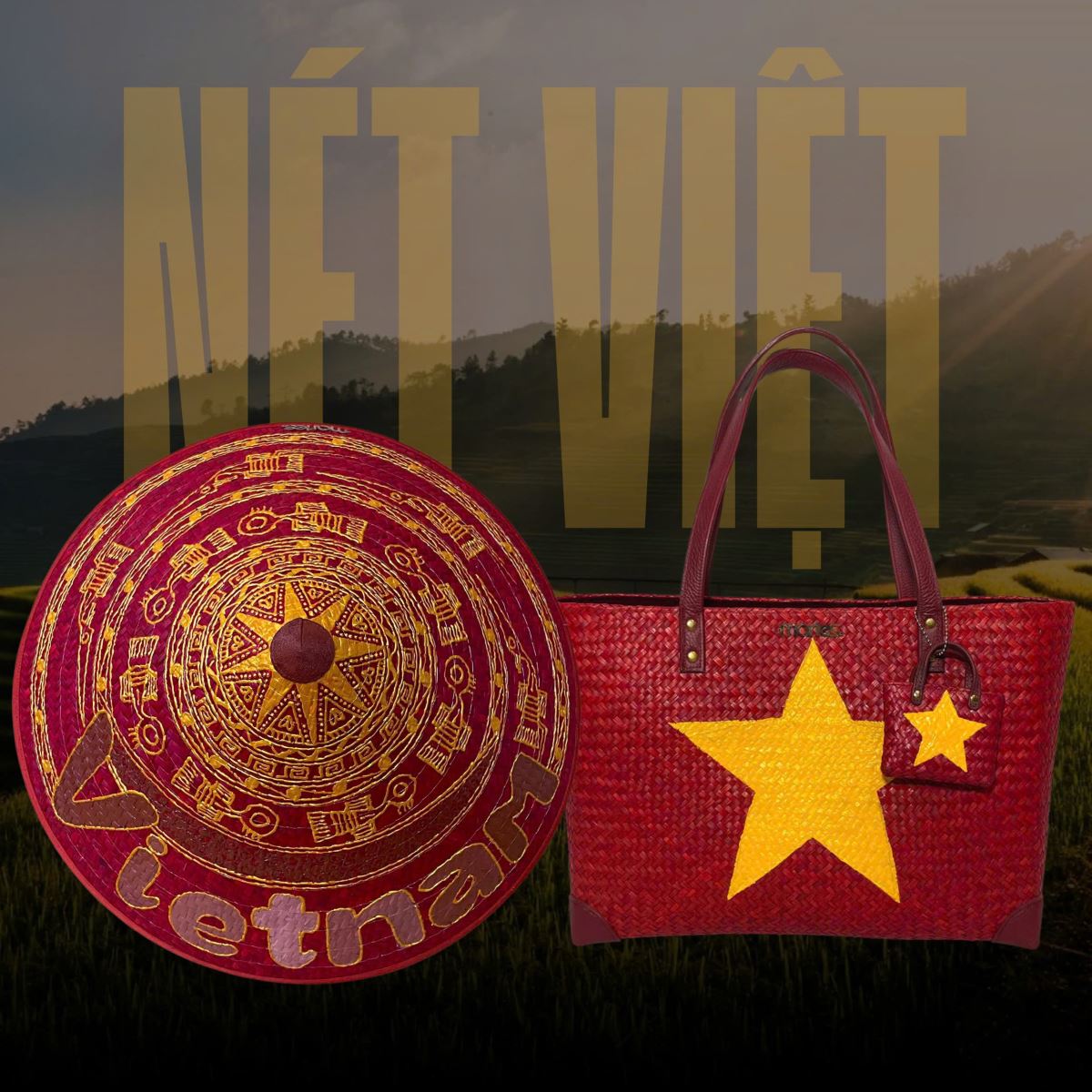
The conical hats and bags made from sedge grass bear the imprint of our national culture and spirit.
If the conical hat is a symbol, then the bags are a statement of adaptability. In the world of handicrafts, limitations in design are often accepted. But Ms. Lan's brand boasts 50-60 different designs. Each season, the colors change, and each collection has a different spirit. Along with that, her "speediness"—her ability to adapt quickly to the market—is an advantage that not every traditional craft village possesses.
“We target the fashion segment. And fashion needs something new, unique, and on-trend. I follow international trends and then incorporate modern elements into traditional products… Currently, we have 50-60 different bag designs. The colors are diverse and updated according to international fashion trends. We maintain a traditional style but it must stay relevant and follow the trends,” Ms. Lan emphasized.
As evening falls on the O Lau River, the wind from Tam Giang Lagoon blows across the lush green sedge fields. In the small houses of Pho Trach, the rhythmic sound of sedge fibers touching each other is as regular as breathing, as vibrant as the lifeblood of the craft village. From hands once accustomed only to weaving flood-resistant mats, today they create bags and hats that are showcased at international fairs. From the worry of the old craft fading away, the women of Hue are weaving a new dream.
Hong Phuong/News and Ethnic Groups Newspaper
Source: https://baotintuc.vn/van-hoa/det-giac-mo-tu-co-bang-xu-hue-20260305093642744.htm