A warning bell
The Kidney Disease International Foundation (KDIGO) defines chronic kidney disease as structural or functional abnormalities of the kidneys that persist for more than three months. In Vietnam, while this disease was not among the top 10 causes of death in 2009, it had risen to 8th place ten years later. It is projected that by 2050, it will be one of the top five leading causes of death globally.

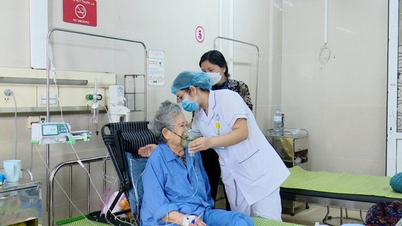
Patients with kidney failure require individualized treatment.
According to Dr. Nghiem Trung Dung, Director of the Urology and Dialysis Center (Bach Mai Hospital), the pattern of chronic kidney disease in Vietnam differs significantly from that in the rest of the world . Currently, primary glomerular diseases still account for the highest proportion in the end-stage. However, recent clinical data shows that secondary kidney damage is increasing overwhelmingly. Metabolic diseases such as diabetes, hypertension, and comorbid cardiovascular events are silently damaging the renal vascular system from an early stage.
Alarmingly, among the nearly 50,000 patients undergoing hemodialysis in our country, a significant proportion are young people. The main reasons stem from modern lifestyles and diets: excessive consumption of fast food high in salt, prolonged late nights, and lack of exercise. This lifestyle leads to obesity, lipid metabolism disorders, increased uric acid levels, and secondary hypertension in young people. Due to complacency and infrequent regular health checkups, by the time severe symptoms appear and they are hospitalized, their kidney damage has mostly progressed to a late stage.



The "golden duo" in diagnosis.
Dr. Nghiem Trung Dung emphasized that if diagnosed early, the possibilities for conservative treatment with medical management and nutritional control are extremely wide open. Modern medicine has many new generation drug groups that provide excellent protection for the kidneys and cardiovascular system, easily combined with antihypertensive drugs to control target blood pressure, reduce intraglomerular pressure, and significantly slow down the rate of parenchymal fibrosis. Thanks to this, doctors can help patients maintain stable kidney function for 20-30 years without needing dialysis. Conversely, late detection shortens the duration of conservative treatment. Many patients are examined for the first time at the end stage, with signs of severe uremia, such as vomiting, edema, and exhaustion, requiring immediate emergency dialysis catheterization.
To realize the early diagnosis strategy, the healthcare sector needs interdisciplinary coordination and proactive screening of high-risk groups (diabetes, hypertension, cardiovascular disease, family history). Regarding paraclinical findings, healthcare facilities need to standardize the two key indicators: glomerular filtration rate (low cost, widespread implementation) and urinary albumin/creatinine ratio. This is the "golden pair" for detecting glomerular filtration membrane damage at the microscopic stage and should be remembered in the routine clinical practice of endocrinologists, cardiologists, and nephrologists to avoid missing the disease in its early stages.
Optimizing treatment effectiveness
When chronic kidney disease has progressed to the end-stage, the choice of alternative treatment must be based on the principle of "patient-centered care." Physicians need to conduct a comprehensive assessment based on professional indications, the patient's circumstances, occupation, and place of residence, rather than imposing the available treatment methods of the medical facility.
Currently, there are three main solutions, with kidney transplantation being the most ideal physiological replacement treatment, helping to restore a near-normal quality of life. Vietnam has successfully performed nearly 10,000 cases. However, the biggest limitation is the scarcity of donated organs from brain-dead donors. The second method is peritoneal dialysis, which utilizes the peritoneum as a biological filter, has high biocompatibility, and preserves residual kidney function well. This method includes continuous ambulatory peritoneal dialysis at home or automated dialysis at night. Currently, only about 2,000 patients nationwide choose this solution (accounting for 4%). And the third method is hemodialysis, the most common method with strong technological advancements. The biggest limitation is that patients must visit medical centers three times a week, putting significant pressure on their time and travel costs, especially for patients in remote areas.



Kidney replacement therapies are not mutually exclusive but rather complement and support each other in each individual. To optimize effectiveness, Dr. Nghiem Trung Dung recommends that the healthcare sector implement a comprehensive set of solutions: strengthening early screening at the grassroots level; establishing a systematic pre-dialysis education program when patients enter stage 4; and diversifying and individualizing treatment methods to bring dialysis techniques closer to the general public.
Text and photos: THU SUONG
Source: https://baocantho.com.vn/dieu-tri-ca-the-hoa-cho-benh-nhan-suy-than-a207864.html
![[Photo] Thousands of people participate in a run to show their support for the campaign "Sharing a common determination to build drug-free communes, wards, and special zones".](https://vphoto.vietnam.vn/thumb/1200x675/vietnam/resource/IMAGE/2026/06/27/1782554475933_0673e2a3df7b5e25076a-8283-jpg.webp)




![[Photo] A phone-free summer afternoon at the village library](https://vphoto.vietnam.vn/thumb/1200x675/vietnam/resource/IMAGE/2026/06/27/1782551770949_anh-1-jpg.webp)