

Puberty is a crucial transitional period from childhood to adulthood, typically occurring between the ages of 10 and 19. During this time, the body experiences rapid growth in height and weight, hormonal changes, and psychophysiological development. Therefore, nutritional needs during this period are significantly higher than in other age groups.
According to the Ministry of Health 's recommendations, proper nutrition during puberty not only helps children achieve optimal physical development but also has long-term effects on reproductive health, immunity, and the risk of chronic diseases later in life.
According to Ms. Nguyen Thi Huong, Head of the Nutrition and Dietetics Department at Hoan My Dong Nai Hospital: The energy needs of teenagers during puberty increase significantly due to rapid body growth. Depending on the level of physical activity, the energy requirement for male adolescents is approximately 2,200 to 2,800 kcal/day, and for female adolescents approximately 1,800 to 2,200 kcal/day.
Protein is essential for muscle, tissue, and immune system development, with a daily requirement of 1-1.2g/kg body weight; fats provide energy and support the absorption of fat-soluble vitamins (A, D, E, K). Prioritize unsaturated fats (vegetable oils, fatty fish), and limit saturated fats and trans fats (trans fatty acids).
“During puberty, 40-50% of maximum bone mass is accumulated. Calcium deficiency can affect height and increase the risk of osteoporosis later in life. Therefore, it is necessary to supplement calcium and vitamin D from sources such as milk, dairy products, small fish eaten whole with bones, and dark green vegetables,” Ms. Huong said.
Ms. Huong also highlighted several common nutritional problems and their impact on children during puberty. These include malnutrition, often caused by inadequate or picky eating habits, resulting in stunted growth, delayed puberty, and weakened immunity. Overweight and obesity are on the rise due to sedentary lifestyles and a high consumption of processed foods, leading to increased risk of type 2 diabetes and metabolic disorders. Another issue is micronutrient deficiencies, primarily iron, calcium, and vitamin D deficiencies, which directly affect physical development and academic performance.
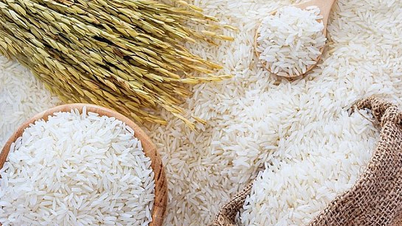
To ensure proper nutrition during puberty, a balanced diet is necessary: a variety of foods (including all four food groups: carbohydrates, protein, fats, vitamins, and minerals), a reasonable meal distribution (three main meals and one to two snacks, never skipping breakfast), increased consumption of healthy foods (milk and dairy products, green vegetables, and fruits (≥400g/day)); and limited consumption of fast food, sugary drinks, and foods high in sugar, salt, and saturated fats.
“Families need to guide healthy eating habits. Schools need to integrate nutrition education and increase physical activity for children. According to the recommendations of the National Institute of Nutrition, coordination between families, schools, and the health sector is a key factor in improving the nutritional status of adolescents,” Ms. Huong emphasized.
Rose
Source: https://baodongnai.com.vn/xa-hoi/y-te/202604/dinh-duong-cho-tre-tuoi-day-thi-4e825fb/


































































































Comment (0)