


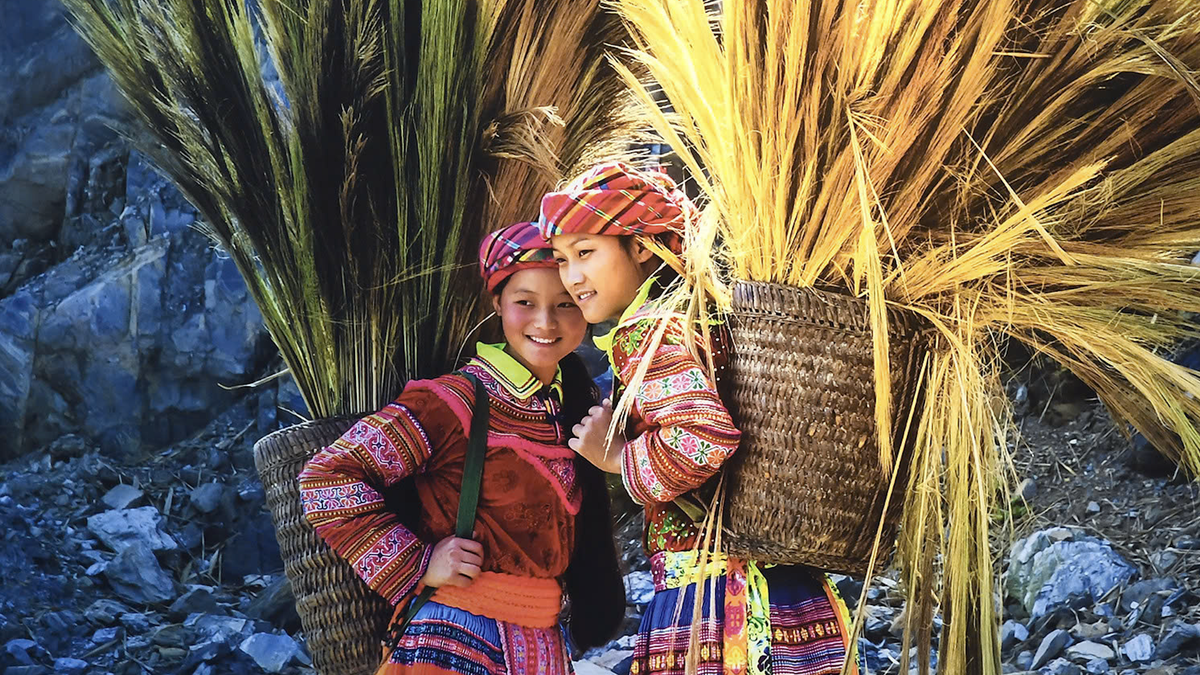
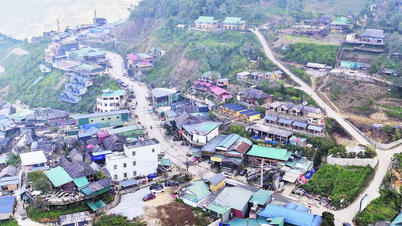
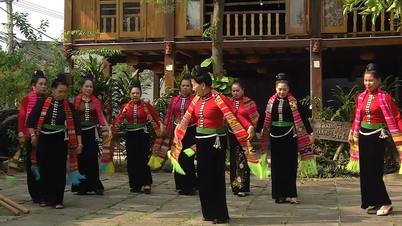
In recent years, many community-based tourism models have proven effective by using local cultural spaces as a foundation for destination positioning. In 2025, the United Nations Tourism Organization (UN Tourism) honored Lo Lo Chai village (Tuyen Quang province) and Quynh Son village (Lang Son province) as the "Best Tourist Villages in the World ". Tourism activities in these highland villages develop based on the distinctive cultural activities of the indigenous ethnic groups.
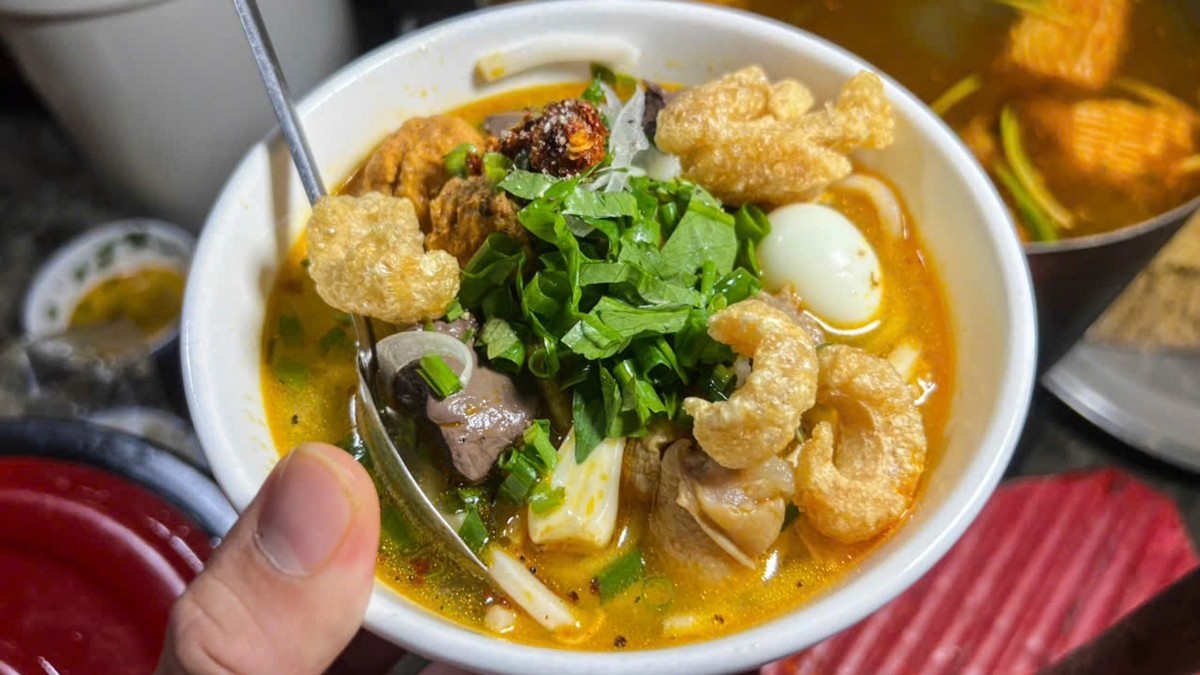
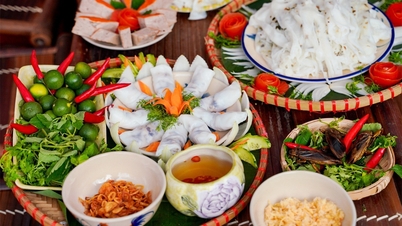
Following the same direction, the model of cultural preservation combined with sustainable community tourism at the Thai Hai Ethnic Ecological Stilt House Village Conservation Area (Thai Nguyen province) was recognized as a 5-star OCOP tourism product at the Vietnam OCOP Festival 2025. In Dak Lak province, tourism in Ako Dhong village has created its own unique mark through the gong music space, brocade weaving, traditional cuisine , and longhouse architecture of the Ede people. These elements are gradually shaping a distinctive product, helping the village establish its position on the tourism map.
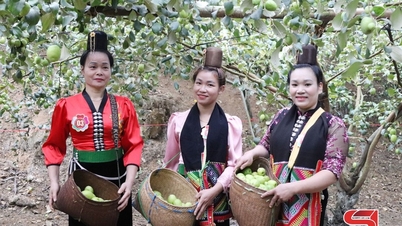
In practice, when the community plays a central role in preserving living spaces, architecture, and lifestyles, tourism brands naturally emerge from daily life. For tourists, staying in stilt houses, enjoying traditional cuisine, and participating in the activities of the local community provides an authentic and profound experience of ethnic culture.
However, compared to its potential, the development of this sector is not commensurate. Most tourism products are developed on a small scale and lack clear brand recognition. Some models have emerged but haven't linked the destination's image with the local ethnic communities. Furthermore, identifying elements such as living spaces, accommodation facilities, festivals, and promotional activities haven't been implemented synchronously, resulting in products lacking distinctiveness and making it difficult to differentiate between regions.
In some areas, exploitation is happening too quickly compared to the capacity for preservation, while environmental protection and cultural preservation measures are ineffective, increasing the risk of identity fading. Mr. Lam Ba Nam, President of the Vietnam Association of Ethnology and Anthropology, affirmed: The culture of Vietnam's ethnic communities is a vast heritage. To preserve and develop tourism, ethnic culture must be the soul that creates the vitality and attractiveness of the destination.
Many experts believe that branding will help position the image of Vietnam's ethnic minority cultural tourism in the minds of tourists and enhance the effectiveness of the destination. A systematic and unified approach will maximize the potential of this field.
Representatives from the Vietnam National Tourism Administration stated that, in order to realize the goal of cultural tourism accounting for 20% of the total revenue of 130 billion USD from tourists by 2030, and to expand the national brand of cultural tourism, Vietnam needs to strategically focus on developing the cultural tourism brand of ethnic minorities.
Cultural researchers argue that the brand identity system for ethnic minority cultural tourism needs to be linked to the unique cultural space and the accessibility of local knowledge. The brand must be formed from the authenticity of cultural values. All tourism activities should originate from the local community, avoiding excessive theatricalization and commercialization.
Dr. Nguyen Anh Cuong, from the Faculty of Tourism Management and International Languages at Hanoi University of Culture, argues that currently, promoting cultural values in conjunction with tourism lacks coordination between the community, businesses, and the government. Furthermore, it is necessary to raise awareness and pride among the people regarding the preservation of cultural identity, ensuring a balance between conservation, promotion, and tourism development.
With positive developments, cultural tourism in ethnic minority areas is making practical contributions, ensuring livelihoods and improving the material and spiritual lives of the people. With a comprehensive strategy and rational exploitation orientation, it will contribute to the formation of unique product systems, promote socio-economic development, preserve ethnic cultural values, and affirm Vietnam's position as a tourist destination.
Source: https://nhandan.vn/dinh-vi-thuong-hieu-du-lich-van-hoa-dan-toc-thieu-so-post934590.html
![[Photo] Memorable moments at the 10th Vietnam-China Border Defense Friendship Exchange](https://vphoto.vietnam.vn/thumb/1200x675/vietnam/resource/IMAGE/2026/03/20/1773986226876_giao-luu-bien-gioi-vntq-lan-10-ben-tq-9737-4225-jpg.webp)


























































Comment (0)