

No further increases in taxes, fees, or procedures should be implemented.
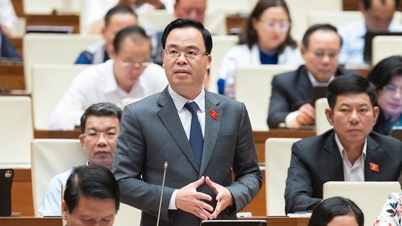
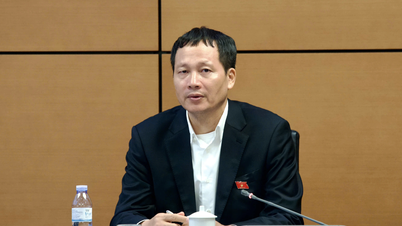
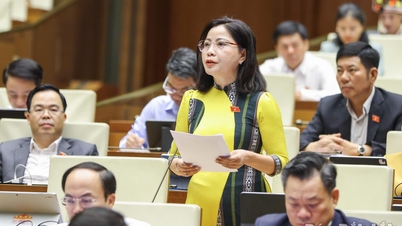
The above assessment was made by Mr. Vu Tien Loc, a National Assembly representative from Hanoi and Chairman of the Vietnam International Arbitration Center (VIAC), on the sidelines of the 15th National Assembly session. Citing data recently released by the General Statistics Office, Mr. Loc commented that the Vietnamese economy in the first five months of 2023 was "very difficult." The main drivers of economic growth are all on a downward trend.
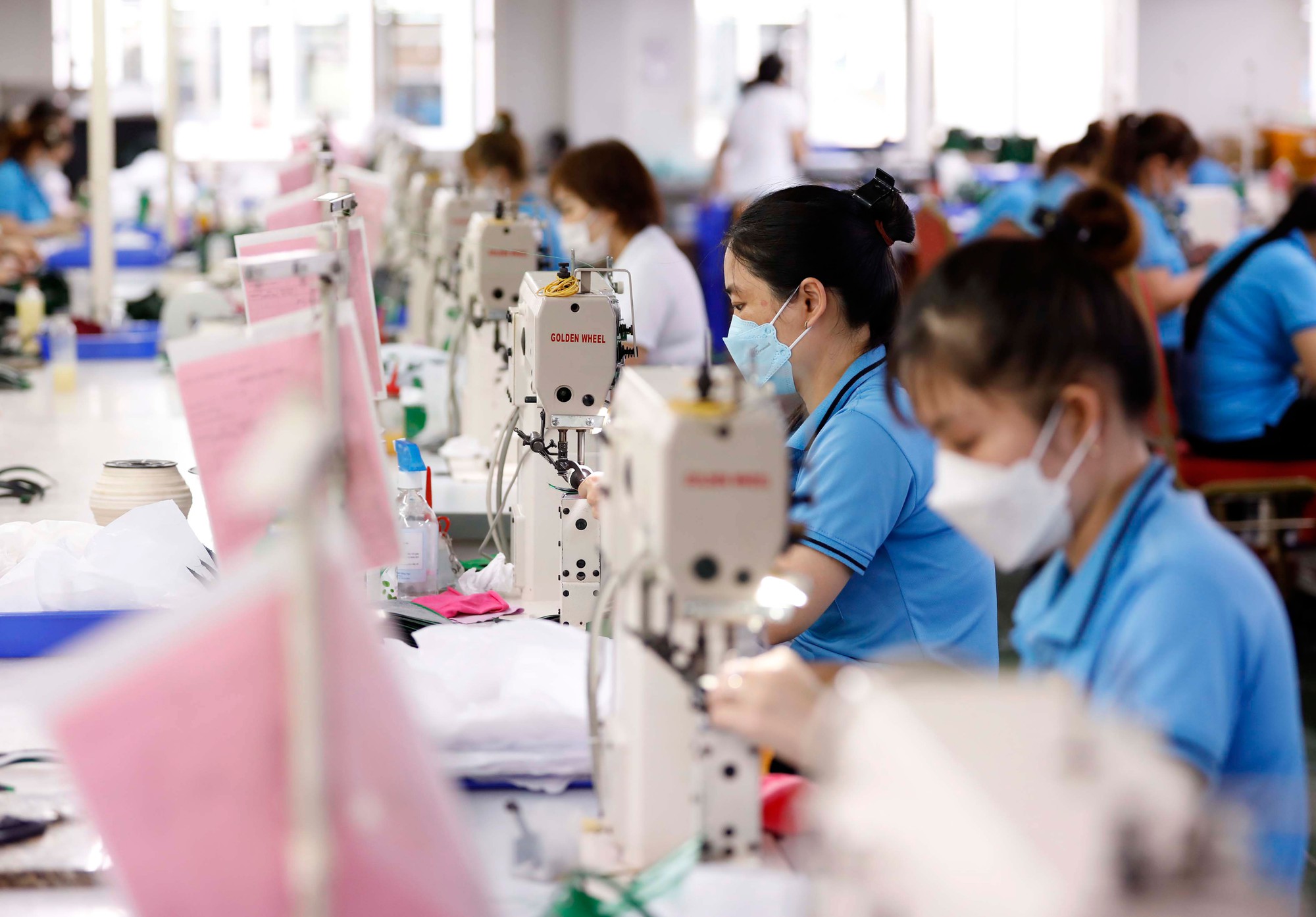
Businesses are in dire need of support, from funding to tax policies, to overcome difficulties.
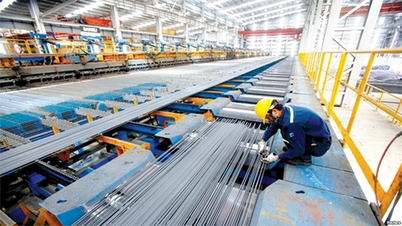
Overall, in the first five months of the year, the number of newly established and reactivated businesses reached only 95,000 units, a decrease of 3.7% compared to the same period last year, while the number of businesses withdrawing from the market was 88,000 units, an increase of 22.6%. "Most of the businesses that are still operating have had to scale back their production and business activities. Many businesses are, in fact, in a state of clinical death," Mr. Loc emphasized.
Speaking with Thanh Nien newspaper , Mr. Loc analyzed that the biggest difficulty for businesses is the sharp decline in both international and domestic demand. This has led to businesses being unable to sell their goods, increasing inventory, halting production, and getting capital stuck, resulting in a lack of liquidity. In addition, access to credit is difficult. The real estate and corporate bond markets are frozen, causing a ripple effect on numerous other industries.
The situation where real estate businesses owe money to construction companies, and then owe money to construction material suppliers, creating a vicious cycle of debt, is affecting the entire business ecosystem and making the economy even more difficult. In the real estate sector, associations and businesses have reported that 70% of construction investment projects are facing legal difficulties. This is a warning about a serious stagnation. "A stalled real estate market affects the entire economy because it is linked to dozens of other industries," Mr. Vu Tien Loc emphasized.
While acknowledging the efforts of the Government and the Prime Minister , as well as several ministries, in promoting public investment and implementing policies to extend, postpone, and reduce taxes for citizens and businesses, Mr. Loc believes that the dosage of these policies is still insufficient and progress is slow. Therefore, Mr. Loc suggested that in the coming period, the Government needs to implement stronger fiscal and monetary measures, because inflation in Vietnam is rapidly decreasing (CPI in the first five months of the year increased by only 0.4% compared to the end of the previous year), the trade balance is in large surplus (in the first five months of the year, we had a trade surplus of 9.8 billion USD), and public debt is only at 43.1% of GDP, much lower than the 60% GDP ceiling set by the National Assembly.
"There is still significant room for maneuver in fiscal and monetary policies, especially our fiscal policy. Therefore, this is the right time for us to implement a national policy of easing the burden on the people and supporting businesses. We should not increase any taxes, fees, or procedures. Proposals such as increasing electricity prices, raising taxes on sugary drinks, or imposing recycling costs on packaging for manufacturing industries should be stopped," Mr. Loc emphasized.
Extend fiscal policies to support businesses.
Dr. Nguyen Quoc Viet, Deputy Director of the Vietnam Institute for Economic and Policy Research (VEPR), stated that the Institute had published a report just before the 5th session of the 15th National Assembly. The report indicated that 2023 was a year of economic decline, even recession, due to facing "headwinds," and this risk is expected to continue into 2024. Dr. Viet noted that in the second quarter, business operations remained difficult, and this continued into the third quarter. The competitiveness of businesses and the recovery of the Vietnamese economy from the end of 2022 to the first quarter of 2023 were severely hampered by persistently high lending interest rates, eroding all recovery efforts. Simultaneously, shortcomings in governance, management, and policy and law enforcement led to a decline in confidence in the business environment.
"In recent times, we can see the government 's efforts in supporting business recovery, helping to strengthen business confidence. However, businesses are still facing many difficulties, with accumulated inventory, the risk of increasing bad debts, and many businesses in some sectors having to cease operations, especially in textiles, construction, real estate, and retail... leading to reduced working hours and job losses for workers. The government has acknowledged that this situation may continue to be more complex and difficult in the coming period. In particular, some large multi-sector businesses have had to sell assets at low prices, or have been acquired or merged to maintain production and business. The situation of low-quality private investment is seriously declining. Besides domestic and international macroeconomic factors, businesses are facing weaknesses in the institutional and legal environment, which are major obstacles to the normal operation of businesses and people, eroding the recovery efforts of the whole country," said Dr. Nguyen Quoc Viet.
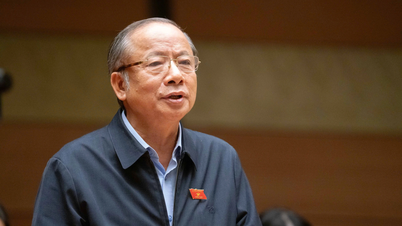
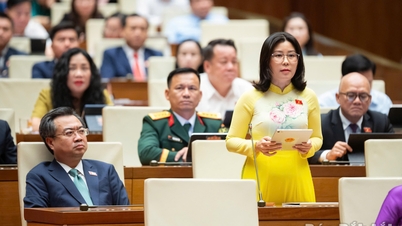
Associate Professor Tran Hoang Ngan, a National Assembly representative from Ho Chi Minh City, assessed that the difficulties faced by businesses since the beginning of May have shown a slight downward trend. However, the number of businesses withdrawing from the market remains high, especially those in the export manufacturing and construction materials sectors. Although budget revenue has decreased over the past two years, the budget deficit has also decreased, helping to reduce public debt from 43% of GDP in 2018 to over 38% of GDP in 2021. Thus, there is room to implement social welfare packages and support for businesses in the coming period. This is an urgent, short-term, but very necessary issue.
"Firstly, it is necessary to extend the fiscal and monetary policies supporting the socio-economic recovery and development program under Resolution 43 of the 15th National Assembly, which will expire at the end of this year, for another year. At the same time, increase the amount of support for businesses, expand the group benefiting from the 2% reduction in value-added tax and corporate income tax… Inflation is now under control, so interest rates should be reduced to support the market and businesses. In particular, commercial banks should 'sacrifice a little profit' to stand alongside businesses at this time. If businesses withdraw from the market or go bankrupt in large numbers, it will also affect the lending and debt recovery activities of banks," Mr. Ngan emphasized.
In the long term, focus should be placed on the quality of growth; a mid-term review and reassessment of Resolution 31 of the National Assembly on the plan for restructuring the economy in the 2021-2025 period should be conducted, and the degree of trade openness of the Vietnamese economy should be controlled, as countries with high levels of openness are often more affected by global fluctuations.
Stronger policy decisions are needed.
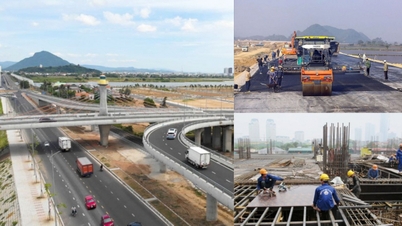
Mr. Vu Tien Loc recommended: To overcome the current economic difficulties, we need stronger policies. Specifically, the responsibilities of all levels and sectors must be clearly defined with iron discipline to further accelerate the disbursement of public investment, thereby increasing aggregate demand and creating a ripple effect in the economy. Legal and administrative obstacles need to be resolved more quickly so that real estate projects and other production and business projects can be implemented, creating jobs for workers, generating revenue, and increasing the debt repayment capacity of businesses. At the same time, it is also necessary to strengthen the attraction of high-quality foreign investment that has the potential to form joint ventures with Vietnamese businesses.
Source link



















































































Comment (0)