

Standardizing quality and ensuring information transparency.
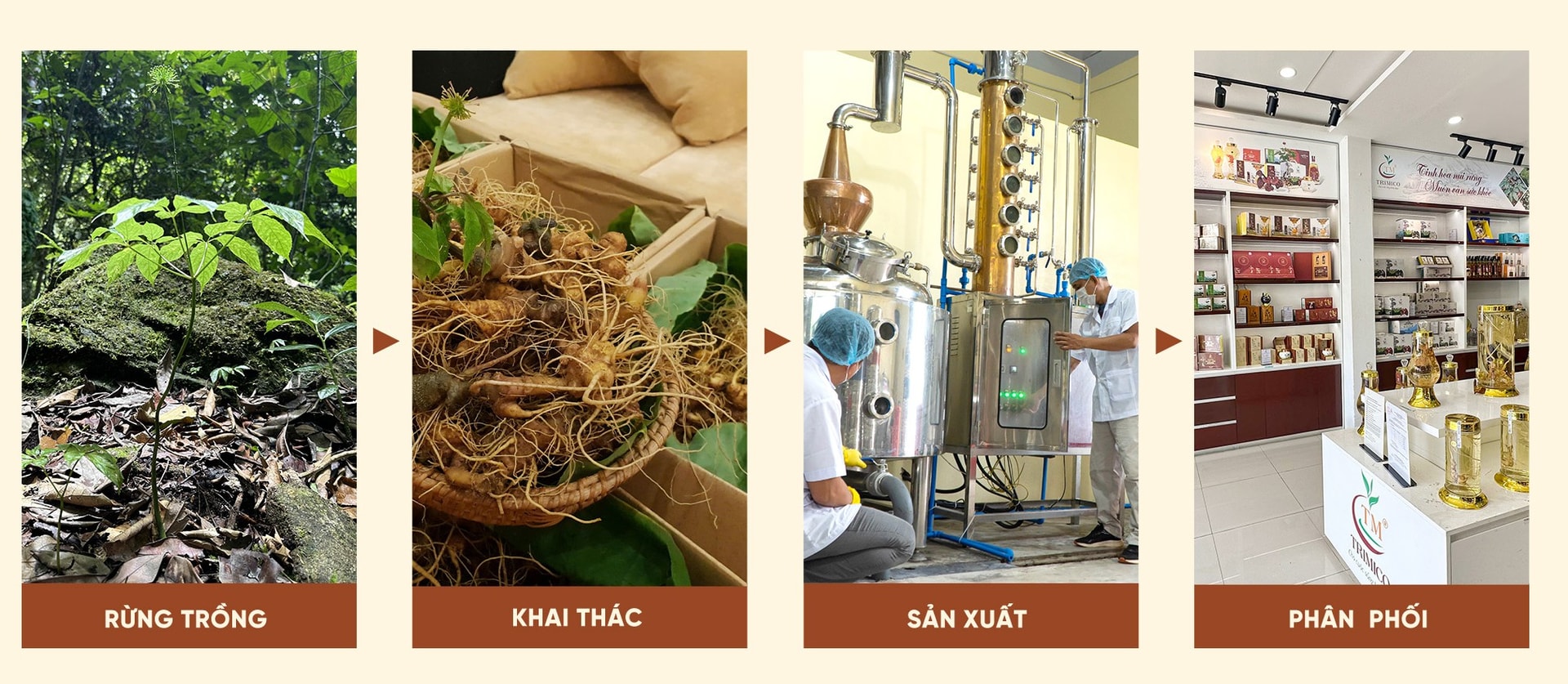
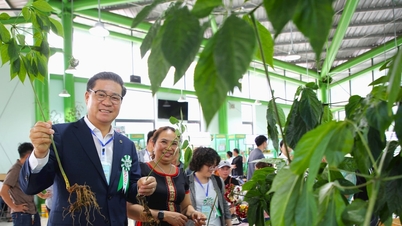
Established in 2018, Triet Minh Co., Ltd. (Chien Dan commune) has chosen a fundamental approach by developing Ngoc Linh ginseng and Ganoderma lucidum mushrooms using a closed-loop model of "cultivation - harvesting - production - distribution".
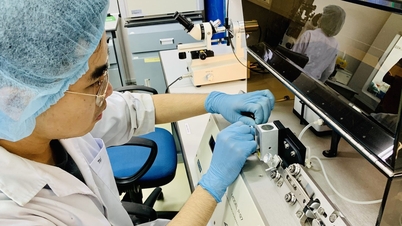
According to Ms. Le Thi Bich Luyen, Director of the company, the factory system allows the enterprise to proactively engage in deep processing, standardize active ingredients, and ensure consistent quality control – factors that traditional production methods struggle to meet.
As a result, the product is no longer just a raw specialty, but is positioned as a standardized medicinal herb with high added value, providing a solid foundation for expanding the distribution system and building a sustainable brand.
Alongside standardizing production, Triet Minh focuses on transparency through QR code traceability labels and the Trimico Mobile application. This solution helps consumers easily identify genuine products in a medicinal herb market fraught with the risk of counterfeit and substandard goods, while also opening up a direct market access channel and gradually reducing reliance on intermediaries.
Meanwhile, the Duy Oanh Green Agriculture Cooperative (Duy Xuyen commune) is a prime example of the transformation of small-scale production models in the face of increasing competition. “Previously, the products we produced were mainly sold within a limited area. As consumers became more concerned about safety and clear origins, the cooperative was forced to change its mindset to adapt,” shared Ms. Pham Thi Duy My, Director of the cooperative.
Duy Oanh Cooperative has chosen a path that combines traditional values with modern processes. The products are made from 14 types of local nuts, roasted manually in a charcoal-fired cast iron oven to preserve their distinctive flavor, while also incorporating a closed production process and strict food safety standards. Packaging, traceability systems, and brand identity are all invested in comprehensively, helping the products retain their authentic "local taste" while meeting the increasingly stringent demands of the market.
Innovation extends beyond processing to include control over raw material sources. Cooperatives proactively develop their own growing areas, apply planting area codes, and strengthen links with local farmers, thereby stabilizing input quality and gradually forming a closed value chain between cooperatives, farmers, and the market.
The cooperative also shifted its market approach from traditional sales to a multi-channel model. Having a presence on e-commerce platforms and social media helps expand the customer base, reduce intermediary costs, and quickly receive feedback.
Enhance product value through customer experience.
At a higher stage of development, innovation is no longer limited to simply selling products. Many businesses and production facilities have proactively transformed local cultural values into direct experiences, thereby increasing the attractiveness of their products.
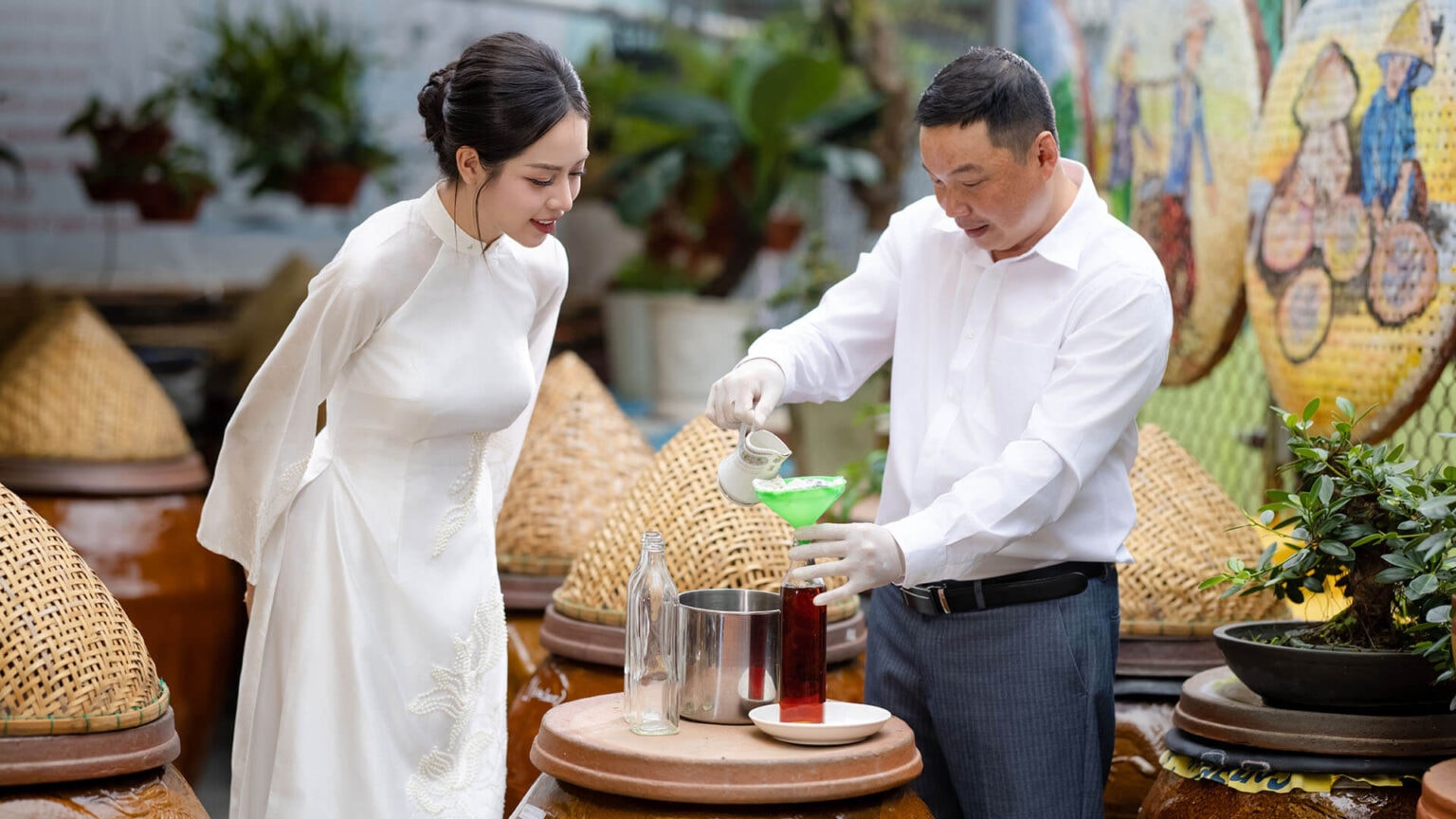
In Nam O craft village (Hai Van commune), Huong Lang Co fish sauce facility has chosen to link production with experiential tourism and vocational education as a way to preserve the more than 400-year-old fish sauce making craft.
According to Mr. Bui Thanh Phu, owner of Huong Lang Co workshop, experiential programs at the workshop not only help consumers better understand the value and craftsmanship of the craft, but also contribute to shifting the economic model from "selling products" to "selling experiences".
This approach generates additional revenue while opening up a sustainable path for the craft village, especially in a context where many traditional values are facing the risk of disappearing.
Similarly, leveraging the economic value of culture has helped the Hoi An lantern-making village continue to thrive.
Having existed for hundreds of years, lanterns not only provide an effective livelihood for many generations of local people, but also become a cultural symbol of Hoi An, creating a strong attraction for international tourists.
Since 1998, the initiative to build the brand "Full Moon Night in the Old Quarter," replacing electric lights with traditional lanterns, has transformed lanterns from decorative items into distinctive tourism products, creating momentum for the development of the craft village.
Building on that foundation, many businesses continue to innovate their approach to the market.
At the Ha Linh lantern workshop (Hoi An Dong ward), the traditional craft is expanded through lantern-making experience tours, focusing on exploring the cultural depth and direct interaction with tourists.
For about an hour, visitors are guided by artisans from bending bamboo strips and wrapping them in silk to completing the product. "We're not just selling a lantern; we're giving visitors a memory connected to Hoi An," shared Ms. Nguyen Thi Dieu Linh, the owner of the establishment.
The practical examples from these models show that local businesses and craft villages are clearly shifting from traditional production methods to modern business thinking with long-term strategies and visions.
Standardizing quality, controlling the value chain, ensuring information transparency, and proactively connecting with markets have helped transform local values from existing advantages into sustainable competitive advantages.
When local culture, history, and knowledge are intentionally integrated, local products not only increase economic value but also create a distinct identity. This forms the foundation for local brands to "go the distance," gradually participating more deeply in domestic and international market value chains.
Source: https://baodanang.vn/doi-moi-de-di-duong-dai-3315865.html
































































Comment (0)