

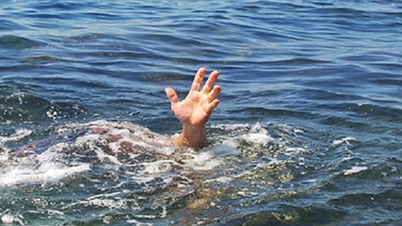
Concerns arising from water "traps"
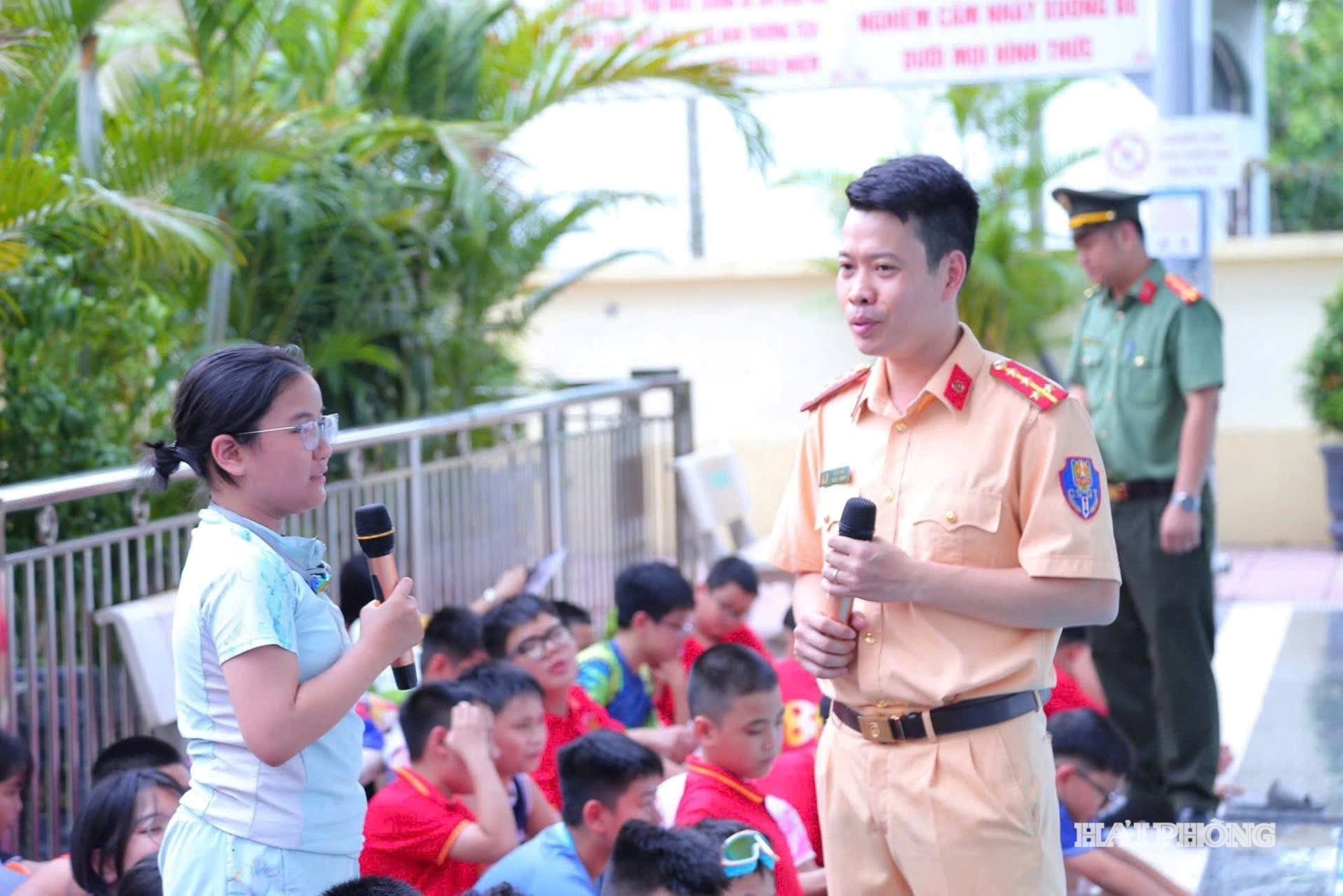
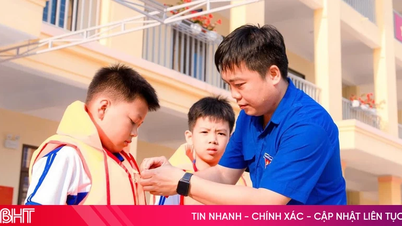
B School on April 9th at Nguyen Du Primary School (Kien An Ward) was more vibrant than usual with a city-level thematic program on "Preventing Drowning – Safe Summer Fun." During the program, students watched a documentary about the reality of drowning and participated in a "Safe Summer Fun" competition with activities including answering situational questions, practicing wearing life jackets, and rescue skills. These visual and engaging activities helped the students absorb knowledge in an interesting way and retain it longer. Notably, the school signed an agreement with the Parent-Teacher Association and specialized units to implement a safe swimming program.
Many free swimming lessons were also awarded to underprivileged students, contributing to spreading the spirit of sharing and community responsibility in preventing drowning. Tran Thi Thu, a 5th-grade student, shared: “Watching the reports in the program, I realized the risk of drowning is very high if we lack skills. This summer, I will definitely participate in swimming lessons to ensure my own safety and to put my parents' minds at ease.”
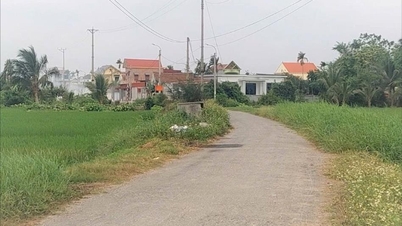
In reality, in suburban communes and wards with dense irrigation canals and ponds, the risk of drowning remains ever-present. For example, in communes like Tu Ky, An Lao, Tien Lang, Kien Thuy, and Phu Lien ward, despite the authorities' efforts to erect warning signs, the practice of children spontaneously going swimming in rivers is quite common.
In these areas, the water level is often unstable, the riverbed is steep and full of quicksand, and just a moment of carelessness can lead to accidents at any time. Ms. Nguyen Thi Thanh from Kien Thuy commune shared her concerns: "My house is near the Da Do River, and even though I've warned my children carefully, I'm still worried every time I go to work. These kids are so active now; they'll go swimming in the river as soon as their friends invite them. There are sections of the river that look calm on the surface, but in reality, the current underneath is very strong and deep."
According to statistics, drowning is the leading cause of death among children aged 5 to 14 in Vietnam, with nearly 2,000 children under 16 dying each year. This rate is eight times higher than in high-income countries, making it a serious threat, especially during the summer. In Hai Phong in recent years, many tragic drowning accidents have occurred in the communes of Tien Minh, An Lao, Thanh Ha, etc., leaving behind much grief for families and the community.
Preventing drowning among children is identified as one of the key objectives of the National Program for the Prevention of Accidents and Injuries to Children for the period 2021-2030, issued by the Government . Vietnam aims to achieve the following goals by 2035: 90% of students will be equipped with knowledge and practical skills to prevent drowning; at least 30% of primary schools and 25% of secondary and high schools will have effectively functioning swimming pools (fixed or mobile); and 70% of communes and wards will have at least one swimming pool serving the purpose of teaching safe swimming to children in their area.
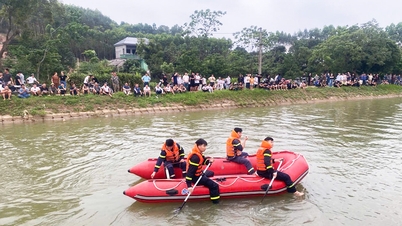
In Hai Phong, following the directives of the City People's Committee, localities have simultaneously implemented plans to prevent and combat injuries and drowning accidents among children with the motto "prevention is better than cure". In many communes and wards such as Tien Lang, Quyet Thang, Nhi Chieu, An Duong, Kien An, etc., local police, in coordination with the Youth Union, have organized inter-agency patrols at "black spots" in the area.
Beyond simply reminding children, authorities also directly instruct them on how to identify rip currents and areas prone to subsidence at the beach. Warning signs are no longer just plain metal boards, but incorporate QR codes leading to instructional videos on first aid. This "door-to-door" approach to raising awareness among families helps improve their understanding and supervision of their children.
Community working together
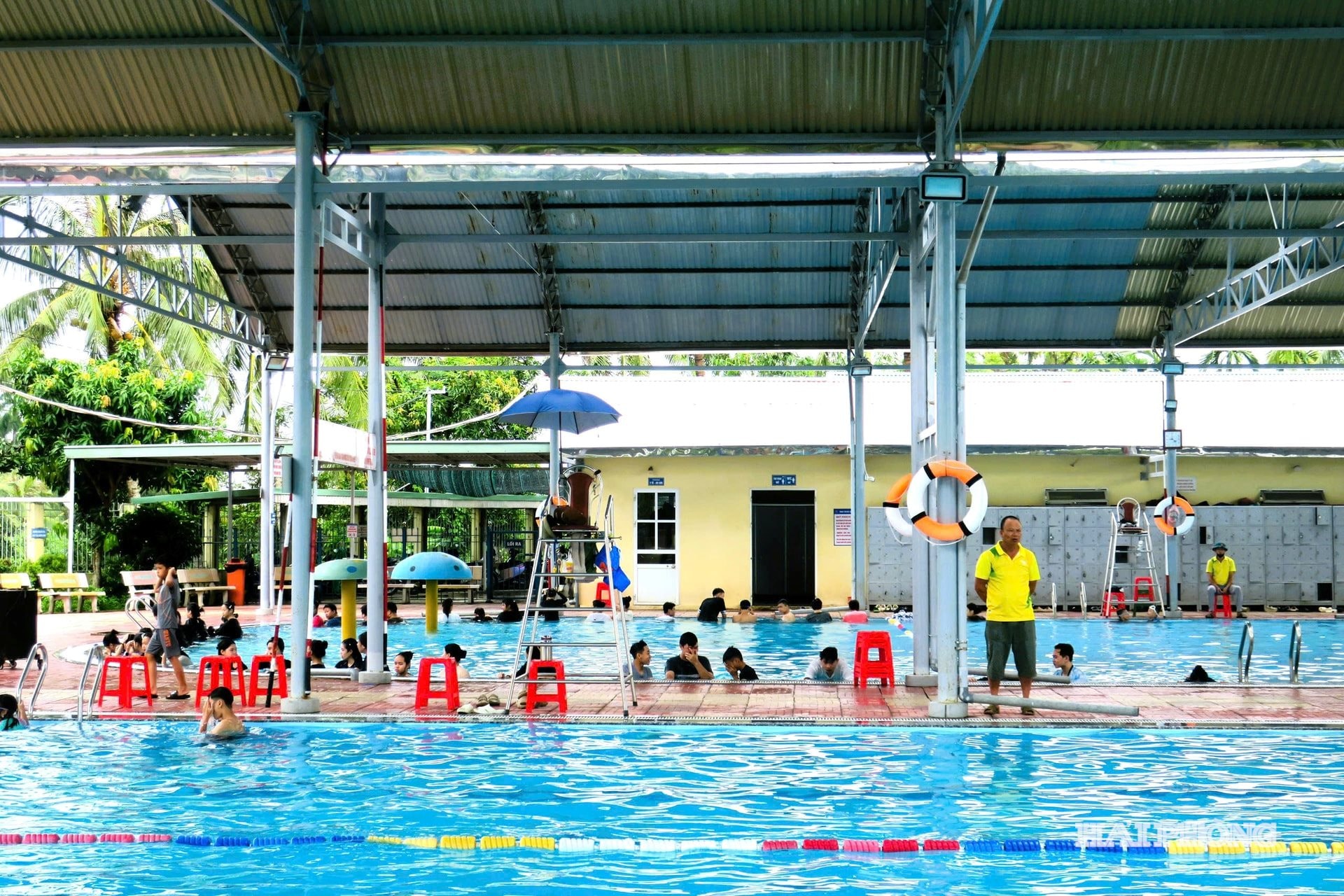
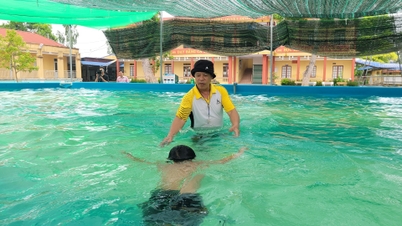
According to the Department of Education and Training, in recent times, especially during the summer, educational institutions in the area have actively organized free swimming lessons for students. At the same time, the department has also coordinated with various departments, agencies, and organizations to implement a mobile swimming pool model in residential areas, creating opportunities for children to access safe swimming skills close to where they live.
In Plan No. 1119/SGDĐT-VP on child protection work in 2026, the Department of Education and Training requests that the Culture and Social Affairs Departments and affiliated educational institutions develop annual plans closely linked to child protection. The focus is on coordinating and organizing campaigns to raise awareness and educate children on drowning prevention and safety. Life skills education and measures to prevent accidents, injuries, and drowning should be directly integrated into both regular and extracurricular educational activities. The Department encourages schools to consult with relevant authorities to integrate investment projects for the installation of swimming pools and the organization of safe swimming classes. Simultaneously, the "Safe, Friendly, and Non-Violent School" model should be maintained and expanded to protect children from risks in both their living environment and online spaces.
Alongside organizing swimming lessons, the education sector also focuses on training teachers, coaches, and lifeguards to ensure that swimming classes meet professional and safety requirements. Local authorities actively mobilize social resources, utilize public swimming pools, and implement policies to waive or reduce swimming lesson fees for disadvantaged students, creating opportunities for all children to access this essential skill.
Besides the decisive actions of the government and the efforts of schools, the "protective net" against the risk of drowning for children is only truly strong when there is close cooperation from families. Dr. Nguyen Quang Chinh, Director of the 115 Emergency Center, recommends that parents and adults absolutely do not allow young children to play near water sources without adult supervision.
For families in rural areas, it is necessary to proactively install fences around family ponds and lakes and consider local projects to install smart swimming pools so that children can receive proper swimming lessons. When a child is drowning, proper first aid is crucial to saving their life and preventing severe brain damage later on.
Therefore, it is necessary to quickly remove the child from the water while rapidly assessing their consciousness and breathing. If the child is still breathing, place them on their side, keep them warm, and reassure them. If the child's heart has stopped beating and they have stopped breathing, call emergency services (115) and immediately perform cardiopulmonary resuscitation (CPR), including chest compressions and artificial respiration.
To ensure that the summer of 2026 is a truly meaningful and safe vacation for children in the port city, local authorities need to continue maintaining and expanding safe swimming models; and mobilize social resources to build more smart swimming pools in suburban communes. Schools, for their part, need to intensify awareness campaigns through vivid visual methods such as simulated drowning scenarios to help students easily visualize and remember the information.
At home, every parent and adult should be the first "teacher" to educate their children about safety. Strictly adhere to all signs at beaches and swimming pools. The community needs to foster a spirit of mutual support and promptly identify and remind groups of children playing in dangerous areas.
THU HANGSource: https://baohaiphong.vn/don-he-an-toan-khoe-manh-540603.html















































































Comment (0)