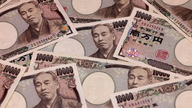
In New York, the US dollar touched 161.98 yen, a level not seen since December 1986. The last time the yen fell close to 162 yen/USD was in July 2024, when it was at 161.96 yen/USD.
The weak yen increases the cost of importing all kinds of goods, from energy to food, dealing a severe blow to the Japanese economy and tens of millions of households.
Japan has intervened in the currency market to prevent the yen's decline, most recently from late April to May. However, the currency's depreciation continues, reflecting the still large gap between Japanese and US interest rates.


The Bank of Japan raised interest rates earlier this month, from 0.75% to a 31-year high of 1%, and left open the possibility of further increases, due to inflation risks stemming from conflict in the Middle East and rising import costs.
Meanwhile, the US Federal Reserve (Fed), under the leadership of its new chairman Kevin Warsh, has also signaled another interest rate hike before the end of the year, despite calls from US President Donald Trump for cuts.
The yen also depreciated as Japanese Prime Minister Sanae Takaichi pushed for increased spending to support growth and temporarily froze consumption taxes on food and beverages.
With debt far exceeding the size of its economy, Japan's financial situation is the weakest among developed economies.



Japanese authorities have signaled that they may intervene in the currency market if necessary.
Source: https://baotintuc.vn/kinh-te/dong-yen-cham-muc-thap-nhat-trong-39-nam-20260630101018878.htm


![[Photo] Strengthening character and expertise: Intense training for artillery soldiers.](https://vphoto.vietnam.vn/thumb/1200x675/vietnam/resource/IMAGE/2026/06/30/1782815602541_lu-368-1875-4571-jpg.webp)