

This is a statement from the Minister of Education and Training, Nguyen Kim Son, regarding policies aimed at increasing the attractiveness of the teaching profession, ensuring that teachers can work with peace of mind and focus on professional development in the current period.
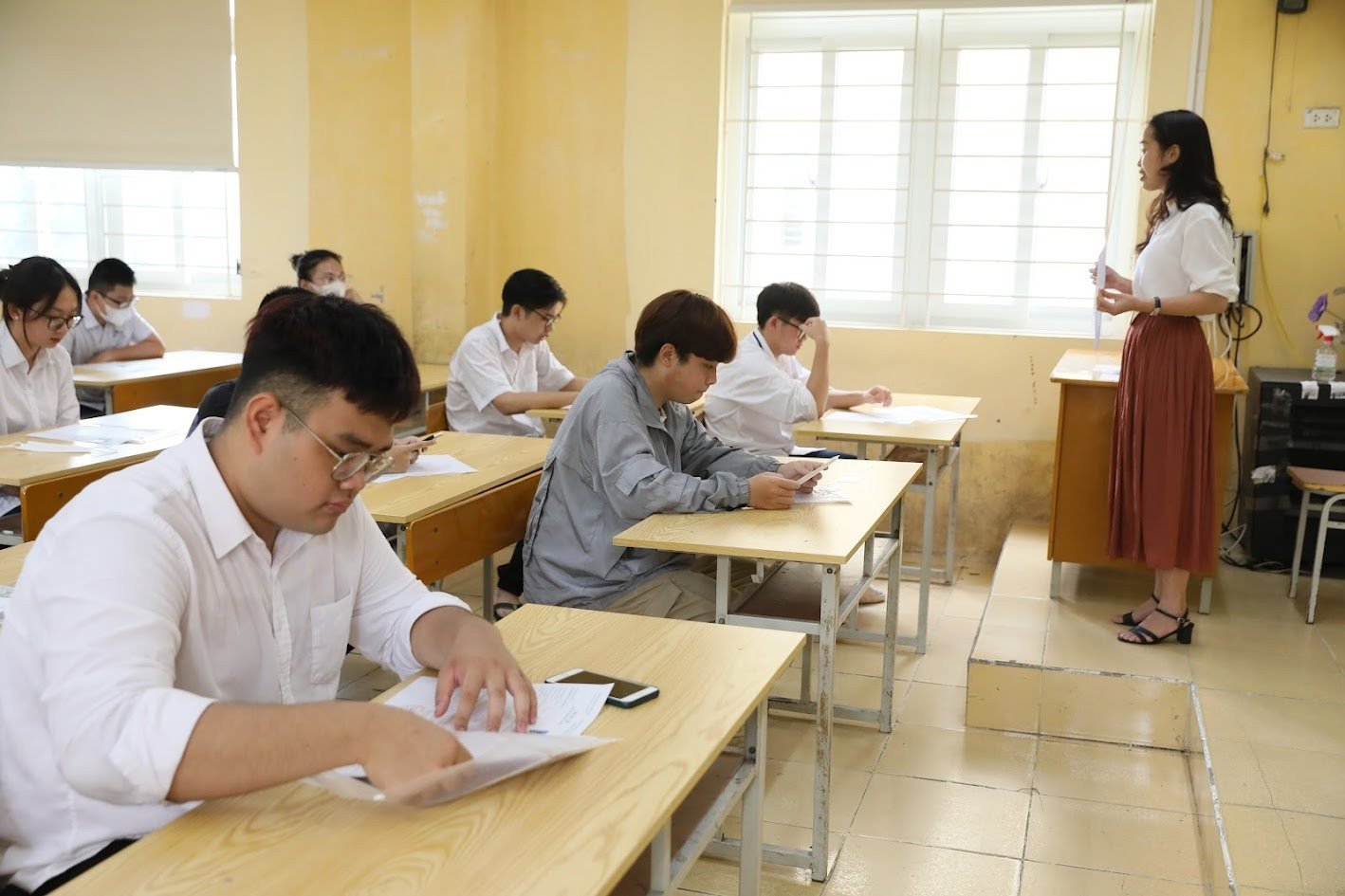
5 breakthroughs in the draft Law on Teachers
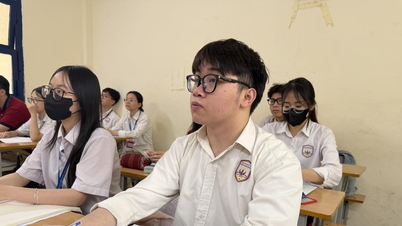
Currently, 1.6 million teachers are working in educational institutions nationwide, with diverse levels of education, qualifications, and locations: from preschool to university, from basic to postgraduate training; from favorable regions to those with particularly difficult socio -economic conditions; from rural to urban areas, from plains to islands and border regions. The draft Law on Teachers, if passed, will provide a consistent, effective, and efficient legal framework for building and developing the teaching staff. In this framework, the state management of teachers is emphasized, with the responsibility of the education sector clearly defined and decentralized from the ministry to provincial and district education departments and institutions.
One of the points considered groundbreaking in the draft Law on Teachers is the strong innovation in state management of teachers, as shared by Minister Nguyen Kim Son, which is "shifting the focus from personnel management to human resource management." According to Vu Minh Duc, Director of the Department of Teachers and Educational Management Officials (Ministry of Education and Training), the Ministry of Education and Training plans to include five groundbreaking provisions on state management in the draft Law on Teachers. These include: unified recruitment of teachers for public preschool and primary education institutions nationwide; teacher assignment and secondment not only within districts and provinces but also between different provinces/cities and between public and private educational institutions; and strengthening conditions to protect teachers, ensuring they work in a safe environment and are motivated for professional development. Strengthen the role of education management agencies in selecting and appointing excellent teachers to become educational institution administrators and to hold leadership positions within education management agencies. Focus on developing policies to support and attract teachers.
Mr. Duc believes that the aforementioned conditions are important elements in creating a safe working environment where teachers are protected and guaranteed material and spiritual conditions, as well as social security.
As a result, teachers can work with peace of mind, focus on their professional work, and continuously develop their careers; they receive deserved recognition for their achievements and contributions, maintaining their motivation to strive, dedicate themselves to the profession, and improve their professional skills and expertise; they have equal opportunities for career advancement; and they are honored by society in proportion to their professional status, further fostering pride and honor in the teaching profession.
As a result, "becoming a teacher" naturally becomes the aspiration of talented and capable individuals, a natural attraction that increases the number of people wanting to become teachers, promotes and improves the quality of teacher training, and increases the effectiveness of teacher recruitment...
Do not scratch evenly.
From July 1st, teachers will no longer receive several types of allowances, including seniority allowance, position allowance, allowance for Party and socio-political organization work, and hazardous and dangerous work allowance. Meanwhile, while some allowances have increased, leading to a significant rise in the net income of young, newly-employed teachers, the question remains whether this increase will compensate for the approximately 30% salary reduction for experienced teachers – a concern for many educators.
Minister of Home Affairs Pham Thi Thanh Tra stated that the most important thing we hope for in salary reform is that the education and health sectors will achieve their salary increase goals. This would bring joy to society, and civil servants, especially teachers and doctors, would be pleased. However, resources for salary reform are only available until 2026, so after 2026, the Minister believes that without efforts to increase revenue and reduce expenditure, it will be very difficult to continue implementing the new salary system.
Furthermore, there is a proposal to prioritize teachers with the highest salary scale in the administrative and public service system, alongside the medical, police, and military sectors. However, according to experts' calculations, with 1.6 million teachers, of which 70% of civil servants and public employees nationwide receive salaries in the education sector, even a slight increase in teachers' salaries would push the salary fund higher, potentially leading to a budget deficit.
Therefore, in addition to efforts to increase salaries and allowances for teachers, many opinions suggest that salary increases cannot be applied indiscriminately. According to Dr. Nguyen Tung Lam - Vice President of the Vietnam Association of Educational Psychology, there should be a separate preferential policy for teachers teaching in remote areas, border regions, and islands, teachers teaching in special schools, and teachers teaching children with autism. These are groups that need more attention because their work is unique and more demanding in terms of teaching conditions and the students they teach.
Comprehensive care for the lives of teachers.
In fact, the Party, Government, and local authorities have paid attention to providing housing for teachers, especially in remote areas. However, many places still lack adequate facilities, classrooms, and housing for teachers. For example, at Lam Ca Primary School in Dinh Lap District, Lang Son Province, a difficult mountainous area, living conditions are very poor. Some teachers live 40km from the school and have to commute daily, enduring the hardships of rain and sun. Teachers whose homes are too far away have to rent accommodation from local residents because the school does not yet have housing for teachers.
Statistics show that in Quang Tri province, nearly 1,500 teachers and staff are working in remote and disadvantaged areas with extremely difficult living conditions, especially housing. Many teachers have to live in borrowed homes or in temporary, dilapidated, and severely damaged communal housing that needs immediate repair. The Provincial People's Council issued Resolution 168 on December 9, 2021, approving the Project to build official housing for teachers in difficult areas for the period 2021-2025 with 399 rooms, worth 59.8 billion VND, of which 50% of the capital is mobilized from social sources. However, to achieve this goal, continued cooperation from all levels of government and organizations is needed to soon turn the dreams of these teachers working in remote areas into reality.
The policy of providing tuition support for teachers' children has been widely welcomed and supported by teachers and the public. This is not only an economic assistance but also a great recognition and encouragement, helping teachers feel more secure in their teaching work. Even for many teachers in the city, paying monthly tuition for two children takes up a significant portion of their meager salaries, so many teachers have to take on additional jobs to make ends meet.
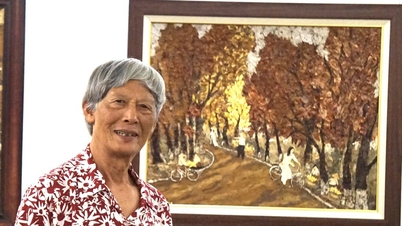
Furthermore, the inclusion of a policy on annual periodic health check-ups in the draft Law on Teachers is also considered a significant step forward, helping to protect the health of teachers, especially those working in remote areas where medical facilities are inadequate. Professor Nguyen Mau Banh, Chairman of the Vietnam Association of Retired Teachers, believes that comprehensive care and attention to teachers, from salaries, bonuses, benefits, working conditions to healthcare and tuition support for teachers' children, are practical policies that help teachers alleviate some of their worries about housing, their children's education, and their own health, allowing them to focus wholeheartedly on teaching.
“Teachers' salaries should be prioritized and ranked highest in the administrative and public service salary scale. If this becomes a reality, it would be wonderful. In the short term, given the many difficulties our country still faces, even small acts of support will have a significant impact, helping teachers remain committed to their profession and dedicated to the noble cause of educating future generations, a career they have chosen with all their faith and love,” said Professor Nguyen Mau Banh.
From July 1st, teachers will no longer receive several types of allowances, including seniority allowance, position allowance, allowance for Party and socio-political organization work, and hazardous and dangerous work allowance. Meanwhile, while some allowances have increased, leading to a significant rise in the net income of young, newly-employed teachers, the question remains whether this increase will compensate for the approximately 30% salary reduction for experienced teachers.
Source: https://daidoanket.vn/dot-pha-chinh-sach-de-thu-hut-giao-vien-10283940.html

![[Image] National Assembly discusses the implementation of the socio-economic development plan.](https://vphoto.vietnam.vn/thumb/1200x675/vietnam/resource/IMAGE/2026/04/20/1776696707422_ndo_br_img-20260420-185419-jpg.webp)


![[Photo] General Secretary and President To Lam meets with National Assembly delegates from ethnic minorities.](https://vphoto.vietnam.vn/thumb/1200x675/vietnam/resource/IMAGE/2026/04/20/1776696701056_a1-bnd-8331-3342-jpg.webp)






































































Comment (0)