

Cultural preservation, linked with tourism development.
According to Nguyen Quoc Thanh, Director of the Department of Culture, Sports and Tourism of Ca Mau province, the year 2025 saw many positive results in the development of culture and tourism associated with socio-economic development, especially in the context of the province having just completed its merger, opening up new development opportunities. The province's tourism industry continued to maintain a fairly high growth rate, with over 8.1 million visitors, achieving and exceeding the annual plan; tourism revenue reached 8,585 billion VND, making an increasingly important contribution to the local economic structure. The province's unique tourism products such as ecotourism, community tourism, and cultural-spiritual tourism continued to be effectively exploited, gradually forming a diverse product chain, in line with the trend of green and sustainable tourism.
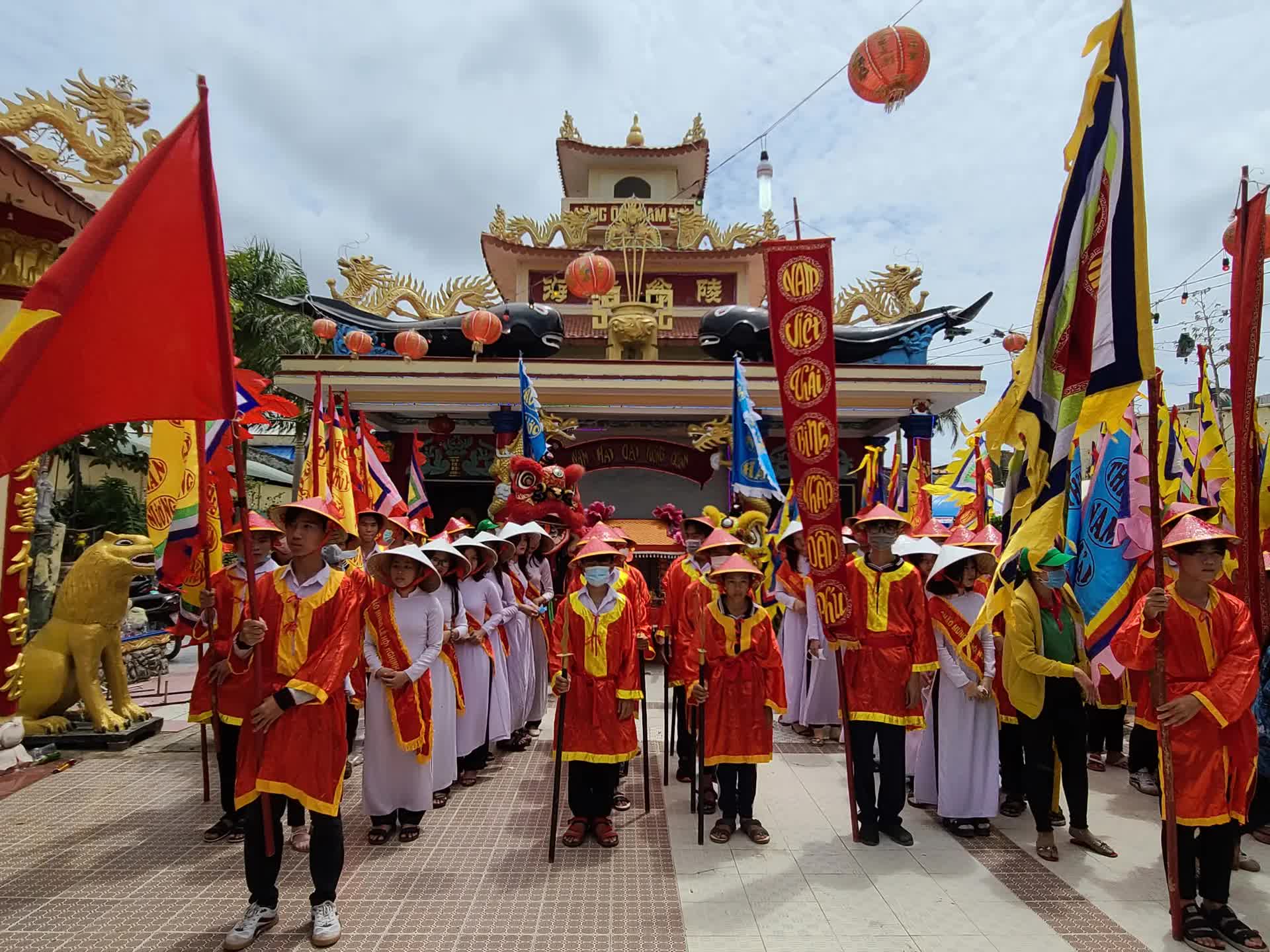
The Nghinh Ong Song Doc Festival is famous in Ca Mau . Photo by Hoang Nam.
According to Mr. Nguyen Quoc Thanh, to achieve these results, the relevant authorities have focused on preserving and promoting traditional cultural values. Many historical and cultural relics, traditional festivals, and intangible cultural values have been preserved, restored, and linked to tourism activities. Cultural activities, events, and festivals such as the Nghinh Ong Song Doc Festival, the Southern Traditional Music and Singing Festival, the 2nd Ca Mau Crab Festival in 2025, the Salt Festival, etc., have been organized with a focus, contributing to promoting the image of Ca Mau and its people. In general, the results achieved show that the province's tourism development orientation is correct, creating an important foundation for Ca Mau to continue developing its culture and tourism sectors in the coming period.
Despite the achievements, Ca Mau province's tourism development still faces numerous difficulties and obstacles that need to be addressed. Specifically, attracting investment for tourism development has not been commensurate with the province's potential and advantages; the scale and number of projects remain limited, lacking projects with a ripple effect that create momentum for development. The infrastructure system serving cultural and tourism development, especially transportation infrastructure connecting to key tourist areas and destinations, technical infrastructure, and service infrastructure, has not been invested in comprehensively. Some cultural and tourism facilities are still dilapidated and slow to be upgraded.
Along with investment and infrastructure, the organizational capacity for implementation in the tourism sector still has certain limitations. There is a shortage and uneven distribution of high-quality human resources. Coordination among stakeholders involved in tourism activities is not yet truly effective, and professionalism is lacking, thus affecting product quality, competitiveness, and the sustainable development of the province's tourism.
Overcome difficulties, utilize all available solutions.
According to Mr. Nguyen Quoc Thanh, in the coming years, Ca Mau province has identified the development of cultural tourism in collaboration with localities in the Mekong Delta region and Ho Chi Minh City as a consistent and strategic direction. Based on the signed cooperation programs, the province will proactively implement many specific and practical cooperation activities, focusing on promotion, market connection, information sharing, and the formation of inter-regional tourism products and routes. This will leverage the complementary advantages of each locality, avoid duplication, and enhance the overall competitiveness of tourism in the entire region.
Through organizing, coordinating, and participating in typical programs and events such as the Ho Chi Minh City Tourism Festival, the Conference summarizing the Tourism Development Cooperation Program between Ho Chi Minh City and 13 provinces and cities in the Mekong Delta in 2024, "Hello Ca Mau" in Ho Chi Minh City, and many other collaborative activities, Ca Mau province is promoting its image and distinctive tourism products, strengthening business connections, and expanding its market.
“In 2026, Ca Mau province will focus on developing cultural tourism closely linked to socio-economic growth goals, with efficiency, quality, and sustainability as overarching requirements. Accordingly, the province aims to achieve a total tourist arrival of approximately 8.6 million, including about 134,500 international tourists; and total tourism revenue of approximately 9,550 billion VND,” Mr. Nguyen Quoc Thanh emphasized.
Along with the goals and tasks of tourism development, the Provincial People's Committee has just issued the "Ca Mau - Destination 2026" program to create a clear highlight in the promotion, marketing, and stimulation of tourism. In particular, the province focuses on organizing large-scale events with widespread impact such as the Delicious Rice Competition of the Mekong Delta, the 2nd Ca Mau Shrimp Festival, the Ca Mau Heritage and Tourism Culture Week, activities in response to World Tourism Day on September 27th, the Ca Mau Marathon, and many promotional programs to advertise the destination in Hanoi and other key localities. Simultaneously, a system of traditional festivals and unique cultural and religious events at the local level, such as the Nghinh Ong Festival, the Southern Traditional Cake Festival, the U Minh Forest Festival, the Hung Kings Commemoration Ceremony, etc., contribute to enriching tourism products and extending the length of stay for tourists.
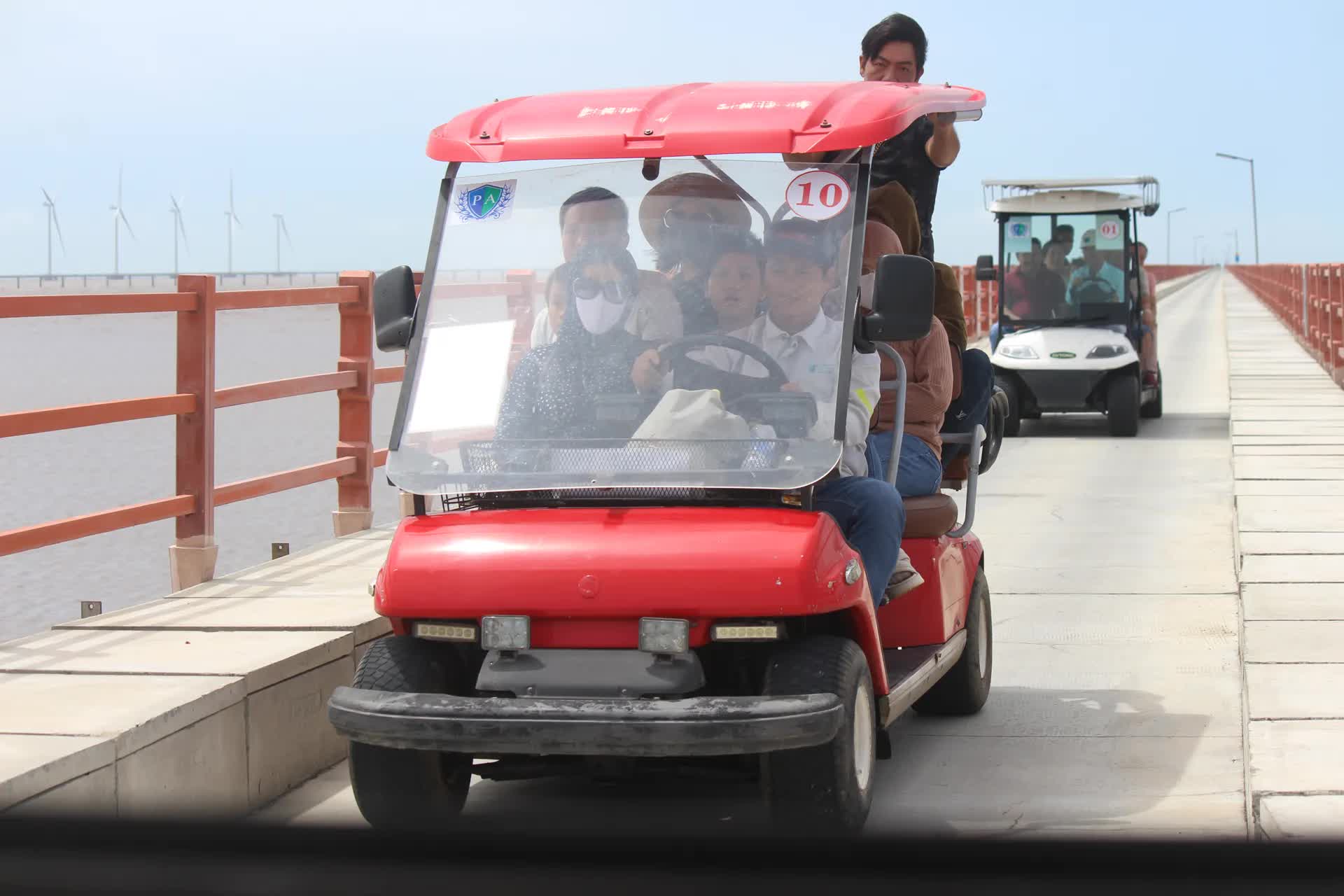
Tourists visit an offshore wind farm in Hiep Thanh ward, Ca Mau province. Photo by Hoang Nam.
“To achieve the above targets, the province is focusing on perfecting mechanisms, policies, and planning, with a focus on developing the General Planning for the Mui Ca Mau National Tourist Area and key ecotourism areas such as U Minh Ha, Dam Thi Tuong, etc. In addition, we will continue to focus on developing distinctive, in-depth tourism products based on the strengths of ecotourism, community tourism, and local cultural tourism. At the same time, we will prioritize training and developing human resources, improving professional skills, foreign language proficiency, and the quality of service of the tourism workforce,” Mr. Nguyen Quoc Thanh affirmed.
Economic & Urban Newspaper
Source: https://bvhttdl.gov.vn/du-lich-ca-mau-truc-van-hoi-moi-20260210093309019.htm








![[Photo] Election atmosphere at polling station No. 7, Xuan Dinh ward, Hanoi city](https://vphoto.vietnam.vn/thumb/402x226/vietnam/resource/IMAGE/2026/03/15/1773543204075_img5935-1773539854991135573309-154-0-1707-2484-crop-17735409472061858573395.jpeg)
















































Comment (0)