

In the early days of 2026, while many destinations are bustling with festivals, the coconut-growing region of Vinh Long province offers a tranquil alternative: no crowds, no rushed schedules, just lush green coconut groves, shady country roads, and the leisurely pace of rural life.
Based on current cultivation practices, waxy coconuts are distributed across three communes: An Phu Tan, Cau Ke, and Tam Ngai in Vinh Long province , creating a seamless production and experience space, often referred to by tourists as the "Waxy Coconut Capital" .
Opening the year with good fortune at the wax coconut garden.
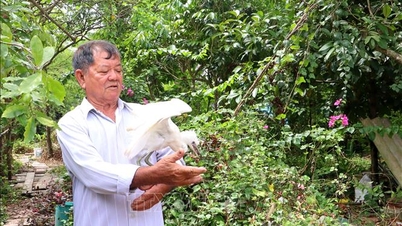
A popular experience for many tourists is visiting and enjoying waxy coconuts right in the orchard . A familiar destination is Ba Thuy Waxy Coconut Orchard in Tam Ngai commune, where visitors can personally select coconuts, listen to the orchard owner share how to identify high-quality waxy coconuts, and enjoy waxy coconut with milk on the spot.

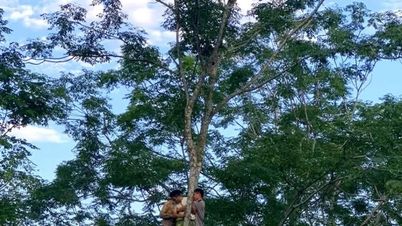
Not every coconut is "perfectly ripe"; sometimes only a few in an entire bunch meet the criteria. This waiting period is what makes the moment of cracking open a coconut so special, and locals liken it to opening a lucky tree at the beginning of the year.
Walking through the garden, listening to stories about coconut harvesting.
In the communes of An Phu Tan, Cau Ke, and Tam Ngai, waxy coconuts are mainly grown intercropped in home gardens , along canals, and riverbanks. The cycle from planting to stable fruiting takes 8-10 years , requiring patience and experience.
Actions like shaking, tapping, and feeling the "weight" when choosing coconuts – seemingly ordinary tasks – become memorable experiences because they are indigenous knowledge accumulated over generations of gardeners.

Waxy coconuts are characterized by their thick, soft, and pliable flesh.
Cuisine made from waxy coconut: simple yet captivating.
From the waxy coconut, locals have created many rustic dishes that are rich in regional character. Waxy coconut salad, with its creamy texture and blend of local shrimp, pork belly, and garden vegetables, creates a light and refreshing appetizer. Waxy coconut noodle soup impresses with its sweet broth from the bones, the freshness of the vegetables, and just the right amount of richness to appreciate the waxy coconut flavor without overpowering the other ingredients.


The local cuisine isn't elaborate, but its simplicity and the way they make full use of the produce from their own gardens create a unique charm for a spring trip.

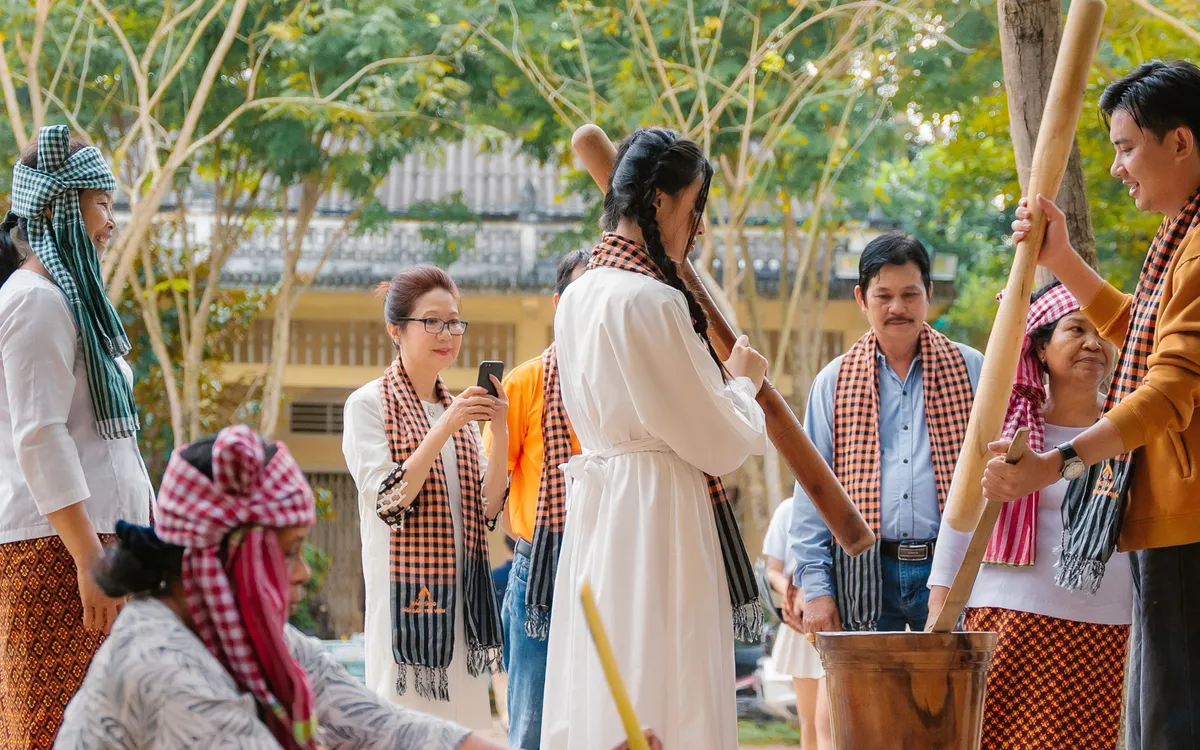
Besides the orchards and cuisine , exploring the land of wax coconuts also opens up opportunities for tourists to experience the cultural life of ethnic groups through the system of ancient temples scattered around the area. These temples, with their multi-tiered curved roofs, distinctive yellow color, and exquisite patterns, are the religious centers of the Khmer community in Southern Vietnam.
When wax coconuts tell the story of the land
After experiencing the orchards, visitors can continue their journey at the Tra Vinh Wax Coconut Museum in Tam Ngai commune, Vinh Long province . The building comprises a ground floor and two upper floors, with a construction area of 800m² on a 2,400m² plot. This is the first museum in Vietnam focusing on the wax coconut tree. The exhibition space, with hundreds of images and artifacts, helps viewers better understand the history, cultural value, and role of wax coconuts in the lives of the Kinh, Khmer, and Hoa communities.
Here, the story of Venerable Thach So - who brought the waxy coconut variety to plant in 1924 - is introduced as the starting point for the waxy coconut's journey to take root and become deeply rooted in this land.

The Tra Vinh Wax Coconut Museum, located in Tam Ngai commune, Vinh Long province, has been recognized as a typical destination in the Mekong Delta in 2025.
Touching the historical memories of the land.
Right in Tam Ngai commune, visitors can stop at the Memorial Area of Heroine Nguyen Thi Ut – a "red address" rich in historical value, associated with the revolutionary traditions of the locality.
The exhibition space, with its images, documents, and artifacts, helps to portray the portrait of Ms. Nguyen Thi Ut, a resilient woman from Southern Vietnam deeply involved in the revolutionary struggle in this land. Interspersed with the exploration of the wax coconut garden and the rhythm of rural life, this stop provides a necessary historical glimpse, allowing the spring trip to extend beyond culinary experiences to a deeper appreciation of the people and the richness of the region visited.
If time permits, visitors can choose to stay in homestays in the orchards of the three communes of An Phu Tan, Cau Ke, and Tam Ngai. Cycling through coconut groves in the morning, relaxing in hammocks at noon, visiting gardens in the afternoon, and gathering around a traditional meal in the evening – these simple experiences are enough to fully appreciate the rhythm of life in the riverine region.
Traveling to the land of waxy coconuts is a journey for those who want to temporarily escape the hustle and bustle of life, and spend time appreciating nature, people, and the local values that are being preserved.

An ancient wax coconut stump is on display at the Tra Vinh Wax Coconut Museum.
From exploring the wax coconut region, tourists can extend their trip to Tan Quy islet with its fruit orchards along the Hau River, visit Ao Ba Om in Nguyet Hoa ward with its strong Khmer cultural imprint, or experience community tourism at Con Chim and Con Ho islets in Vinh Long province.
Visiting the wax coconut growing region in spring offers glimpses into the local culture, history, and way of life, where the product is closely linked to the people and the rhythm of rural life. This is also a way to shape tourism towards sustainable experiential travel.
Source: https://vtv.vn/du-xuan-thu-phu-dua-sap-vinh-long-100260112165700657.htm





























































































Comment (0)