Flexibility in approach
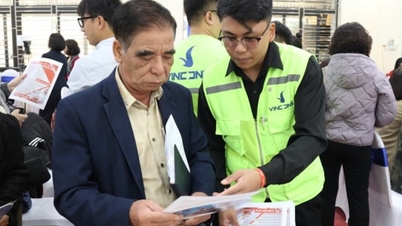
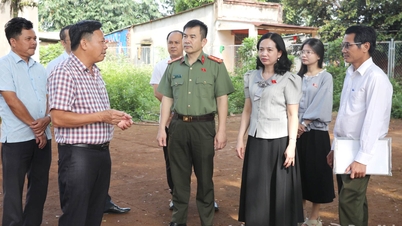
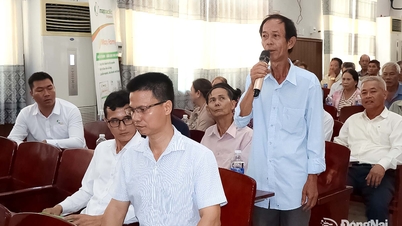
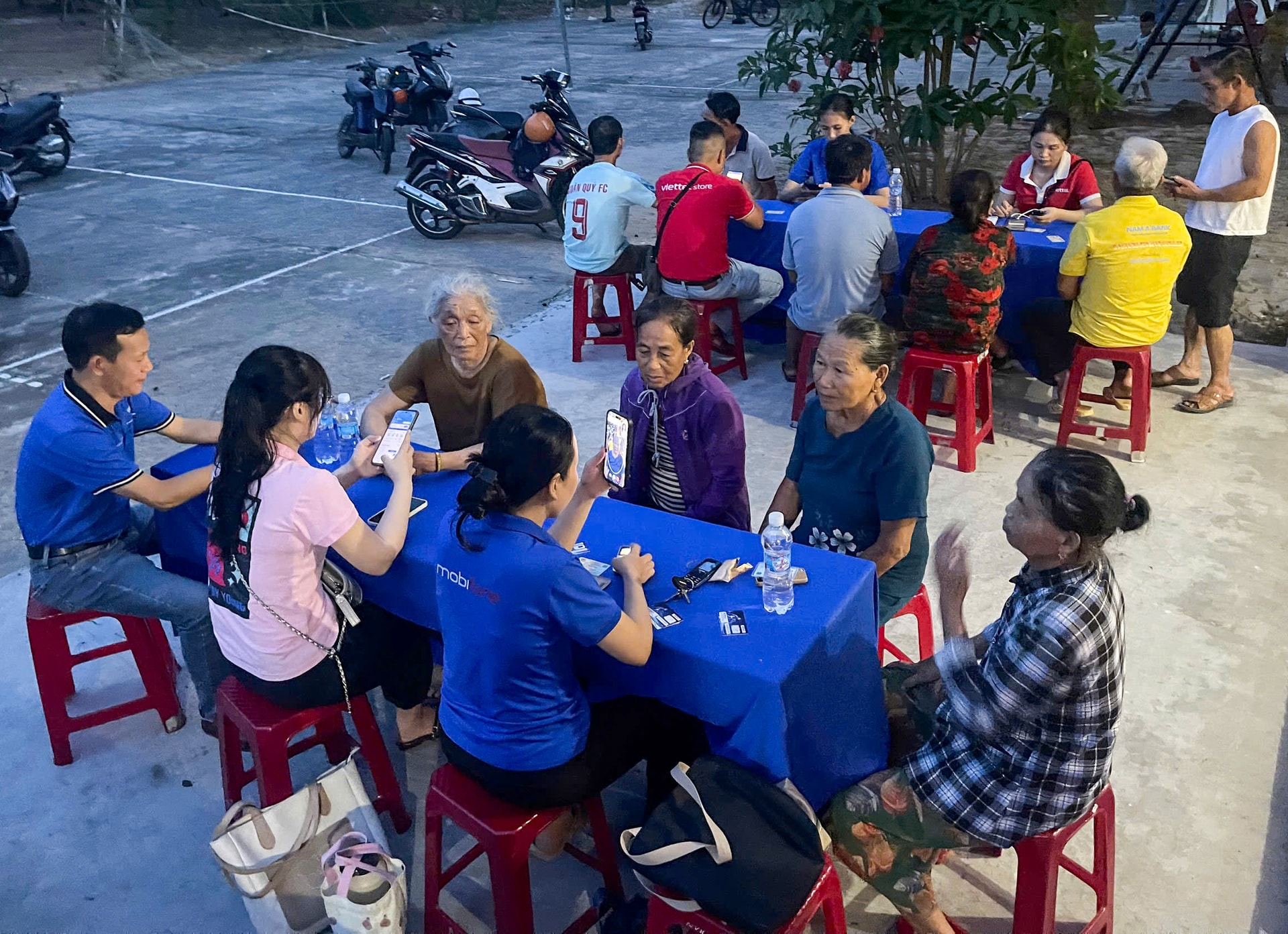
At night, all 24 community cultural centers in Ban Thach ward are brightly lit. Community digital technology teams are on duty, assisting residents in carrying out administrative procedures on the National Public Service Portal. In Vinh Binh residential area, the community digital technology team directly visits each lodging house to guide workers in completing necessary administrative procedures. Ms. Phan Thi Men, a worker at Tam Thang Industrial Park, said that the community digital technology team came to her lodging house to guide her in registering for temporary residence on the VNeID application.
Mr. Phan Dinh Ngo, Head of the Community Digital Technology Team in Vinh Binh residential area, said that workers are usually only free in the evenings after their shifts. The team supports residents at the community center or goes directly to their rented accommodations, focusing on guiding them in using essential digital applications such as VNeID, Danang Smart City, eTax Mobile, platforms for submitting feedback and suggestions, and artificial intelligence applications.
According to Mr. Le Dinh Nho, Deputy Director of the Public Administrative Service Center of Ban Thach Ward, the dissemination of digital knowledge and skills from the community has created a foundation for the ward to effectively implement digital transformation; reduce the pressure of handling documents for officials and enhance people's satisfaction with the local government.
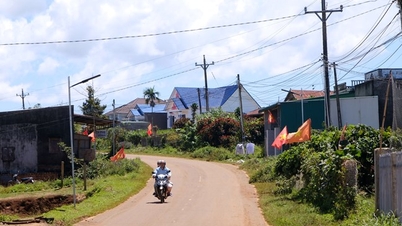
In Thang An commune, the "Tuesday Online Service for Citizens" model in Binh Tinh village helps people identify the types of documents that must be submitted online and understand how to enter documents on the National Public Service Portal. Meanwhile, the "Contactless Transaction Point" model in Alua village (Tay Giang commune) helps people in seven villages – Alua, Axur, K'xeeng, Z'lao, Adau, Tưr, and Arui – avoid having to travel more than 20km to the commune center to complete procedures. These approaches are contributing to bringing public services closer to the people and improving the quality of service at the grassroots level.



Proactively serving the people.
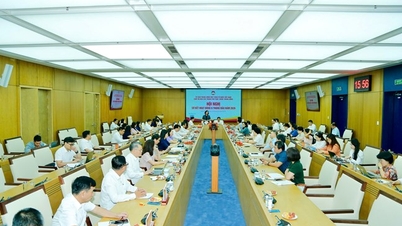
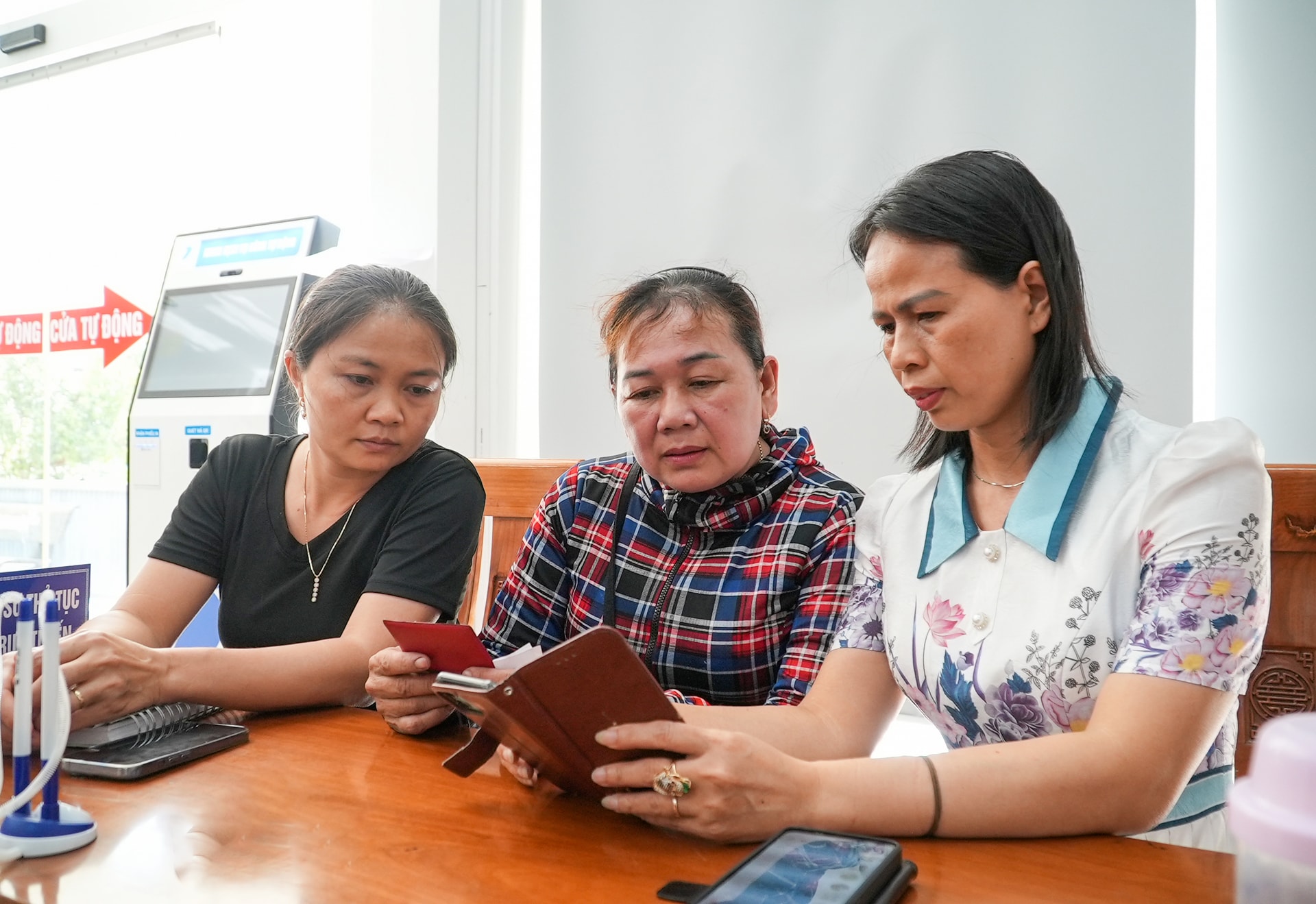
Over the past year, the Da Nang City People's Committee, in coordination with Viettel Da Nang, has implemented 27 proactive public services. The pilot program has shown stable system operation, recording approximately 4,600 applications; managing and monitoring about 15,400 permits; sending about 33,900 notifications to citizens and businesses; receiving and managing about 11,500 contacts for notifications, reminders, and support; and creating about 4,200 accounts on the system. The average rating is 4.2 out of 5 stars.
According to the Department of Science and Technology, the proactive public administration model shifts from receiving and processing requests to proactively identifying needs, guiding, and serving citizens and businesses. The model is data-driven, using events arising in people's lives and business activities as triggers for services. This contributes to reducing the time and cost of administrative procedures, improving service quality, and increasing the satisfaction of citizens and businesses.
Currently, Quang Nam General Hospital is implementing a proactive birth registration service. When a child is born, birth certificate data from the hospital system is transferred to the public administration system to proactively notify the family. People can check and confirm the information to carry out birth registration procedures, permanent residence registration, and obtain a health insurance card for the child.
According to information from Viettel Da Nang, the unit is coordinating the review and development of a proposed list to expand 43 more proactive public administrative services in 2026. These services focus on four groups: social welfare, lifecycle events, document deadline reminders, and support for citizens and businesses. However, a major challenge in operation is that some specialized databases are not yet fully connected; some interconnected procedures still require operations across multiple systems.



Mr. Ho Quang Buu, Vice Chairman of the Da Nang City People's Committee, stated that proactive public administration is a suitable direction in building a digital government and a service-oriented government. Implementing this model in Da Nang not only innovates the way public services are provided but also creates a foundation for the government to proactively accompany and support citizens and businesses based on data, technology, and interconnected processes. This contributes to significantly improving competitiveness, optimizing the investment environment, and enhancing administrative reform indicators such as the PAR INDEX, PAPI, and PCI.
“The city will standardize and clean up data, restructure business processes, increase automation rates, and promote communication so that citizens and businesses understand, trust, and use the services. At the same time, we request that ministries and agencies pay attention to supporting the city in connecting and exploiting data; especially for interconnected services that require the use of population, civil registration, insurance, tax data, and specialized databases,” Mr. Buu said.
Source: https://baodanang.vn/dua-dich-vu-cong-den-gan-dan-3341256.html
![[Photo] General Secretary and President To Lam attends the Central Public Security Party Committee Conference](https://vphoto.vietnam.vn/thumb/1200x675/vietnam/resource/IMAGE/2026/06/24/1782302063612_a1-bnd-9302-9166-jpg.webp)
![[Photo] Opening Ceremony of the 13th National Congress of the Ho Chi Minh Communist Youth Union](https://vphoto.vietnam.vn/thumb/1200x675/vietnam/resource/IMAGE/2026/06/24/1782286753905_ndo_br_1-8510-jpg.webp)

![[Photo] The 13th National Congress of the Youth Union conducts personnel work.](https://vphoto.vietnam.vn/thumb/1200x675/vietnam/resource/IMAGE/2026/06/24/1782299943080_ndo_br_1-6868-jpg.webp)