Improving the quality of healthcare at the grassroots level.
On September 9, 2025, the Politburo officially issued Resolution No. 72-NQ/TW "On some breakthrough solutions to strengthen the protection, care, and improvement of people's health."
To concretize the spirit of Resolution 72, the transfer of health stations from regional health centers to the direct management of commune and ward People's Committees is considered one of the key tasks, making a practical contribution to improving the effectiveness of primary healthcare and bringing healthcare closer to the people.
Observations from various localities indicate that the changes in the management model are initially yielding positive results.
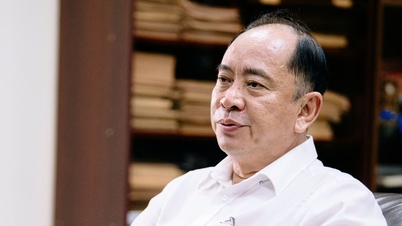
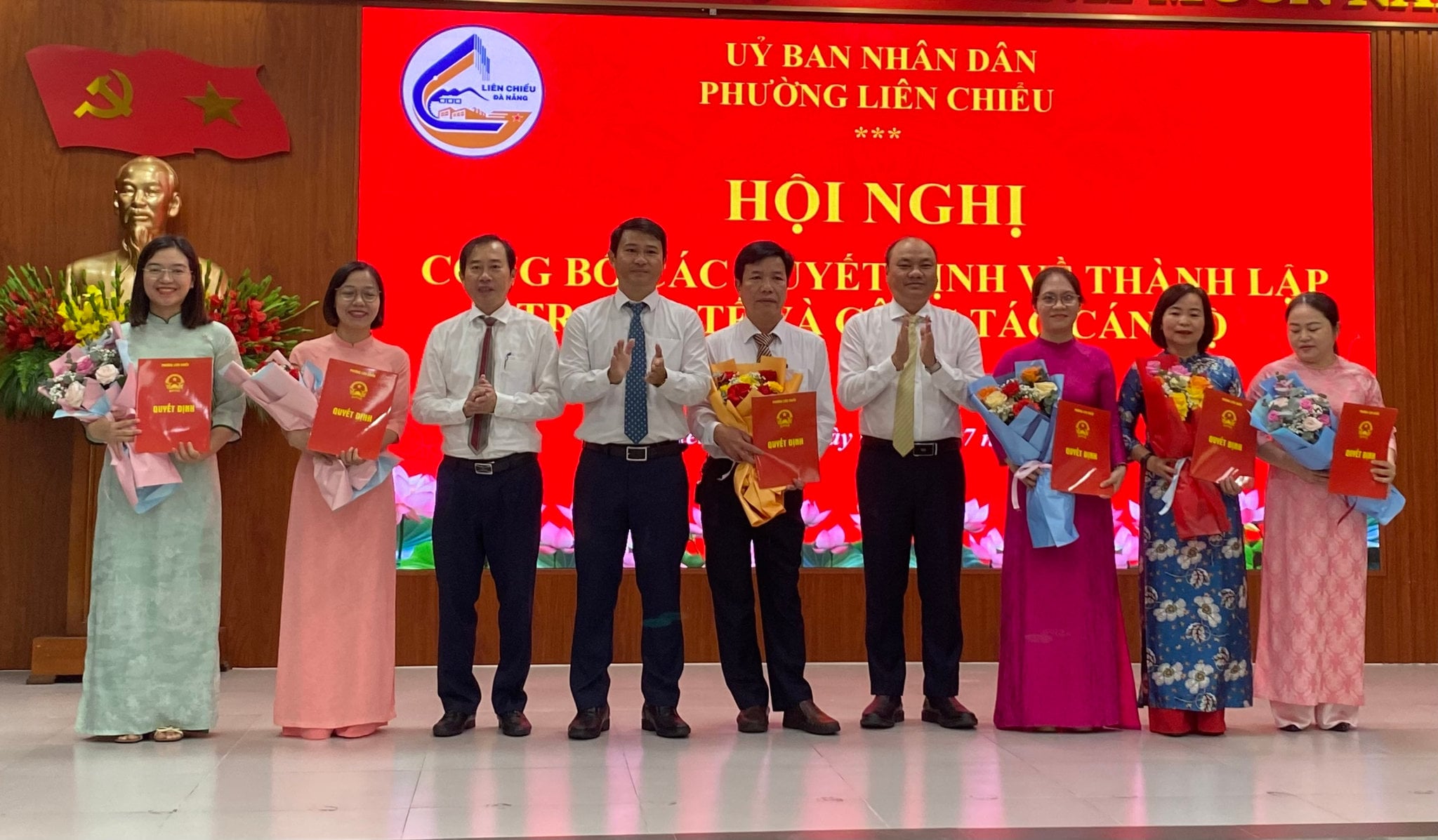
In Lien Chieu ward, Mr. Ngo Van Dung, Head of the Culture and Social Affairs Department and Director of the Lien Chieu Ward Health Station, observed that when the ward and commune authorities directly manage, the allocation of resources, coordination of disease prevention and control, implementation of community health programs, and resolution of emerging issues occur more quickly and are more closely aligned with the actual situation.
“Previously, when implementing health programs, localities had to go through many different channels. Now that the health station is directly under the People's Committee of the ward, coordination between health, education, mass organizations, and residential groups has become much easier. This is most evident in disease prevention and control, vaccination, and community health management,” Mr. Dung assessed.
Thanks to this proactive approach, people are given maximum convenience in the process of medical examination and treatment, and the local authorities are also more closely involved in directing the work.
In Dien Ban Dong ward, the process of receiving and establishing the ward health station also went relatively smoothly, meeting practical requirements well. According to Tran Loc Quang, Director of the Dien Ban Dong Ward Health Station, the unit currently has 41 staff members, including 2 doctors and a number of experienced medical assistants and nurses.
In addition, the supply of medicines is also fully ensured thanks to the transfer from the former Dien Ban Town Health Center after its dissolution. “The Dien Ban Dong Ward Health Station mainly focuses on health insurance examinations and preventive medicine, so with the current facilities and personnel, it fully meets the requirements. Even in the absence of a doctor, the team of general practitioners still has sufficient capacity to perform initial examinations and treatment,” Mr. Quang shared.


In reality, in many communes and wards with large geographical areas, especially in remote and rural areas, placing health stations under the management of local authorities is expected to significantly shorten the time it takes to handle emergency situations related to epidemics. However, this transfer also comes with a number of concerns.
Mr. Nguyen Hung Anh, Chairman of the People's Committee of Tien Phuoc commune, shared that the establishment of health stations under the commune's People's Committee helps the locality to be completely proactive in implementing health policies and organizing health care programs.
Nevertheless, the shortage of doctors and highly specialized personnel is causing difficulties for the locality. This requires the health sector to continue paying attention to, strengthening training, and supporting the capacity building of grassroots healthcare workers.
Removing bottlenecks in human resources.
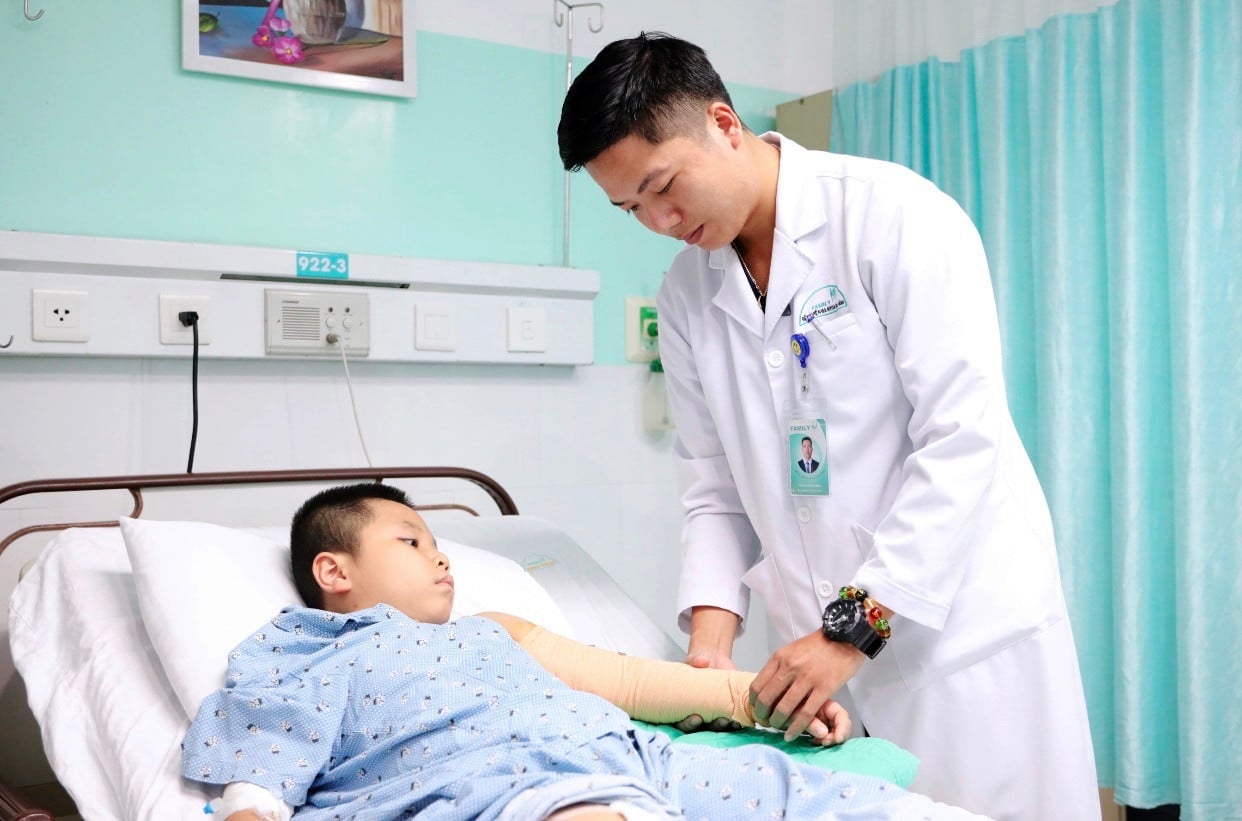
Besides the issue of coordination mechanisms, surveys show that the biggest difficulties currently faced by health centers focus on two aspects: a shortage of specialized personnel and inconsistent infrastructure.
For example, despite being located near the city center, the Lien Chieu Ward Health Station still faces difficulties due to insufficient room size and limited diagnostic equipment.
This situation is even more acute in mountainous areas. In La Ee commune, the health station lacks not only specialized equipment and technology but also personnel. Mr. Tran Ngoc Hung, Vice Chairman of the People's Committee of La Ee commune, expressed his concern, stating that the commune's health station currently has only 8 staff members (including 2 nurses, 2 midwives, 2 community health workers, etc.), with absolutely no doctors.
This creates numerous difficulties in the process of medical examination and treatment for the local people. “For a remote commune like La Êê, the role of the health station in people's health is extremely important. Therefore, the city needs to pay more attention to investing in human resources, medical equipment, and medicines,” Mr. Hùng suggested.
According to the head of the Department of Health, transferring the responsibilities of disease prevention, population management, and the operation of health stations to the People's Committees at the commune level is a significant step forward.
This strong decentralization aims to enhance effectiveness and efficiency, creating optimal conditions for local authorities to mobilize and effectively utilize resources; thereby promoting the fundamental role of primary healthcare.
Discussing the "bottleneck" in human resources, Ms. Le Thi Hoa, Head of the Personnel and Organization Department (Department of Health), frankly acknowledged that the shortage of doctors at commune and ward health stations in the former Quang Nam province is quite serious, especially in remote areas.
According to regulations, each commune-level health station must have at least two doctors; for particularly disadvantaged communes and wards, there must also be at least one doctor, but in reality, it is very difficult to meet this requirement.
To address this issue, Ms. Hoa stated: “From now until the end of 2026, the Department of Health will conduct a review and plan the rotation and placement of doctors in localities to try to meet the target of having 2 doctors per health station as stipulated by the Ministry of Health. The health sector aims to strive to have 4 to 5 doctors per health station by 2027.”
Representatives from the Department of Health informed that the unit is currently urgently developing a plan to develop medical personnel with many special preferential policies. This plan aims not only to attract young doctors to work at grassroots health centers but also to expand the contract mechanism to include retired doctors who are still healthy and dedicated. It is expected that this groundbreaking plan will be submitted to the City People's Council for consideration and issuance of a Resolution at the meeting on July 15, 2026.
Source: https://baodanang.vn/dua-y-te-co-so-den-gan-dan-hon-3342808.html