I only found out what the illness was when I went to the hospital.
After a week in the hospital, Mr. NMB (38 years old, Binh Thanh Ward, Ho Chi Minh City) is still reeling from the shock of his illness. Starting with symptoms of shortness of breath and chest tightness, Mr. B. gradually felt intense pain, like being stabbed with a knife, in his heart.
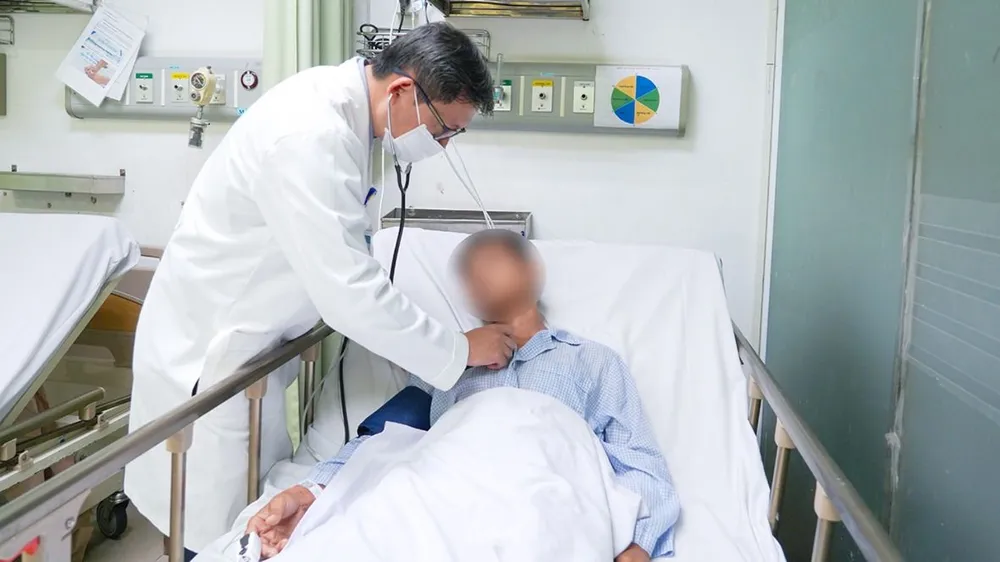
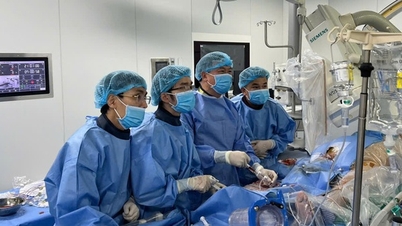
At Gia Dinh People's Hospital (Ho Chi Minh City), he was diagnosed with acute myocardial infarction. Emergency doctors quickly performed coronary artery revascularization within the golden hour, minimizing myocardial necrosis and post-infarction complications. “I had high blood pressure but didn't take medication because I felt healthy. In addition, I had a habit of drinking alcohol and smoking. Only at the hospital did I realize that the illnesses I had accumulated over the years had suddenly flared up,” Mr. B. confided.
Meanwhile, Mr. NNN (45 years old, Long Phuoc Ward, Ho Chi Minh City) suddenly collapsed after experiencing chest pain. At the local hospital, he was diagnosed with acute myocardial infarction and then transferred to Thu Duc General Hospital (Ho Chi Minh City). Examination results showed that 2 out of 3 main blood vessels supplying the heart were completely blocked, leading to progressive heart failure.



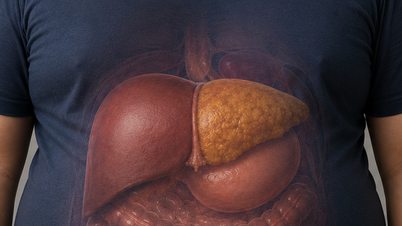
According to Dr. Dang Minh Hung, a specialist at Thu Duc General Hospital, myocardial infarction (heart attack) is a cardiovascular emergency with a very high rate of complications and mortality if not treated within the "golden hour." Every minute wasted results in the necrosis of numerous myocardial cells. Clinical practice shows an increasing number of patients with myocardial infarction at age 40, or even under 30. Previously, this condition was usually only seen in the elderly.
It is preventable.
Noting the trend of this disease affecting younger people, Dr. Chau Do Truong Son, Deputy Head of the Interventional Cardiology Department at Gia Dinh People's Hospital, stated that the hospital treats approximately 350 cases of myocardial infarction annually, averaging 7 cases per week. Many young patients experience cardiogenic shock, cardiac arrest, and respiratory arrest. These cases require long-term treatment, incurring significant costs and leaving lasting sequelae, impairing or completely eliminating their ability to work. Of particular concern is that many young people remain complacent about cardiovascular risk factors in their daily lives.
Dr. Chau Do Truong Son expressed concern that young people are living and working under immense pressure, leading to "burnout," exhausting both mentally and physically. This is quite common in some countries with the "996" work model (working from 9 am to 9 pm each day, 6 days a week). As a result, young people face a series of health risks, especially cardiovascular diseases...
A study of 124 young myocardial infarction patients (aged 18-45) at the University Medical Center of Ho Chi Minh City showed that 90% were male, over 50% smoked, 50% had hypertension, over 30% were obese, and 77% had coronary artery disease. Studies worldwide also indicate that approximately 90% of young myocardial infarction patients have at least one risk factor such as hypertension, dyslipidemia, smoking, obesity, and diabetes.
According to MSc-Dr-Specialist Dao Quang Hoang, Deputy Head of the Department of Cardiology and Geriatrics at Thu Duc General Hospital (Ho Chi Minh City), most risk factors leading to myocardial infarction can be prevented or controlled by adjusting lifestyles appropriately. Specifically, this includes not smoking, including e-cigarettes; maintaining a healthy diet with plenty of green vegetables and fruits, limiting fast food and fatty foods; increasing physical activity to at least 150 minutes per week; effectively controlling blood pressure, blood sugar, and blood lipids; getting enough sleep; and limiting prolonged stress.



"People should proactively undergo regular general health checkups to screen for cardiovascular risk factors early. Those with underlying conditions should adhere to treatment protocols to minimize dangerous complications," said Dr. Dao Quang Hoang. Doctors also noted that people should not be complacent about symptoms such as chest pain, tightness in the chest, shortness of breath, sweating, dizziness, or pain radiating to the jaw, neck, or left shoulder. These could be symptoms of acute myocardial infarction. The faster the emergency treatment, the higher the chance of survival and the lower the risk of long-term complications.
Source: https://www.sggp.org.vn/dung-de-trai-tim-guc-nga-post857564.html
![[Photo] General Secretary and President To Lam attends the Central Public Security Party Committee Conference](https://vphoto.vietnam.vn/thumb/1200x675/vietnam/resource/IMAGE/2026/06/24/1782302063612_a1-bnd-9302-9166-jpg.webp)

![[Photo] The 13th National Congress of the Youth Union conducts personnel work.](https://vphoto.vietnam.vn/thumb/1200x675/vietnam/resource/IMAGE/2026/06/24/1782299943080_ndo_br_1-6868-jpg.webp)

![[Photo] Opening Ceremony of the 13th National Congress of the Ho Chi Minh Communist Youth Union](https://vphoto.vietnam.vn/thumb/1200x675/vietnam/resource/IMAGE/2026/06/24/1782286753905_ndo_br_1-8510-jpg.webp)