

 |
| Dr. Nguyen Thai Chuyen, Lecturer in International Business, RMIT University. |
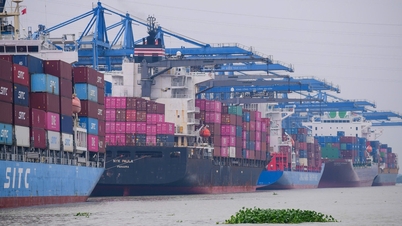
However, the market share of Vietnamese goods in the 27-member EU is only about 2%. Many challenges remain for businesses to leverage the advantages of the Agreement and increase the presence of Vietnamese goods in this high-end, demanding, yet highly potential market.
The World & Vietnam newspaper had an interview with Dr. Nguyen Thai Chuyen, lecturer in International Business at RMIT University, on this topic.
Three years ago, when the Vietnam-EU Free Trade Agreement (EVFTA) was signed, it was considered a "highway" for Vietnamese goods to conquer the demanding but incredibly promising EU market. How do you assess that assessment today?
Over the past three years, Vietnam's exports to the EU have shown significant growth, increasing by 14.2% in 2021 and 16.7% in 2022. However, Vietnamese goods still only account for about 2% of the EU market share.
The value and benefits that Vietnamese businesses gain from export activities remain limited because Vietnamese brands are not yet widely known in European countries. Although some businesses have participated in processing and improving the quality of products for export to the EU, most are still only engaged in processing goods for foreign partners.
Europe is a demanding market with very strict product standards, so Vietnamese businesses wanting to access it need to make efforts to change, adapt, and receive support from regulatory agencies. The advantages from the EVFTA will become less important as competitors in Southeast Asia such as Malaysia and Thailand are moving towards signing FTAs with the EU.
As an expert in this field, how, in your opinion, has the EVFTA contributed to the outstanding achievements in Vietnam's overall GDP growth and, in particular, its exports to the EU?
The complex developments of the Covid-19 pandemic in 2020 and 2021 hindered the recovery of the global economy. Vietnam was severely affected by the pandemic, causing economic growth in 2021 to reach only 2.6%.
However, Vietnam's exports to the EU in 2021 reached US$40.12 billion, a growth of 14.2%. This is an encouraging result given the severe economic downturn in the EU region and the ongoing complexities of the pandemic.
In 2022, Vietnam's GDP growth surpassed 8% for the first time in decades. The achievements of Vietnam's economic recovery are undeniable, although this growth rate is compared to the low base of 2021. Exports from Vietnam to the EU in 2022 reached US$46.83 billion, a 16.7% increase compared to the previous year, contributing to Vietnam's strong GDP growth.
However, the global economic situation continues to face many uncertainties, such as inflation, causing GDP growth in the first quarter of 2023 to be only 3.32% year-on-year, while exports to the EU reached over $10.4 billion, a decrease of nearly 9% year-on-year. Therefore, achieving the targets set for 2023 requires tremendous effort and coordination among relevant ministries and sectors, and especially the concerted efforts of localities, industry associations, and businesses.
The EVFTA covers many product categories with a tariff preference roadmap that is expected to provide advantages for Vietnamese export businesses. In your opinion, which of our products can relatively take advantage of these preferences?
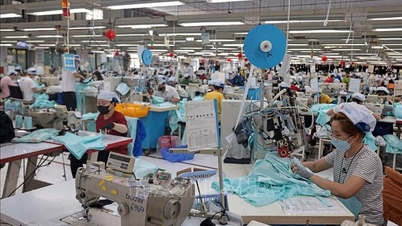
In recent years, many products have been quite successful in taking advantage of the benefits from the Agreement, achieving export turnover of over 1 billion USD/year to the EU market, such as telephones and components, computers, footwear, machinery and equipment parts, textiles, coffee, iron and steel, and seafood.
Most of these items have seen significant growth, especially iron and steel, which grew by over 634% in 2022 compared to 2020 – the year before the agreement.
Are there any other products that haven't met expectations, sir?
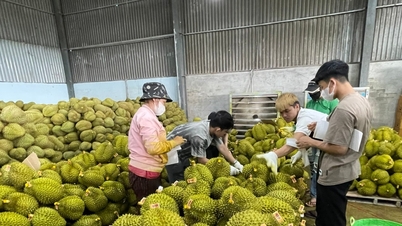
Some of Vietnam's key export items, such as fruits and vegetables, seafood, and rice, have not yet met expectations. Despite relatively good growth, these items currently account for only a very small fraction of the EU's total import value for those goods.
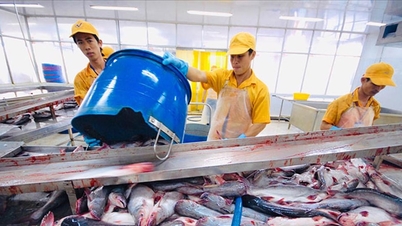
The Vietnamese seafood industry has yet to have its IUU (Illegal, Unreported, and Unregulated) fishing yellow card lifted by the European Commission (EC), leading to numerous challenges for this sector. Therefore, there is still significant potential for Vietnam to export to the EU.
In addition, some items have not shown signs of growth after the Agreement came into effect, such as paper and paper products along with cashew nuts.
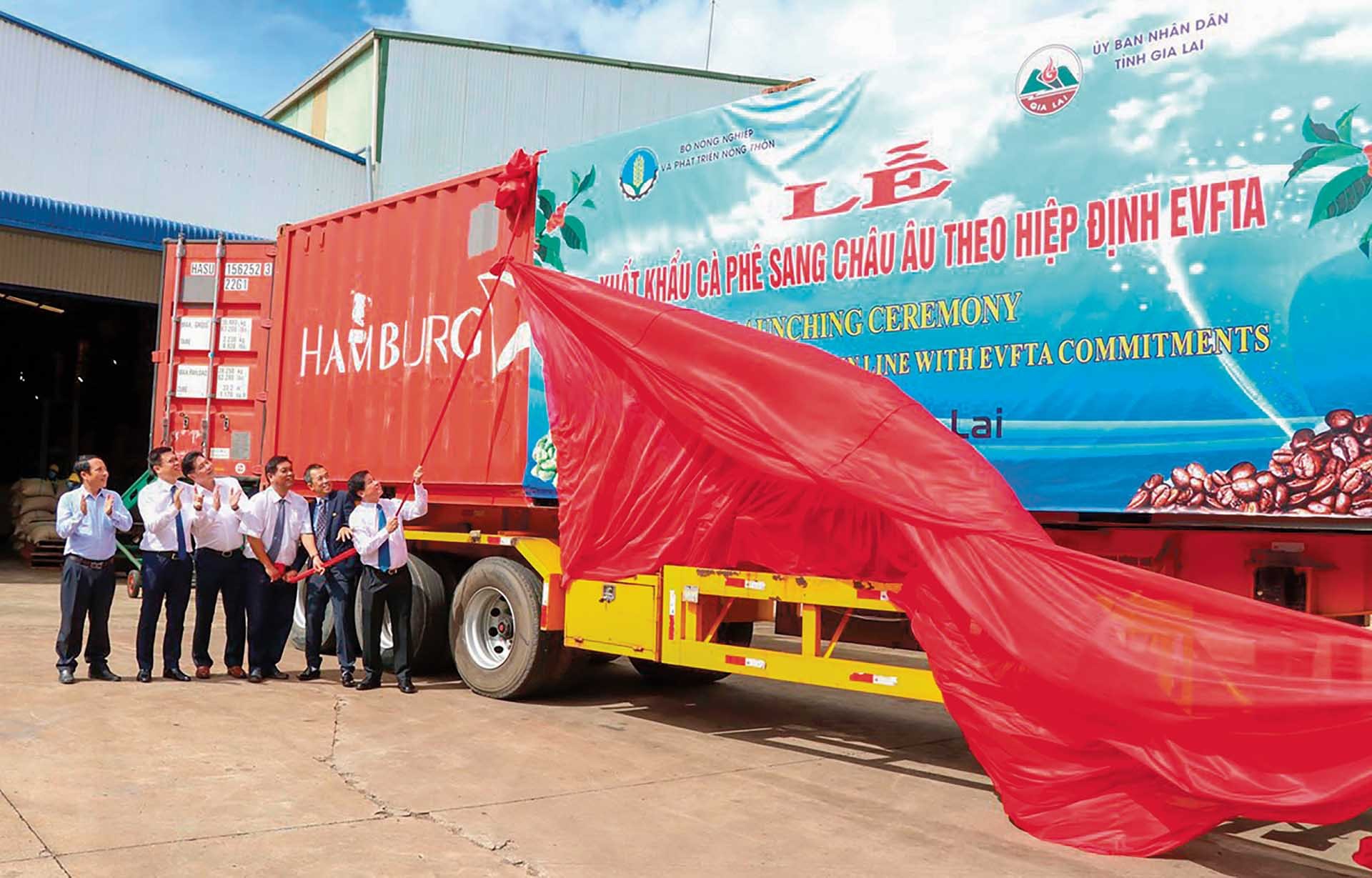 |
| The ceremony marking the export of the first batch of Vietnamese coffee to Europe under the EVFTA agreement took place in Gia Lai on September 16, 2020. (Source: VNA) |
Given those results, what do you think is the most valuable lesson Vietnamese businesses have learned?
To achieve better results, Vietnamese export businesses need to improve the quality of their products and services, and learn and apply the high safety and environmental protection standards required by the EU.
At the same time, businesses need to improve management processes, adopt new technologies, and enhance their capacity for training and developing human resources to adapt to a demanding market like the EU.
Furthermore, Vietnamese businesses need to expand their partnerships and customer base, diversify their distribution channels, and minimize the risks of relying on a single export market.
In reality, many Vietnamese businesses still face considerable difficulties in complying with regulations on the origin of goods, rules of origin, food safety, or competition. So, in your opinion, what should Vietnamese businesses do to overcome these challenges?
Vietnamese businesses need to proactively acquire knowledge and improve their understanding of EU standards and regulations in order to maximize the benefits of the EVFTA agreement.
Furthermore, businesses need to focus on improving management, human resource quality, rapid technological innovation, brand building and development, and establishing long-term business strategies to meet the needs and demands of this 500 million-person market.
Furthermore, it is necessary to strengthen cooperation and linkages among businesses, especially within the framework of associations, as this will be a crucial supporting factor in making the utilization of integration commitments by businesses more effective, safe, and sustainable.
However, many Vietnamese businesses have yet to achieve self-reliance in understanding and utilizing the benefits of the Agreement. According to a survey of business awareness regarding the EVFTA conducted by the Vietnam Chamber of Commerce and Industry (VCCI), although nearly 94% of businesses have heard of or know about the EVFTA, only about 40% of them have a relatively good or clear understanding of the Agreement's commitments to their business operations. Among them, FDI businesses have the highest percentage of those with a fairly good or clear understanding of the EVFTA (43%).
Furthermore, businesses have not yet fully exploited the advantages of this agreement to expand sales to other member countries. Among the 27 EU member states, many Vietnamese businesses mainly trade with only 5-6 countries, while trade with other countries remains very limited.
How do you assess the role and support of state management agencies in bringing the Agreement closer to businesses and making it truly beneficial for Vietnamese exports?
Compared to other FTAs, the EVFTA has been better, more diversely, and more effectively disseminated to businesses by state management agencies. According to a survey on business awareness of the EVFTA conducted by VCCI from May 2022 to the end of August 2022, the percentage of businesses with a relatively good or clear understanding of the EVFTA is significantly higher than with other FTAs. In addition, nearly 41% of businesses have benefited specifically from the EVFTA, while this figure was only about 25% in 2020.
However, currently, the support measures only apply generally to all industries and businesses. State management agencies need to focus specifically on industries with strategic products to fully utilize the benefits of this Agreement.
At the same time, it is necessary to create connections between all entities involved in the implementation of the EVFTA, including agencies from the central to local levels, businesses, and associations, in order to form a mutually supportive chain.
Furthermore, it is necessary to review and improve the legal system, simplify and reduce administrative procedures in the import and export sector, as many businesses still face difficulties with administrative procedures related to this field.
Source
![[Photo] Prime Minister Pham Minh Chinh receives the Chinese Ambassador to Vietnam](https://vphoto.vietnam.vn/thumb/1200x675/vietnam/resource/IMAGE/2026/04/05/1775397481797_ndo_br_dsc-5512-jpg.webp)







































































Comment (0)