

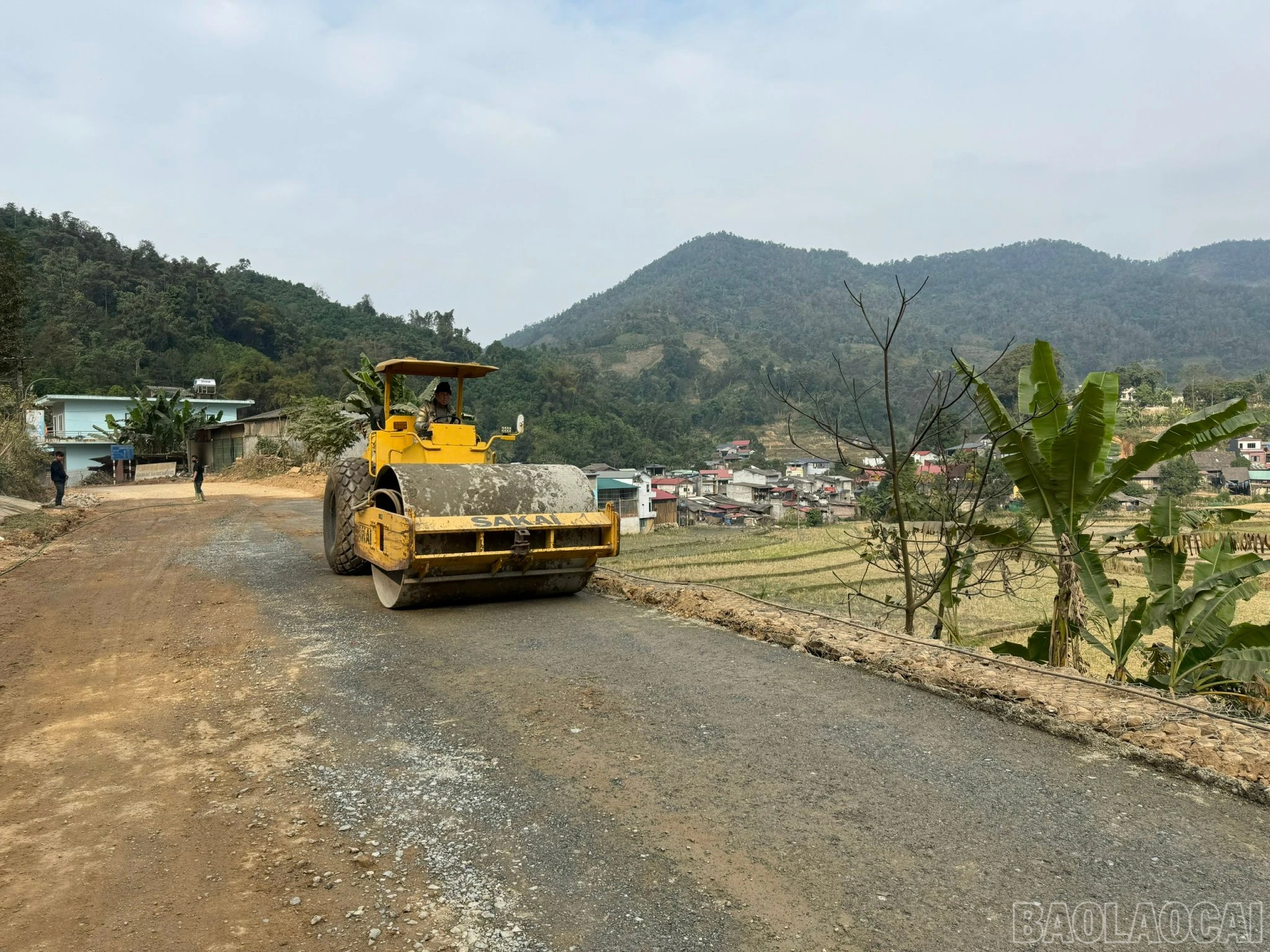
In Muong Bo commune, a locality still facing many difficulties, joy is evident on the faces of the people as construction on Provincial Road 152B resumes in 2025.
On the construction site, the atmosphere is always bustling with activity. Construction units are mobilizing maximum machinery and manpower, taking advantage of every sunny day to accelerate progress. For the local people, each meter of road completed is not just a part of the project, but also a step closer to a convenient and prosperous life.
According to Mr. Nong Van Sang, a long-time resident of Muong Bo 1 village, traffic on Provincial Road 152B used to be difficult due to its narrow and dilapidated condition. Traveling from the villages to the commune center and connecting with neighboring areas was challenging, especially during the rainy season; agricultural product sales were limited; students struggled to get to school; and service activities developed slowly. Now that the road has been upgraded and widened, the local people are extremely pleased.
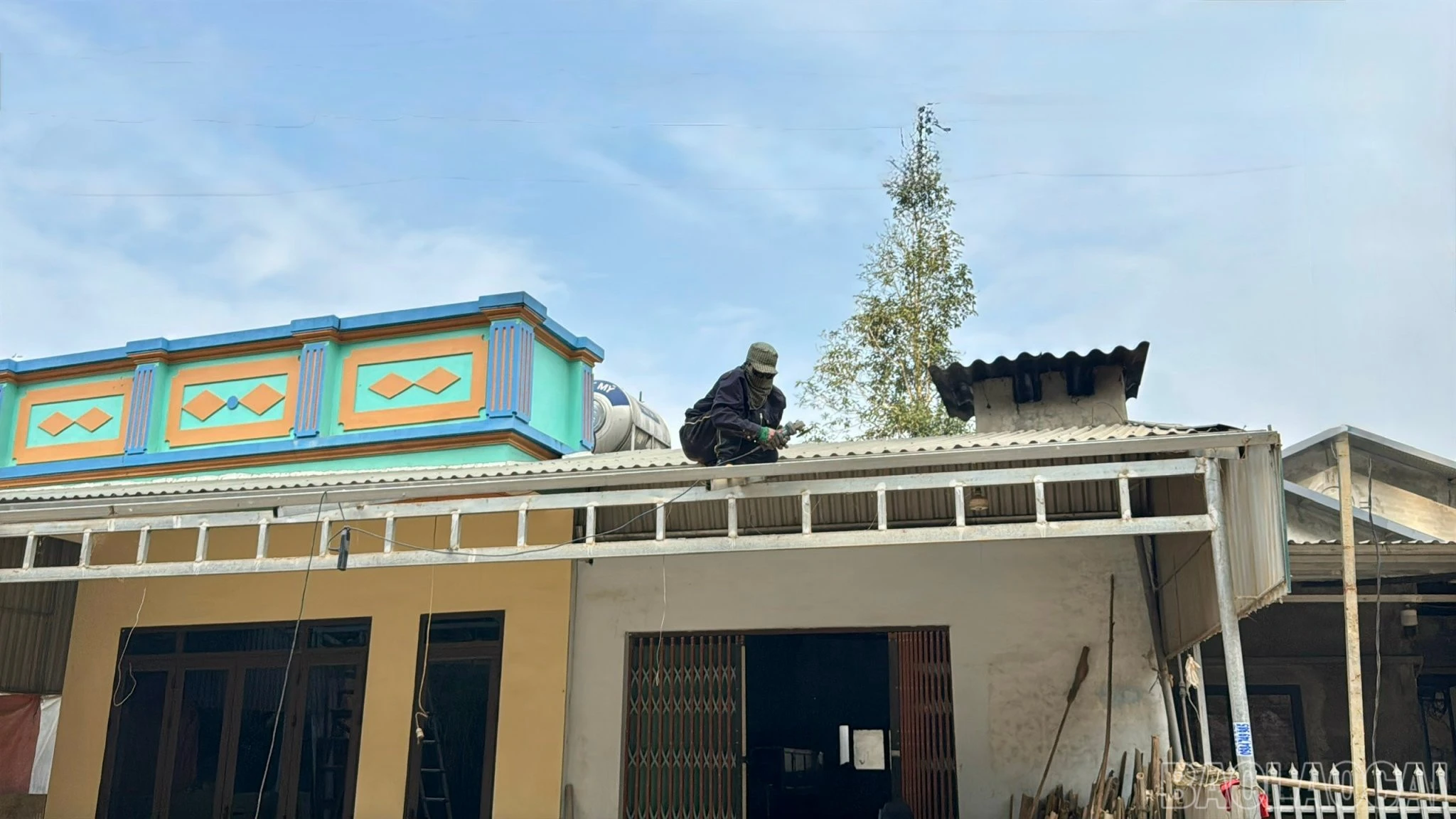
Provincial Road 152B is identified as the "backbone" of Muong Bo commune; therefore, upgrading and improving the road will contribute to transforming the rural landscape, creating momentum for socio-economic development, and opening up favorable conditions for effectively exploiting the local tourism potential - a sector with rich potential but not yet effectively exploited.
This expectation is entirely justified, as Muong Bo possesses many advantages in terms of natural landscapes, cultural identity, and distinctive community life. When transportation infrastructure is improved, these potentials will be "awakened"; tourists will have easier access to the villages, experience local life and cuisine , thereby contributing to a stable source of income for the people.
Not only Muong Bo, but also Y Ty commune – a famous destination in Lao Cai – is witnessing a dramatic transformation thanks to its transportation infrastructure. The Ban Xeo - Muong Hum - Y Ty road, over 33 km long, has been largely completed, with widened and uniformly paved surfaces. The previously winding and treacherous roads are now much safer and more convenient.
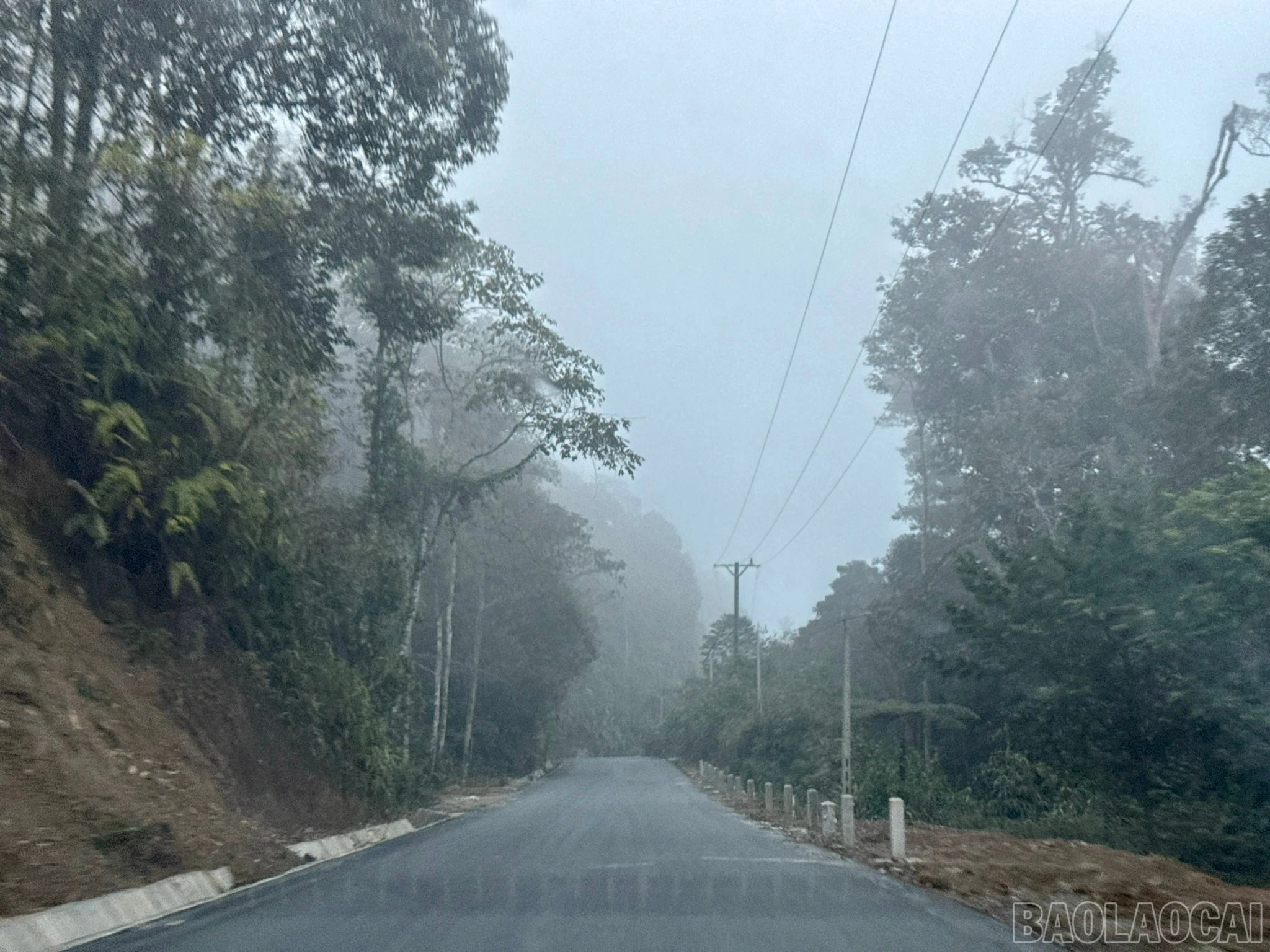
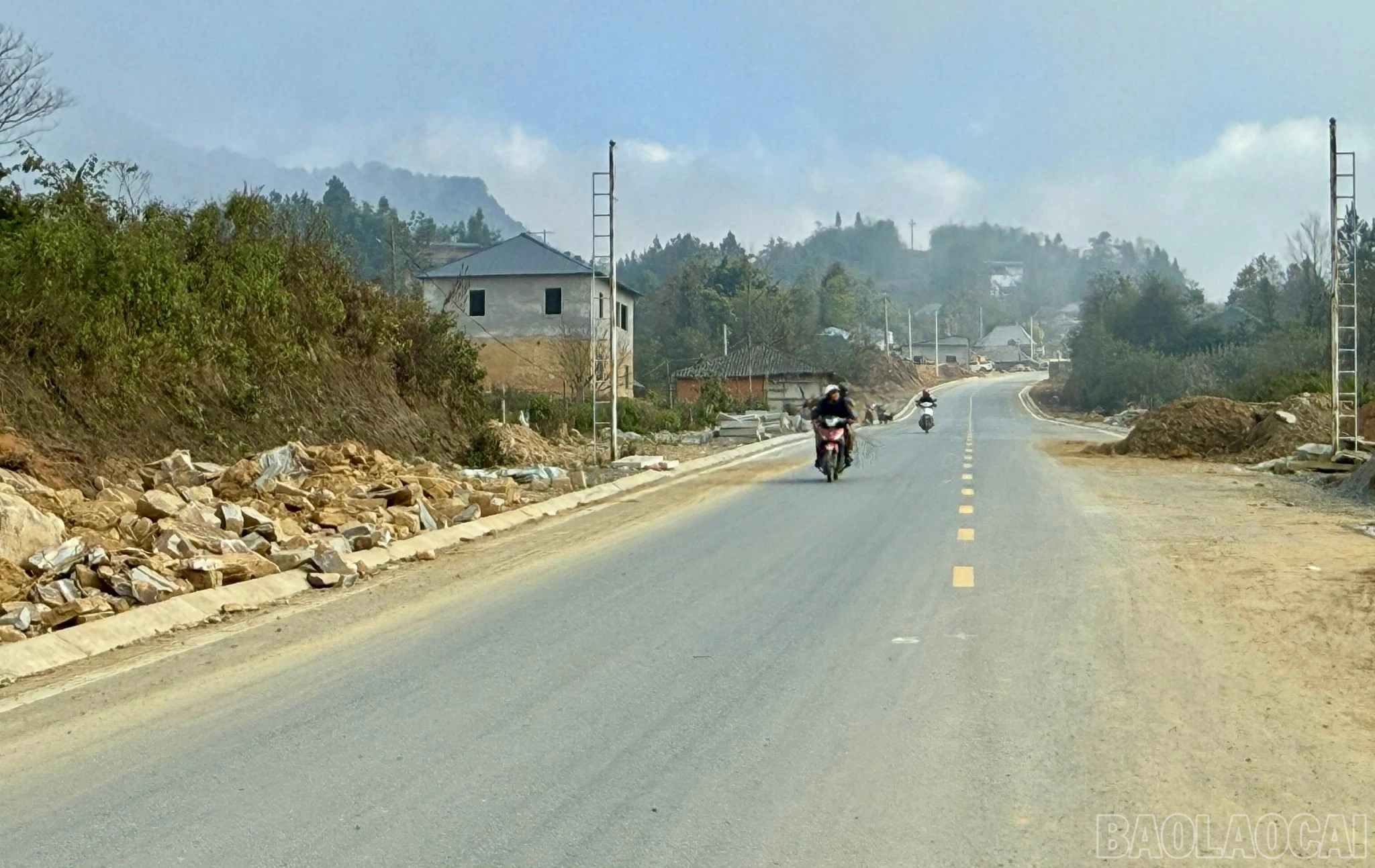
The investment and expansion of transportation infrastructure have created more favorable conditions for travel to the highlands. For those working in tourism, like Mr. Ly Xa Xuy in Y Ty commune, this change is clearly felt.
Y Tý has long been known as a "cloud-hunting paradise" with its pristine and majestic landscape, highlighted by winding terraced rice fields, ethereal sea of clouds, and the distinctive rammed-earth houses of the Ha Nhi people. However, for a long time, difficult transportation conditions have been a barrier, limiting the number of tourists visiting the area.
Currently, with transportation bottlenecks gradually being resolved, Y Tý is facing a breakthrough opportunity. Tourists no longer fear treacherous roads, travel time is shortened, and journeys become more convenient. This not only helps increase the number of visitors but also promotes the development of accommodation, food, and experiential services in the area.
According to Mr. Nguyen Van Tai, Chairman of the People's Committee of Y Ty commune, the completion of the road will enhance tourism connectivity from Sa Pa to Y Ty and surrounding areas.
Connecting with the Sa Pa National Tourist Area is strategically significant, creating opportunities for Y Tý to become an expanded destination in tourists' itineraries, adding more diverse experiential options when visiting Lao Cai.
The stories from Muong Bo and Y Ty show that transportation infrastructure not only serves travel needs but also acts as a crucial "lever" to promote socio-economic development, including tourism. When roads are opened, opportunities open, distances are shortened, and potential is exploited effectively.
However, for tourism to truly become a key economic sector, in addition to transportation infrastructure, localities need to focus on implementing other solutions simultaneously, such as preserving cultural identity, protecting the environment, improving service quality, and prioritizing the training of local tourism human resources.
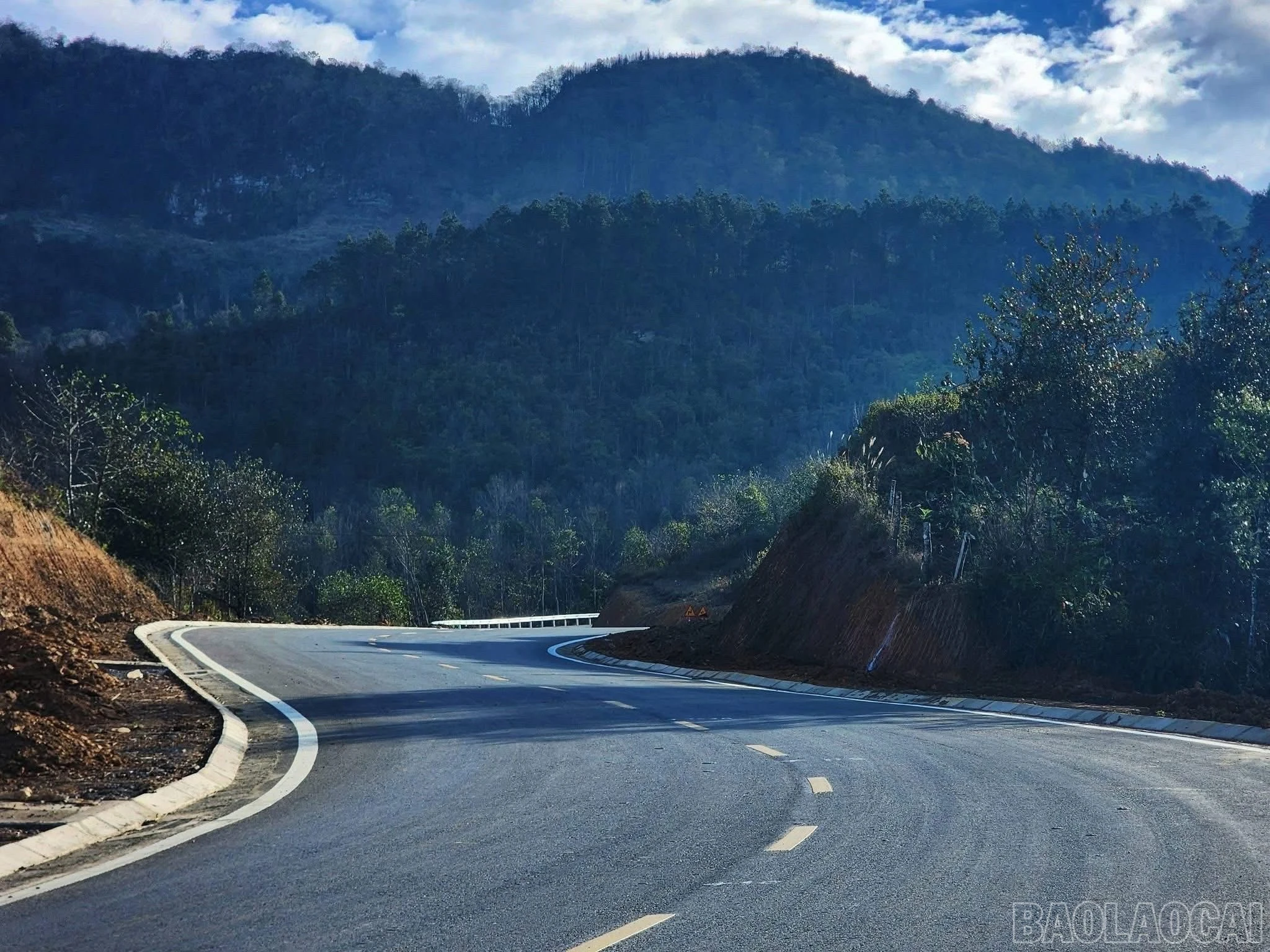
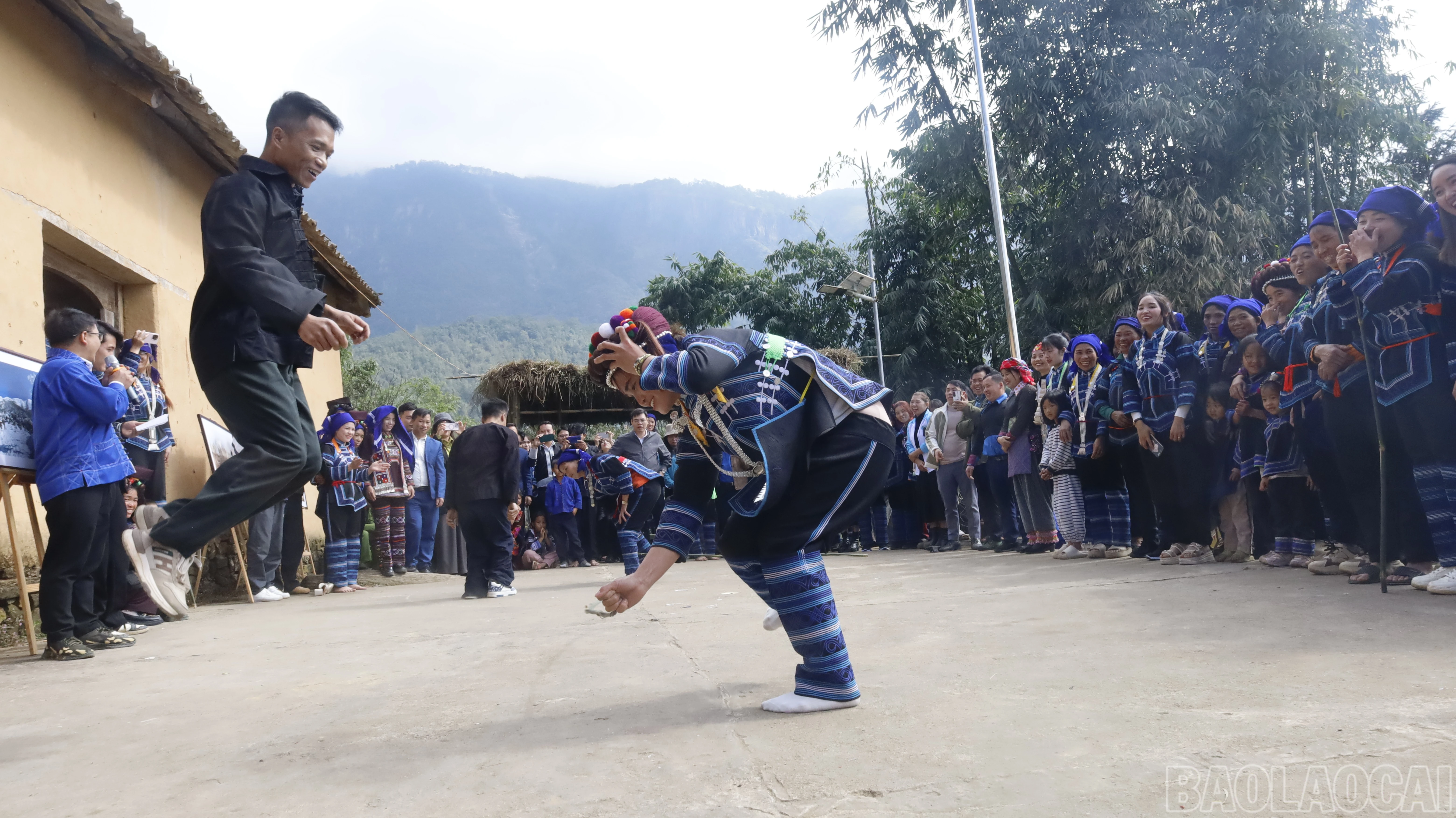
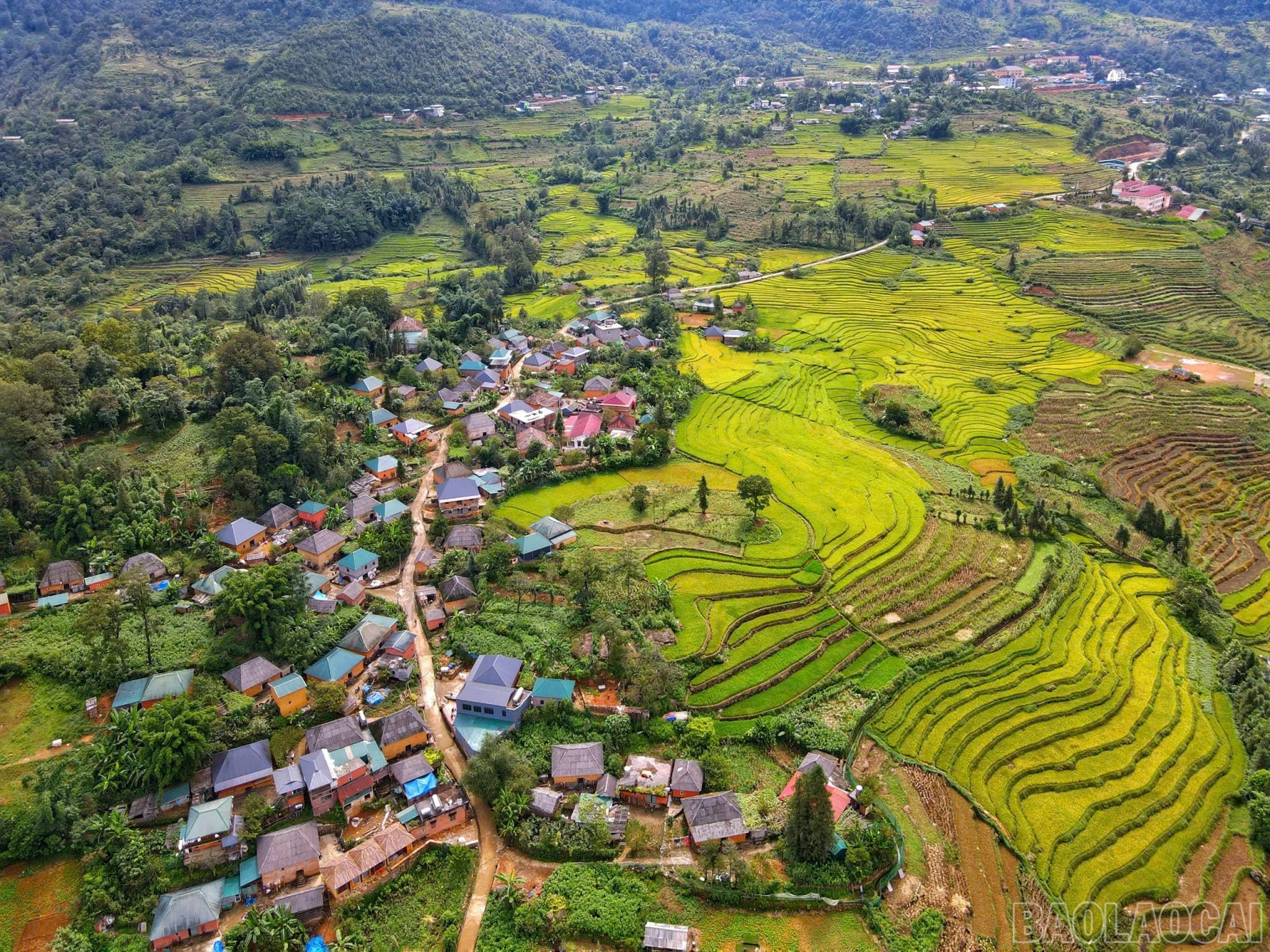
These new routes carry the expectation of change and development. The smooth flow of tourists and goods is clear evidence of the transformation of the highlands. From routes like Provincial Road 152B or Ban Xeo - Muong Hum - Y Ty, new development opportunities are opened up, creating conditions to boost tourism, contributing to improved living standards and creating sustainable livelihoods for the people.
Source: https://baolaocai.vn/duong-lon-mo-loi-phat-trien-du-lich-post897644.html
![[Photo] General Secretary and President To Lam and his wife begin their state visit to China.](https://vphoto.vietnam.vn/thumb/1200x675/vietnam/resource/IMAGE/2026/04/14/1776133794926_z7723148772587-ffefa3c4b1e54e100de1554593a862c6-jpg.webp)
![[Image] Expediting land clearance at Alley 310 Nghi Tam to facilitate the construction of Tu Lien Bridge](https://vphoto.vietnam.vn/thumb/1200x675/vietnam/resource/IMAGE/2026/04/14/1776160406551_ndo_br_z7724148990408-9e5d4777e3c4504998b4286178b2e66e-jpg.webp)
![[Photo] General Secretary and President To Lam visits and delivers a policy speech at Tsinghua University.](https://vphoto.vietnam.vn/thumb/1200x675/vietnam/resource/IMAGE/2026/04/14/1776164592318_vna-potal-tong-bi-thu-chu-tich-nuoc-tham-va-phat-bieu-chinh-sach-tai-dai-hoc-thanh-hoa-trung-quoc-8700658-5437-jpg.webp)

















![[Photo] General Secretary and President To Lam receives Slovak Prime Minister Robert Fico](https://vphoto.vietnam.vn/thumb/1200x675/vietnam/resource/IMAGE/2026/04/13/1776080592076_a1-bnd-8227-6002-jpg.webp)




































Comment (0)