|
Not every family needs a large-capacity refrigerator. Choosing the right one can help save electricity and optimize storage space. Photo: Getty Images . |
According to guidelines from the Ho Chi Minh City Power Company, refrigerators are one of the electrical appliances that operate continuously 24/7 in a household. Electricity costs for refrigerators can account for approximately 16-22% of total annual electricity consumption. Therefore, choosing the right capacity and using it efficiently not only saves electricity but also improves food preservation.
Many people have a habit of buying large-capacity refrigerators with the thought that "it will last a long time and they won't have to replace it." However, this is not necessarily the optimal choice, especially for families with few members.
Choose refrigerator capacity based on the number of people.
According to EVN's guidelines, refrigerator capacity should be calculated based on the number of family members and the frequency of grocery shopping.
For households with fewer than 3 people who shop daily, a suitable capacity is around 100-110 liters. If grocery shopping is done every two days, the capacity can increase to 120-130 liters. If grocery shopping is only once a week, a refrigerator with a capacity of 180-200 liters is recommended.
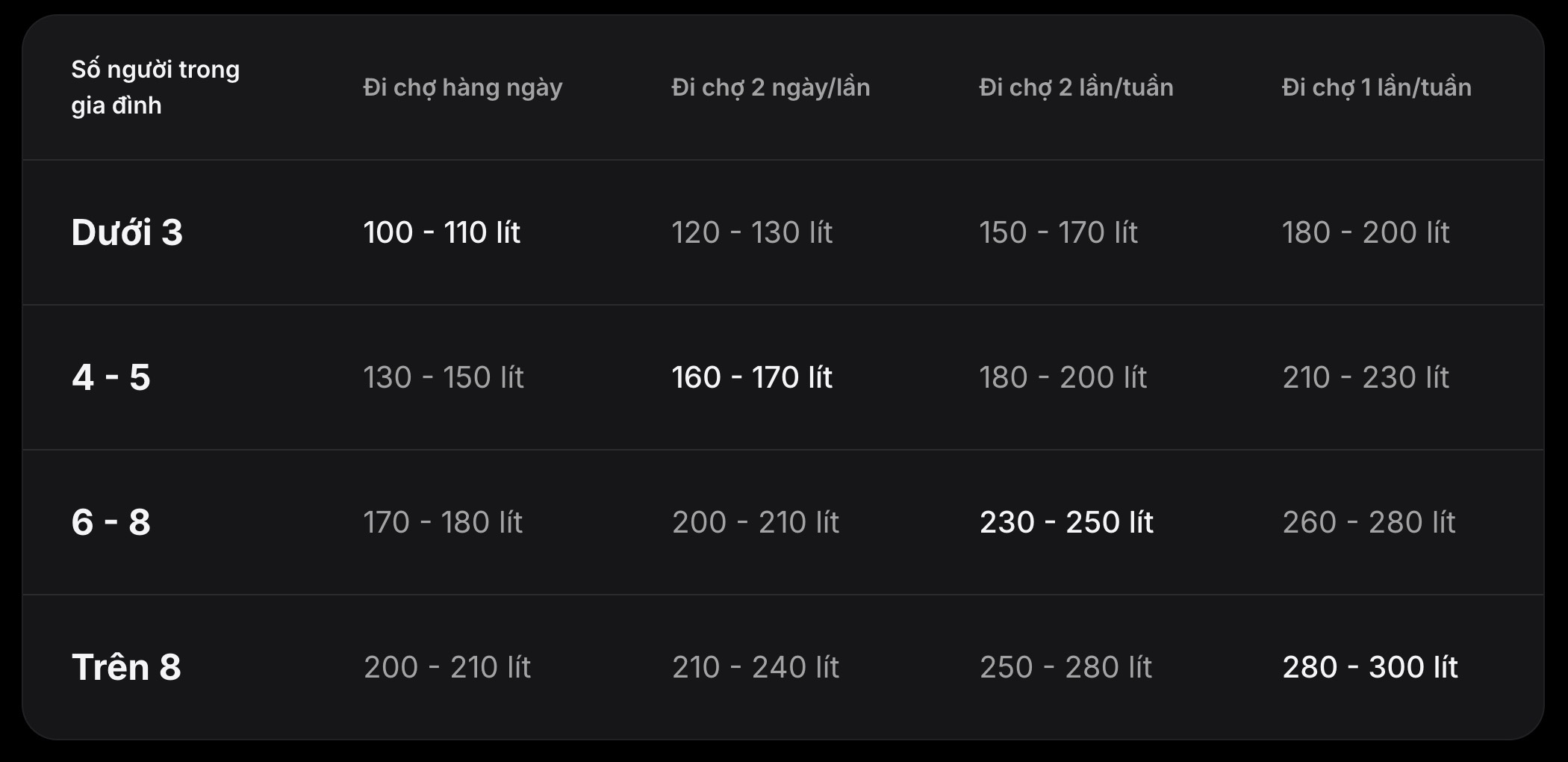 |
We recommend air conditioner capacities suitable for each family. |
For families of 4-5 people, a suitable capacity ranges from 130-230 liters depending on how often they buy groceries. For families of 6 or more people, it is advisable to prioritize refrigerator models with a capacity of 250 liters or more to meet the needs of storing large quantities of food.
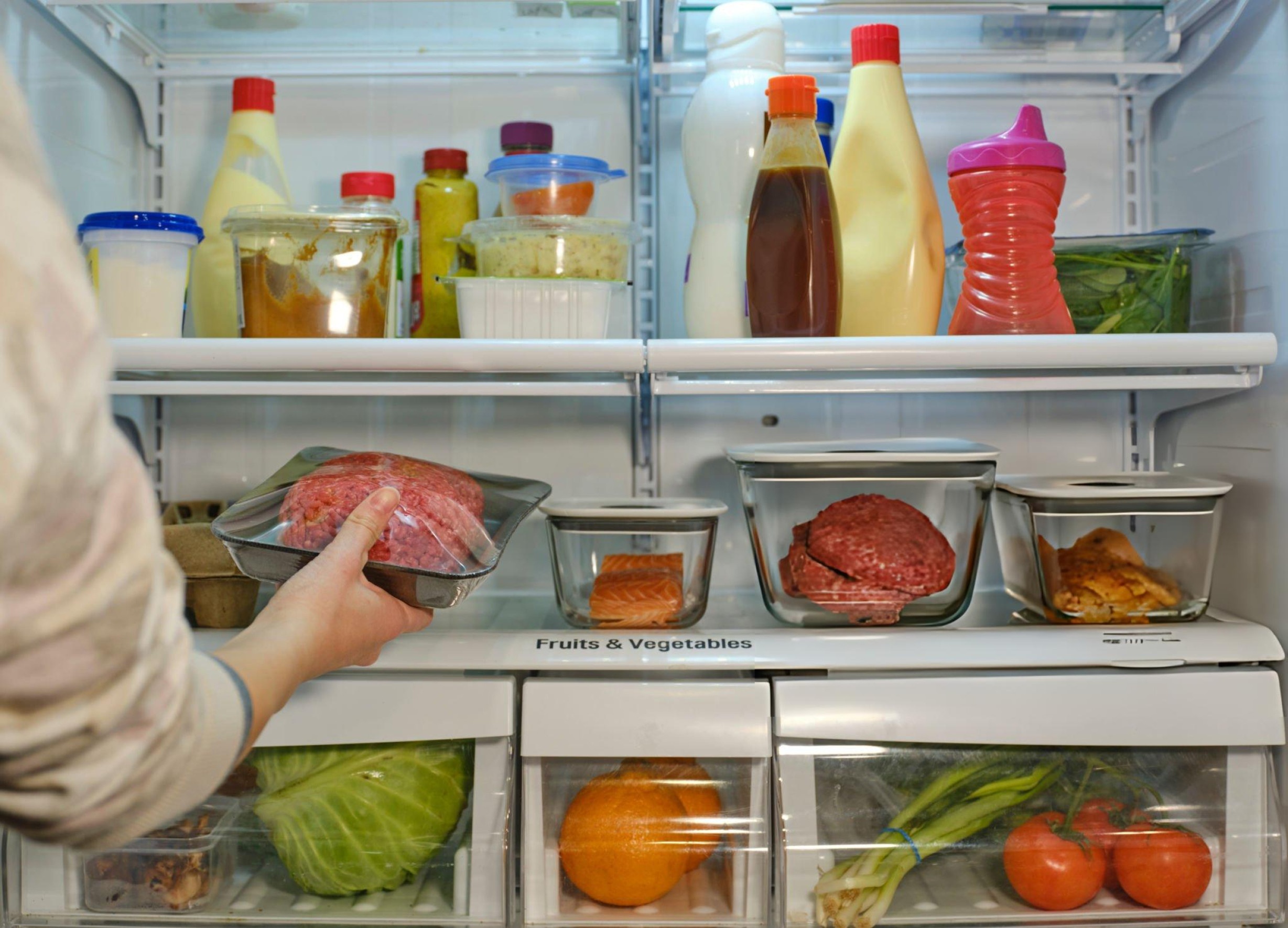 |
Food storage needs are one of the important factors when choosing refrigerator capacity. Photo: Getty Images. You may also like  Hanoi is piloting the use of UAVs for transporting blood, specimens, and test samples.Hanoi's health sector has been testing the application of unmanned aerial vehicles (UAVs/drones) in transporting blood, specimens, test samples, etc., to shorten transportation time and ensure timely and safe emergency response and treatment for the people.  Digital government reaches villages in border regions.A streamlined and smoothly operating administrative apparatus enhances the effectiveness and efficiency of management, creating a foundation for digital transformation to enter daily life and helping ethnic minority communities easily access online public services.  Google warned more than 11 million people before the earthquake struck Venezuela.The Google Earthquake Alerts system sent earthquake warnings to more than 11 million Venezuelans before the strong tremors occurred on June 24. |
According to the power company's documentation, using a refrigerator that is too large for actual needs does not offer many benefits. The excess space forces the appliance to cool a larger volume than necessary, increasing energy consumption while the efficiency is disproportionate.
Besides capacity, users should also prioritize refrigerator models with a 5-star energy rating and using inverter compressor technology. According to EVN, this technology can help save approximately 25-30% of electricity compared to conventional refrigerators.
Another noteworthy point is that refrigerators with multiple compartments or doors can help reduce cold air loss during use. Users only need to open the compartment containing the food they need instead of opening the entire refrigerator compartment.
Use electricity properly to avoid wasting it.
Even if you choose the right capacity, your daily usage habits still significantly impact your electricity consumption.
EVN advises users not to put hot food into the refrigerator. Sudden increases in temperature and humidity will force the compressor to work harder to bring the temperature back to the set level. Food should also be wrapped tightly before storage. This not only helps to limit odors but also reduces the amount of moisture generated inside the refrigerator, thereby reducing the load on the cooling system.
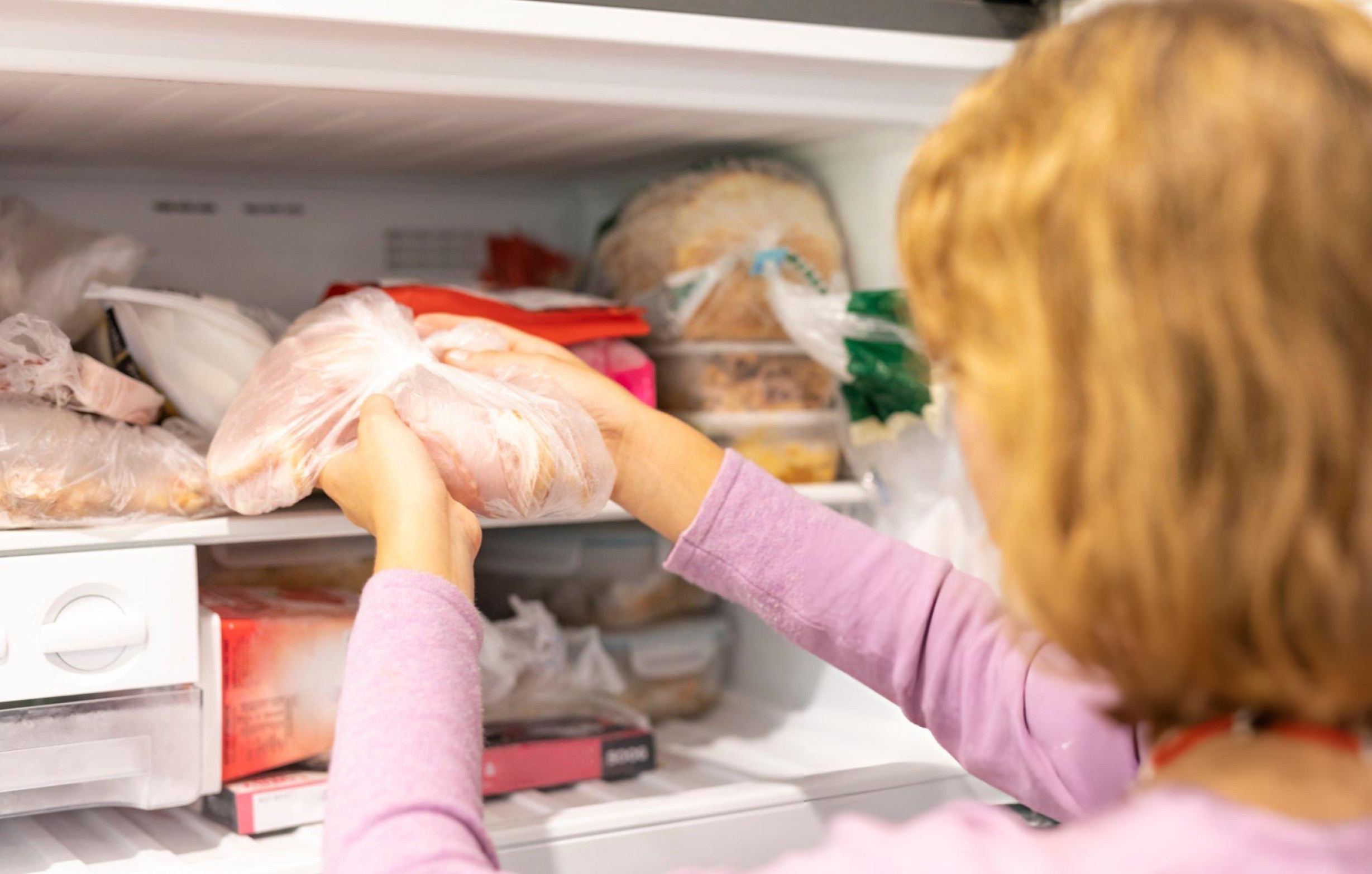 |
Moisture generated from food that isn't properly sealed can cause the refrigerator to work harder to maintain a stable temperature. Photo: Getty. |
Regarding operating temperatures, EVN recommends maintaining the fresh food compartment (egg, milk, and cooked food) at around 4°C, the refrigerator compartment (for meat and fish stored for the day) at around 2°C, and the vegetable and beverage compartment at around 12°C. For long-term freezer storage, the reference temperature is -18°C, while short-term freezing, such as for making ice or storing ice cream, should be maintained at around -8°C. Users should also avoid setting the refrigerator to the coldest setting unless absolutely necessary. For most household refrigerators, setting 3 or 4 is usually sufficient for effective food preservation.
Additionally, avoid leaving the refrigerator door open for too long or opening and closing it repeatedly, as hot air from outside will rush in, causing the cooling system to work harder. EVN recommends cleaning the condenser coil 1-2 times a year by unplugging the refrigerator and using a soft brush or dry cloth to remove dust and dirt. Accumulated dust can reduce heat exchange efficiency and cause the refrigerator to consume more electricity.
In addition, it's very important to regularly check the door seal (the soft rubber layer running along the edge of the refrigerator door) because a leaky seal will cause continuous loss of cold air.



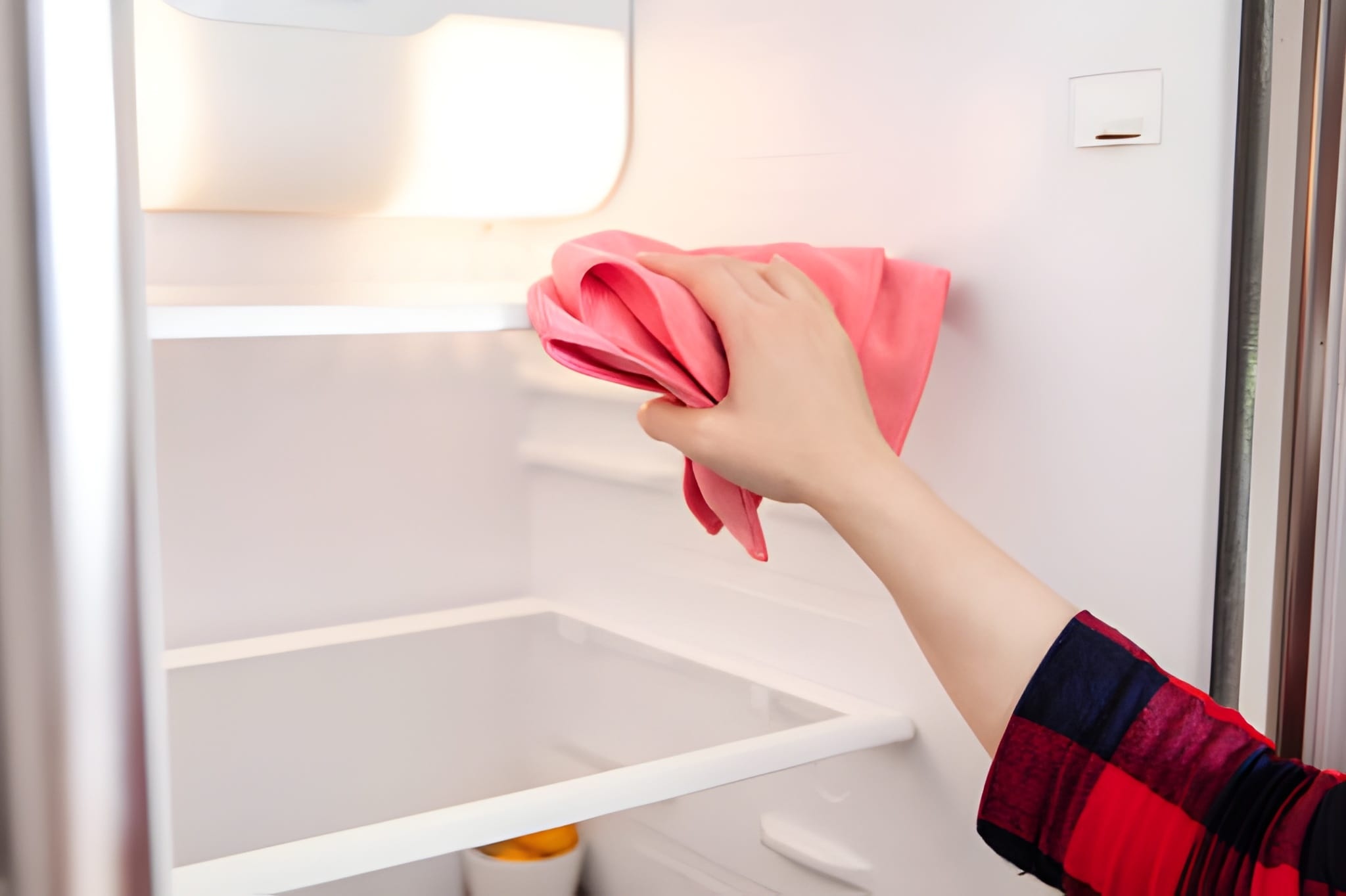 |
Regular maintenance also significantly impacts the operating performance of a refrigerator. Photo: Getty Images. |
Refrigerators should be placed in a well-ventilated area, 15-20 cm away from the wall, and away from direct sunlight or heat sources such as stoves to ensure the cooling system operates more efficiently.
Appropriate capacity, temperature settings, and usage habits are the factors that determine a refrigerator's actual electricity consumption. For an appliance found in almost every household, these small adjustments can have a significant impact over many years of use.
Source: https://znews.vn/evn-canh-bao-ve-viec-chon-tu-lanh-post1660185.html


![[Photo] National Assembly Chairman Tran Thanh Man attends the Conference to announce the Master Plan for Hanoi Capital City with a 100-year vision.](https://vphoto.vietnam.vn/thumb/1200x675/vietnam/resource/IMAGE/2026/06/29/1782709639728_ndo_br_1-jpg.webp)










































































![[Image] Building an elevated road through the Ma Da forest.](https://vphoto.vietnam.vn/thumb/402x226/vietnam/resource/IMAGE/2026/06/29/1782724737750_anh-man-hinh-2026-06-29-luc-16-18-43.png)