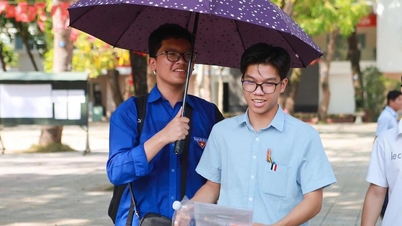
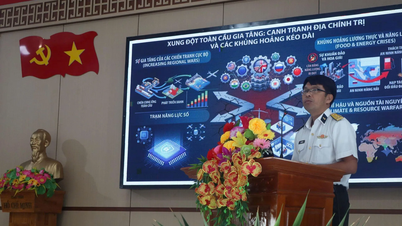
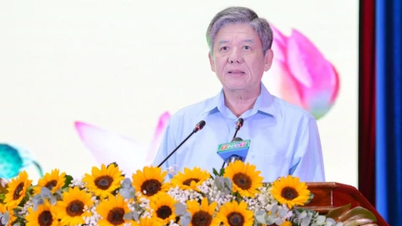
Mr. Son stated that this research, conducted by him and his colleagues, is based on the results of a survey of 181 middle school students in grades 6, 7, and 8 who selected 10 expected things from a scale of 76 surveyed.

As a result, 92.8% of students wished their teachers would smile more; 84% wished their teachers would gently guide them when they made mistakes; and 82.4% wished their teachers wouldn't criticize them in front of their classmates or other people.
"Does this result perhaps reflect the continued existence of 'torturous' homeroom classes and stressful weekly flag-raising ceremonies?" Mr. Son wondered.


Next, 82.4% of students want learning to be interspersed with play, exchange, and discussion; 75.4% also stated that teachers should not emphasize rote memorization too much. 74% also want teachers to avoid repeatedly emphasizing the importance of a subject; 70.2% want more rewards, praise, and encouragement rather than punishment; 66.3% want less homework if possible; 62.4% want more practical activities, exploration , and field trips; and 60% want acceptance of thoughts and behaviors that are not in line with others' expectations.

82.4% wish that teachers wouldn't criticize them in front of friends or other people.


According to Mr. Son, the research team will continue to conduct surveys on high school students in the near future. These surveys will serve as a foundation for the research team to propose changes in education .


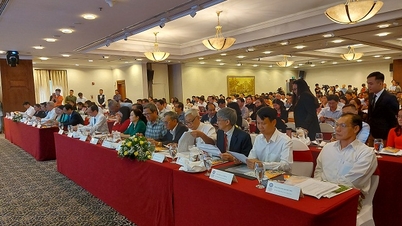
With the theme "Acting for Student Happiness," Associate Professor Dr. Huynh Van Son stated that the seminar aimed to identify the "true nature" of students' happiness today and their expectations in the process of education and self-education. From there, it proposed specific activities for educational forces to actively support students in their journey of growth and finding happiness. In this spirit, it affirmed the responsibility of adults and teachers towards students, contributing to enhancing the ethical values of the teaching profession and the responsibility of administrators and related forces.



Le Phuong
Source: http://laocai.edu.vn/chuyen-de-gddt/gan-93-hoc-tro-mong-thay-co-cuoi-nhieu-hon-352198


![[Photo] Strengthening character and expertise: Intense training for artillery soldiers.](https://vphoto.vietnam.vn/thumb/1200x675/vietnam/resource/IMAGE/2026/06/30/1782815602541_lu-368-1875-4571-jpg.webp)