

 |
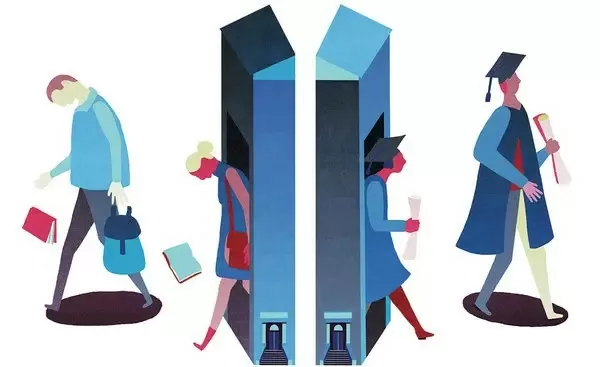
| The role of education today is to create a humane educational ecosystem. (Illustrative image. Source: Shutterstock) |
In the face of unpredictable global changes, Gen Z needs long-term "core skill sets" to adapt and thrive, rather than chasing short-term trends. On International Education Day (January 24th), World and Vietnam Newspaper presents the perspectives of two education experts on this generation.
Essential skills for Gen Z
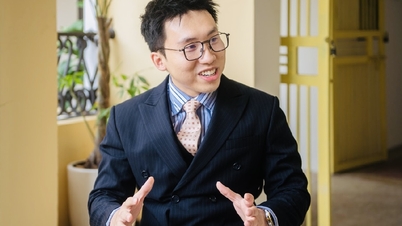
Dr. Bui Phuong Viet Anh, Director of the Institute for Strategic Management and International Human Resources (SHRM Institute) and General Director of EAS Vietnam.
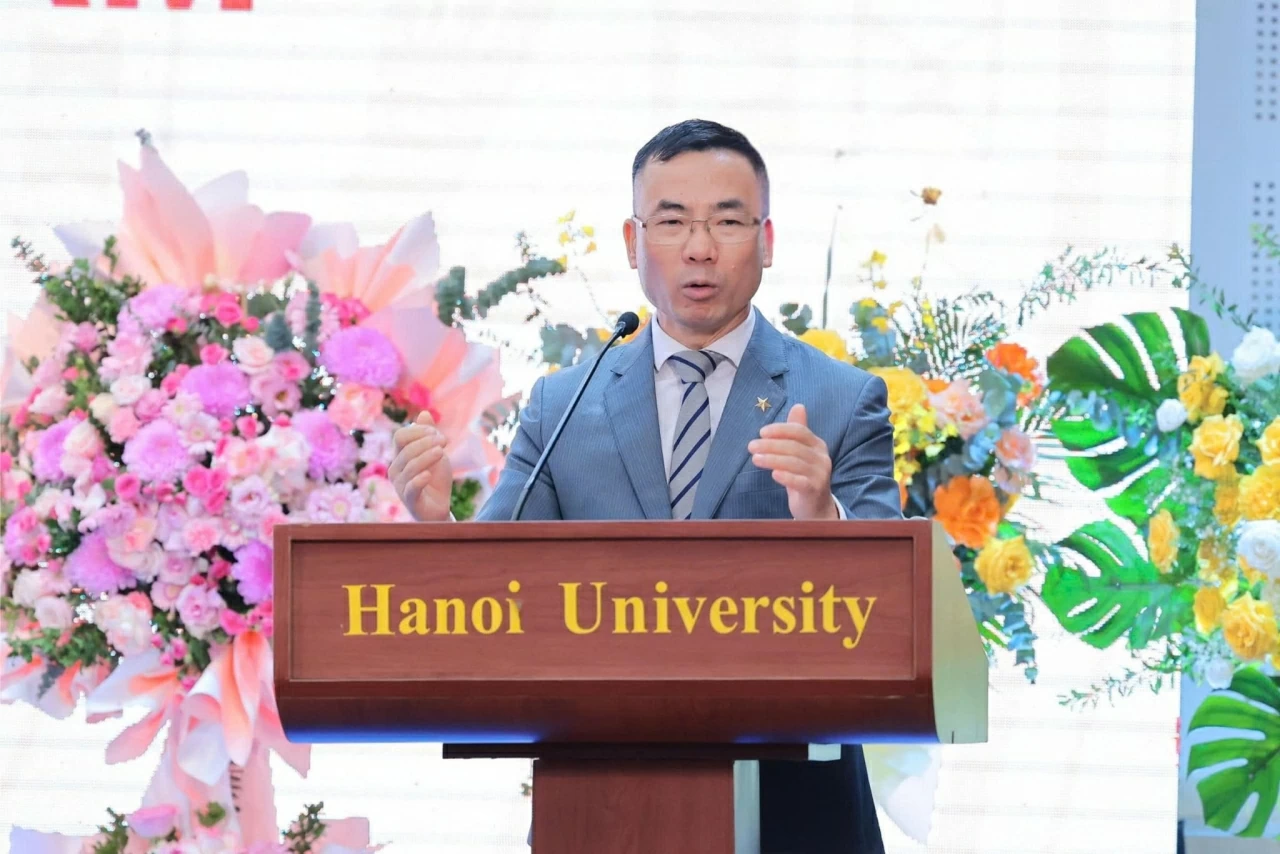 |
| Dr. Bui Phuong Viet Anh. (Photo courtesy of the interviewee) |
In my opinion, to adapt and integrate into the development process, Gen Z needs several core skill sets. First and foremost is systems thinking and lifelong learning, because continuously updating knowledge and skills has become an essential requirement in the self-improvement process. Along with that is the ability to adapt and manage risks, helping Gen Z proactively face the constant changes in their living and working environment.
In the context of the ongoing technological revolution, Gen Z also needs ethical thinking and a sense of responsibility in the digital society, on cross-border platforms. Furthermore, communication skills, foreign language proficiency, cultural understanding, and the ability to integrate and cooperate are particularly important in a flat world. Moreover, personal resilience is a crucial requirement for Gen Z to withstand pressure, challenges, and unpredictable risks.
"Attitude over skill" is a common belief among Gen Z. In a world of information overload, chaos, and a multipolar world that demands collaboration, a positive attitude helps Gen Z improve their ability to make effective judgments and decisions.
To cultivate these attitudes and competencies, education needs comprehensive reform, from philosophy to implementation methods, to train Gen Z citizens who are more adaptable and creative. Education needs to shift from learning for exams and chasing degrees to building knowledge; from one-way transmission of knowledge to encouraging self-learning and self-accumulation in a scientifically guided and controlled environment. Schools must be places where learners can experience, discover themselves, dare to be different, dare to try, and accept mistakes.
In this process, the role of educators also needs to change, from transmitters of information to guides and partners who help learners solve problems. Given the demands of today's world, education needs to advance further in its mission of creating value, connecting academia with practice, increasing its applicability and practical application. At the same time, it needs to update content, innovate approaches and assessment methods, aiming to cultivate attitudes, behavioral competencies, and adaptability for life and future employment.
Equip yourself with courage and moral values.
Dr. Pham Hoang Manh Ha, lecturer at Thanh Hoa University of Culture, Sports and Tourism.
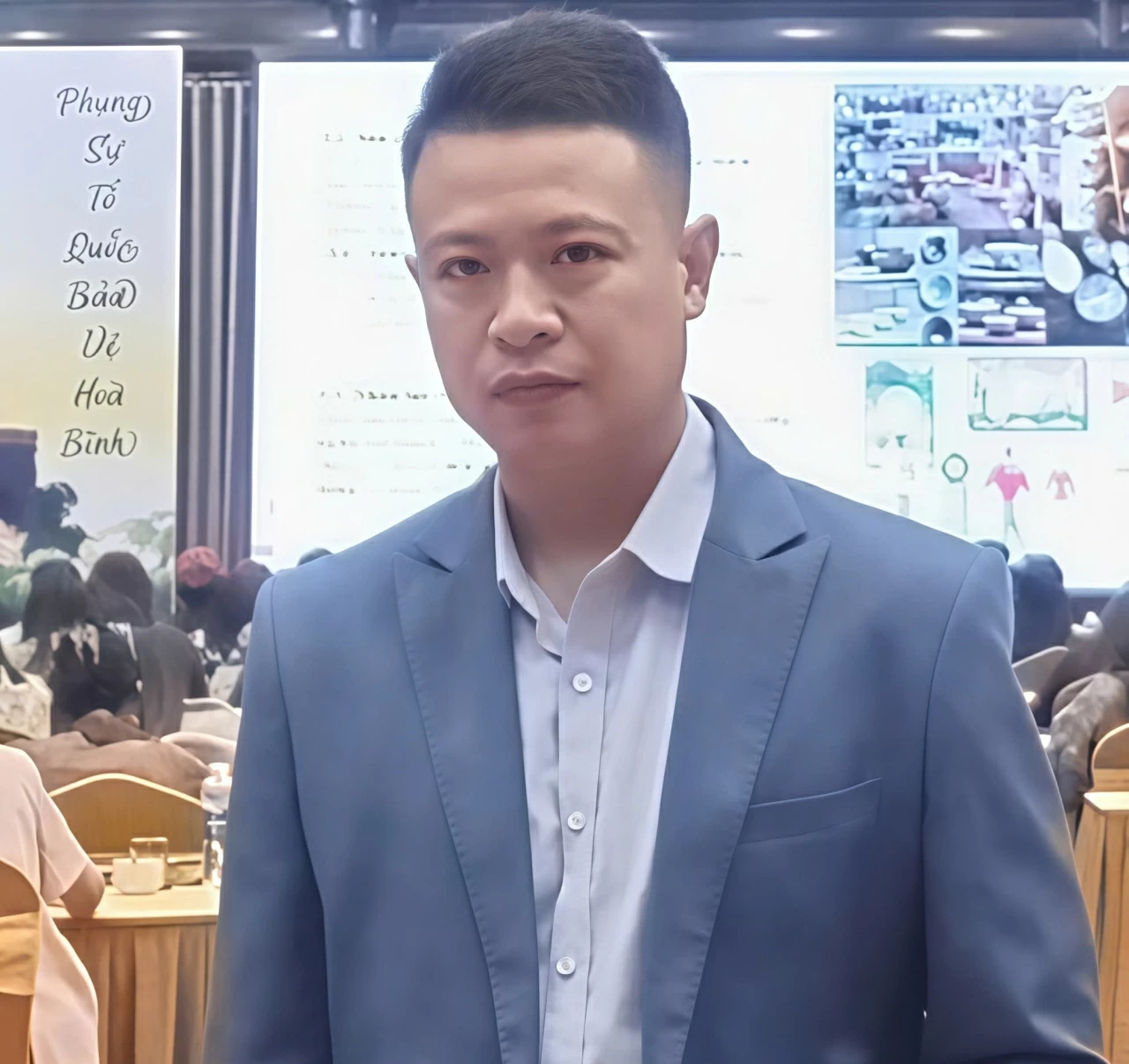 |
| Dr. Pham Hoang Manh Ha. (Photo courtesy of the interviewee) |
Today, Generation Z faces challenges not only in their careers or technology, but more profoundly, in their personal character. Therefore, discussing the fundamental skills and qualities of Gen Z is essentially about shaping individuals capable of self-direction within the ever-changing landscape of the times. Critical thinking and systems thinking are core foundations. In a sea of multifaceted information, where truth and falsehood are intertwined, Gen Z needs the ability to question, analyze context, and identify the essence of issues instead of passively receiving knowledge.
Systems thinking helps students see the connection between the individual and the community, thereby making choices that are not only right for themselves but also socially responsible. Another factor is the capacity for lifelong learning coupled with adaptability. In an era where degrees are no longer a "guarantee" for the future, a continuous learning attitude and a willingness to change are the most sustainable "capital." Self-learning is not just a skill, but a life attitude: daring to admit one's ignorance, daring to learn again from scratch, and daring to step outside one's comfort zone to grow.
Furthermore, emotional intelligence and intercultural communication skills should be valued as highly as professional competence. International integration is not just about using foreign languages or technology, but about empathy, respect for differences, and cooperation in diversity. A successful Gen Z in the future will be one who knows how to balance reason and emotion, competition and humanity, self-affirmation and community service.
Ultimately, the core remains values and moral character. In a volatile world, only those with a solid foundation of values such as honesty, responsibility, and a desire to contribute will not be led astray. Therefore, equipping Gen Z is not just about preparing them for work, but more importantly, helping them understand "who they are" and "what they are learning for" in a rapidly changing world.
With knowledge accessible anytime, anywhere, the core value of modern education lies in fostering open-mindedness, a sense of responsibility, and global citizenship in Gen Z – the force directly shaping the future. Schools play a crucial role in opening up thinking, helping learners overcome linear thinking, and developing independent thinking skills through learner-centered methods that encourage debate, research, and experiential learning.
Through community engagement activities, civic education, and sustainable development, Gen Z becomes acutely aware of the relationship between rights and responsibilities, between personal success and the common good, thereby developing a sense of responsibility for their choices and the social impact of those choices. In this process, schools play a crucial role as a "launching pad" for developing global citizenship skills.
Global citizens are individuals with a strong cultural foundation, the ability to integrate, and a sense of humanity. Through intercultural education, foreign languages, technology, and universal values such as peace, respect, and cooperation, schools help Gen Z broaden their worldview while fostering a deep sense of responsibility towards their nation and humanity. Therefore, the role of education today is not limited to simply "teaching literacy" or "teaching skills," but rather to creating a humane educational ecosystem.
Source: https://baoquocte.vn/gen-z-can-know-349933.html
![[Photo] General Secretary and President To Lam presides over a working session with the Central Policy and Strategy Committee on the development of the materials industry.](https://vphoto.vietnam.vn/thumb/1200x675/vietnam/resource/IMAGE/2026/05/21/1779359935432_a3-bnd-3129-1412-jpg.webp)





























































Comment (0)