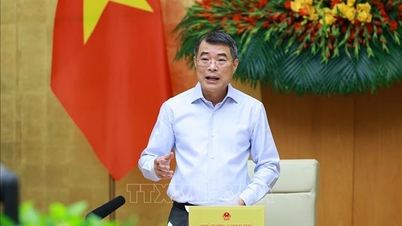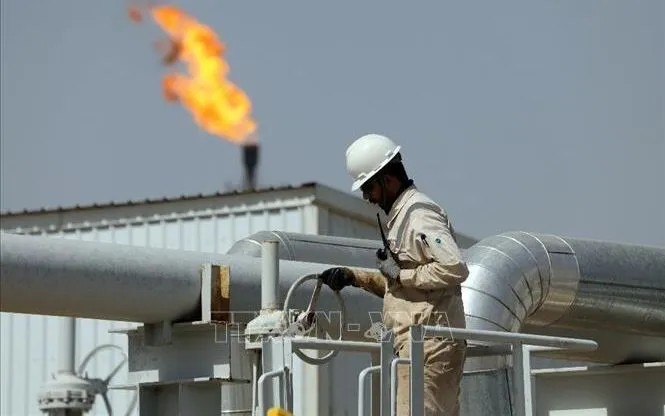
Oil prices fluctuate according to developments in Middle East negotiations - Photo: THX
After some interruptions, the US and Iran have officially restarted peace talks. On the US side, Vice President JD Vance flew to Switzerland to participate in the negotiations, while Iran's parliament speaker and foreign minister are in attendance. The prime ministers of Pakistan and Qatar are also participating as mediators.
Despite these new developments, the oil market generally remains cautious. Opening the new week's electronic trading session a few hours ago, US WTI crude oil prices rose by approximately 3% to near $79 per barrel. In Asia, Brent crude futures rose $1.09 (1.35%) to $81.66 per barrel at 5 AM (Vietnam time) after touching a high of $82.30 per barrel earlier in the session. Prior to this, oil prices had also experienced significant volatility following news from peace negotiations.



The signing of a temporary agreement between the US and Iran, allowing the Strait of Hormuz to reopen, boosted investor sentiment, causing Brent crude prices to fall by more than 8% for the week. However, Friday's trading session saw prices edge up slightly after Iran temporarily suspended negotiations and accused the US and Israel of failing to comply with the interim agreement.
US President Donald Trump continues to warn of the possibility of restarting the war, while Iran has announced it will continue to close the Strait of Hormuz – a vital shipping lane for global oil transit.
These developments have heightened concerns about the risk of energy supply disruptions, thereby supporting upward oil prices. Amidst this escalating tension, investors are closely monitoring the progress of negotiations and the subsequent actions of the US and Iran. The interplay between diplomatic efforts and tough statements from both sides keeps the market cautious about risks to global oil supply.



Source: https://vtv.vn/gia-dau-tang-hon-1-usd-thung-100260622084250028.htm
![[Photo] "Hanoi Lotus Festival" honors the lotus flower that has been associated with Vietnam for thousands of years.](https://vphoto.vietnam.vn/thumb/1200x675/vietnam/resource/IMAGE/2026/06/27/1782516943048_sen-ha-noi-2026-minh-duy-1-jpg.webp)















































![[Infographic] 16 fireworks display locations to celebrate the 50th anniversary of Ho Chi Minh City being honored with the name of President Ho Chi Minh](https://vphoto.vietnam.vn/thumb/402x226/vietnam/resource/IMAGE/2026/06/27/1782539591308_man-ban-phao-hoa-ruc-ro-dem-khai-mac-638jpg-17242995540161175940469.jpeg)